Transforming Passions Creative Hobbies Boost Social and Emotional Skills
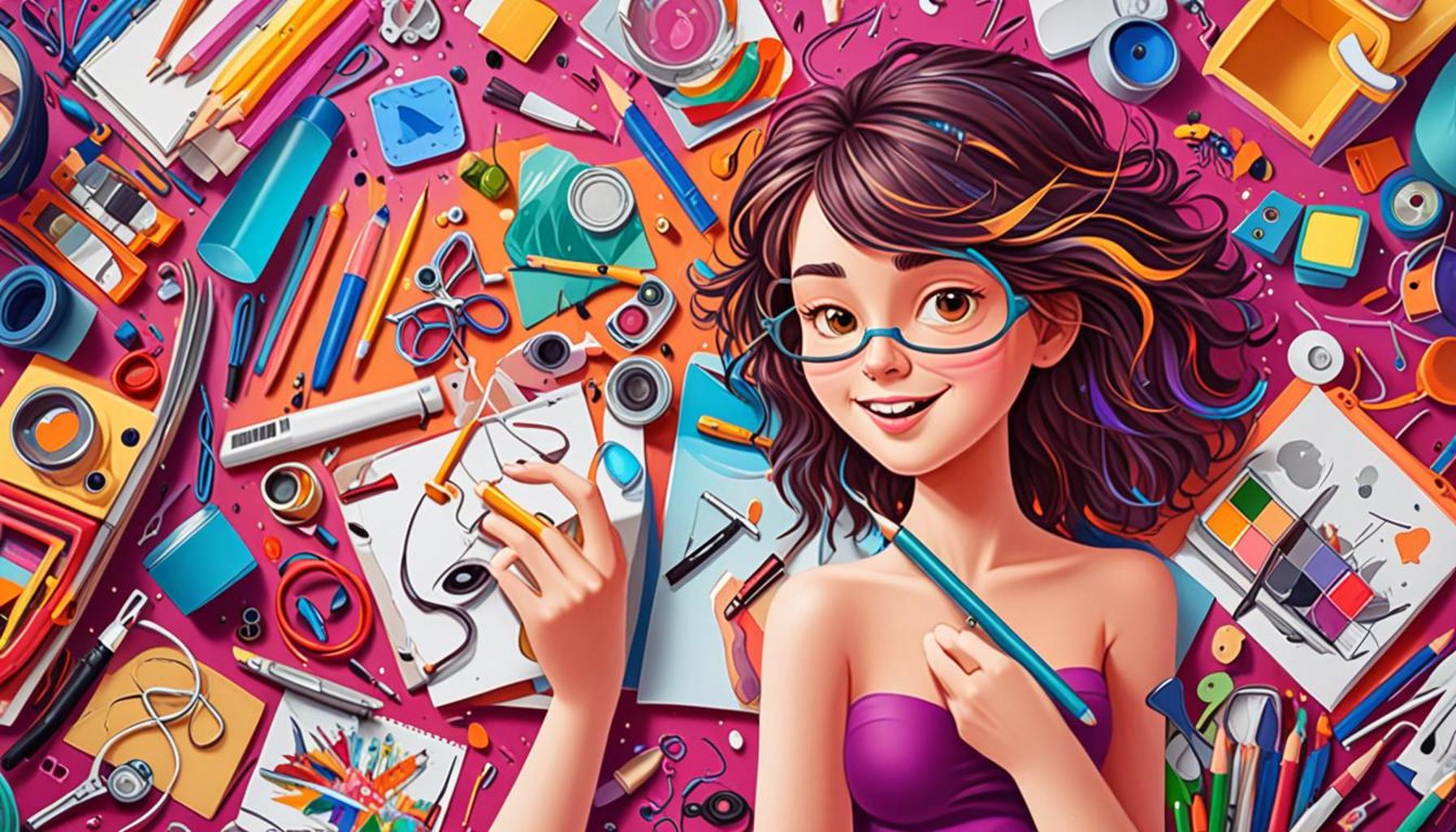
Unleashing Potential Through Creativity
Engaging in creative hobbies goes beyond mere enjoyment; it can be a powerful catalyst for personal growth. As individuals immerse themselves in activities like painting, writing, or crafting, they often discover that these passions foster essential social and emotional skills. The beauty of creative pursuits lies in their ability to bridge gaps, helping people connect with others and navigate their own emotions.
The Relevance of Creative Hobbies
In today’s fast-paced world, the impact of nurturing creativity is increasingly significant. Research indicates that creative activities can:
- Enhance communication skills through collaborative projects.
- Build empathy by allowing individuals to express and interpret feelings.
- Encourage resilience as hobbyists face challenges and learn from failures.
As we explore the transformative effects of creative hobbies, prepare to delve into our list of the Top 5 hobbies that not only ignite passion but also shape character. Each of these hobbies not only entertains but enriches individuals with invaluable life skills.
Top 5: Transforming Passions into Competencies – The Impact of Creative Hobbies on Social and Emotional Development
Creative hobbies are frequently dismissed as mere time-fillers or leisurely pastimes. However, these activities harbor the potential to serve as powerful conduits for personal growth and skill development. Beyond the immediate joy and satisfaction they offer, engaging in creative outlets can significantly enhance social skills and boost emotional intelligence. In today’s fast-paced world, where interpersonal interactions and emotional regulation are vital, creative hobbies play a crucial role in nurturing these abilities. Let’s delve deeper into the top five ways these hobbies can transform passions into valuable competencies that enrich lives and facilitate both personal and professional success.
5. Building Communication Skills
Communication serves as the cornerstone of human interaction, underpinning both personal relationships and professional endeavors. **Creative hobbies like theater, poetry, and comic book writing** offer unique platforms for individuals to hone their communication skills. These activities necessitate the articulation of thoughts and emotions, thereby improving both verbal and non-verbal communication.

In theater, for example, actors must engage in **improvisation and teamwork**, quickly developing the ability to respond creatively and spontaneously to dynamic scenarios. Similarly, poetry offers a medium for the exploration of linguistic creativity and emotional expression. Crafting pieces that resonate emotionally demands a nuanced understanding of language and its impact.
Illustrative of these benefits is **graphic novel creation**, which combines visual storytelling with collaborative effort. Participants not only develop their ability to convey complex narratives visually but also learn to work in groups, coordinating with fellow artists and writers to bring a cohesive story to life. This process enhances their ability to convey ideas effectively and listen actively—a crucial skill in any professional setting. Studies corroborate that individuals engaged in such creative enterprises often report elevated confidence in social interactions, laying the foundation for stronger, more meaningful relationships.
4. Enhancing Emotional Resilience
In an ever-changing world riddled with uncertainties, emotional resilience is more important than ever. Creative hobbies such as painting, sculpting, and writing provide safe environments where individuals can explore and process their emotions. **This pursuit of self-awareness enables participants to navigate their feelings more effectively, promoting healthy emotional regulation.**
Engaging in these activities can function as a therapeutic outlet, mitigating stress and serving as a healthy coping mechanism. For instance, painting allows for the externalization of internal states, offering individuals a non-verbal method to process complex feelings. Those who engage with clay in sculpting often describe the physical act of molding as cathartic, providing a unique way to tangibly express emotions.
Reports have shown that individuals who consistently participate in creative endeavors experience reduced anxiety and a greater openness to embracing and managing a plethora of emotions. This emotional agility not only enhances personal well-being but also equips individuals with the assurance needed to face life’s challenges with composure and insight.
3. Fostering Collaborative Skills
The ability to collaborate effectively is indispensable in any social or professional setting. Engaging in group creative activities, such as community art projects or collective writing exercises, fosters these collaborative skills. Participants learn to **work toward common goals while navigating diverse perspectives and ideas.**
For example, a community mural project requires participants to collaborate in designing, planning, and executing a cohesive art piece. The enterprise involves compromise, open communication, and a shared vision, nurturing respect and understanding among the group. Similarly, group writing sessions encourage participants to appreciate different narrative styles and approaches, fostering an inclusive atmosphere where diverse ideas can flourish.
These collaborative endeavors not only enhance problem-solving capabilities but also deepen social bonds, creating a sense of belonging and mutual respect. As individuals are exposed to various viewpoints and challenges within a collaborative framework, they develop a more comprehensive approach to teamwork, crucial for thriving in diverse professional and social climates.
2. Cultivating Empathy and Understanding
Creative pursuits inherently involve the interplay of diverse narratives and experiences, making them fertile ground for nurturing empathy. **Activities like writing, visual storytelling, and acting prompt individuals to immerse themselves in different characters and situations.** This exercise in perspective-taking fosters a deeper emotional connection and awareness of others’ experiences.
For instance, writing fiction compels authors to inhabit the lives of their characters, considering their motivations, struggles, and triumphs. This exercise in empathy teaches writers to appreciate nuanced human experiences, promoting compassion. In visual storytelling, artists often explore cultural, social, and personal themes, using their medium to evoke understanding and dialogue among viewers.
As participants engage with multifaceted themes and characters, they cultivate a profound empathy that transcends creative spaces, influencing their interactions and relationships in real-world settings. By enabling individuals to appreciate diverse backgrounds and perspectives, creative hobbies enrich social interactions and foster a more compassionate worldview.
1. Unlocking Personal Creativity and Innovation
At the apex of transforming hobbies into competencies is the augmentation of personal creativity—an invaluable asset in today’s innovation-driven society. Engaging in artistic activities like painting, crafting, or creative writing encourages individuals to unlock their **innovative potential**, yielding skills that extend beyond mere self-expression to practical applications in various fields.
Creative pursuits necessitate outside-the-box thinking, pushing participants to explore original solutions to challenges. For instance, crafting involves imagining and creating varied designs and objects, stimulating innovation and bespoke artistic expression. This creative confidence often translates into heightened job performance and satisfaction.
Research by the American Psychological Association underscores a correlation between engagement in creative activities and excellence in innovative thinking within professional arenas. Individuals who leverage their creativity are more adept at devising unique solutions, fostering efficiency and effectiveness in their roles. Moreover, creativity’s role in enhancing job contentment and overall well-being cannot be overstated, highlighting its importance as a catalyst for personal and professional growth.
In closing, the impact of creative hobbies on the development of social and emotional competencies is profound. From building communication skills and emotional resilience to fostering collaboration and empathy, these pursuits lay a robust foundation for personal growth and fulfillment. By embracing creative hobbies, individuals not only transform passions into invaluable competencies but also equip themselves to thrive amid the complexities of an ever-advancing world.
Engaging in creative hobbies is not just a pastime; it serves as a profound catalyst for personal growth, particularly in the realms of social and emotional skills. The very nature of these activities fosters environments that promote interaction, problem-solving, and emotional exploration. As individuals delve into their passions, they often uncover a plethora of benefits that enrich their interpersonal connections and emotional intelligence.The impact of creative hobbies on social skills is especially notable. When individuals participate in group projects, workshops, or community events, they develop essential traits such as collaboration, patience, and communication. For example, participating in a theater group may teach individuals how to express themselves clearly while understanding non-verbal cues from others. Such experiences enhance their ability to engage in meaningful conversations and build supportive relationships. Furthermore, the shared experiences in creative environments foster a sense of belonging, significantly improving one’s ability to connect with diverse groups, thereby broadening their social network.Emotional development is another critical area where creative hobbies play a transformative role. Engaging in creative activities provides individuals with a safe outlet for self-expression. This self-exploration is crucial in understanding one’s feelings, leading to greater emotional regulation and resilience. For instance, keeping a journal, engaging in painting, or learning a musical instrument allows individuals to process their emotions constructively. As they navigate through frustrations, triumphs, and creative blocks, they cultivate a deeper understanding of their emotional landscape. This journey, often characterized by trial and error, builds perseverance and self-confidence, as individuals learn to embrace failures as part of the creative process.Moreover, the act of creating involves a significant degree of *problem-solving*. Whether it’s troubleshooting a design element in a craft project or coordinating roles in a musical performance, individuals must think critically and make decisions under pressure. This practice translates seamlessly into everyday life situations, equipping individuals with the skills necessary to tackle challenges outside of their hobbies. The confidence gained from overcoming creative hurdles often reflects in their professional lives, enhancing their ability to work under pressure and adapt to changing circumstances.Lastly, the aspect of mindfulness associated with creative hobbies cannot be understated. Many individuals find that immersing themselves in a craft or artistic endeavor fosters a meditative state. This practice of being present not only reduces stress but also sharpens focus, allowing individuals to channel their creativity effectively. Researchers have shown that such mindfulness practices linked with creativity can lead to enhanced emotional well-being, improving overall mental health.In summary, the bridge between creative hobbies and the development of social and emotional skills is robust and multifaceted. As individuals explore their passions, they do not just refine their craft; they also equip themselves with indispensable life skills that empower them to navigate both personal and professional landscapes with confidence and resilience. As society increasingly appreciates the importance of emotional intelligence and social skills, the value of fostering creative hobbies cannot be overstated. Engaging with creativity may very well be the key to transforming one’s passions into competencies that benefit broader communities and enrich individual lives.
FAQs: Exploring the Transformative Power of Creative Hobbies
How can creative hobbies impact social and emotional skills?
Creative hobbies such as painting, music, or writing often require individuals to express themselves, collaborate with others, and manage emotions. These activities can foster empathy, enhance communication skills, and promote emotional regulation. Engaging in a creative pursuit not only nurtures artistic talents but also creates pathways for improved social interaction and personal development.
What are some examples of hobbies that contribute to skill development?
Many hobbies contribute to social and emotional skill development. For instance, joining a theater group can improve public speaking and teamwork abilities, while journaling can enhance self-reflection and introspection. Additionally, participating in group sports or dance classes encourages cooperation and resilience as individuals learn to work towards common goals and overcome challenges together.
Can pursuing a hobby lead to professional growth?
Absolutely. Transforming a hobby into a professional asset can provide numerous benefits. Skills acquired through creative pursuits, such as problem-solving, critical thinking, and adaptability, are highly valued in the workforce. Moreover, showcasing passion and dedication to a hobby can highlight an individual’s commitment and versatility, making them attractive candidates for diverse career opportunities.
Why is it important to balance hobbies and daily responsibilities?
Balancing hobbies with daily responsibilities is crucial for maintaining well-being and preventing burnout. Engaging in a beloved hobby offers a respite from routine tasks, reducing stress and enhancing overall quality of life. However, it’s important to manage time effectively to ensure that work, social commitments, and personal passions do not conflict but rather enrich each other, contributing to holistic personal growth.
How can one choose a creative hobby that aligns with personal interests?
Choosing a hobby that aligns with personal interests involves introspection and exploration. Consider what activities bring you joy, spark curiosity, or have always intrigued you. Experiment with different options, whether it’s a hands-on craft like pottery or a cerebral pursuit like chess. Remember, the goal is to find an activity that not only excites you but also offers opportunities for personal development and fulfillment.
Conclusion: The Transformative Potential of Creative Hobbies
In today’s fast-paced world, the quest to transform personal passions into practical skills has become more relevant than ever. As explored extensively in this article, creative hobbies such as painting, writing, and crafting offer a unique avenue for the development of essential social and emotional skills. These pastimes not only foster personal growth but also enhance communication and empathy, essential components for thriving in any social setting.
One of the key takeaways from our discussion is how these hobbies provide a safe space for self-expression and emotional exploration, which can significantly contribute to healthier mental wellbeing. By immersing oneself in a creative activity, individuals can learn resilience and patience, as they often face challenges and roadblocks, much like those encountered in everyday life.
Furthermore, engaging in creative pursuits encourages collaboration and builds a sense of community. As people engage in shared creative projects or classes, they build connections and improve interpersonal skills, which are pivotal in both personal and professional contexts.
Moreover, these hobbies can spark innovative thinking and adaptability. The process of creation often involves problem-solving and thinking outside the box, traits that are highly valued in today’s dynamic workforce. Engaging in creative activities can thus translate into a competitive advantage in diverse fields of work.
In essence, the impact of creative hobbies extends beyond mere leisure; they are powerful catalysts for personal development and social connectivity. As we continue to explore and embrace our passions, it is crucial to acknowledge and harness the potential they carry in shaping us into well-rounded and empathetic individuals. By nurturing these hobbies, we transcend passion into competence, enriching our lives in multifaceted ways.
Related posts:
The Practice of Improvisational Theatre: Stimulating Mental Agility and Adaptability
Sewing Techniques: Developing Patience and Manual Skills
The Importance of Photography in Improving Observation and Attention to Detail
Community Theater: Learning Empathy and Teamwork through Performance
Gardening: Cultivating Patience and Strategic Planning Skills
Music as a Tool for the Development of Creativity and Critical Thinking

Linda Carter is a writer and creative hobbies expert specializing in crafting, DIY projects, and artistic exploration. With extensive experience helping individuals discover their creative potential and bring their ideas to life, Linda shares her knowledge on our platform. Her goal is to empower readers with practical tips, inspiring ideas, and step-by-step strategies for success in the world of creative hobbies.