Theatrical Performance as a Form of Liberation: How the Actor Transforms Emotions into Art
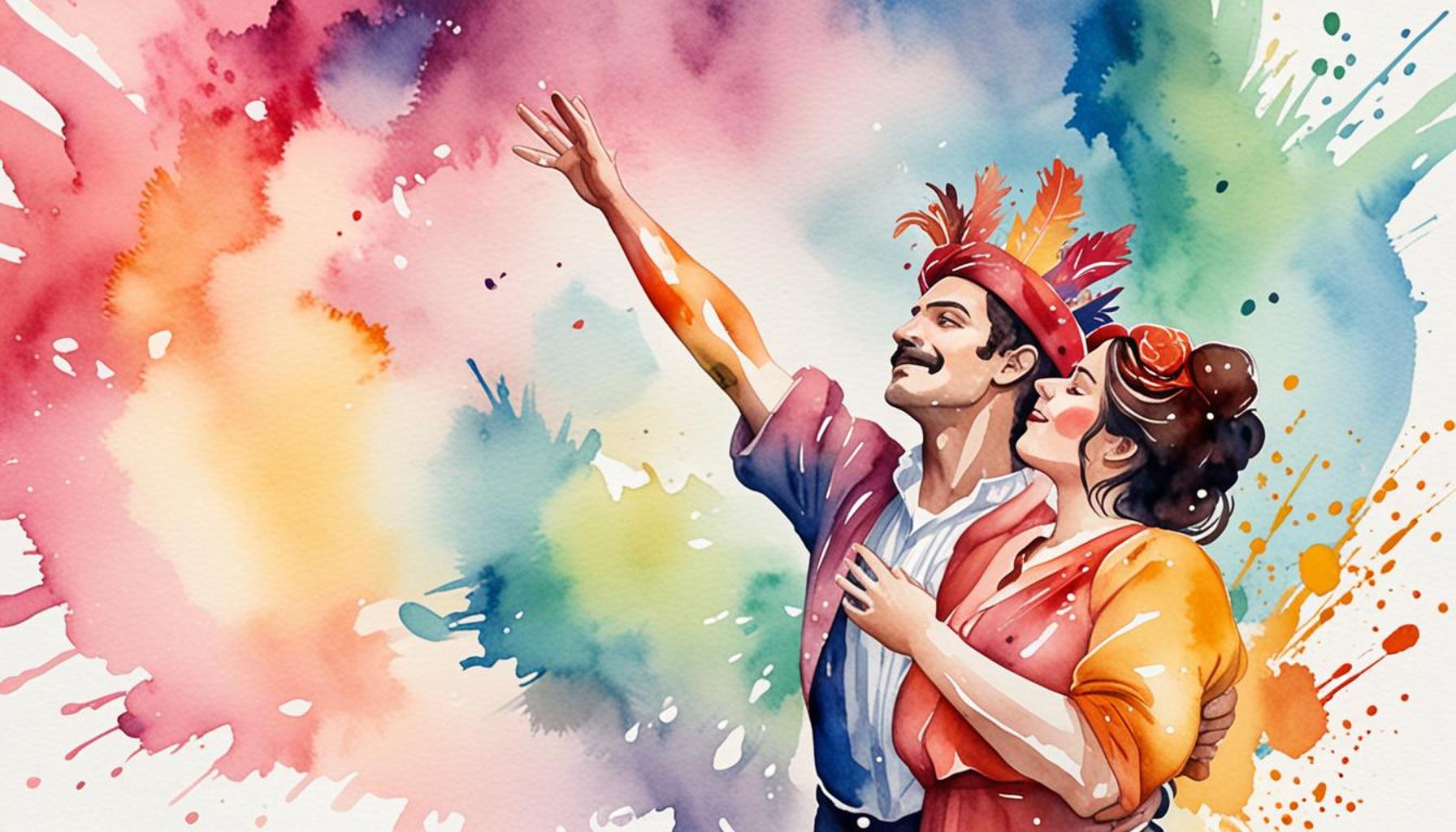
The Magic of Theater
Theater has long been recognized as a powerful medium for self-expression, captivating audiences through the artistry of live performance. Through the art of acting, performers convey intense emotions that resonate deeply with those who watch. This unique emotional transformation serves not only the actors but also fosters a deeper understanding in viewers, creating an immersive experience that transcends the ordinary.
Key Elements of Theatrical Performance
- Emotional Range: Actors tap into a spectrum of feelings, from joy and excitement to sorrow and despair. This emotional versatility is essential, as it allows performers to portray the complexities of human experience authentically. For instance, an actor’s ability to convey palpable grief in a scene can evoke similar feelings in the audience, creating a bond through shared emotional experiences.
- Character Exploration: They embody complex characters, offering a glimpse into different lives, often far removed from their own. Through roles such as the embattled soldier in a war drama or the hopeful dreamer in a romantic comedy, actors invite audiences to walk in the shoes of diverse individuals, thus broadening their understanding of various social contexts and personal struggles.
- Catharsis: The audience experiences emotional release through the narrative journey. This cathartic experience allows viewers to confront their own emotions and challenges, often leaving the theater feeling lighter or more enlightened. The ancient Greek concept of catharsis, referencing the release of pent-up emotions during a tragic performance, remains relevant in today’s theater, as contemporary stories continue to explore the human condition.
This emotional journey transforms the theater into a space of liberation and reflection. Each performance allows actors to share personal stories, often reflecting larger societal issues such as injustice, love, and identity struggles. By embodying various roles, they challenge perceptions about race, gender, and culture, evoking empathy and provoking thought among spectators.
Connection to the Audience
When emotions are translated into art, a bridge forms between the actor and the audience. This potent connection is pivotal in fostering an understanding of diverse human experiences. The liberating power of theatrical performance inspires both performers and audiences to engage, reflect, and even catalyze change. Through vivid storytelling, theater can raise awareness about critical societal issues, such as mental health or environmental concerns, prompting conversations that ripple beyond the stage and into daily life.
In recent years, interactive and immersive theater experiences have taken this connection to new heights. Productions such as “Sleep No More,” which invites audiences to wander through various scenes in a uniquely choreographed setting, redefine the relationship between the performer and the observer. This evolution illustrates the potential of theater not just as entertainment, but as a crucial platform for dialogue and understanding in a diverse society.
Ultimately, the magic of theater lies in its ability to reflect the human experience, offering both the actor and spectator a chance to engage with emotions that are often left unspoken. As each performance unfolds, it invites audiences to think critically, feel deeply, and continue the conversation long after the final curtain call.

DISCOVER MORE: Click here to transform your space
The Transformative Power of Acting
At the heart of theater lies the transformative journey of the actor, where raw emotions are sculpted into art that speaks to the core of the human experience. The process by which an actor translates personal feelings into performance is both intricate and profound, often requiring a deep introspection and understanding of not only themselves but also the characters they portray. Through this transformative power, actors learn to articulate emotions that resonate with universal themes—love, fear, despair, and joy—inviting the audience to connect on a visceral level.
The Actor’s Journey to Authenticity
In order to achieve authenticity in their performances, actors engage in what can be described as emotional archaeology. This involves digging into their own memories and experiences to unearth the feelings that align with their character’s journey. Techniques such as Stanislavski’s system encourage actors to rely on their inner emotional life, allowing them to invoke genuine responses that can translate seamlessly onto the stage. By doing so, they create a palpable atmosphere of veracity, inviting the audience to feel the gravity of the events unfolding before them.
The Importance of Vulnerability
Vulnerability plays a crucial role in acting and is a vital component of the liberation that theatrical performance offers. When an actor allows themselves to be vulnerable, they break down barriers between their own identity and the characters they embody. This raw honesty not only enhances their performance but also liberates them from societal norms and expectations. A study conducted by the University of Southern California found that performers who embrace vulnerability in their craft often experience higher levels of emotional well-being, highlighting the transformative effects of acting on one’s psyche.
Building Empathy Through Performance
As actors immerse themselves in their roles, they become conduits for empathy. Audiences witness the struggles and triumphs of characters that may be vastly different from their own reality. This experience can foster a deeper understanding of distant experiences, including those related to marginalized communities or historical injustices. The ability of theater to transport audiences into the lives of others makes it a unique tool for social change and advocacy. Productions like “To Kill a Mockingbird” or “Angels in America” not only tell compelling stories but also challenge viewers to confront uncomfortable truths about society and humanity.
This act of transforming emotions into art does not merely entertain; it serves as a call to action. With each performance, actors encourage audiences to reconsider their perspectives and values, ultimately paving the way for empathy and understanding in an increasingly fragmented world. Through the shared language of emotion, theater creates opportunities for reflection, prompting conversations that may lead to personal and collective liberation.
Conclusion
The journey of acting is one of profound emotional transformation, allowing performers to articulate deeper truths while engaging the audience in a dialogue beyond the stage. As audiences reflect on their experiences within the theater, they may find themselves liberated from preconceived notions, sparking a desire for greater understanding and connection in their own lives.
The theatrical performance represents a profound journey into the depths of human emotion, where actors embrace the transformative power of their craft to explore the complexities of existence. This medium not only serves as entertainment but also functions as a powerful tool for liberation, allowing actors and audiences alike to confront and express feelings often left unspoken. Through the art of acting, performers embody a diverse range of characters, drawing from their own experiences and emotions. This process enables them to channel feelings like sorrow, joy, anger, and love into their roles, creating a visceral connection with viewers. The act of donning a persona facilitates an exploration of self and others, breaking down personal barriers and societal norms.Moreover, actors often engage in rigorous techniques, such as method acting or improvisation, to deepen their emotional resonance with characters. By investing themselves wholly into their roles, they not only hone their craft but also better understand their emotional landscapes. This transformation of emotions into art becomes an act of liberation; through performance, they liberate themselves from isolation and discover solidarity with their audience. The emotional release that occurs during a performance can also act as a healing process for both actors and spectators. Audiences witness shared struggles portrayed on stage, fostering empathy and understanding. This collective experience can be cathartic, inspiring individuals to reflect on their own emotions and societal constraints. The interplay between actors and their role can reflect broader social issues, too. By portraying characters facing injustice, inequality, or personal challenges, theatrical performances enact a form of resistance, encouraging audiences to question their realities and take action. The commitment to craft is palpable in the rehearsal processes where actors might spend weeks or even months preparing for a role, diving deep into research and emotional exploration. Such dedication amplifies the authentic portrayal of character and story, amplifying the impact of the message being conveyed.Through theatrical performance, emotions find a vessel of expression, emerging as art that resonates on many levels, leaving both actors and audiences transformed. This process of emotional exploration and expression fosters connections that transcend the stage, demonstrating the powerful role of theatre in not only revealing the human condition but liberating it as well. As we delve deeper into the world of theatrical performance, it’s vital to recognize the ongoing evolution of this art form and how it continues to transform emotions into meaningful expressions, inviting new narratives and generating insightful dialogue.
DISCOVER MORE: Click here to learn about sustainable crafting materials
The Confluence of Personal and Collective Experience
The transformative journey of acting transcends personal exploration; it encompasses a rich tapestry of collective experience as well. When actors take the stage, they not only channel their own emotions but also echo the sentiments of the society in which they live. This dynamic interplay often leads to performances that resonate beyond mere entertainment, reflecting shared struggles and triumphs of the human condition. For instance, works like Arthur Miller’s “Death of a Salesman” probe the malaise of the American Dream, giving voice to the disillusionment felt across generations, particularly in economically tumultuous times.
Actors as Cultural Commentators
In many ways, the role of the actor transcends that of an entertainer; they become cultural commentators. Through their performances, actors articulate societal issues that may otherwise remain unexamined. For example, plays dealing with themes such as racial inequality or gender identity do not simply tell stories—they shine a spotlight on critical social issues, urging audiences to confront these challenges head-on. The recent surge of interest in representation on stage, seen through productions like “Hamilton,” reflects a growing acknowledgment of the importance of diverse narratives and voices in theater. This type of artistic expression acts as a catalyst for addressing social injustices, fostering a collective sense of awareness and responsibility.
The Healing Aspects of Theatrical Expression
Beyond social commentary, the act of performing can serve as a potent form of emotional catharsis for both actors and audiences alike. The therapeutic benefits of storytelling have been recognized in various settings, with drama therapy emerging as an increasingly popular approach in mental health treatment. By expressing layered emotions through character-driven narratives, actors often confront their own vulnerabilities and traumas. This process also resonates with the audience, creating a shared experience of release and healing. For individuals grappling with their own struggles, seeing a character navigate similar tumult can provide immense comfort and understanding. In fact, studies have indicated that audiences who engage with emotionally resonant performances report feeling a sense of connection and relief after the show.
Innovation in Theatrical Expression
In recent years, the advent of new technologies and interdisciplinary collaborations has further expanded the possibilities of theatrical performance. Innovations such as immersive theater and digital storytelling challenge traditional notions of what it means to engage with a performance. Productions like “Sleep No More” allow audiences to actively explore the narrative, thereby becoming participants in the artistic experience. This shift not only promotes audience engagement but also amplifies the liberatory potential of theater by placing individuals at the center of the emotional journey. As these forms grow in popularity, they encourage deep reflection on the interconnectedness of our experiences—both personal and communal.
By reinvigorating the theatrical landscape, actors continue to liberate not only their own emotional landscapes but also those of the audience. Each performance holds the power to inspire, provoke, and enlighten, echoing the diverse array of human feelings in a shared space that invites dialogue and introspection.
DON’T MISS: Click here to discover the latest craft trends influenced by technology
Conclusion: The Transformative Power of Theatrical Arts
Theater possesses an unparalleled capacity to serve as a vehicle for liberation, forging pathways for both personal and societal transformation. Through the profound act of embodying diverse characters and narratives, actors delve into the complexities of human emotion, creating a rich dialogue that reflects the myriad struggles and victories in our shared lives. While actors harness their personal experiences, they simultaneously amplify the collective voices of their communities, addressing critical issues such as inequality and mental health, and urging audiences to engage critically with their own realities.
Moreover, the healing elements of theater foster a supportive environment where both performers and spectators can confront their vulnerabilities. The cathartic release experienced during powerful performances not only cultivates empathy but also facilitates individual and communal healing journeys. Amidst the challenges of modern life, plays like “Hamilton” and “The Vagina Monologues” have reinvigorated the stage with stories that resonate deeply, emphasizing the need for nuanced representation and inclusive storytelling.
As innovative techniques in theater continue to evolve, incorporating technology and immersive experiences, the journey toward liberation becomes more dynamic and accessible. This evolution serves as a reminder of the intrinsic power of the performing arts to challenge norms and foster change. By embracing the full spectrum of human emotion, theater not only transforms the lives of those directly involved but ignites a vibrant dialogue within society, encouraging reflection, understanding, and ultimately, liberation. Therefore, the world of theater remains an essential forum for examining the human experience, imparting lessons of resilience, connection, and transformation that continue to inspire audiences long after the curtain falls.
Related posts:
The Art of Visual Storytelling: How to Tell Stories Through Drawing and Painting
Imaginative Expressions: The Impact of Creative Writing on Mental Health and Well-Being
The Art of Origami as Creative Meditation: Folding Paper and Emotions into Shapes
The Influence of Abstract Art on Personal Expression: Exploring Emotions Through Painting
The Art of Visual Storytelling How Illustration Boosts Creativity
Music as Sound Painting: Exploring Synesthesia in Musical Composition

Linda Carter is a writer and creative hobbies expert specializing in crafting, DIY projects, and artistic exploration. With extensive experience helping individuals discover their creative potential and bring their ideas to life, Linda shares her knowledge on our platform. Her goal is to empower readers with practical tips, inspiring ideas, and step-by-step strategies for success in the world of creative hobbies.