The Role of the Garden as a Space for Creation: Cultivating Ideas and Emotions through Gardening
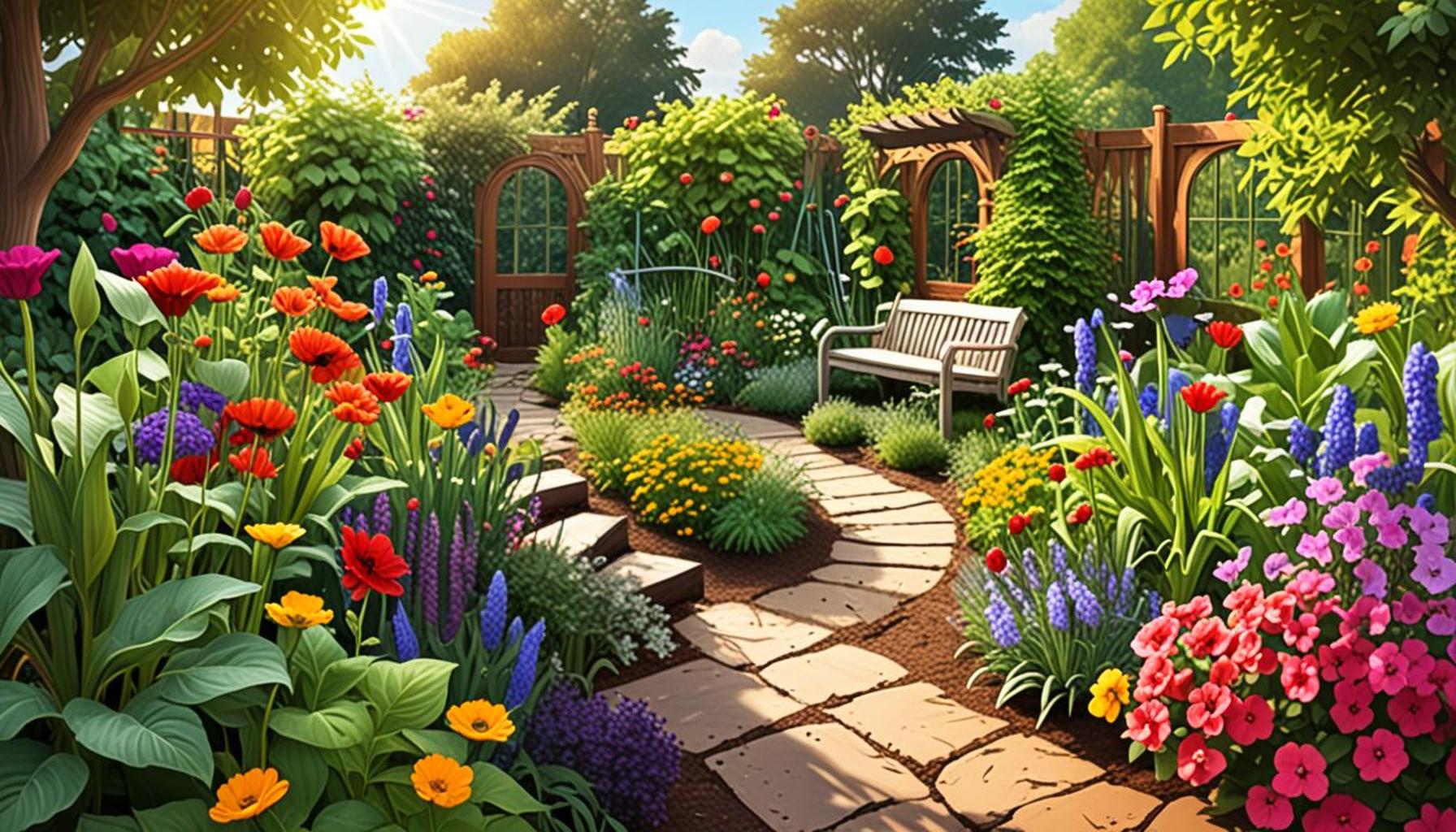
Unveiling the Beauty and Benefits of Gardens
A garden is not just a collection of plants; it is a living canvas where creativity blooms. This unique space allows individuals to connect with nature, while also fostering personal growth and emotional well-being. The practice of gardening has a long-standing tradition in the United States, with each garden representing a unique blend of personal stories, cultural influences, and ecological considerations.
As we explore the significance of gardens, we uncover how they serve as spaces for creation. Here are some key roles gardens play:
- Inspiration: Gardens provide a serene environment that sparks innovative thoughts. Artists, writers, and thinkers often find solace in the subtle rhythm of nature. For example, renowned author Thomas Kinkade famously found inspiration in his own garden, translating its tranquility into his paintings.
- Therapeutic Effects: Engaging with garden activities can reduce stress and boost mood. Studies have shown that spending time in a garden can lower cortisol levels, the body’s primary stress hormone. Community gardens, in particular, have been recognized for their role in enhancing well-being in urban areas, fostering social connections amongst neighbors.
- Expression: Personalizing a garden reflects individual emotions and artistic vision. From whimsical fairy gardens to carefully structured Japanese zen gardens, the styles are as varied as the people who create them. Homeowners often leave their mark through the selection of colors, textures, and layouts, essentially creating a living sculpture that speaks of their identity.
In the United States, gardening has evolved into a diverse cultural phenomenon, influenced by regional climates and community values. For instance, in the Southwest, xeriscaping is popular due to arid conditions, showcasing an array of drought-resistant native plants. In contrast, the Pacific Northwest’s lush environment supports vibrant vegetable gardens, where the local farm-to-table movement thrives.
Moreover, the act of gardening itself encourages exploration—whether through experimenting with new plant varieties, such as heirloom tomatoes or butterfly-attracting plants, or trying out different design techniques, such as vertical gardening or permaculture. The interplay of nature and creativity within these spaces can lead to profound discoveries.
In this article, we will delve deeper into how gardens foster creativity and emotional expression. We’ll shed light on practical tips and personal anecdotes to inspire your own gardening journey. Whether you are a seasoned gardener or a curious beginner, the world of gardening offers endless possibilities waiting to be explored.
DIVE DEEPER: Click here to discover the rich tapestry of cultural activities
Gardens as Sanctuaries for Innovation and Reflection
Gardens extend far beyond their role as mere backyards or patches of greens; they are multifunctional spaces that nurture a wealth of ideas and emotions. By serving as quiet sanctuaries, gardens provide a refuge for introspection and creativity, enabling individuals to foster a stronger connection to their surroundings and themselves. Through leisurely mornings spent tending to plants or gently pruning overgrown bushes, gardeners embark on a journey that intertwines physical activity with mental exploration.
Throughout history, many accomplished thinkers have credited their breakthroughs to the peace found in their gardens. For instance, the renowned naturalist Henry David Thoreau used his time at Walden Pond to reflect on philosophical ideas while surrounded by nature’s splendor. This concept continues to resonate, emphasizing the garden as a powerful tool for creative thinking. When immersed in nature, the distractions of modern life fade away, allowing one to embrace the clarity that often sparks innovative ideas.
Moreover, the physical act of gardening itself becomes a creative process as individuals cultivate their unique spaces. A garden doesn’t have a strict aesthetic; instead, it evolves based on the gardener’s vision and preferences. Here are some ways that gardens serve as spaces for artistic expression:
- Color Palette: Just like artists choosing their shades, gardeners select colors that resonate with their emotions. Bright zinnias may uplift one’s spirit, while calming lavender can evoke tranquility.
- Design Techniques: Gardeners can experiment with various layouts, from traditional rose gardens to modern minimalist landscapes. Each design choice reflects personal taste and creative instincts.
- Plant Selection: Choosing specific plants can be a reflection of one’s identity and values. Heirloom varieties often symbolize a connection to the past, while native plants may signal an appreciation for local ecosystems.
The significance of gardens in the United States can also be seen in their contribution to broader cultural movements, such as urban renewal and environmental sustainability. Community gardens, for instance, not only beautify neighborhoods but also serve as platforms for collaboration. Many individuals find that participating in collective gardening efforts strengthens relationships, fosters communication, and cultivates a shared sense of purpose.
In addition to the physical and communal benefits, engaging in gardening has profound psychological effects. Research indicates that gardening can significantly reduce symptoms of anxiety and depression. As gardeners lose themselves in the rhythmic motions of planting and nurturing, they often discover a meditative quality to their work, enhancing their emotional well-being.
The fusion of nature and artistry within gardening offers a unique opportunity for personal expression while simultaneously enriching the community. It is clear that the role of gardens extends well beyond their visual appeal; they are sanctuaries of creation, inviting all those who enter to explore their inner landscapes. As we delve deeper into this artistic sanctuary, we will uncover practical ways to unlock the transformative power of gardening in your own life.
Gardening extends far beyond mere horticulture; it serves as a potent medium for self-expression and emotional healing. The act of nurturing plants fosters a sense of responsibility and promotes mental well-being. When individuals engage in planting and caring for a garden, they connect with nature, which has been shown to reduce stress levels and enhance emotional resilience. Additionally, the garden becomes an imaginative space where ideas can flourish. Whether through visual arts or literature, the aesthetic beauty of a garden can inspire creativity in various forms. Artists often draw upon the colors, shapes, and movements present in nature to breathe life into their projects. Furthermore, the seasonal changes within a garden can symbolize the passage of time and the cyclical nature of life, allowing for reflection and introspection.Gardening can also be a communal activity that strengthens bonds among participants. Collaborative gardening projects encourage social interaction, leading to the exchange of ideas and the sharing of experiences. This engagement can lead to innovative gardening techniques or even community-driven art projects that bring people together. The solidarity fostered through collective gardening transcends individual emotions, creating a shared purpose in cultivating not just plants, but also relationships and memories.As we continue to explore the intricate relationship between gardening and emotional well-being, an intriguing area of focus is how the act of gardening can affect children’s development. Teaching kids how to plant and care for a garden can instill values of patience, responsibility, and empathy. They learn to appreciate the beauty of growth and the joy of nurturing living things, which contributes to their emotional intelligence.Thus, the garden functions as a transformative space, not only for personal reflection but also for communal creativity, paving the way for a myriad of emotional and artistic possibilities. The more we delve into the significance of gardening, the clearer it becomes that these green spaces are essential for cultivating not just plants, but also the seeds of creativity and emotional growth.
DISCOVER MORE: Click here to explore the influence of cultural activities
Nurturing Community and Connection through Gardening
As gardens flourish, they also become vital hubs for community engagement and connection. In the heart of urban settings where green spaces are scarce, community gardens transform vacant lots into enriching landscapes. These gardens foster collaboration among diverse groups, uniting neighbors from different backgrounds through a shared mission—growing food and beautifying their environment. The act of gardening alongside others cultivates not only plants but also relationships, promoting dialogue and strengthening social ties.
The rise of community gardening initiatives can be traced back to movements aimed at enhancing food security and combating urban isolation. According to the American Community Gardening Association, there are now over 18,000 community gardens across the United States, and their number continues to grow. These spaces provide opportunities for hands-on learning, where residents can share techniques, exchange seeds, and discuss sustainable practices. This collaborative spirit is essential, as the act of gardening becomes a source of collective joy and discovery.
Gardens can also serve as educational platforms. Various schools have begun integrating gardening into their curriculums, allowing students to grasp important concepts in biology, ecology, and nutrition through tactile experiences. School gardens enable children to witness firsthand the life cycle of plants, igniting curiosity and fostering an appreciation for nature. Programs like Garden-Based Learning emphasize this educational approach, showcasing the significance of connecting children with the environment through practical gardening experiences.
Moreover, accessible gardening programs focused on marginalized communities have proven to enhance community resilience. Initiatives like the People’s Grocery in Oakland, California, empower low-income neighborhoods by providing training and resources for growing food. These programs not only improve access to fresh produce but also instill a sense of pride and ownership within communities. Gardeners transform the landscape of their neighborhoods, witnessing the fruits of their labor and advocating for local food systems.
The Therapeutic Potential of Gardening
The therapeutic effects of gardening extend beyond community bonding; they have also been embraced by mental health professionals as a valuable tool in therapy. Studies show that engaging with plants can significantly reduce stress levels, promote mindfulness, and improve overall mental health. Horticultural therapy programs utilize these principles, involving patients in gardening activities that foster emotional healing. This therapeutic connection emphasizes the emotional spectrum that gardening can evoke, from the joy of sowing seeds to the meditative moments spent nurturing plant growth.
In addition, the rhythmic movements and sensory experiences associated with gardening, such as the texture of soil or the aroma of flowers, deeply engage individuals and encourage mindfulness. Many gardening enthusiasts report feelings of tranquility and grounding while working in their gardens, highlighting its role as a sanctuary for both physical and emotional rejuvenation.
As we explore the dynamics of gardening within communities, it is clear that these green spaces extend beyond aesthetics and personal fulfillment. They represent a burgeoning movement of connection, education, and therapeutic healing. The garden stands as a testament to humanity’s intrinsic need to cultivate not only plants but also the bonds that connect us to each other and to the earth itself. Through the diverse expressions of creativity found within gardening, individuals can tap into their full potential, transforming ordinary spaces into extraordinary realms of possibility.
DIVE DEEPER: Click here to discover how creative hobbies can enhance your skills
Conclusion: Embracing the Essence of Gardening
In conclusion, the garden serves as a transformative space that nurtures not only plants but also the very essence of our creativity and emotion. As explored throughout this article, gardens act as the backdrop for enriching community connections, offering a unique platform for collaboration, education, and healing. The significance of these green sanctuaries expands far beyond mere aesthetics; they embody the core of human interaction, facilitating the sharing of knowledge and experiences that unite individuals from all walks of life.
The resurgence of community gardening initiatives is a testament to our need for connection in an increasingly isolated world. These dynamic spaces allow for personal growth while simultaneously addressing broader societal challenges such as food insecurity and environmental stewardship. Moreover, the therapeutic benefits of gardening highlight its powerful role in enhancing mental and emotional well-being, providing individuals with a healthy outlet for self-expression and mindfulness.
As we recognize and embrace the vital role of the garden as a space for creation, we open ourselves to a world of possibilities. Each seed sown embodies a vision for the future, each bloom represents hope, and every interaction within the garden nurtures not only the earth but also our shared humanity. Ultimately, by cultivating our gardens, we cultivate ourselves, empowering one another to thrive as we weave together the intricate tapestry of life. Therefore, let us celebrate the garden as a sanctuary for all, inviting continued exploration of its vast potential for creativity, community, and emotional fulfillment.
Related posts:
Music as Sound Painting: Exploring Synesthesia in Musical Composition
Exploring the Art of Visual Storytelling: How Illustration Can Transform Stories into Imaginative Ex...
Writing the Unexpected Surrealisms Impact on Modern Poetry
Creative Writing as a Tool for Self-Exploration: Transforming Experiences into Narratives
Letters to the Future: Writing Letters as a Form of Reflection and Creativity
The Role of Graphic Design in Communicating Ideas: Visual Creativity and Personal Expression

Linda Carter is a writer and creative hobbies expert specializing in crafting, DIY projects, and artistic exploration. With extensive experience helping individuals discover their creative potential and bring their ideas to life, Linda shares her knowledge on our platform. Her goal is to empower readers with practical tips, inspiring ideas, and step-by-step strategies for success in the world of creative hobbies.