The Practice of Improvisational Theatre: Stimulating Mental Agility and Adaptability
The Heart of Improvisational Theatre
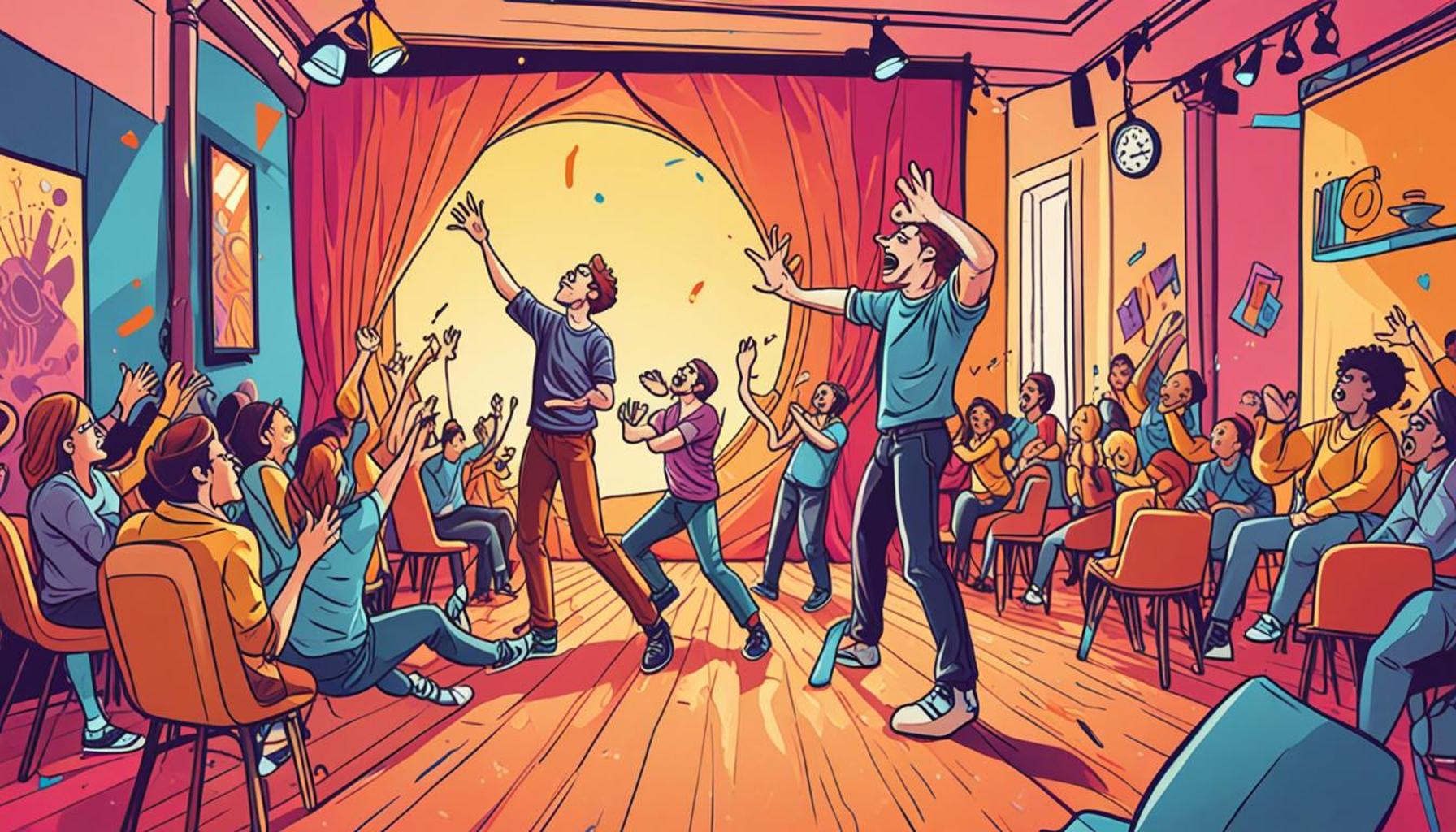
Improvisational theatre is a lively and spirited art form that goes beyond the realms of performance. It is a platform where creativity intersects with spontaneity, allowing participants to delve into the unpredictable nature of storytelling. As every performance unfolds uniquely, it invites performers to tap into their mental agility and hone their adaptability, essential skills both on stage and in daily life.
At the core of improvisational theatre lies a rich tapestry of skills and benefits that can transform participants and audiences alike. For instance, one of the most significant advantages is enhanced creativity. Improvisation promotes the idea of thinking outside the box, asking participants to generate content on the spot, often resulting in unexpected and innovative outcomes. An example of this can be seen in the popular TV show “Whose Line Is It Anyway?” where performers create hilarious skits based only on audience suggestions, showcasing the boundless potential of unscripted storytelling.
Furthermore, improvisation helps in building increased confidence. As participants engage in improv exercises, they learn to embrace uncertainty and take risks in a supportive environment. Involvement in such activities not only boosts self-esteem but also teaches individuals to speak up and share their ideas boldly. This newfound confidence can transcend the stage, positively impacting personal and professional interactions in everyday life.
Teamwork skills are another fundamental aspect of improvisational theatre. Collaborative exercises require trust and effective communication among performers, as they must respond to each other in real-time. A well-known exercise is the “Yes, and…” technique, where participants build on one another’s ideas without judgment. This approach not only deepens collaboration but also fosters a sense of community, essential in workplaces and personal relationships.
In today’s fast-paced world, where adaptability is crucial, the skills acquired through improvisational theatre can be invaluable. The ability to think on one’s feet has implications that extend into various fields, from business settings where quick decision-making is required to personal situations demanding interpersonal finesse.
Moreover, improvisational theatre often reflects contemporary culture and pressing social issues. By mirroring real-world challenges and experiences, performances offer audiences not just entertainment but also insightful commentary on society. This cultural relevance encourages engagement and conversation, allowing viewers to reflect on their surroundings and explore diverse perspectives.
As we venture further into the world of improvisational theatre, we uncover its historical roots, techniques, and techniques that shape this dynamic art form. By embracing spontaneity, we not only enrich our entertainment landscape but also equip ourselves to navigate the unpredictability of life with grace and creativity.
DISCOVER MORE: Click here to unlock your potential
The Power of Spontaneity in Improvisational Theatre
Improvisational theatre thrives on the principle of spontaneity, compelling performers to respond to unpredictable situations with creativity and grace. This practice not only catalyzes mental agility but also paves the way for adaptability in various facets of life. By embracing the unexpected, individuals learn to navigate uncertainty, a skill that is increasingly essential in our world, where change is the only constant.
One of the core components of improvisational theatre is the structured exercises designed to challenge and heighten participants’ reaction times and cognitive flexibility. Techniques such as “quick thinking” games, require actors to generate responses and ideas almost instantaneously. For instance, the “Word at a Time Story” exercise involves participants collaboratively creating a narrative, with each individual contributing a word in rapid succession. This format promotes not only quick thinking but also fosters the ability to stay present, an essential trait in both performance and everyday conversations.
Moreover, another highlighted technique is the use of character creation. In improvisational settings, performers often adopt various personas on the spot, which requires them to think and react based on the defined characteristics of that persona. This practice bolsters an individual’s ability to shift perspectives and consider alternative viewpoints, crucial for effective interpersonal communication.
Benefits Beyond the Stage
The cognitive and social benefits of engaging in improvisational theatre extend far beyond the stage. For those participating, the skills acquired can significantly enhance their effectiveness in professional settings. Some benefits include:
- Increased problem-solving abilities: Improvisation teaches participants to think critically and find solutions in high-pressure scenarios.
- Enhanced communication skills: Regular practice allows individuals to articulate their thoughts clearly and succinctly, improving personal and professional interactions.
- Resilience in facing challenges: Participants learn to embrace failures as opportunities for growth, fostering a mindset conducive to overcoming obstacles.
- Heightened emotional intelligence: Engaging with various characters helps individuals understand emotions, improving their ability to read social cues.
In the landscape of the United States, where workplace dynamics continuously evolve, the adaptability garnered through improvisational theatre can be a game-changer. Professionals who have incorporated improv training into their skillsets find themselves better equipped to handle corporate environments fraught with rapid change and diversity. By learning to adjust their responses in real-time, they can collaborate effectively with a wide array of colleagues, clients, and stakeholders.
In summary, the practice of improvisational theatre is not just an artistic endeavor; it serves as a robust training ground for enhancing mental agility and adaptability. As we delve deeper into the specific methods and historical context of improv, we will uncover further insights on how this unique art form equips individuals to thrive amidst life’s unpredictability.
| Category | Description |
|---|---|
| Creative Thinking | Improvisational theatre fosters the ability to think outside the box, encouraging participants to generate unique ideas and solutions rapidly. |
| Enhanced Communication Skills | Participants learn to express themselves clearly and effectively, enhancing verbal and non-verbal communication abilities important in both personal and professional settings. |
| Team Collaboration | Improvisational activities promote teamwork, teaching individuals how to work harmoniously with others to create collective narratives and performances. |
| Quick Decision Making | Improv training helps develop the ability to make rapid, informed decisions under pressure, a skill beneficial in high-stakes environments such as corporate scenarios. |
The domain of improvisational theatre is not just reserved for performers; it serves as a powerful tool for anyone looking to enhance their mental agility and adaptability. Engaging in improvisational exercises challenges the brain to respond swiftly and strategically, thus improving cognitive flexibility. It is especially relevant in today’s dynamic workplace, where adaptability is key to success.Moreover, these improvisational techniques open the door to embracing failure as a stepping stone toward innovation. Participants learn to accept mistakes as part of the creative process, thereby fostering a more resilient mindset. In this way, improvisational theatre could be utilized across various sectors—from education to corporate training—offering valuable lessons and inspiring organizational culture shifts. Incorporating improvisational practices into daily activities can ignite creativity and resourcefulness, encouraging individuals to explore different perspectives. The potential benefits extend far beyond the stage, providing critical skills applicable in real-life situations that require quick wit and adaptability. Engaging with this art form can spark a transformative journey toward mastering the art of spontaneity.
DIVE DEEPER: Click here to unlock your creative potential
The Role of Collaboration in Improvisational Theatre
Another significant element of improvisational theatre is the profound emphasis on collaboration. Unlike scripted performances, improv requires actors to work cohesively, reacting to one another’s contributions in real-time. This collaborative spirit mirrors the dynamics of teamwork in professional environments, where success hinges on seamless communication and joint problem-solving. Participants learn to trust their instincts and the instincts of their fellow performers, fostering a sense of community that enhances their adaptability.
In practice, exercises such as “Yes, And…” are essential to this collaborative framework. In this fundamental improv principle, participants build upon each other’s ideas by accepting an initial premise (“Yes”) and then expanding on it (“And”). This open-minded approach encourages creativity and innovation, allowing actors to explore new avenues of thought without falling into the trap of self-doubt. As a result, individuals learn to embrace diverse ideas, enhancing their ability to adjust their thinking when faced with contrasting opinions, a critical skill in multi-dimensional professional settings.
Improvisation and Its Application in Real-World Scenarios
The tenets of improvisational theatre have found their way into various industries across the United States, demonstrating its value beyond entertainment. Businesses have recognized the benefits of improvisation workshops as a tool for team-building and enhancing workplace culture. Through improv training, employees are equipped with skills to navigate difficult conversations and develop a sharper sense of empathy towards colleagues’ viewpoints.
For instance, in the realm of healthcare, many institutions have integrated improv into training programs for medical professionals. Doctors and nurses participating in improv exercises report improved patient interactions, as their ability to respond effectively and empathetically during consultations and emergencies significantly enhances patient care. This heightened emotional intelligence, derived predominantly from character interaction and role-play in improv, translates into tangible benefits for both healthcare providers and receivers.
Moreover, the tech industry has also tapped into the improvisational instinct, particularly in the fields of software development and project management. Agile methodologies, which emphasize flexibility and iterative progress, bear a strong resemblance to the adaptability practiced in improv. Team scrums, brainstorming sessions, and design sprints often incorporate elements of improvisation, thus enabling teams to pivot ideas quickly in response to stakeholders or user feedback, maximizing innovation.
As organizations continue to evolve, the skills cultivated through improvisational theatre, such as quick thinking and adaptability, become more pertinent. Studies have indicated that work environments that foster creativity and flexibility often lead to higher employee satisfaction and retention rates. In a landscape teeming with rapid technological advancements and shifting consumer expectations, the ability to effectively adapt is a game changer.
Ultimately, the practice of improvisational theatre serves as a multi-faceted toolkit, equipping individuals with vital skills for thriving in today’s world. As we explore the historical roots of this art form, we will further reveal its broader implications for personal development and professional success.
DIVE DEEPER: Click here to discover more
Conclusion: Embracing the Art of Adaptation
The practice of improvisational theatre offers a transformative pathway for enhancing mental agility and adaptability, paramount traits in today’s fast-paced world. By immersing oneself in the unpredictable nature of improv, individuals cultivate the ability to think on their feet, navigate uncertainty, and foster a collaborative spirit that echoes through various professional landscapes.
From the collaborative exercises like “Yes, And…” to the real-world applications demonstrated across industries such as healthcare and technology, it is clear that improvisational theatre is not merely an art form but a vital tool for personal and workforce development. The skills nurtured through improv—quick thinking, effective communication, and heightened emotional intelligence—are essential in managing the complexities of modern professional roles.
As organizations increasingly recognize the importance of creativity and flexibility, the insights derived from improvisation can profoundly influence workplace culture. The integration of improv training into corporate environments fosters a spirit of innovation, enhances team dynamics, and leverages diverse perspectives, proving that adaptability is more than a skill; it is an essential component of success.
In conclusion, the lessons learned from improvisational theatre transcend the stage, ensuring that individuals are better equipped to handle the challenges of contemporary life. As we delve deeper into the nuances of this practice, we unveil its vast potential to inspire not just personal growth, but also organizational resilience and adaptability in an ever-evolving world.
Related posts:
The importance of continuous learning: how to develop new skills through creative hobbies
The Importance of Photography in Improving Observation and Attention to Detail
The Art of Carpentry: Designing Skills of Precision and Creativity
Sewing Techniques: Developing Patience and Manual Skills
Dance as a Form of Expression: Developing Body Awareness and Self-Esteem
The Practice of DIY (Do It Yourself): Fostering Innovation and Self-Confidence

Linda Carter is a writer and creative hobbies expert specializing in crafting, DIY projects, and artistic exploration. With extensive experience helping individuals discover their creative potential and bring their ideas to life, Linda shares her knowledge on our platform. Her goal is to empower readers with practical tips, inspiring ideas, and step-by-step strategies for success in the world of creative hobbies.