The Intersection of Photography and Literature: Telling Stories Through Images and Words
The Synergy Between Photography and Literature
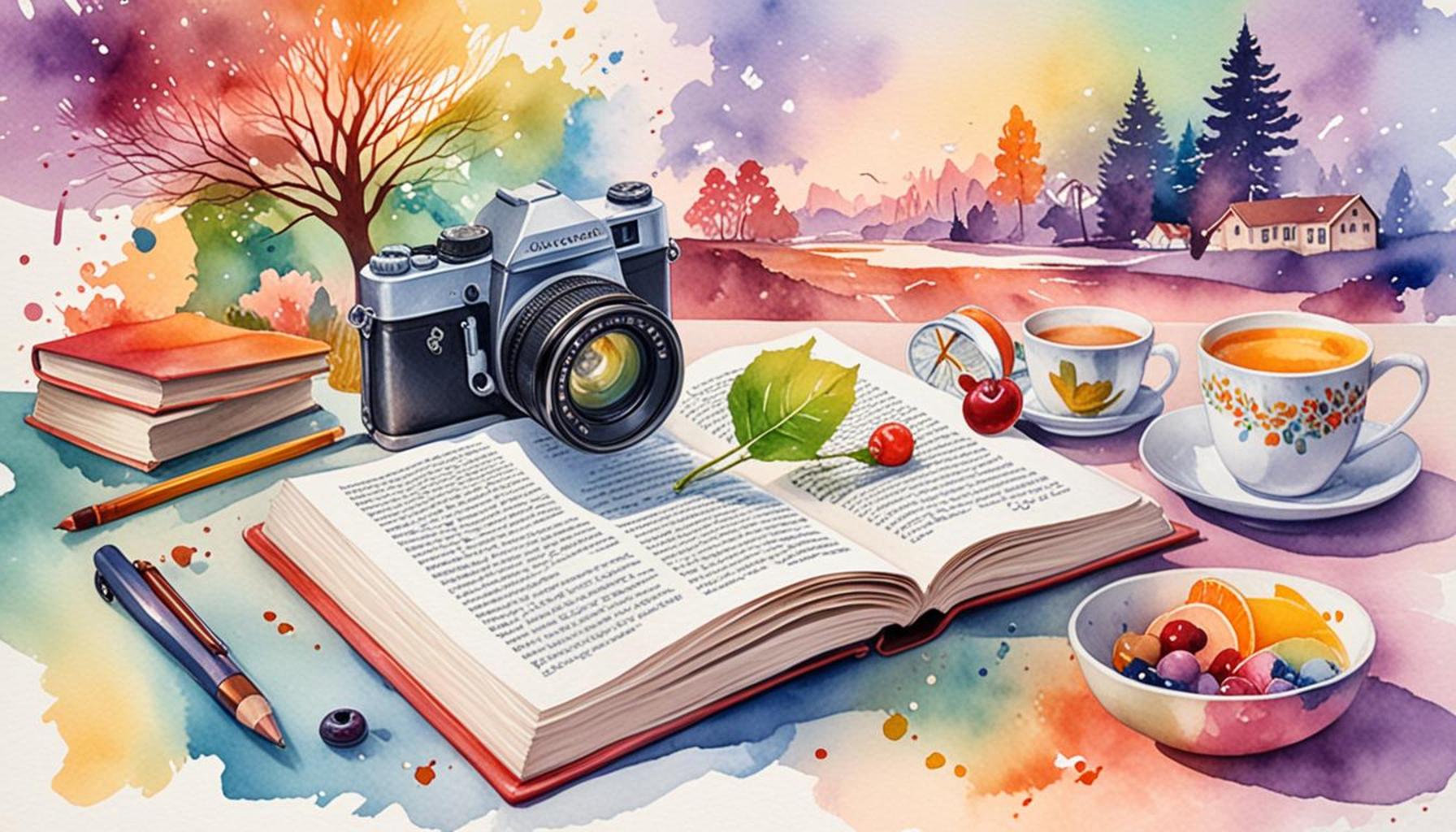
The marriage of photography and literature creates a powerful medium that transcends traditional storytelling. Each discipline brings its unique strengths, enriching the narrative landscape. Together, they invite audiences to explore stories in a multidimensional way, fostering a deeper connection with the themes and emotions presented.
Consider the following aspects where photography and literature intersect:
- Visual Storytelling: Photographs capture moments that words can evoke. A single image can express emotion, context, and atmosphere in ways that complement a written narrative. For instance, a photograph of a child’s joyful laughter can elevate a written account of a family gathering into an evocative portrayal of happiness, transforming mere words into a vivid experience.
- Illustrated Narratives: Photobooks often integrate text and images to provide a richer experience, bridging gaps between visual art and literature. A compelling example is the works of celebrated photographer Sebastião Salgado, whose books often feature essays accompanying his breathtaking images of humanity and nature, creating a strong emotional resonance that enhances both the visual and written components.
- Impact of Imagery: Authors and photographers alike wield the power of imagery to provoke thought and elicit emotional responses, allowing deeper engagement with their audiences. In contemporary literature, writers like Ocean Vuong or Claudia Rankine utilize imagery with profound depth. Their poignant use of language, when paired with striking photographs, creates a tapestry of meaning that prompts readers to reflect on identity, culture, and social issues.
This intersection of art also raises important questions about perception and interpretation. How do words shape our understanding of an image? Research indicates that captions can significantly influence how an audience interprets a photograph, showcasing the interplay of text and visuals. Conversely, how do images alter the meaning of the text? A stark black-and-white photograph can imbue a light-hearted story with an unexpected gravity, prompting readers to reassess their prior interpretations.
In this exploration, we delve into the ways these two forms of expression enhance storytelling. From classic literary works paired with striking photography to contemporary projects that fuse both art forms, the possibilities are limitless. Consider photography-themed anthologies that gather essays alongside American landscapes or urban settings—this not only enriches the reading experience but also sheds light on the broader cultural narratives that bind us together.
Join us as we uncover the depths of storytelling at the junction of photography and literature, inspiring a fresh perspective on how we consume and relate to narratives. By exploring this convergence, readers can unearth new dimensions of understanding and develop a more discerning eye to the stories that images and words tell together.
DISCOVER MORE: Click here to dive deeper
Exploring Visual Narratives
At the heart of the intersection between photography and literature lies the idea of visual narratives. Both forms of art strive to tell stories, but they do so through distinct yet complementary methods. Within this duality, we find a rich landscape that challenges us to reevaluate how we interpret and engage with the world around us. Photography freezes moments in time, often capturing the essence of a fleeting encounter or emotion, while literature allows for a deep exploration of thought and context. Together, they form a synergy that enhances our storytelling experience.
One of the most significant aspects of this synergy is how each medium can enhance the other. When a photograph accompanies a narrative, it can serve as a catalyst for the imagination, prompting readers to visualize beyond the written word. For example, consider the stark realities portrayed in street photography. An image of a busy urban scene can juxtapose the isolating experiences described in a poem, compelling readers to navigate through the multitude of emotions evoked by both the photograph and the text. This layering of meanings invites deeper interpretation and engagement.
Further exploration of the collaboration between these two forms reveals various categories in which photography and literature intersect:
- Photo Essays: These works combine photographic imagery with written commentary to explore specific themes or social issues. Renowned photojournalists often produce compelling photo essays that document events or societal conditions, marrying stark images with evocative narratives. These projects can serve as powerful calls to action, inspiring readers to reflect on critical topics such as civil rights, environmental concerns, or cultural narratives.
- Literary Photography: Many photographers seek to encapsulate literary themes through their work. This practice invites photographers to approach their subjects with a storyteller’s lens, crafting images that resonate with the emotions and themes found in literature. A compelling instance is the work of Dorothea Lange during the Great Depression, whose iconic images capture human resilience and struggle, echoing the literary narratives of the time.
- Collaborative Works: Contemporary projects often see authors and photographers joining forces to create compelling books that are half text, half image. A profound example is the collection “Aperture: The Photographer’s Idea,” which features striking photography alongside essays by noted authors, exploring the narrative power of images. These collaborations illustrate that text and imagery can coexist harmoniously, inviting readers to glean insights from both perspectives.
The relationship between photography and literature is not merely about looking at pictures and reading words; it is about creating a dialogue that invites us to consider perspectives we may not have encountered otherwise. The combination of these two art forms allows for storytelling that is multifaceted, creating layers of understanding that deepen our appreciation for both visual and written narratives.
As we venture further into the convergence of photography and literature, we will uncover how culture, history, and personal experiences enrich these narratives, inspiring an ongoing conversation that transcends boundaries and unites us through shared stories.
The Essence of Visual Narratives
The fusion of photography and literature enriches the way we communicate and interpret stories. Through imagery, photographers can capture fleeting moments that evoke emotions, whereas writers possess the power to delve into the nuanced thoughts, giving context and depth to these visuals. This synergy allows for a multi-dimensional storytelling experience, appealing to a broader audience. For instance, the works of famous photographers like Ansel Adams, paired with literary giants such as John Steinbeck, demonstrate how photographs can breathe life into prose, creating a dialogue between image and text.In this vibrant collation of mediums, visual storytelling emerges. Photography offers an immediate impact, seizing the viewer’s attention in an instant. It can convey a message that transcends language barriers, while literature provides the subtlety needed to articulate complex ideas. Writers and photographers challenge each other to capture lifestyle, emotions, and social issues in a manner that is both thoughtful and provocative.As digital platforms continue to evolve, innovative formats like photo essays and visual storytelling blogs are gaining popularity. These mediums seamlessly blend compelling images with evocative narratives, thus inviting readers to explore themes and ideas through a more immersive lens. Such approaches amplify the significance of social issues, allowing creators to promote and advocate for causes that resonate deeply with audiences.Through well-curated photo collections accompanied by poignant narratives, artists can transform personal experiences into universal themes, encouraging introspection and empathy. This not only fosters dialogue but also enhances community connections, as viewers relate to the narratives presented. The exploration of this intersection continues to offer avenues for creativity and builds bridges between disparate worlds—a bridge that holds immense potential in the quest for understanding in a rapidly evolving society.
| Category 1 | Category 2 |
|---|---|
| Expression of Human Emotion | Both mediums explore and convey the complexities of human feelings. |
| Cultural Commentary | This intersection allows for a deeper reflection on societal issues and cultural contexts. |
DISCOVER MORE: Click here to dive deeper
The Power of Context in Visual Storytelling
As we delve deeper into the intersection of photography and literature, it’s essential to consider the role of context in shaping narratives. Both disciplines thrive on the cultural, historical, and personal elements that color their respective stories. This interplay amplifies the impact of the work, transforming isolated images and words into a rich tapestry that speaks volumes about the human experience.
One compelling aspect is the way a photograph can evoke a specific cultural resonance, serving as a visual anchor for the narrative it accompanies. For instance, consider the work of contemporary photographer Annie Leibovitz, whose iconic portraits have captured many members of American cultural history—from rock legends to literary giants. In projects like “Women,” Leibovitz combines polished visuals with the written testimonials of the subjects, allowing readers to engage deeply with the complexities of identity and personal journey. Through this fusion, the images and words create an enriching dialogue that reveals the nuanced stories behind public personas.
Moreover, historical moments depicted through photography can evoke powerful literary responses. War photography, for instance, serves as a stark reminder of humanity’s darkest experiences. Images captured during conflicts, such as those taken by Robert Capa during World War II, can elicit emotional narratives that resonate with readers long after the dust has settled. These photographs often inspire poets and writers to reflect on the themes of loss, courage, and resilience, further demonstrating how a single moment captured in an image can fuel extensive literary exploration.
Through various forms, the interplay between these two art forms unfolds. Here are a few notable examples demonstrating the impact of context in visual storytelling:
- Literary Installations: Many contemporary artists create immersive installations combining literature and photography. Projects like “The American Dream” by Michael O’Brien feature large-scale photographs paired with the writings of authors like Zora Neale Hurston and Ralph Ellison, effectively transporting viewers into the narratives and contexts of American history. Such installations encourage reflection on socio-political conditions, fostering a nuanced understanding of the subjects portrayed.
- Historical Biography: Combining photography with biography has become a popular approach in literature. Works like “Herself: Images of Contemporary Women” by Jennifer B. T. Wiggins weave together stunning photographs with historical accounts and literary explorations that highlight the experiences of women throughout time. These books transform the way readers perceive history, revealing personal stories that might otherwise remain invisible.
- Photographic Fiction: Photographers, such as Sophie Calle, often mingle text with images, blurring the line between fiction and reality. Calle’s projects, like “The Address Book,” combine striking images with a narrative that explores themes of identity and memory. The outcome is an intricate web of stories, allowing the audience to engage with the content on multiple levels, effectively illustrating the intersection of thought and imagery.
The richness of storytelling at the convergence of photography and literature lies in its ability to transcend time and place, offering us the opportunity to glean insights from both visual and textual narratives. As we continue to explore this vibrant intersection, it becomes clear that the synergy between images and words enables us to understand the complexities of our world in ways that are profoundly impactful.
DON’T MISS OUT: Click here to discover how cultural activities can enhance your creativity
Conclusion
In exploring the intersection of photography and literature, we’ve uncovered a dynamic realm where visual and textual narratives converge to enrich storytelling. This synergy not only illuminates the perspectives of individuals and communities but also resurrects historical and cultural contexts that might otherwise slip into obscurity. The ability of a photograph to evoke emotions and provoke thoughts amplifies the written word, crafting an intricate dialogue that invites deeper engagement.
As seen through the works of influential artists like Annie Leibovitz and projects such as Michael O’Brien’s “The American Dream,” we note the profound ability of combined mediums to stimulate reflection on identity, heritage, and societal issues. The relationship between photography and literary art becomes a powerful tool for education and empathy, encouraging viewers and readers alike to confront the realities of the human condition.
The evolving landscape of visual storytelling invites us to consider new paradigms, where traditional boundaries are blurred, and creativity flourishes. As we forge ahead in this digital age, innovative practices like photographic fiction and immersive literary installations will continue to redefine how narratives are conveyed. Ultimately, understanding the interplay of images and words not only enriches our appreciation for the arts but also connects us with the broader tapestry of shared experiences. In this ever-evolving dialogue, we find a compelling invitation to explore, connect, and reflect on the stories that shape our world.
Related posts:
The Art of Origami as Creative Meditation: Folding Paper and Emotions into Shapes
The Role of the Garden as a Space for Creation: Cultivating Ideas and Emotions through Gardening
Creative Cuisine: How the Kitchen Becomes a Space for Innovation and Self-Expression
Imaginative Expressions: The Impact of Creative Writing on Mental Health and Well-Being
The Art of Visual Storytelling How Illustration Boosts Creativity
Theatrical Performance as a Form of Liberation: How the Actor Transforms Emotions into Art
Linda Carter is a writer and creative hobbies expert specializing in crafting, DIY projects, and artistic exploration. With extensive experience helping individuals discover their creative potential and bring their ideas to life, Linda shares her knowledge on our platform. Her goal is to empower readers with practical tips, inspiring ideas, and step-by-step strategies for success in the world of creative hobbies.