The Intersection of Art and Nature: How Outdoor Artistic Exploration Inspires Creativity
Unleashing Creativity in the Great Outdoors
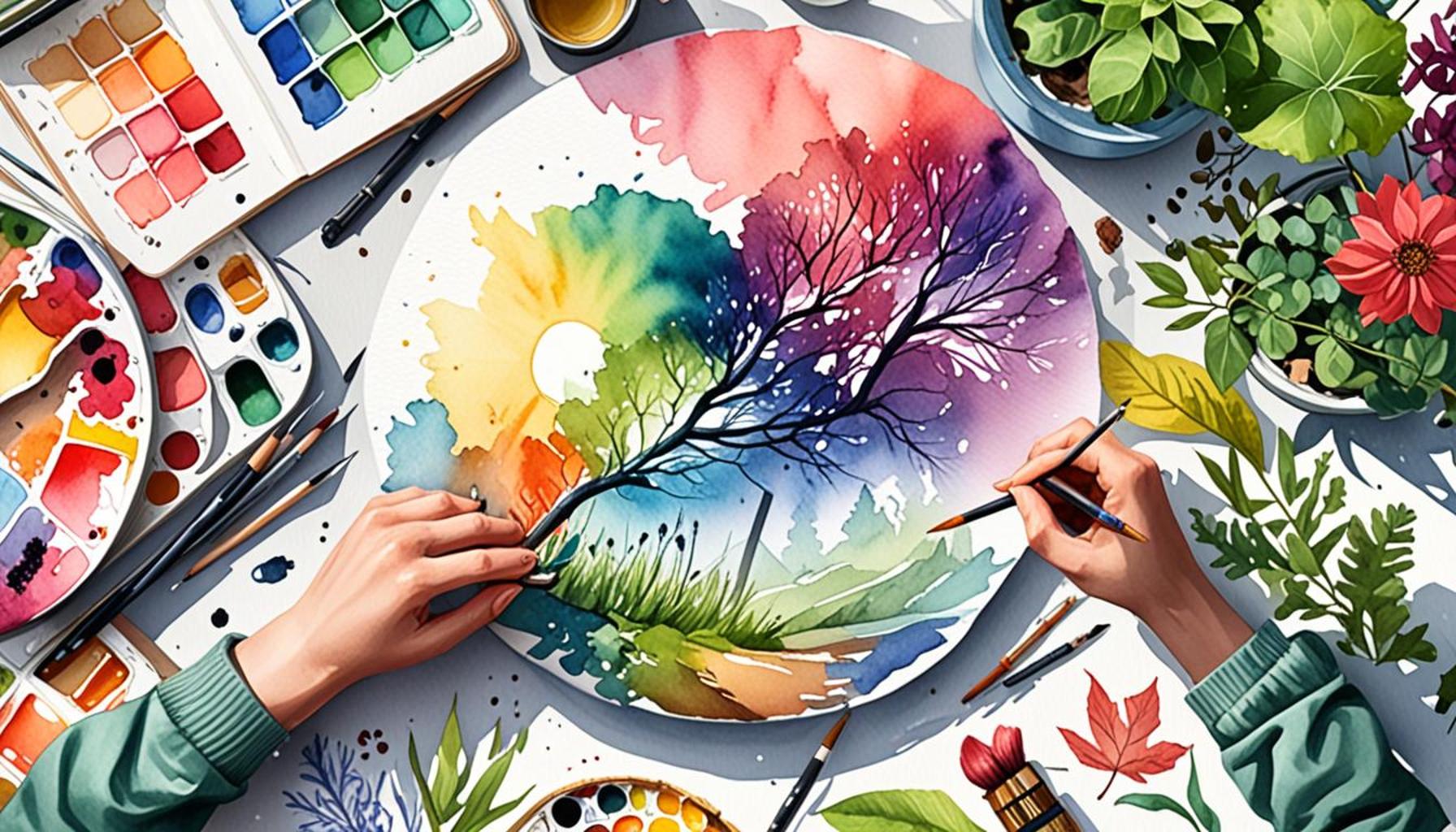
Art and nature have long been intertwined, creating a dynamic relationship that sparks creativity and inspiration. As artists venture outside their studios, they discover a wealth of ideas and forms that challenge their imagination and elevate their work. This exploration into the great outdoors reveals how the beauty of the natural world can transform artistic expression, leading to new dimensions in art creation.
- Natural Landscapes: From sun-drenched meadows to rugged mountain ranges, the scenery offers diverse sources of inspiration. For instance, the vibrant hues of the fall foliage in New England or the serene blue waters of Lake Tahoe can ignite an artist’s vision. Artists like Georgia O’Keeffe drew upon the vast landscapes of New Mexico, translating the essence of the desert into stunning visual art that resonates with viewers.
- Color Palettes: Nature presents a myriad of colors that can influence an artist’s choice of hues and tones. The rich emerald greens of a forest or the golden browns of autumn leaves provide artists with an organic color palette that can breathe life into their work. These natural colors often evoke emotional responses, guiding the audience’s interpretation and connection to the piece.
- Textural Elements: Observing different surfaces, like tree bark or flowing water, can lead to experimental techniques in art. For example, the rough texture of a rock can inspire artists to explore different brush strokes or palette knife techniques that mimic nature’s irregularities, resulting in visually arresting works that capture the viewer’s attention.
Participation in outdoor artistic endeavors fosters not only personal growth but also a communal experience among creators. Artists often find themselves exchanging ideas and techniques in settings like parks or galleries set in nature, enriching their creative journeys. This collaborative atmosphere invites diverse perspectives, encouraging artists to push the boundaries of their craft.
Significantly, the synergy of art and the environment heightens awareness of environmental issues, prompting artists to reflect their societal concerns through their work. For example, many contemporary artists, such as Andy Goldsworthy, utilize natural materials in their installations to comment on environmental fragility. Through their art, these creators instill a sense of urgency about conservation and sustainability in the viewers.
With growing movements that encourage outdoor artistic exploration, such as land art and plein air painting, opportunities to engage with the landscape are more accessible than ever. Artists can participate in events like the Plein Air Convention or even local art festivals that promote outdoor creation. This intersection of creativity and inspiration can ignite a deeper appreciation for the natural world, encouraging individuals to engage with their surroundings and transform fleeting moments into lasting masterpieces.
In conclusion, the great outdoors remains an unparalleled wellspring of creativity. By embracing the vibrant landscapes, diverse color palettes, and unique textures of nature, artists can unlock new levels of inspiration that not only enhance their work but also foster a greater communal and ecological awareness. Thus, the outdoor environment is not just a backdrop for art but a vital co-creator in the artistic journey.
DISCOVER MORE: Click here to dive deeper into artistic innovation
Nature as the Ultimate Muse
The influence of nature on artistic expression cannot be overstated. Artists frequently find themselves captivated by the magnificence of the outdoors, leading them to explore various settings to find inspiration. Nature serves as an endless source of creativity, offering not only aesthetic beauty but also profound themes to portray through art. The sights, sounds, and smells of the natural world can awaken a dormant creative spirit, driving artists to engage with their surroundings in innovative ways.
One pivotal aspect of outdoor artistic exploration is the *contrast of natural light*. Unlike studio environments where artificial lighting can distort perception, natural sunlight enhances the vibrancy of colors and textures found in the wild. For painters and photographers, this shift in illumination can dramatically alter the mood and tone of their work. Artists like Claude Monet honed their skills by painting *en plein air*, capturing the fleeting moments of sunlight and its effects on the landscape. The sensory experiences of the outdoors lead to greater depth and authenticity in their creations.
Emotional Resonance Through Natural Landscapes
The immersion in natural landscapes not only promotes technical skill but also stirs emotional connections to the subject matter. Artists benefit from an emotional reservoir that these environments evoke, ranging from tranquility at a serene lake to the raw power of a thunderous waterfall. This emotional engagement enriches their work, often inviting the audience to share in that experience. Nature serves as a silent partner, providing both solace and inspiration during the creative process.
- Impressionism: This movement embraced the urgency of capturing the fleeting essence of light and atmosphere outdoors. Artists like *Monet* and *Renoir* relied heavily on the natural world to portray their visions, emphasizing the beauty found in everyday scenes.
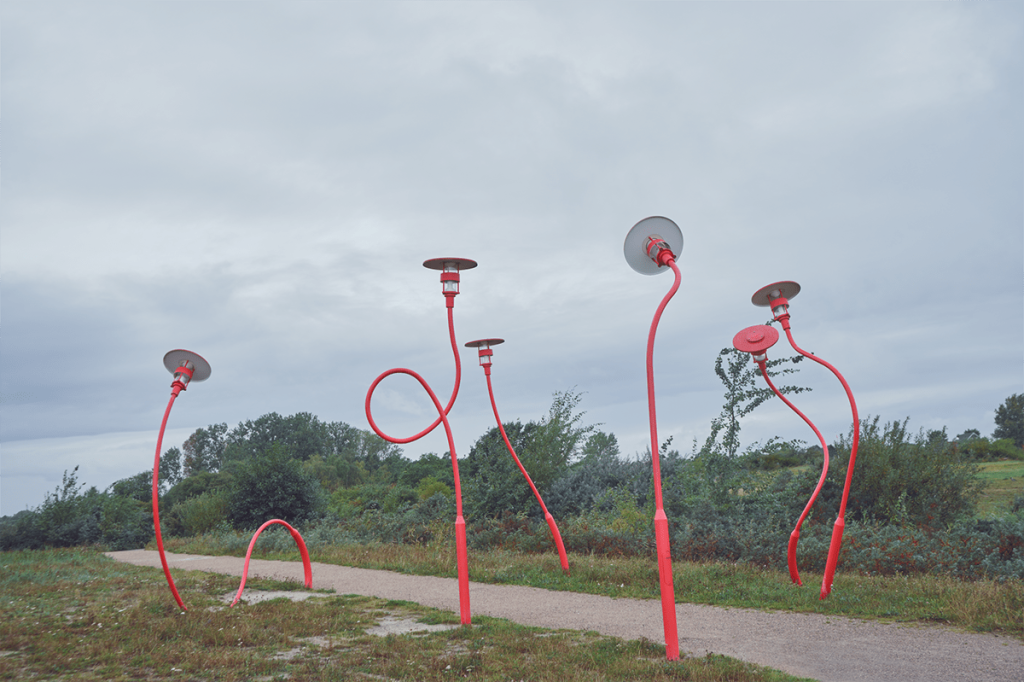
- Land Art: Contemporary artists, such as *Robert Smithson* and *Nancy Holt*, utilize the landscape itself, integrating their installations with the environment. Their works, often ephemeral, highlight nature’s transitory state while encouraging viewers to rethink their relationship with the landscape.
- Ecological Awareness: Nature-focused artists often address pressing environmental issues within their work. Through artistic explorations, they can bring attention to climate change, habitat destruction, and pollution, inspiring viewers to take notice and act.
Furthermore, the pursuit of outdoor creativity fosters a unique communal experience. Artists often gather at various locations to draw inspiration from the environment collaboratively, leading to a rich exchange of ideas and techniques. This interaction not only enhances individual practices but also creates a shared narrative about the intersection of art and nature. Workshops and art retreats set in idyllic locations, such as the *Adirondack Mountains* or along the *Pacific Coast Highway*, become sanctuaries for artistic exploration, where participants encourage each other in their creative endeavors.
As appreciation for the intersection of art and nature continues to grow, so does the opportunity for artists to engage with their landscapes in meaningful ways. By stepping outside the confines of traditional studios and venturing into the untamed beauty of the environment, artists breathe new life into their work while embracing the lessons that nature has to offer.
| Category | Description |
|---|---|
| Connection with Nature | Engaging with the natural environment enhances sensory experiences, promoting emotional well-being. |
| Creative Expression | Outdoor artistic exploration encourages personal interpretation, allowing artists to express ideas uniquely influenced by their surroundings. |
Exploring the junction of art and nature reveals transformative benefits that serve as a wellspring of inspiration. Artists who immerse themselves in outdoor settings not only create visually stunning pieces but also cultivate a profound connection with their environment. This connection can lead to heightened awareness and sensitivity, enriching their artistic process.Furthermore, engaging with nature prompts a dramatic shift in creative expression. Artists often find that the ever-changing landscapes serve as a catalyst for innovation, enabling them to discover new techniques and ideas. This dynamic relationship allows practitioners to merge abstract concepts with the beauty of the natural world, fostering a synthesis that captivates viewers. From sculpting with found materials to painting en plein air, the influence of the outdoors ignites a spark that propels the artistic journey forward, urging creators to delve deeper and explore uncharted territories.
DIVE DEEPER: Click here to discover the power of visual storytelling
Communal Artistry and Nature’s Influence
Beyond individual exploration, the outdoor artistic experience cultivates a vibrant community of like-minded creators who gather to share ideas and foster collaboration. Events like *plein air festivals* and artist retreats across the United States, such as the *Cape Cod Plein Air Festival* or the *Santa Fe Artists Market*, provide platforms for artists to connect with one another and nature simultaneously. These gatherings allow participants to immerse themselves in breathtaking landscapes while exchanging techniques and perspectives, enriching the creative process.
The social aspect of outdoor artistry can heighten creative output. Engaging with fellow artists amplifies inspiration, as the energy of collaborative environments spurs innovation. Group discussions often lead to new interpretations of natural elements, encouraging artists to view their surroundings from different angles. The synergy created in such settings nurtures artistic growth and a deeper understanding of how art can reflect the natural world.
Artistic Experience as Environmental Advocacy
As artists continue to explore the intersection of art and nature, many are increasingly aware of the need to address ecological concerns through their work. The natural world influences not only their subjects but also informs their messages. Artists use their medium as a powerful tool for environmental advocacy, drawing attention to issues such as climate change, habitat destruction, and the importance of conservation. For example, environmental artists like *Andy Goldsworthy* create ephemeral works that provoke thought regarding nature’s fragility, while also celebrating its beauty.
Moreover, exhibiting nature-inspired artwork in public spaces can raise awareness about environmental issues at a grassroots level. By integrating art into settings like parks and urban areas, artists invite communities to engage with their surroundings, prompting reflection on the relationships between humanity, art, and nature.
- Eco-Art Movements: Numerous movements, such as *Green Art*, have emerged, emphasizing sustainability and the use of recycled materials for artistic purposes. Artists create work that encapsulates environmental themes through innovative methods, including installations that utilize natural elements to reflect ecological interactions.
- Participatory Art Projects: Collaborative projects often draw community members into the creative process, fostering a sense of stewardship towards local environments. Initiatives like the *Salmon Park Project* in Seattle invite residents to contribute to art that elucidates local ecological issues, blending community engagement with artistry.
- Educational Outreach: Artists frequently partner with schools and nonprofits to educate young people about the importance of nature through hands-on art experiences. Crafting art in outdoor settings not only enhances creativity but also fosters a caring attitude towards the environment from an early age.
In this way, outdoor artistic exploration serves as a catalyst for both personal and collective creativity, encouraging a deeper bond with our environment. Artists continue to be inspired by the awe-inspiring landscapes around them, while simultaneously advocating for the preservation of the natural world. The connection between art and nature is an evolving dialogue, one that reflects societal values and aspirations and invokes a sense of responsibility towards future generations.
DISCOVER MORE: Click here to transform everyday items into stunning art
Embracing the Harmony of Creativity and Nature
In conclusion, the intersection of art and nature forms a rich tapestry of inspiration that elevates both personal creativity and communal artistry. Outdoor artistic exploration not only allows artists to draw upon the unparalleled beauty of their surroundings but also fosters a deep sense of connection with the environment. As artists immerse themselves in nature, they engage in a transformative experience that informs their work and encourages innovative expression.
Furthermore, the communal aspect of outdoor artistry creates a fertile ground for collaboration, innovation, and shared learning. The vibrancy of events such as plein air festivals and artist retreats exemplifies how creative minds gather to inspire one another, pushing boundaries and reinterpreting the world through their unique lenses. In these collaborative spaces, the synergy between artists enhances the creative process and deepens their appreciation of ecological themes.
However, this relationship between art and nature carries an important responsibility. Educating communities about environmental issues through art not only amplifies awareness but also empowers individuals to engage in conservation efforts. Through eco-art movements and participatory projects, artists bridge the gap between artistic expression and environmental advocacy, revealing the urgent need for stewardship of our planet.
Ultimately, the dialogue between art and nature continues to evolve, inviting us all to participate in this essential narrative. As we explore further into this intersection, we discover that creativity nurtured by the natural world has the potential to inspire profound changes and evoke a sense of collective responsibility for the future of our environment. By appreciating and celebrating this bond, we pave a path toward a more harmonious existence that honors both creativity and the Earth.
Related posts:
The Art of the Everyday: Finding Beauty and Creativity in Common Objects
The Art of Dream: Exploring Creativity through Imagination and the Unconscious
The Redefinition of Beauty: Artistic Movements that Challenge Traditional Aesthetic Standards
Art as a Tool for Protest: Expressing Ideas and Causes Through Creativity
Explore Art Innovatively Blend Traditional Digital Techniques
The Influence of Life Experiences on Artistic Production: Personal Narratives and Creation
Linda Carter is a writer and creative hobbies expert specializing in crafting, DIY projects, and artistic exploration. With extensive experience helping individuals discover their creative potential and bring their ideas to life, Linda shares her knowledge on our platform. Her goal is to empower readers with practical tips, inspiring ideas, and step-by-step strategies for success in the world of creative hobbies.