The Influence of Urban Spaces on Artistic Creation: How the Environment Shapes Creativity
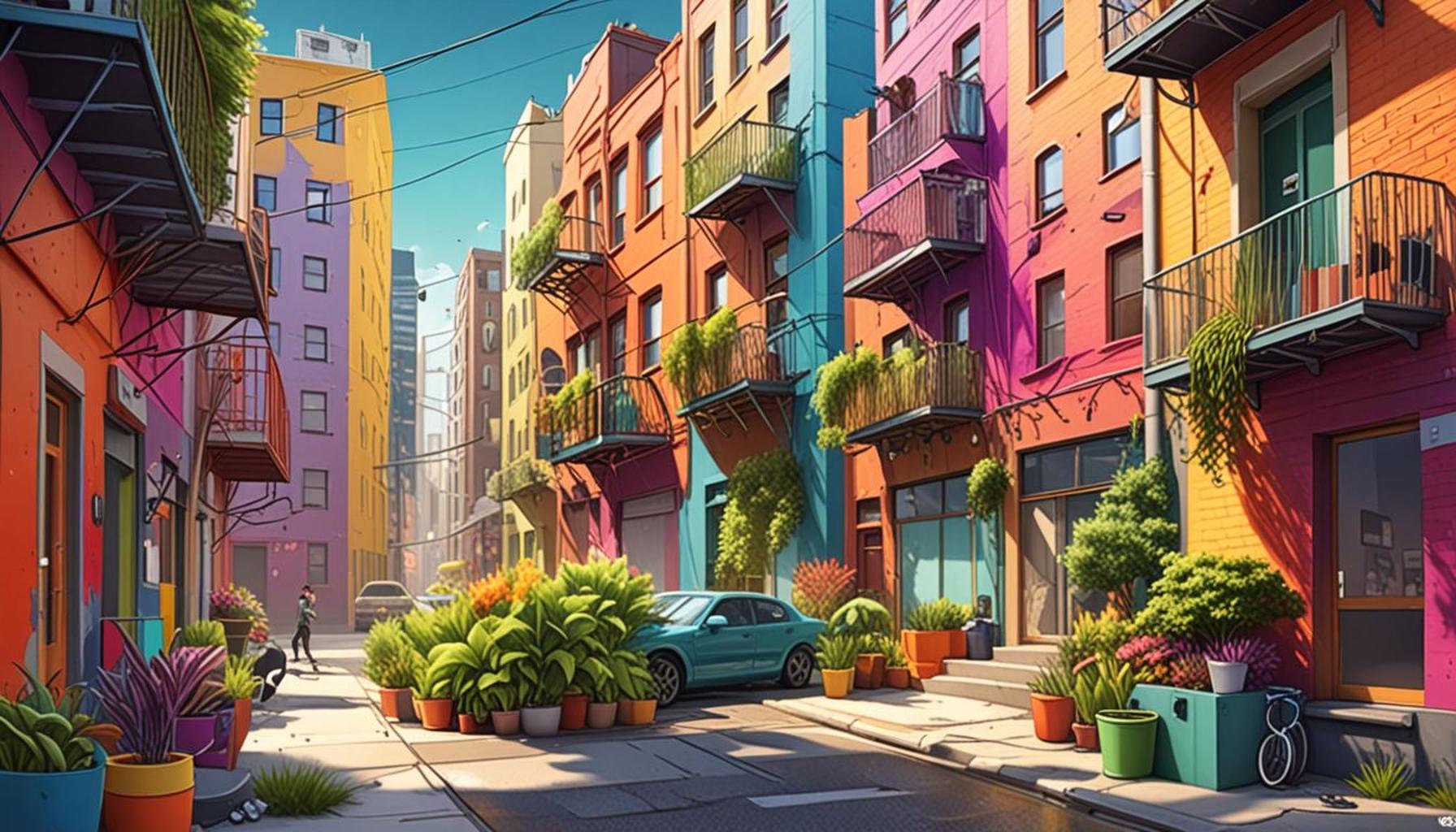
The Multi-Faceted Influence of Urban Spaces on Artistic Expression
Urban environments are much more than just geographical locations; they are dynamic ecosystems that profoundly shape artistic creativity. With their amalgamation of cultures, striking architecture, and vibrant community interactions, cities serve as both a backdrop and a key player in the artistic narrative of our time. The interplay between the urban landscape and creative output reveals myriad layers of inspiration, inviting deeper exploration of how these factors converge in the arts.
Diverse Cultures
One of the most compelling aspects of urban environments is their diversity. Cities such as New York and Los Angeles are renowned for being melting pots where different cultures, traditions, and lifestyles converge. This cultural richness fuels creativity by providing artists with a myriad of influences and perspectives. For instance, the vibrant neighborhoods of Queens often inspire filmmakers and musicians alike, who capture the essence of multicultural life in their works. The annual New York City International Music Festival showcases the contributions of international artists, highlighting the city’s role as a cultural hub that encourages cross-pollination of ideas.
Architectural Wonders
The architectural landscape of a city also plays a crucial role in shaping artistic expression. Iconic landmarks like the Golden Gate Bridge in San Francisco and the Empire State Building in New York City serve as more than just tourist attractions; they become integral subjects in paintings, photographs, and even music. The unique blend of modern skyscrapers and historical buildings sparks inspiration, as artists often explore themes of change and continuity through their interpretations of these structures. A prime example is the work of photographer Andreas Gursky, whose large-scale images of urban landscapes challenge viewers to consider their relationship with architectural space.
Community Interaction
The communal aspect of urban life fosters interaction and collaboration among artists, which can propel new artistic movements. Public spaces such as parks and plazas are often transformed into venues for artistic expression, enabling collaborations that might not occur in more isolated settings. Events like First Fridays in Philadelphia encourage local artists to showcase their work, while also challenging audience perceptions and encouraging dialogue about current societal issues. Such interactions not only inspire artists but also build communities around shared creative experiences.
The relationship between urban environments and creativity also involves nuanced challenges. For example, factors like gentrification can result in displacement of artists and cultural communities, influencing the narrative of urban art. Public art initiatives may seek to reclaim spaces, representing both the struggles and resilience of communities. On the other hand, urban decay can provide a raw, unpolished backdrop for creativity, prompting artists to explore themes of struggle, resilience, and transformation, as seen in the work of street artists like Banksy.
In summary, the rapport between urban landscapes and creative expression is a complex and evolving dialog. By examining the roles of diverse cultures, bold architecture, and community dynamics, one can appreciate how cities cultivate a fertile ground for innovation across a spectrum of art forms. As this conversation continues to unfold, it becomes essential to consider how contemporary issues, such as gentrification and urban revitalization, will shape the artistic narratives of future generations.
DISCOVER MORE: Click here to learn about sustainable crafting materials
The Dynamic Interplay of Urban Life and Artistic Innovation
Urban spaces act as catalysts for artistic creation, offering an almost limitless array of inspirations that provoke thought and spark innovation. As we delve deeper into this relationship, it becomes clear that artists do not just draw from the environment; they actively engage with it, responding to its rhythms, challenges, and narratives. The vibrancy of urban life is palpably felt in these creative expressions, revealing how a city’s atmosphere can shape not only the content of art but also the very process of creation itself.
Vibrant Public Spaces
Public locations are the veins of any bustling city, serving as arenas for spontaneous artistic expressions. Areas like Central Park in New York or the Fisherman’s Wharf in San Francisco become alive not just with the hustle of everyday life, but also with the pulsating energy of street performers, muralists, and pop-up galleries. These spaces enable artists to interact directly with their audience, creating a symbiotic relationship where inspiration flows in both directions.
Some prominent examples include:
- Street Artists: Artists like Shepard Fairey, known for the iconic “Hope” poster, transform urban landscapes into canvases, using graffiti and street art to comment on social issues and engage communities.
- Musicians: Jazz artists often set up impromptu performances in subway stations or street corners, bringing the essence of urban life into their melodies while also drawing inspiration from the eclectic mix of passersby.
- Theater in the Park: Events such as Shakespeare in the Park offer not just entertainment, but also a commentary on societal values as urban audiences engage with classic works through a modern lens.
Urban Rhythms and Sounds
The urban soundscape also exerts a significant influence on artistic creation. The cacophony of city life—the honking of cars, chattering crowds, and rhythmic construction murmurs—shapes the auditory experiences of artists, influencing not only musicians but also poets and visual artists. Hip-hop, for instance, emerged from the rhythmic pulse of the streets, borrowing beats from local DJs and melding them into compelling narratives that address urban struggles and triumphs.
Moreover, sound installations in urban environments challenge the conventional notions of music. Artists such as Janet Cardiff have created audio walk experiences that guide listeners through urban landscapes, allowing them to engage with the city in a uniquely immersive way. The environment becomes a character in their narrative, illustrating the profound connection between sound, space, and artistic creation.
The Challenge of Urban Change
While the vibrancy of urban spaces fosters creativity, the ever-evolving nature of cities presents challenges to artists. The phenomenon of gentrification often leads to significant cultural shifts, changing the very landscapes from which artists draw their inspiration. As neighborhoods transform, artists must navigate the delicate balance between the rich heritage that defines them and the commercial pressures that threaten their existence. This tension is vividly captured through the lens of public art initiatives, which can either serve as vehicles for reclamation or as markers of the very changes that displace communities.
Ultimately, the connection between urban spaces and artistic creation is a multifaceted dialogue that continues to evolve. By understanding the nuances of public spaces, soundscapes, and the challenges of urban change, one can appreciate the depth and complexity of how environments shape artistic creativity across diverse forms of expression. This relationship raises essential questions about how artists can adapt, thrive, and contribute to the narrative of cities in flux, paving the way for future generations of creators.
| Cultural Context | Artistic Inspiration |
|---|---|
| Diversity of Experiences | Colors, Sounds, and Textures |
| Community Engagement | Interactions with Local Art |
Urban environments are vibrant crucibles of creativity, teeming with a diversity of experiences that profoundly influence artistic minds. The heritage, architecture, and social fabric of a city offer a rich tapestry from which artists draw inspiration. The constant ebb and flow of cultures enrich not only the artistic landscape but also challenge creators to respond to the evolving dynamics of society. This engagement with diverse narratives pushes artists to explore complex themes like identity and community, fostering a deeper connection with their audience.Moreover, the urban setting is replete with colors, sounds, and textures that invigorate the creative process. These sensory experiences can become integral to an artist’s work, shaping not just the aesthetic choices they make but also the emotions they express. In this way, the surrounding environment becomes an active participant in the creation of art. The vibrant street art, for instance, serves as a canvas for political discourse and personal expression, highlighting how urban landscapes can foster critical dialogues through artistic avenues.As the landscape transforms, so too does the relationship between the artist and the city, underscoring the symbiotic nature of urban spaces and artistic creation. Artists are not merely inhabitants of these environments but rather participants in a continuous conversation about the nature of creativity itself.
DISCOVER MORE: Click here to dive deeper
Community Engagement and Collaborative Spaces
Urban environments are not merely backdrops for artistic expression; they actively encourage community engagement and collaboration that further fuel innovation and creativity. Co-working spaces, artist collectives, and community art projects bridge gaps between various artistic disciplines and foster a collective spirit that can redefine individual artistry. In cities like Philadelphia and Chicago, creative hubs have emerged, offering resources and support as artists share tools and concepts, thus enriching the artistic ecosystem. These collaborative environments invite artists to immerse themselves in a dialogue, where diverse voices converge, creating a richer tapestry of creativity.
Art Incubators and Residencies
Art incubators and residency programs strategically placed in urban centers offer artists vital opportunities for growth and experimentation. These programs often provide the time, space, and financial support artists need to produce new work outside of commercial pressures. For example, the Skowhegan School of Painting and Sculpture in Maine provides a unique environment for artists to innovate within the collaborative framework of intensive artist-to-artist interaction. Such initiatives help nurture creativity by allowing artists to step away from day-to-day distractions and explore new ideas while drawing inspiration from their urban surroundings.
Furthermore, famed residencies such as the Harlem Studio Fellowship not only focus on artistic output but also emphasize community engagement, inviting artists to work within the neighborhoods they occupy. This kind of immersive experience allows artists to forge personal connections with the community and draw from local histories, cultures, and social issues, thereby enhancing their creative work.
The Intersection of Technology and Urban Art
The rapidly evolving technological landscape, combined with urban life, has revolutionized artistic creation. Digital art and multimedia installations often transform public spaces, making art more accessible and interactive than ever before. Artists like Refik Anadol leverage artificial intelligence and data visualization to create mesmerizing urban projections that redefine the way we perceive city landscapes. As urban environments become increasingly integrated with technology, creators can manipulate their surroundings to depict immersive experiences that challenge conventional boundaries of art and space.
Moreover, social media platforms play a significant role in how urban artists share their work and reach broader audiences. The Instagram generation has precipitated a shift toward visual storytelling, where art is showcased and disseminated in real time. Artists can invite feedback and collaboration from their followers, turning city life into a continuously evolving canvas. This digital space features crucial conversations about the urban experience, often highlighting stories of resilience, diversity, and adaptation.
Climate and Urban Landscapes
Environmental factors also shape artistic creation, where the physical landscape influences both the artistic process and the subjects artists choose to explore. Artists often respond to climate change, urban sprawl, and ecological degradation, redirecting their creativity to address these pressing issues. Projects such as Storm King Art Center in New York, which incorporates nature-based installations, encourage artists to interact with the landscape itself, pushing the boundaries of how art can impact the perception of our changing environments.
In such contexts, artistic creation becomes a powerful tool for advocacy. Artists have the unique ability to present environmental narratives visually, inspiring action and awareness in urban settings. Their work can raise questions about sustainability, conservation, and the intertwined fates of people and their environments.
By examining community engagement, technological integration, and environmental influence, we unveil the myriad ways urban spaces nurture artistic creativity. The creative landscape of cities continually evolves, embodying a dialogue that resonates through the work produced, ultimately enriching both artistic and community lives.
DISCOVER MORE: Click here to dive into the art of visual storytelling
Conclusion
As we traverse the intricate relationship between urban spaces and artistic creation, it becomes evident that the environment in which artists find themselves plays a pivotal role in shaping their creative outputs. Urban landscapes, with their unique blend of culture, technology, and community, act as dynamic catalysts that spark innovation and redefine artistry. Collaboration and community engagement foster a spirit of collective creativity, while art incubators and residency programs provide essential support for artists seeking to explore new horizons without commercial constraints.
Moreover, the integration of technology in urban art transforms how we experience and interact with art in public spaces, encouraging new forms of expression and greater accessibility. This digital dimension has revolutionized creative storytelling, offering artists a platform to engage diverse audiences and respond to societal issues in real time. Environmental factors further intertwine with artistic endeavors, prompting artists to address urgent themes such as climate change and urban development, effectively turning their art into a powerful vehicle for advocacy.
Ultimately, urban spaces not only serve as settings for artistic expression but also profoundly influence the creative process itself. They enrich the narratives we encounter and challenge us to reconsider our surroundings. As urban environments continue to evolve, so too will the art they inspire, inviting both creators and audiences to participate in an ever-deepening dialogue about our shared urban experiences. It is within this vibrant interplay that we find the true essence of artistry shaped by place, encouraging us to remain curious and engaged with the artistic landscapes around us.
Related posts:
The Influence of Abstract Art on Personal Creativity Development
The Art of the Everyday: Finding Beauty and Creativity in Common Objects
The Influence of Abstract Art on Personal and Emotional Expression
The Redefinition of Beauty: Artistic Movements that Challenge Traditional Aesthetic Standards
The Intersection of Technology and Art: New Frontiers in Artistic Creation
Exploring Cultural Art: How Traditions Influence Creativity
Linda Carter is a writer and creative hobbies expert specializing in crafting, DIY projects, and artistic exploration. With extensive experience helping individuals discover their creative potential and bring their ideas to life, Linda shares her knowledge on our platform. Her goal is to empower readers with practical tips, inspiring ideas, and step-by-step strategies for success in the world of creative hobbies.