The Influence of Music on Artistic Creation: Synchronizing Sounds and Colors
The Intersection of Sound and Sight
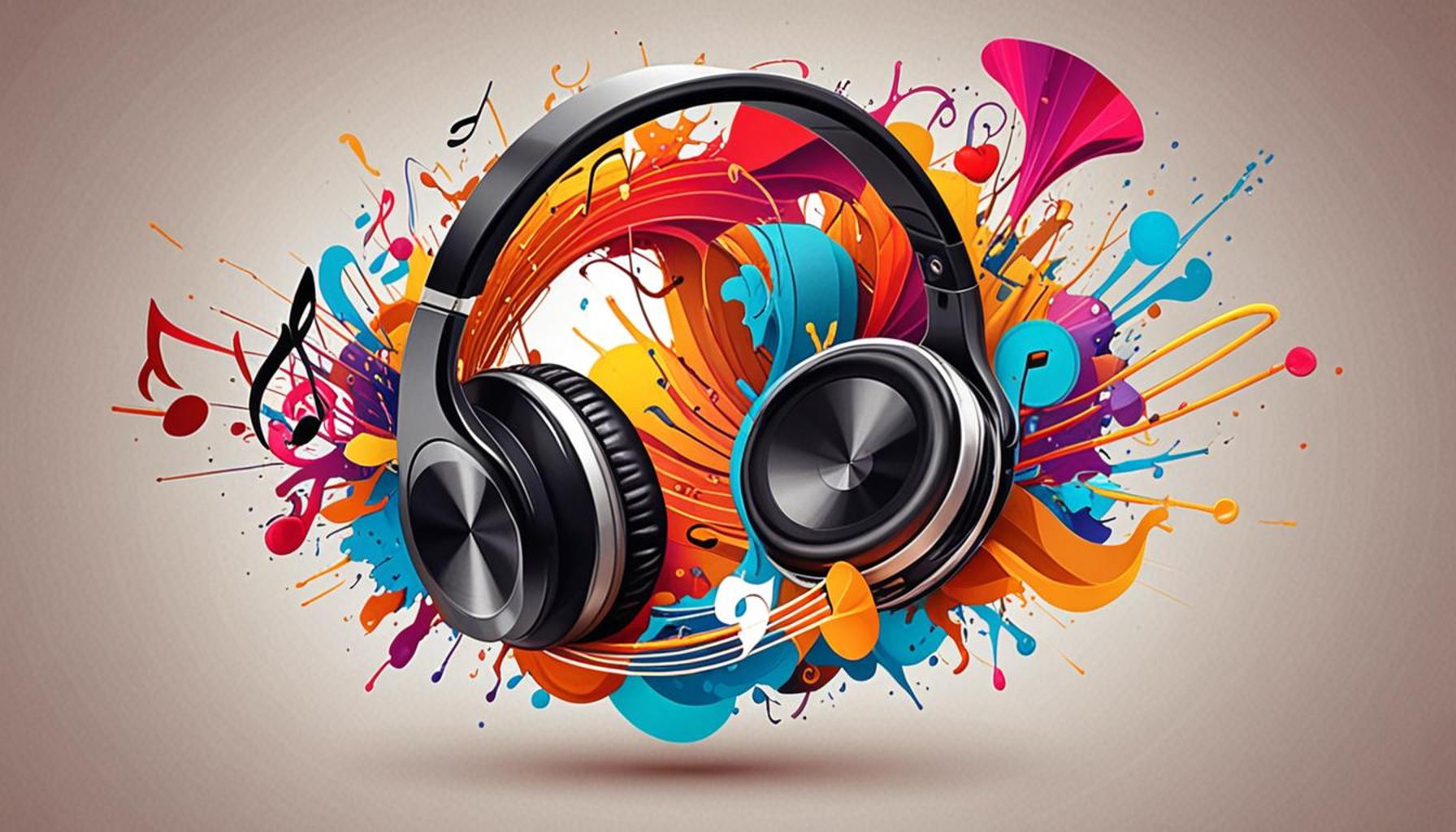
Music has an extraordinary ability to inspire creativity, often serving as a catalyst for artists in various fields. From renowned painters to innovative filmmakers, many have harnessed the power of melodies to enhance their works. This article explores how music influences artistic creation, specifically the enchanting connection between sounds and visual elements.
Key Aspects of Music’s Influence
- Emotional Resonance: Different genres evoke distinct feelings, guiding artistic expression. For instance, a melancholic ballad may inspire an artist to explore themes of loss and nostalgia in their paintings, while an upbeat jazz track may ignite a sense of joy and vibrancy, leading to more colorful and expressive brushwork. This emotional depth not only touches the artist but also resonates with the audience, creating a compelling experience that blends the auditory and visual.
- Rhythmic Patterns: The beat can dictate the flow of visual art, influencing brush strokes or movements in performance. Consider an artist who listens to a fast-paced electronic dance track; the driving rhythm could inspire quick, dynamic strokes on canvas, articulating a sense of movement. Similarly, dancers often choreograph their performances to match the rhythm of music, resulting in a captivating fusion of motion and sound.
- Color Associations: Certain musical styles often align with specific colors and palettes, such as the calming blues of jazz or the vibrant hues of pop music. Artists may find themselves gravitating toward cooler tones when inspired by a soulful piano piece, whereas a lively pop song might lead to bold, bright colors that reflect its energetic nature. This synesthetic experience allows creators to use the emotional language of color combined with sound to convey their messages.
Artists like Wassily Kandinsky and Claude Monet have extensively studied this fusion, often claiming that music profoundly shaped their artistic visions. Kandinsky, known for his abstract works, believed in the power of colors to evoke musical sensations, often composing his paintings with the same emotional intensity as a symphony. Monet, on the other hand, captured the ephemeral beauty of light, often painting en plein air while influenced by the sounds of nature and local music, allowing the environment to sculpt his masterpiece.
This exploration is not only relevant for artists, but also for anyone interested in understanding how sensory experiences intertwine. By examining this connection, we can uncover the dynamic relationship that exists between music and the visual arts, reshaping definitions of creativity along the way. The integration of music into art and vice versa prompts a deeper appreciation for these disciplines, encouraging individuals to explore how their own sensory experiences may inspire their creativity.
Moreover, as technology further blurs the lines between these mediums, contemporary artists are now experimenting with multimedia installations that combine live music, visual projections, and interactive elements, captivating audiences in innovative ways. This multidimensional approach invites individuals not only to observe but to engage with art on a personal level, inspiring new dialogues about the shared language of creativity.
DIVE DEEPER: Click here to discover the significance of storytelling
How Music Shapes Artistic Process
The relationship between music and visual arts is both profound and multifaceted, influencing artists’ creative journeys in intriguing and diverse ways. One of the primary aspects of this influence is emotional resonance. Music possesses an innate ability to stir feelings deep within the listener, often channeling those emotions into artistic expression. For example, consider the haunting melodies of a classical symphony; they may evoke a sense of melancholy or introspection, prompting painters to explore somber palettes that reflect such emotional fortitude. Conversely, the lively rhythms of a pop anthem could inspire an artist to employ bright, vibrant colors, capturing the essence of joy and celebration.
Another integral element at play is the rhythmic patterns embedded in music, which can guide an artist’s technique and approach. The tempo and flow of a song can dictate the speed and style of brush strokes, as well as the overall composition of a piece. A painter influenced by an upbeat track might find themselves applying paint with quick, energetic flicks, while a more deliberate and slow-moving piece could lead to intricate detail work. This concept extends beyond visual arts into the realm of performance; dancers embody the rhythm and melody, translating sound into motion, thereby creating a visceral experience that marries two forms of art.
- Impact of Musical Genres: Different genres have varied effects; for instance, the serenity of ambient music can invite more fluid and abstract forms, while the structured nature of classical compositions could inspire precision in detail.
- Environmental Soundscapes: Ambient sounds, such as the rustling of leaves or the sound of waves, can also serve as a backdrop that enhances creative output, encouraging artists to capture moments in time.
- Collaboration and Interaction: Many contemporary artists collaborate with musicians, resulting in dynamic installations that juxtapose visual elements with live performances, creating a unique dialogue that enriches both mediums.
Artists throughout history have recognized and embraced this interplay. For instance, Pablo Picasso was known to be influenced by the rhythms and improvisational qualities found in jazz music. His works from the early 20th century, such as Guernica, capture the chaotic emotions of war, echoing the dissonant sounds of the era’s music. Similarly, Vincent van Gogh often listened to music while painting, allowing melodies to shape his brushwork and use of color, as seen in his iconic piece Starry Night, where swirls of color and movement reflect a melodic wave of emotions.
As we delve into the ways music ignites creativity, we uncover the potential for a richer understanding of how synchronization between auditory and visual elements can enhance artistic creation. The exploration of this synergy not only enriches the artistic community but also invites those beyond the realm of art to engage in their own creative processes. By recognizing the influences of music on the expression of colors and emotions, individuals are encouraged to tap into their own experiences, expanding their creative horizons.
The Influence of Music on Artistic Creation: Synchronizing Sounds and Colors
As we delve deeper into the connection between music and visual art, we find a fascinating interplay that transcends mere genre classifications. Artists have long drawn inspiration from the emotive power of sound, illustrating how a particular melody can evoke vibrant colors on a canvas. The synergy between rhythms and hues leads to innovative artistic expressions that challenge traditional boundaries.
For instance, the impressionist movement, spearheaded by artists like Claude Monet, often parallels the fluidity of music. Monet’s works can be likened to musical compositions, each brushstroke akin to a note that contributes to an overall ambiance. The captivating relationship between abstract sounds and visual forms propels artists to explore the depths of color theory, resulting in masterpieces that resonate with both the eye and the ear.
Moreover, contemporary artists are increasingly utilizing technology to translate music into visuals, paving the way for immersive experiences. Interactive installations allow audiences to engage with the fusion of sound and sight, extending their understanding of how music influences their perception of color and form. This exploration not only enhances artistic creation but also challenges the viewer’s interpretations, urging them to experience art in a multi-sensory context.
Emotional Translations of Sound
The emotional responses elicited by music are critical to understanding its impact on artistic creativity. Elements such as tempo, harmony, and dynamics not only inform the mood of a musical piece but also inspire corresponding emotional expressions in visual art. For instance, a fast-paced symphony may translate into bold, vivid strokes, while a soft melody evokes delicate pastels. This deliberate synchronization between sounds and colors invites artists to layer their works with emotional depth, ensuring that each piece offers a unique auditory-visual narrative.
Exploring artists who consciously integrate musical concepts into their creative processes can yield insights into modern artistic movements. By analyzing their methodologies, we can identify patterns that highlight the cross-pollination of art forms, revealing a vibrant tapestry that thrives on collaboration between different sensory modalities.
| Category | Details |
|---|---|
| Artistic Inspiration | Music induces creative ideas, encouraging new artistic techniques. |
| Emotional Connection | Colors and forms reflect emotional responses intertwined with musical experiences. |
This rich tapestry of artistic influence highlights the vital link between music and visual arts, inviting further exploration into how these forms of expression can coexist and enhance each other. The ongoing dialogue between sounds and colors continues to inspire creators across genres, reminding us of the boundless potential born from their harmonious interactions.
DIVE DEEPER: Click here to discover more
Translating Soundscapes to Visual Narratives
The fusion of music and visual art opens new pathways for artists to explore the narrative dimensions of their work. By interpreting audio patterns, whether subtle or overt, artists can weave compelling stories into their creations. This practice is particularly evident in multimedia art forms, where soundscapes not only enhance the visual experience but also guide the viewer’s emotional journey. Artists like Bill Viola, known for his video installations, often pair imagery with sound to elicit profound emotional responses, drawing the audience into an immersive dialectic that bridges two elements of creation seamlessly.
Additionally, the concept of visual music has gained popularity; artists like Oskar Fischinger and more recently, Joshua Light Show, have pushed the boundaries of traditional art by creating visual representations of music. Fischinger’s animations, which visualize sound through shapes and movements, showcase how music can inform visual rhythm and harmony. This idea encourages artists to perceive their work through a lens of dynamism, transforming static pieces into a dialogue that resonates across different senses.
- Music as a Muse: Visual artists often cite specific songs or albums that inspire their work. For example, the painter David Hockney has spoken about the influence of The Beatles on his vibrant use of color and composition, reflecting the era’s cultural amalgamation.
- The Role of Technology: With the advent of digital tools, artists can now pair their visual artwork with soundtracks, offering an interactive experience that encapsulates the essence of both mediums. Software like Adobe After Effects allows for sound-reactive visual effects that can enhance animation and digital art.
- Exploring Genres: Different musical genres bring diverse interpretations to art. The intimacy of folk music might evoke a sense of nostalgia, encouraging artists to use earth tones, while the explosive energy of heavy metal could inspire dark, aggressive aesthetics.
Moreover, the exploration of cross-disciplinary projects in art institutions and galleries emphasizes the connection between music and visual art. Events like the New York-based MoMA PS1’s Warm Up, which combines live music performances with displayed artworks, foster an environment in which artists can experiment with sound and color synergy. These collaborations provide a platform for dialogue that transcends traditional art forms, allowing artists to redefine what it means to create.
In addition, sound-induced synesthesia plays a significant role in how artists interpret auditory stimuli. Those who experience this phenomenon are often able to see colors when they hear specific sounds, leading to a unique interplay between auditory and visual experiences. Artists such as Wassily Kandinsky were known to be influenced by sound to produce vibrant compositions that embody the auditory expressions he perceived, further solidifying the concept of music not just as a background element but as a fundamental part of the art-making process.
As artists continue to explore and innovate within this intersection, they reveal the limitless potential for creativity that lies in synchronizing sounds and colors. By understanding and harnessing the influences of music on artistic creation, both artists and audiences alike can discover deeper connections to the emotional and sensory experiences while appreciating the evolving landscape of art today.
DISCOVER MORE: Click here to enhance your personal growth
Conclusion: The Harmonious Interplay of Music and Art
As we delve into the intricate relationship between music and visual art, it becomes evident that the influence of music on artistic creation transcends mere inspiration. Artists today are embracing the synchronization of sounds and colors as a dynamic avenue to deepen their craft, demonstrating an extraordinary fluidity between auditory and visual experiences. This interplay not only shapes the stories they tell but also how they engage audiences on emotional and sensory levels.
The exploration of innovative techniques, from visual music to sound-reactive digital installations, illustrates a vibrant culture where artistic boundaries are continuously redefined. Events like MoMA PS1’s Warm Up exemplify the collaborative spirit that nurtures these endeavors, fostering a community where sound and visual art become intertwined expressions of contemporary life. Furthermore, the phenomenon of sound-induced synesthesia serves as a powerful reminder of the unique perceptions that color the artistic process, urging artists and viewers alike to explore new dimensions of creativity.
In conclusion, as musicians compose melodies that resonate in the heart and mind, visual artists find a rich palette of colors and forms to express those very emotions. The journey of navigating this synergy invites both creators and audiences to immerse themselves in the profound connections between music and visual art. As the lines between these disciplines blur, the potential for artistic innovation continues to expand, opening horizons for future generations to explore, experiment, and ultimately redefine the realms of creativity.
Related posts:
The Art of Improvisation: How Spontaneous Creation Can Stimulate Creativity
Art as a Tool for Protest: Expressing Ideas and Causes Through Creativity
The Intersection of Art and Nature: How Outdoor Artistic Exploration Inspires Creativity
The Influence of Abstract Art on Personal Creativity Development
The Influence of Abstract Art on Personal and Emotional Expression
Exploring Different Artistic Mediums: Painting, Sculpture, and Digital
Linda Carter is a writer and creative hobbies expert specializing in crafting, DIY projects, and artistic exploration. With extensive experience helping individuals discover their creative potential and bring their ideas to life, Linda shares her knowledge on our platform. Her goal is to empower readers with practical tips, inspiring ideas, and step-by-step strategies for success in the world of creative hobbies.