The Influence of Cultural Traditions on the Evolution of Modern Creative Hobbies
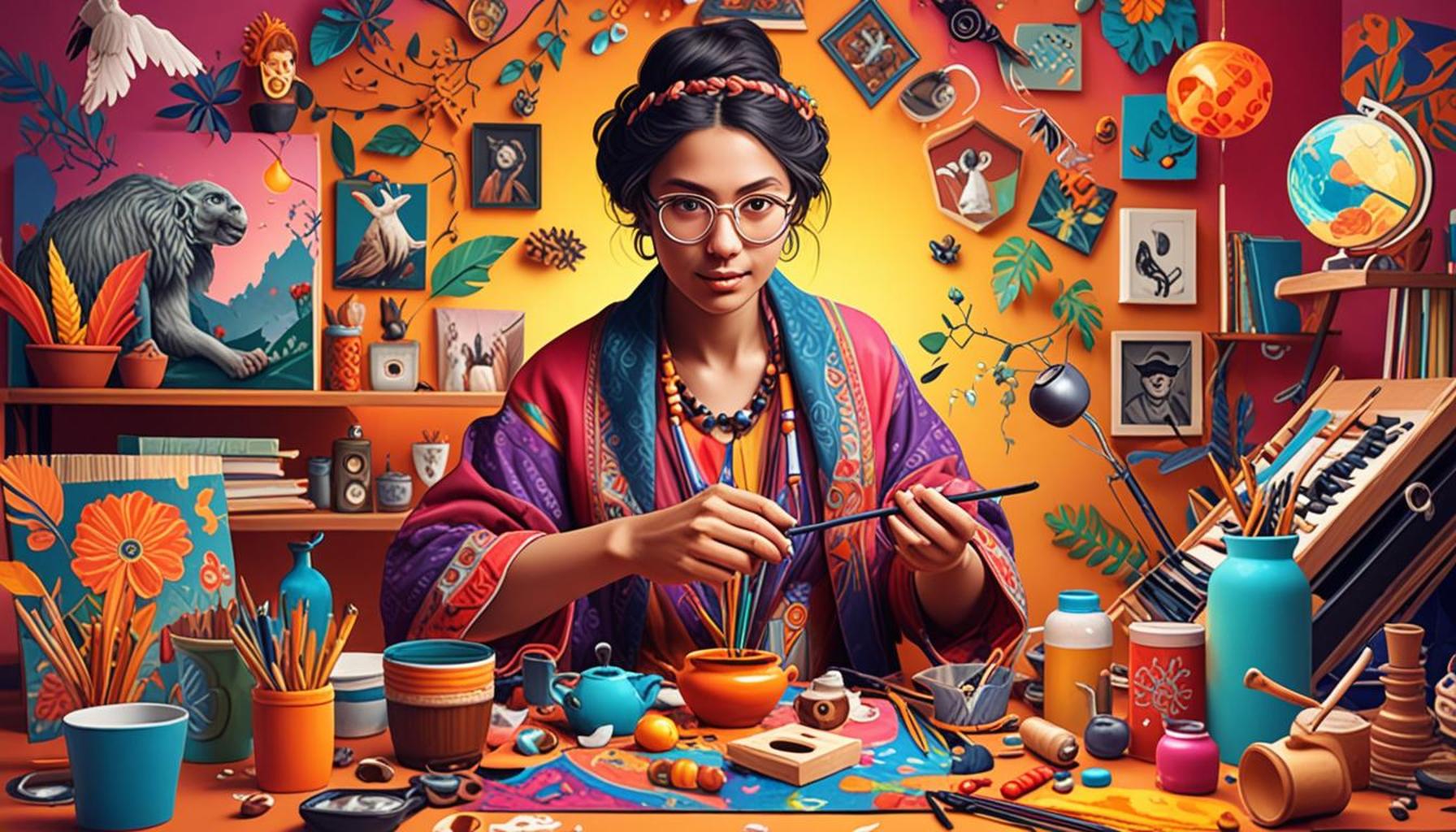
Cultural Traditions and Modern Creativity
Throughout history, cultural traditions have served as the backbone for personal expression and creativity. As society evolves, so do the ways in which we engage in creative activities. This transformation unveils a fascinating connection between our heritage and modern hobbies.
Consider some key factors that showcase this relationship:
- Artistic Styles: Traditional painting techniques inspire modern artists. For instance, the intricate styles of Indigenous American art significantly influence contemporary painters who explore themes of identity and environment. The use of vivid colors and symbolic motifs can be seen in exhibitions that pay homage to these rich heritages.
- Craftsmanship: Handcrafted goods from diverse cultures remain popular in a digital age. Artisans employing techniques from various traditions—like pottery from Native American tribes or weaving practices inspired by African textiles—create unique products that are highly sought after. Websites like Etsy feature these items, enabling consumers to connect with artisans globally while supporting ethical craftsmanship.
- Performing Arts: Dance forms rooted in historical contexts influence contemporary performances. For example, ballet, which evolved from European court dances, has undergone reinterpretation in modern productions that infuse tap, hip-hop, or even cultural folklore, showcasing how the past informs the present. Dance troupes across the United States often blend styles to reflect a multicultural society.
The intersection of cultural heritage and creative pursuits is evident in the hobbies we choose today. Many craft activities draw upon ancient methods, reflecting deep-seated customs while embracing new techniques. For instance, contemporary quilting often integrates traditional patchwork designs with modern textiles, creating a dialogue between old and new. As communities become increasingly global, the fusion of these traditions shapes a vibrant landscape of modern hobbies.
Understanding this evolution opens the door to reevaluating not only our leisure activities but also the values imbued in them. Creative expressions rooted in cultural traditions not only provide a means of personal fulfillment but also foster connections among individuals from diverse backgrounds. By exploring different hobbies that draw from rich heritages—like cooking ethnic cuisines, practicing martial arts, or participating in folk music groups—individuals can deepen their appreciation for cultural diversity and historical significance.
Join us on a journey to explore how cultural influences sculpt our current creative landscape and what it means for the future of hobbyists across the nation. A multitude of creative avenues awaits those eager to discover how embracing these traditions can enrich their lives and foster a sense of community in a rapidly changing world.
DISCOVER MORE: Click here to delve into surrealism’s influence on poetry
The Interplay of Tradition and Innovation
The dynamic relationship between cultural traditions and modern creative hobbies is a powerful testament to humanity’s ability to adapt and innovate. As individuals engage in diverse pursuits, the echoes of past customs remain a vital influence. Today, hobbies thrive on the rich tapestries of our history, marrying traditional practices with contemporary methods and technologies.
The rise of popular hobbies often reflects a blend of old-world techniques and modern sensibilities. For example, the recent resurgence in gardening has seen many enthusiasts embrace permaculture practices that stem from Indigenous agricultural techniques. By using these age-old methods, people cultivate not just plants but also a deeper awareness of sustainability and environmental stewardship. Workshops and online groups dedicated to these themes are gaining traction, further emphasizing how cultural practices can inform modern-day passions.
Similarly, the realm of culinary arts is a vivid showcase of how cultural traditions inform contemporary food trends. The craft of cooking, steeped in ancestral recipes and regional specialties, continues to influence home chefs and restaurateurs alike. Recent data indicate that more than 50% of Americans enjoy cooking cuisines from other cultures, illustrating a willingness to explore and appreciate ethnic diversity through food. This cultural cross-pollination gives rise to a new wave of fusion cuisines that blend techniques and flavors from various traditions, showcasing culinary creativity at its finest.
- Textiles and Fashion: The fashion industry increasingly reflects cultural influences, with designers incorporating ethnic patterns and techniques. The demand for garments inspired by traditional crafts, such as Indian block printing and Native American beadwork, highlights a growing appreciation for unique artisanal skills.
- Digital Creation: As technology advances, creative hobbies have also transformed. Digital art forms are now inspired by traditional practices, blending the brushstrokes of classical painting with the versatility of software tools. This synergy allows for innovative expressions while honoring historical techniques.
- Photography: Cultural narratives shape modern photography, where photographers draw upon historical themes, costumes, and settings to tell compelling stories. Engagement with various cultural contexts adds layers of depth to visual art, bridging connections across borders.
What emerges from this fusion of tradition and modernity is a vibrant creative landscape that speaks to the importance of acknowledging our roots. Each hobby, whether it is knitting, photography, or cooking, carries the weight of historical significance while continually evolving to meet contemporary needs. The blending of influences encourages individuals to explore their heritage while nurturing a community of like-minded enthusiasts willing to learn and grow from one another.
In understanding the profound impact of cultural traditions on modern creative hobbies, we embrace a narrative of inclusivity and respect for diverse heritages. This exploration serves not only as a means to express one’s identity but also as a vehicle for societal connection, fostering a rich appreciation for the myriad cultures that coexist in today’s world.
| Cultural Influence | Modern Creative Expression |
|---|---|
| Folk Art | Provides a rich foundation of traditional techniques that inspire contemporary artists. |
| Traditional Craftsmanship | Informs the materials and methods utilized in modern crafting, leading to a revival of ancient skills. |
The intersection between cultural traditions and the realm of modern creative hobbies reveals fascinating connections that both energize and innovate. First, the revival of folk art serves as a source of inspiration for contemporary creators, leading them to integrate historical techniques into their work. The timeless nature of these methods not only enriches the depth of artistic expression but ultimately enhances the appreciation for cultural heritage. In addition, traditional craftsmanship, with its exquisite attention to detail, profoundly impacts the way modern makers approach their crafts. The age-old techniques often lead to a resurgence of interest in materials and methods long forgotten, allowing artisans to merge the time-tested with the avant-garde. By embracing these foundational elements, new generations of artists explore innovative paths that honor their cultural roots while pushing the boundaries of creative expression. The ongoing dialogue between the past and present offers limitless opportunities for innovation, urging readers to delve deeper into how these traditions continue to shape and inspire the hobbies that captivate them today.
DIVE DEEPER: Click here to discover more
Reviving Forgotten Arts
Another remarkable aspect of the interplay between cultural traditions and modern creative hobbies is the revival of forgotten or endangered arts. As globalization accelerates, many unique crafts face the risk of fading into obscurity. However, motivated enthusiasts are rediscovering and engaging with these traditions, creating a wave of interest that strengthens the cultural heritage of various communities.
Take the art of embroidery, for instance. Once seen as a domestic pastime, contemporary artisans are revitalizing traditional embroidery techniques from around the world. Projects such as the “Slow Stitch Movement” champion handmade textiles, emphasizing craftsmanship over mass production. This revival not only preserves ancestral techniques but also forms a community of textile artists who share patterns, techniques, and personal stories about their cultural roots.
Likewise, the resurgence of pottery exemplifies how traditional practices can foster a modern sense of connectivity. Local pottery studios across the United States now offer classes that teach ancient techniques like wheel-throwing and hand-building, allowing participants to connect with the tactile history of clay. This appreciation for craftsmanship has also found its way into the world of functional art, with handcrafted pieces gaining popularity as unique home décor.
- Woodworking: The craft of woodworking, once thought to be a dying art, has seen a resurgence in popularity. Influenced by cultural styles from different regions, woodworking hobbyists are incorporating traditional joinery techniques into modern furniture designs. This blend allows artisans to convey a narrative through their work while embracing sustainability by using reclaimed wood.
- Jewelry Making: Cultural influences are found within the jewelry-making sphere as well, where traditional techniques—such as metal-smithing and beadwork—are being modernized. Many creators draw inspiration from indigenous designs while promoting ethical practices that respect the source materials, thus marrying contemporary jewelry with historical significance.
- Calligraphy: The revival of calligraphy, especially in the age of digital communication, illustrates how traditional forms of written art re-emerge with a modern twist. Workshops on modern calligraphy blend historical techniques with contemporary styles, appealing to a growing demographic eager to explore the beauty of hand-lettering.
This trend towards reviving forgotten arts illustrates a cultural consciousness that transcends mere aesthetics. Participants are motivated not only by the intrinsic value of these skills but also by the desire to connect with their heritage and ensure that these practices are passed down to future generations. The act of learning and sharing these traditions fosters a sense of belonging and communal identity, creating not merely a hobby but a cultural movement for preservation.
Moreover, social media platforms, particularly Instagram and Pinterest, serve as powerful tools for enthusiasts to showcase their creations and connect with a global audience. By sharing videos, tutorials, and project updates, artisans can attract interest in their practices while simultaneously educating a broad audience about the cultural significance behind their craft. These platforms have become vital in creating cross-cultural dialogues, enabling a rich exchange of techniques and stories that breathe life into traditional hobbies.
As modern creative hobbies continue to evolve, they carry the transformative power of cultural traditions within them. Emphasizing a deeper understanding of history, these creative expressions enable individuals to embody and celebrate their cultural identity, leading to an enriching and diverse creative landscape.
DISCOVER MORE: Click here to dive deeper
Conclusion: A Tapestry of Heritage and Innovation
In conclusion, the impact of cultural traditions on the evolution of modern creative hobbies is profound and multi-faceted. As demonstrated through the revival of various art forms, such as embroidery, pottery, and woodworking, we observe how these age-old practices are not merely preserved, but transformed to fit contemporary sensibilities. This blend of heritage and innovation offers practitioners a platform not only for personal expression but also for communal learning and cultural appreciation.
The growing interest in traditional crafts significantly contributes to a broader cultural consciousness, fostering connections that transcend generational and geographical barriers. Participants are not just engaging in hobbies; they are partaking in a meaningful movement that emphasizes the importance of cultural identity. Furthermore, with social media acting as a conduit for sharing techniques and stories, enthusiasts of all backgrounds can discover and celebrate the diversity of global traditions. This digital age has enabled a rich tapestry of creativity that interweaves personal narratives with collective history.
As we continue to embrace these modern creative hobbies, the importance of understanding the cultural significance behind each practice becomes increasingly apparent. For artists, makers, and hobbyists alike, there lies a powerful opportunity to explore the past while contributing to an ever-evolving narrative of artistic expression in the present. Ultimately, the marriage of cultural traditions and contemporary hobbies not only enriches our creative landscape but also serves as a reminder that creativity knows no boundaries—making it an invaluable aspect of our shared human experience.
Related posts:
The Importance of Cultural Activities in Enhancing Emerging Creative Hobbies
The Importance of Cultural Activities in Promoting Personal Creativity
The Art of Storytelling: The Importance of Cultural Activities in Preserving Tradition and Identity
The Role of Cultural Activities in Inspiring New Trends in Creative Hobbies
The Influence of Cultural Activities on the Creation of Creative Hobbies: Exploring the Intersection...
Cultural Activities Impact on Creativity Boost Hobbies with Dance Music Theater

Linda Carter is a writer and creative hobbies expert specializing in crafting, DIY projects, and artistic exploration. With extensive experience helping individuals discover their creative potential and bring their ideas to life, Linda shares her knowledge on our platform. Her goal is to empower readers with practical tips, inspiring ideas, and step-by-step strategies for success in the world of creative hobbies.