The Influence of Abstract Art on Personal and Emotional Expression
Exploring the Connections
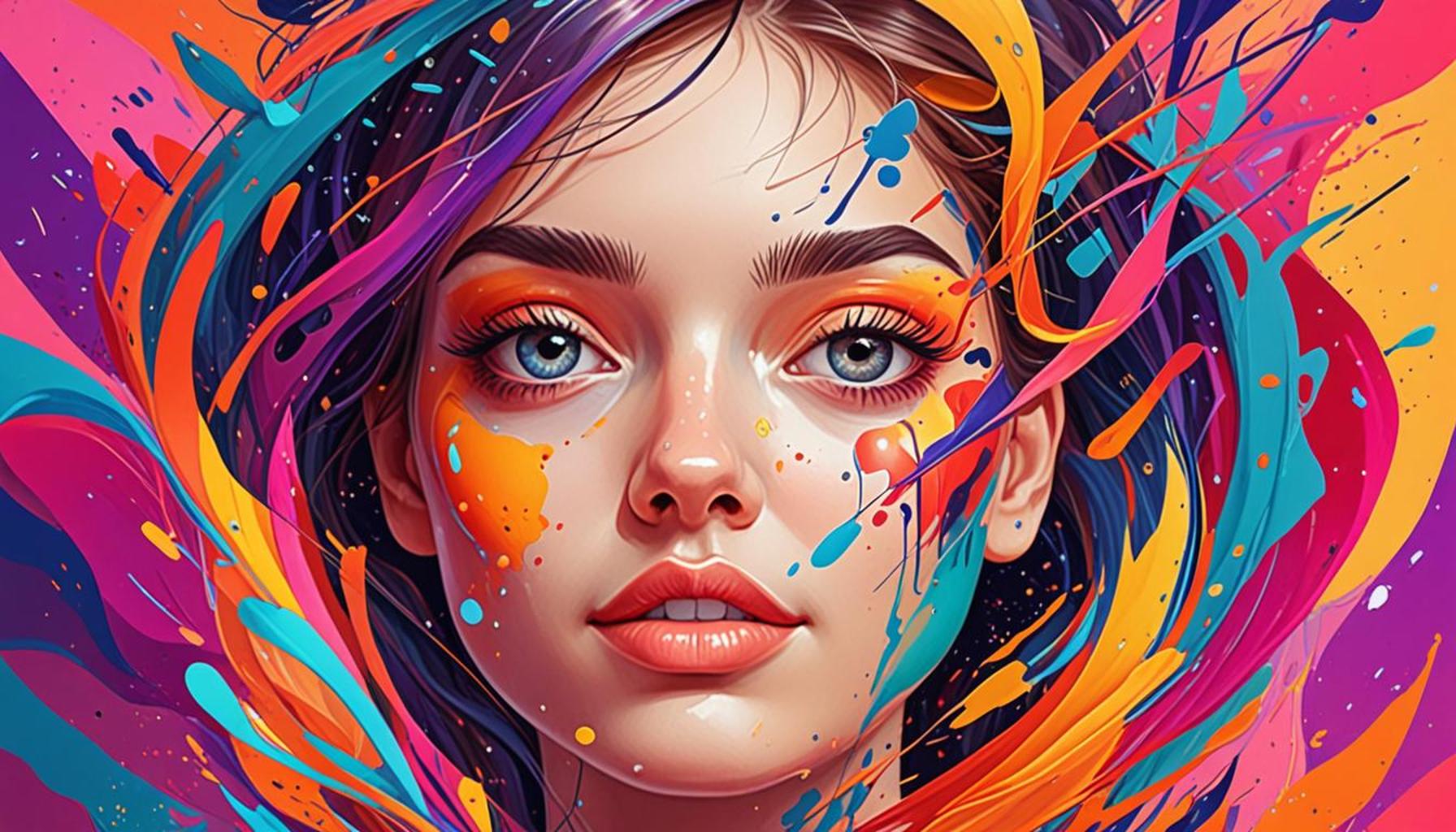
Abstract art possesses a distinctive ability to capture and articulate emotions and personal narratives in ways that traditional representational art often fails to achieve. This unique art form empowers both artists and viewers to delve into a realm of deep emotional expression and complex thoughts. Using an array of vivid colors, dynamic shapes, and varied textures, abstract art acts as a window to the subconscious, provoking thought and introspection.
Why Abstract Art Resonates
- Freedom of Interpretation: One of the most captivating aspects of abstract art is its inherent subjectivity. Each viewer approaches a piece with their personal history, perspectives, and feelings, leading to a multitude of interpretations. For instance, a bright, chaotic canvas may evoke feelings of joy for one person while causing anxiety for another, showcasing the diverse emotional impact of abstract forms.
- Sparking Emotion: The calculated use of color, texture, and form in abstract art can trigger immediate and visceral responses. Artists like Wassily Kandinsky believed that colors carried their own emotional weight—red could signify passion, while blue might evoke calmness. Such associations draw viewers into a visceral experience, encouraging them to connect emotionally with the artwork.
- Breaking Boundaries: Abstract art challenges the constraints of conventional artistic norms. It invites individuals to engage in personal reflection, allowing their imaginations to run wild. For example, the works of artists like Piet Mondrian with his geometric abstraction encourage viewers to see beauty and order in simplicity, inviting them to reconsider their perceptions of reality.
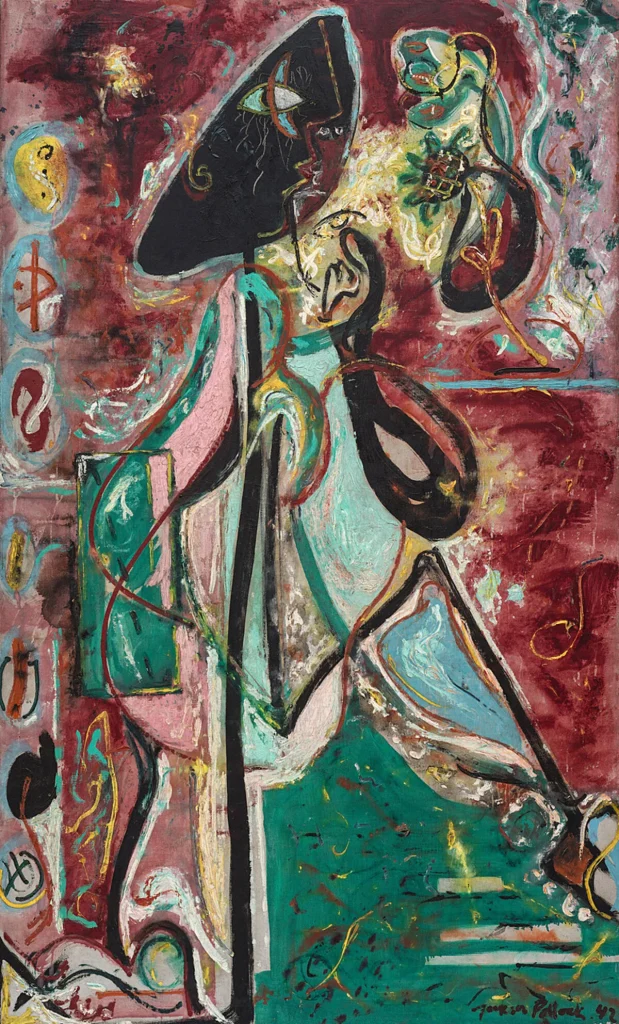
In the United States, movements such as Abstract Expressionism have dramatically shaped the art landscape. Pioneering artists like Jackson Pollock and Mark Rothko created works that were intended not merely to be seen but to invoke spontaneous reactions from their audience. Pollock’s drip paintings, with their chaotic beauty, invite viewers to experience emotion in an immediate and immersive manner. Rothko’s large fields of color create an enveloping atmosphere that can prompt profound emotional responses, illustrating the deep-seated connection between abstract art and feelings.
What to Expect
As we delve deeper into the influence of abstract art, consider these thought-provoking points:
- How does abstract art resonate with your personal experiences? Reflect on how specific pieces evoke nostalgia, joy, or even sorrow based on your connection to the colors and forms present.
- What specific emotions are stirred within you when viewing abstract works? Take a moment to analyze whether certain shapes or colors influence your mood or thoughts in a particular way.
- Can you identify key artists and movements that highlight these emotional expressions? Understanding the context of works by artists like Helen Frankenthaler or Cy Twombly can enrich your appreciation for the genre.
Join us as we unravel the intricate relationship between abstract art and personal emotional expression, and discover how these vivid canvases serve as mirrors reflecting our innermost thoughts and feelings. The exploration of this connection not only showcases the creativity inherent in abstract expression but also emphasizes its significant role in articulating the complexities of the human experience.
DIVE DEEPER: Click here to discover how creative hobbies can elevate your career
The Power of Color and Form
The interplay of color and form in abstract art serves as a powerful tool for emotional communication, resonating deeply with individuals on a personal level. Unlike traditional art that often represents recognizable subjects, abstract art transcends specific imagery, tapping into raw, fundamental emotions. Artists strategically select their color palettes and shapes to conjure reactions that extend beyond conscious understanding. Take, for instance, the vibrant hues used by artists such as Joan Mitchell or the dynamic compositions of Frida Kahlo in her more abstract pieces, where bold colors amplify feelings of strength, turmoil, or hope. Each brushstroke and the intentional choice of colors unite to weave a narrative that is felt rather than simply viewed.
Emotional Landscapes
- Intuitive Response: The use of saturated colors and bold forms fosters an immediate connection that often bypasses rational thought, engaging the viewer’s subconscious. This intuitive response might explain why some patrons find themselves inexplicably drawn to specific pieces—these works resonate with their internal emotional landscape, often surfacing feelings they may not even consciously recognize.
- Psychological Impacts: Studies in art therapy reveal the profound psychological effects of abstract art. Engaging with abstract works can lead to catharsis, offering a mode of expression that might not be accessible through words. This is especially significant for individuals grappling with complex emotions or trauma, as abstract art provides a safe space for exploration and reflection.
- Connection to Cultural Narratives: The influence of culture on personal emotional expression cannot be understated. For instance, the Harlem Renaissance showcased abstract art as a reflection of both personal and collective experiences of African Americans, expressing joys and struggles through innovative artistic lenses. This cultural context enriches our understanding of how abstract art serves as a canvas for communal emotion, breaking barriers of individual experience.
As this phenomenon has evolved, various movements have emerged that embody abstract art’s capacity to express personal narratives. The Color Field Movement, led by artists such as Mark Rothko and Barnett Newman, focused on colors as spaces of emotional connectivity rather than mere components of design. Rothko’s use of large, monochromatic fields invites viewers to immerse themselves in the emotional core of the colors, transforming superficial appreciation into a profound encounter.
Moreover, exploring the relationship between abstract art and personal expression brings additional dimensions to light. It encourages viewers to reflect on their responses and re-evaluate their understanding of both art and emotion. Abstract art invites us into a dialogue, urging us to confront our inner feelings and explore how our personal experiences interplay with visual stimuli.
As we continue to explore the influence of abstract art and its capacity to evoke personal and emotional expression, we delve into the methodologies artists employ to connect with audiences and how these artworks serve as a mirror, reflecting the myriad complexities of the human experience.
The Influence of Abstract Art on Personal and Emotional Expression
Abstract art, a genre that transcends realistic representation, plays a significant role in facilitating personal and emotional expression. By focusing on color, form, and composition rather than recognizable objects, it invites viewers to experience and interpret emotions in a deeply personal manner. One of the fascinating aspects of abstract art is its ability to evoke a wide spectrum of emotional responses. Each viewer brings their unique experiences and feelings to the artwork, creating a connection that is often more powerful than that of traditional art forms.Moreover, abstract art can serve as a therapeutic tool. It allows individuals to explore their emotions without the constraints of traditional narrative. Engaging with abstract visuals can lead to self-reflection, helping individuals confront feelings that might be difficult to articulate. This non-verbal dialogue encourages a profound understanding of one’s internal state, facilitating emotional release and personal growth.Another intriguing element is the role of color psychology within abstract art. Colors can significantly influence mood and feelings; for instance, warm colors like red and orange can evoke energy and passion, while cooler tones such as blue and green may promote calmness and serenity. Artists often use this knowledge to consciously shape the emotional landscape of their work, making abstract pieces powerful conduits for expression and communication.In this context, abstract art resonates on various levels, whether as a source of inspiration, a medium of therapy, or a vehicle for self-exploration. Its impact extends beyond aesthetics, touching the very core of human experience and fostering deeper emotional connections. To further illustrate the benefits of abstract art on personal and emotional expression, the following table provides insights into its key aspects.
| Category | Key Features |
|---|---|
| Emotional Reflection | Fosters self-awareness and emotional exploration. |
| Therapeutic Value | Utilized in art therapy for emotional healing and expression. |
As we can see, abstract art not only serves aesthetic purposes but also plays a responsible role in enhancing personal expression and emotional understanding. Its versatile nature can adapt to individual experiences, making it a powerful medium for exploring the depths of human emotion.
DISCOVER MORE: Click here to unlock your potential
Abstract Art as a Reflective Medium
As we delve deeper into the realm of abstract art, it becomes evident that this artistic form serves not only as an expression of the artist’s inner world but also as a reflective medium for viewers grappling with their own emotions. The relationship that emerges is dynamic, fostering introspection and enabling individuals to recognize their feelings in the swathes of color and shape. This exchange is grounded in the belief that viewers project their experiences onto the canvas, transforming static art into a living, breathing conversation.
The Role of Context in Interpretation
- Cultural Influences: The context in which abstract art is created and consumed greatly shapes its interpretation. For example, the rise of abstract expressionism in the post-World War II era echoed the collective disillusionment of a traumatized society. Artists like Jackson Pollock and Willem de Kooning channeled their experiences into works that metaphorically represented chaos, offering viewers a means of connecting with their own feelings of uncertainty and anxiety. Historical context adds depth to our understanding of how artistry and emotion intermingle.
- Personal Experiences: Viewers come to abstract art with their own histories, making personal experiences crucial to the interpretive process. When confronted with an abstract piece, individuals often navigate their emotions and memories, leading to unique interpretations. This phenomenon is particularly evident in spaces like therapy rooms, where abstract art is employed as a therapeutic tool, allowing individuals to articulate feelings that may otherwise remain unexpressed.
- Viewer Engagement: The active engagement prompted by abstract art is vital for emotional expression. The ambiguity inherent in such works encourages viewers to contemplate their thoughts and bring forth feelings that lie beneath the surface. This interactive element can lead to a powerful emotional release, validating personal narratives and increasing self-awareness, often leading to new realizations about one’s own emotional state.
The creative process itself is another vital aspect linking abstract art to personal expression. Many artists emphasize the significance of spontaneity and intuition in their work. Artists like Helen Frankenthaler developed techniques that highlighted the fluidity of emotion through free-flowing paint application, inviting viewers to experience the rhythm of creation as part of their emotional journey. Each artwork becomes a snapshot of the artist’s feelings at a moment in time, allowing audience members to sense that energy and, in turn, reflect on their own emotional rhythms.
Furthermore, the accessibility of abstract art today has transformed how audiences interact with emotional expression. With an increasing number of online platforms showcasing abstract works, individuals can now engage with art in more personal, intimate settings. This accessibility removes some of the barriers that might traditionally limit emotional engagement with art. Viewers can select works that resonate with them on a personal level and explore how these pieces align with their emotional landscapes, leading to deeper, more meaningful connections.
As we explore the emotional connections fostered by abstract art, we begin to uncover a rich tapestry of personal narratives woven into each piece. This unique connection between the artist’s expression and the viewer’s interpretation underscores the significant role that abstract art plays in our understanding of and engagement with our emotional selves. In the following sections, we will further examine the profound cultural impacts and the therapeutic potential of abstract art as a facilitator of emotional exploration and personal growth.
DISCOVER MORE: Click here to dive into the world of creativity and nature
Conclusion: The Transformative Power of Abstract Art
In conclusion, the influence of abstract art on personal and emotional expression is profound and multifaceted. This unique form of art transcends traditional boundaries, encouraging both artists and viewers to delve into the depths of their emotions, narratives, and experiences. The interplay between creative methodology and viewer engagement creates a fertile ground for emotional exploration, enabling individuals to confront, process, and articulate feelings that may have previously remained unvoiced.
The context in which abstract art exists—culturally, historically, and personally—shapes how it is perceived and interpreted, fostering a dynamic discourse that allows for varied perspectives. As viewers engage with abstract works, they are prompted to project their self-experiences onto the canvas, resulting in a rich tapestry of connections that resonate deeply within them. This navigation of emotions not only validates personal struggles but also enhances self-awareness, highlighting the significance of art as a reflective tool in personal growth.
Moreover, the rising accessibility of abstract art through online platforms invites a broader audience to participate in this emotional dialogue, making the experience more intimate and personal. As individuals continue to gather insights from these visual explorations, they enrich their emotional landscapes, ultimately transforming their understanding of themselves and others.
As we embrace the power of abstract art, we open ourselves to a world of emotional complexity and connection, where each brush stroke and hue can facilitate healing, understanding, and expression. In a time of increasing isolation, the ability of abstract art to foster connection and dialogue remains more relevant than ever, reinforcing its vital role in our collective human experience.
Related posts:
Art as a Tool for Protest: Expressing Ideas and Causes Through Creativity
Art as a Form of Narrative: Telling Stories Through Different Mediums
The Influence of Abstract Art on Personal Creativity Development
Art and Community: Collaborative Projects that Transform Public Spaces
Exploring Different Artistic Mediums: Painting, Sculpture, and Digital
The Influence of Urban Spaces on Artistic Creation: How the Environment Shapes Creativity

Linda Carter is a writer and creative hobbies expert specializing in crafting, DIY projects, and artistic exploration. With extensive experience helping individuals discover their creative potential and bring their ideas to life, Linda shares her knowledge on our platform. Her goal is to empower readers with practical tips, inspiring ideas, and step-by-step strategies for success in the world of creative hobbies.