The Importance of Photography in Improving Observation and Attention to Detail
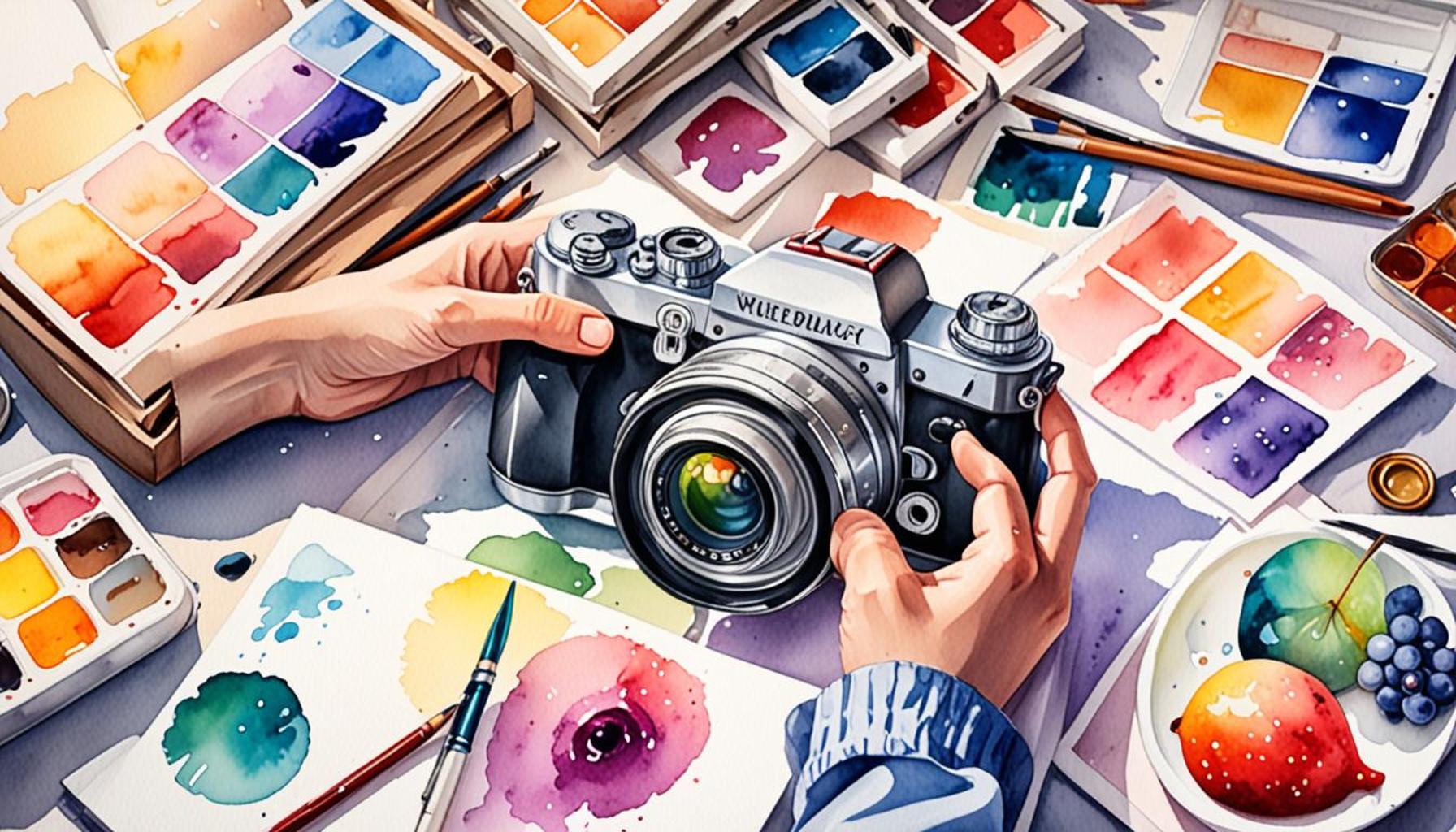
The Role of Photography in Enhancing Observation Skills
Photography is more than just creating striking images; it acts as a powerful lens through which individuals can train their observation skills, leading to a deeper understanding of both their environment and their own perceptions. Through the simple act of focusing a camera, people can refine their ability to notice and appreciate the nuances of everyday life. This heightened awareness can influence various facets of life, from improved creativity to a more profound emotional connection with the world.
- Heightened Awareness: Engaging in photography cultivates a sense of awareness. Photographers often develop a keen ability to recognize elements and emotions that others might overlook, transforming routine moments into opportunities for artistry. This practice of actively looking for interesting subjects can also extend beyond photography; individuals might find themselves more attuned to their surroundings, noticing the intricate interplay of light and shadow or the colors of a changing season.
- Observation Techniques: Techniques such as framing and focusing require a photographer to analyze their subject critically. For instance, when framing a shot, one must consider what to include and exclude, compelling them to make creative choices that can tell a deeper story. This deliberate selection process sharpens analytical skills that can be applied in diverse areas beyond photography, such as problem-solving or event planning.
- Attention to Detail: The act of capturing a fleeting moment necessitates an acute awareness of detail. Whether it’s the texture of bark on a tree in nature photography or the way light bounces off a glass surface in architectural photography, each detail contributes to the overall composition. This meticulous observation fosters a greater appreciation for artistry in both nature and design, leading to enhanced experiences in everyday activities, from cooking to decorating a home.
Regardless of whether you’re an amateur snapping pictures on your smartphone or a seasoned photographer with a high-end DSLR, the emphasis on focused observation transforms mundane scenes into compelling visual narratives. For example:
- Travel photography captures unique cultural elements, providing insights into different lifestyles. From the bustling markets of Marrakech to the serene temples of Kyoto, each image tells a unique story that offers glimpses into diverse traditions and cultures.
- Nature photography showcases intricate patterns in flora and fauna, from the delicate veins of a leaf to the intricate colors of a butterfly’s wings. These observations may inspire an appreciation for conservation efforts and the importance of biodiversity.
- Street photography documents the spontaneous moments of everyday life, including candid shots of people at a coffee shop or the vibrancy of street art. This genre often reflects social issues, stirring profound discussions about culture and community.
These examples illustrate how photography can serve as a powerful conduit for improved observation skills and profound attention to detail. As you immerse yourself deeper into the world of photography, you may find that your perspective shifts, enriching your understanding of the visual narratives that characterize the world around you. With every snapshot, there’s potential to transform the ordinary into the extraordinary, encouraging a more thoughtful and observant approach to life itself.
DISCOVER MORE: Click here to dive into exciting new hobbies
Unveiling the Hidden Details Through a Lens
The act of photography fundamentally relies on observation; it’s a dance between the photographer and the world around them. Every click of the shutter captures not merely an image but encapsulates moments that are rich in detail and emotion. By engaging deeply with their subjects, photographers refine their ability to observe and appreciate the subtleties that often go unnoticed. This practice not only enriches their photographic work but also cultivates a more profound appreciation for the everyday. Through the lens of a camera, one can unveil the intricacies that lie hidden in plain sight, demonstrating the remarkable potential of photography in enhancing observation skills.
- Seeing Beyond the Surface: Photography encourages individuals to move past initial impressions and delve into the nuances of their subjects. For instance, when photographing a bustling cityscape, a photographer might notice the delicate interplay of shadows cast by skyscrapers, transforming mundane scenes into dynamic compositions. This refined observation fosters a habit of looking beyond the surface, resulting in a greater understanding of the environment.
- Cultivating Patience and Focus: The pursuit of the perfect shot often requires considerable patience and focus. Whether waiting for the right moment to capture a fleeting expression or adjusting angles to achieve the perfect light, photographers learn to be present in their surroundings. This heightened state of awareness not only benefits their photography but also enhances their general ability to observe others in various contexts, from social interactions to professional settings.
- Creating Visual Stories: Each photograph has the potential to tell a story, and recognizing this potential encourages photographers to engage with subjects in a more meaningful way. The process of composing an image—deciding what elements contribute to the narrative—boosts critical thinking and attention to detail. This skill translates into everyday life, where noticing details can lead to more effective communication and an understanding of context in social situations.
Moreover, photography is a universal language that shares common human experiences. It invites individuals from diverse backgrounds to reflect on their surroundings and explore cultural facets often overlooked in daily life. For example:
- Documentary photography serves as a poignant reminder of social issues, bringing awareness to injustices and fostering empathy through shared visual narratives. Many powerful movements have garnered attention through compelling photographic essays, demonstrating how the art can engage the observer’s attention to detail in complex human experiences.
- Wildlife photography showcases the beauty and fragility of nature, providing a lens into ecosystems that might remain concealed otherwise. By focusing on animal behavior and habitats, photographers develop an acute sense of awareness that can inspire conservation efforts, encouraging society to value the intricacies of the natural world.
- Portrait photography reveals the depth of human emotion, capturing the expressions that tell a story often deeper than words can express. This genre helps observers appreciate subtleties in body language and expression, enhancing interpersonal empathy and communication skills.
As photographers immerse themselves in these diverse realms, they harness the ability to cultivate sharper observation skills and an unwavering attention to detail. With each image captured, the process of photography becomes not just a creative outlet but a transformative journey, enriching everyday life through a renewed perspective on the beauty of our surroundings.
The Role of Photography in Enhancing Perception
Photography is more than just a medium for capturing moments; it serves as a powerful tool that sharpens our observation skills and enhances our attention to detail. When we pick up a camera, our mindset shifts. We begin to focus on the arrangement of elements within a frame, the interplay of light and shadow, and the subtleties of colors. This heightened level of scrutiny fosters a greater awareness of our surroundings.As we delve deeper into photography, we learn to identify patterns, textures, and nuances that we often overlook in our everyday lives. This process encourages mindfulness, urging us to slow down and observe the world with a renewed perspective. By actively engaging with our environment through the lens of a camera, we develop the ability to notice the fine details that contribute to the overall beauty of a scene.Moreover, photography often involves thoughtful composition, where decisions regarding framing and angle can dramatically change the final image. Understanding these concepts enhances visual literacy, equipping individuals with a keener eye for detail not only in art but in various aspects of life, including design and everyday activities.
Benefits of Photography in Daily Life
The lessons learned from photography extend beyond the art itself. Improved observation skills can lead to better problem-solving abilities and creativity in various fields, from business to academic pursuits. Individuals trained in photography often excel in roles that require acute observational skills, such as quality assurance, research, or design.Additionally, photography can foster emotional intelligence, as it prompts individuals to capture emotions and moments in time. This practice encourages empathy and the understanding of diverse perspectives, further strengthening interpersonal relationships.In summary, photography serves as an invaluable skill that enhances not only our artistic expression but also our cognitive abilities and daily interactions. By immersing ourselves in the world of photography, we are opening the door to a richer, more detailed understanding of our environment and the people within it.
| Category 1 | Category 2 |
|---|---|
| Improved Observation Skills | Photography teaches us to notice details in our environment that we might otherwise overlook. |
| Creativity Boost | Engaging in photography encourages innovative thinking and problem-solving approaches. |
| Emotional Intelligence | Capturing emotions in photographs helps develop empathy and deeper connections with others. |
Through the art of photography, we not only enhance our attention to detail but also embark on a journey of self-discovery and deeper awareness of the world around us.
DIVE DEEPER: Click here to discover more
Transformative Lessons in Every Frame
Photography is more than just a hobby or professional pursuit; it serves as a transformative educational tool that sharpens observation and attention to detail. As photographers engage with different subjects and environments, they pick up valuable lessons that extend beyond capturing images. This educational journey enhances cognitive responses, encouraging individuals to explore new ways of looking at life through their unique lens.
- Embracing Imperfection: In photography, not every shot will turn out as planned. The act of reviewing images—editing, cropping, or even discarding—teaches photographers to recognize imperfections and appreciate them as part of the broader narrative. This acceptance encourages a mindset that values spontaneity and the beauty found in unintentional moments, inspiring a more profound engagement with life’s unpredictability.
- Mastering Composition: Composition plays a critical role in photography, requiring a keen eye for balance, leading lines, and focal points. Through practice, photographers learn to arrange elements in a way that leads the viewer’s gaze and highlights the significance of each detail. This conscious attention to composition fosters a deeper understanding of structure and visual aesthetics that can be applied to various aspects of life, including design, architecture, and personal style.
- The Power of Light: Light is essential to photography, influencing mood, atmosphere, and perception. Photographers spend time learning how to harness natural light, which helps them become more observant of their environment’s tonal qualities. By developing the ability to discern how light interacts with different surfaces, individuals gain insight into the nuances that affect how we perceive our surroundings, affecting everything from art appreciation to spatial awareness.
Furthermore, the social aspect of photography creates a powerful platform for observation in community and interaction. Consider how:
- Photo walks, where groups explore a neighborhood with cameras in hand, ignite conversations about local culture and hidden gems. This collaborative learning fosters a sense of community while enhancing attention to detail among participants, as they share insights and perspectives through their lenses.
- Photography workshops and classes stimulate discussion around composition, lighting, and storytelling. These collaborative experiences encourage participants to look critically at their own work and that of others, leading to valuable feedback that centers on detail-oriented analysis and constructive critique.
- Social media platforms allow photographers to share their images with broader audiences, prompting dialogues about technical prowess and artistic expression. This feedback culture encourages individuals to be more attuned to the details that resonate with viewers, honing their ability to communicate visually and comprehend the subtleties that evoke emotional responses.
As individuals dive deeper into the world of photography, they invariably cultivate an enhanced awareness of their surroundings that transcends the art form itself. The commitment to seeing, interpreting, and capturing the complexities of life fosters a level of observation that significantly informs their interactions and experiences. In embracing photography, one embarks on a journey that nurtures a profound sense of curiosity and detail-oriented thinking, ultimately changing the way they engage with the world. Each image captured is not just a visual representation but a key unlocking the doors of a more observant, detail-oriented life.
DISCOVER MORE: Click here to enhance your skills
Conclusion: A Lens to a Vibrant World
In summary, the importance of photography in enhancing observation and attention to detail cannot be overstated. As individuals pick up their cameras and explore the world, they undergo a transformative process that heightens their awareness and appreciation for the intricacies of their surroundings. The lessons learned through the art of photography, from embracing imperfections to mastering light and composition, extend far beyond mere picture-taking, becoming invaluable life skills.
The interplay of creativity and constructive critique found in photography workshops and community events enriches both personal growth and social connection, allowing individuals to share their unique perspectives while honing their observational skills. Notably, the rise of digital platforms further amplifies this engagement, challenging photographers to consider how their work resonates with broader audiences and encouraging a dialogue centered around detail-oriented storytelling.
Ultimately, photography is a gateway to a richer, more nuanced existence. By cultivating a mindful approach to observing the world, individuals develop a keen sense of curiosity that can influence various aspects of their lives—from interpersonal relationships to professional endeavors. Each photograph captures a fleeting moment, serving as a reminder that the details matter. As we continuously refine our vision through the lens, we unlock the potential to lead more engaged and fulfilling lives, making every frame count.
Related posts:
Dance as a Form of Expression: Developing Body Awareness and Self-Esteem
The Practice of DIY (Do It Yourself): Fostering Innovation and Self-Confidence
Music as a Tool for the Development of Creativity and Critical Thinking
How Painting Can Enhance Your Problem-Solving Skills
Sewing Techniques: Developing Patience and Manual Skills
Boost Your Career How Creative Hobbies Enhance Skill Growth

Linda Carter is a writer and creative hobbies expert specializing in crafting, DIY projects, and artistic exploration. With extensive experience helping individuals discover their creative potential and bring their ideas to life, Linda shares her knowledge on our platform. Her goal is to empower readers with practical tips, inspiring ideas, and step-by-step strategies for success in the world of creative hobbies.