The Importance of Cultural Activities in Promoting Personal Creativity
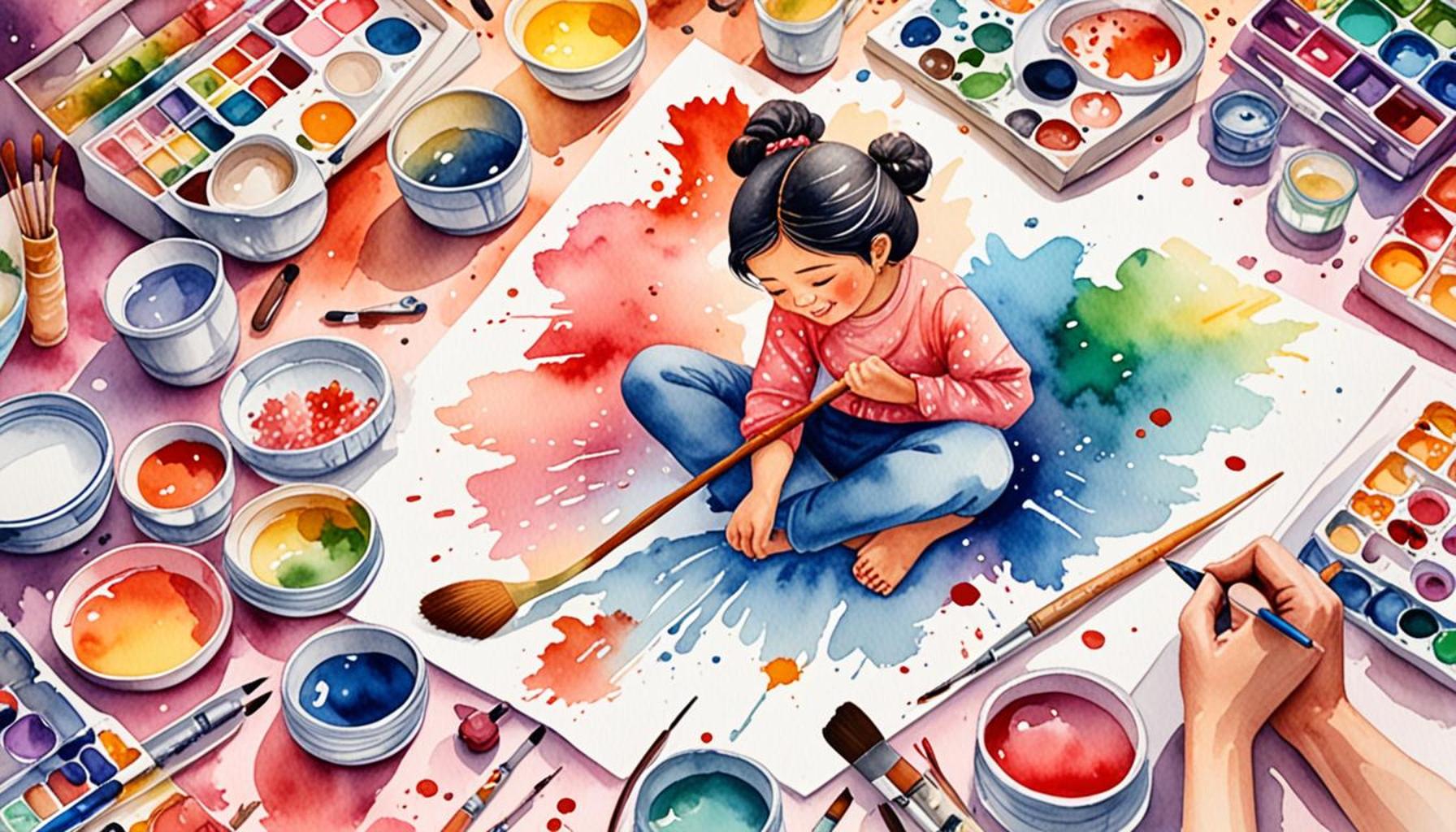
The Importance of Engaging in Cultural Activities
Cultural activities, ranging from visual arts to performing arts, have a significant influence on nurturing personal creativity. These diverse engagements do more than simply entertain; they open doors to new ways of thinking and interpreting the world around us. When individuals immerse themselves in various aspects of culture, they often find their creative capacities reshaped in compelling ways.
Take a moment to consider the different facets of cultural engagement:
- Art and Music: Immersing oneself in the world of art—whether through visiting galleries, creating personal artwork, or attending concerts—can greatly enhance one’s imaginative thinking. For example, drawing inspiration from modern art can encourage an individual to explore abstract ideas and communicate them visually.
- Literature: Engaging with literature, whether through novels, poetry, or essays, opens up a multitude of perspectives. By reading works from diverse authors, readers can stimulate their creative thought processes and challenge their own viewpoints. For instance, a reader immersing themselves in magical realism may find new ways to juxtapose reality and imagination in their own writing.
- Theater and Dance: Participating in or viewing performances can push boundaries of emotional expression. The dynamic nature of theater and dance often challenges societal norms, allowing both participants and audiences to explore deeper emotional narratives and innovative storytelling techniques.
The benefits of cultural engagement extend beyond simple enjoyment and entertainment. Studies have shown that individuals who actively participate in cultural activities tend to report higher levels of creativity. This is largely attributable to several factors:
- Encourage Collaboration: Engaging in cultural activities often involves teamwork, which fosters robust idea-sharing and mutual growth. For instance, collaborating on a mural project can lead to the exchange of creative ideas that fuel individual and collective creations.
- Enhance Problem-Solving Skills: Many cultural activities present challenges that require innovative thinking to navigate. For example, participating in an improv theater group helps individuals think on their feet, refining their ability to adapt and find solutions spontaneously.
- Promote Emotional Intelligence: Exposure to varied narratives through cultural activities deepens individuals’ empathy and awareness of diverse experiences. This emotional intelligence is crucial not only in personal creativity but also in understanding complex social narratives.
In the United States, a nation celebrated for its cultural diversity, the implications of engaging in cultural activities are profound. Whether it’s attending a community harvest festival, participating in local art walks, or supporting independent theatre productions, these experiences provide fertile ground for cultivating personal creativity. Not only do these cultural avenues enrich individuals’ lives, but they also contribute to a dynamic and evolving creative landscape that reflects the diverse fabric of society.
The invitation is clear: dive into the vibrant sea of cultural endeavors that surround us. Whether you choose to pick up a paintbrush, attend a concert, or get lost in a captivating novel, the possibilities for igniting your creative spark are endless. As you explore these rich cultural experiences, you may discover unique aspects of your own creativity that you never knew existed.
EXPLORE MORE: Click here to unlock new skills
Unlocking Creativity Through Cultural Engagement
Cultural activities serve as vital conduits for personal creativity, offering unique opportunities to break free from conventional thinking patterns. Engaging in various forms of culture stimulates the imagination and encourages innovative problem-solving. Whether through artistic expression, literary exploration, or performance arts, these activities provide individuals with a platform to experiment, reflect, and grow artistically.
One of the key aspects of cultural activities is their ability to challenge participants to think beyond the ordinary. When individuals engage in artistic endeavors such as painting, sculpture, or pottery, they are not merely creating objects; they are developing their own artistic voice. The tactile experience of working with materials—be it clay, paint, or textile—cultivates a sense of discovery and fosters a personal connection to the creative process. This connection has a profound impact on self-expression and innovation.
Moreover, attending cultural events provides inspiration that enhances individual creativity. For instance, visiting a local art exhibition or a contemporary dance performance offers new perspectives on creativity and human experience. It encourages observers to reconsider their own artistic expressions and invites them to interpret the world through a fresh lens. This multifaceted exposure shapes the mind, allowing individuals to synthesize new ideas and approaches in their own creative endeavors.
Importantly, cultural activities can enrich creativity in several specific ways:
- Imagination Expansion: Participating in cultural activities expands one’s imagination by exposing individuals to a variety of ideas and forms. Engaging with various artistic styles, themes, and narratives can inspire fresh concepts and unlock innovative directions in personal projects.
- Skill Development: Many cultural pursuits—such as writing, acting, or playing a musical instrument—require the honing of skills that can be directly applied to fostering creativity. Continuous practice in these fields fosters a greater sense of mastery and confidence, enabling individuals to take creative risks more readily.
- Community Building: Cultural activities often encourage collaboration and foster community connections. By participating in group workshops or local art displays, individuals can gain insights from peers, share diverse experiences, and spark collective creativity within a supportive network.
Furthermore, numerous studies support the link between engagement in cultural activities and enhanced personal creativity. For instance, research conducted by the National Endowment for the Arts indicates that individuals who participate in arts-related activities are more likely to express themselves creatively in other domains of life. This creative cross-pollination can lead to innovative solutions and original ideas that may not have emerged otherwise.
In the vibrant cultural landscape of the United States, communities across the nation provide endless opportunities to engage in cultural activities—from art fairs in smaller towns to large-scale exhibitions in major cities. These experiences are more than mere entertainment; they form a critical foundation promoting personal creativity and personal growth.
The Role of Cultural Activities in Enhancing Individual Expression
Cultural activities encompass a wide range of experiences, from visual arts to performing arts, literature, and music. Engaging in these activities promotes personal creativity by allowing individuals to express their thoughts and emotions in unique ways. When individuals immerse themselves in cultural settings, they are exposed to diverse perspectives and ideas that challenge their thinking, fostering innovation and original thought.Notably, participation in cultural events can stimulate creative thinking. For instance, attending a theater performance or an art exhibition can inspire new ideas and concepts that individuals can incorporate into their work or personal projects. Additionally, cultural activities often encourage collaboration and interaction among participants, which can further enhance creativity. Team-based projects, workshops, and collaborative art installations are excellent examples that show how working alongside others can lead to the development of new creative pathways.Moreover, cultural activities serve as a means of relaxation and stress relief, which is crucial for maintaining mental well-being. Engaging in creative endeavors can act as a therapeutic outlet, allowing individuals to unwind while also igniting their imagination. This interplay between relaxation and creativity is essential, as a calm mind is often more open to creative exploration.
Utilizing Cultural Experiences to Cultivate Creativity
The benefits of cultural activities extend beyond personal expression; they contribute to broader societal growth. Communities that prioritize cultural initiatives often experience enhanced social cohesion and collaboration, as these activities promote shared experiences and strengthen relationships among individuals from varying backgrounds. In this light, cultural activities can bridge gaps and foster understanding, which is fundamental for harmonious living in a diverse society.In promoting personal creativity, it is essential to consider incorporating cultural experiences into daily routines. Many organizations and local communities offer resources, workshops, and events aimed at encouraging participation in the arts. Individuals seeking to boost their creativity may benefit from attending local cultural festivals, participating in art classes, or even exploring virtual cultural events that have grown in popularity. These experiences not only enrich personal artistic abilities but also stimulate intellectual curiosity, ultimately leading to a more creative and fulfilling life.
| Advantages | Description |
|---|---|
| Diverse Perspectives | Cultural activities expose individuals to new ideas and viewpoints, enhancing their creative capacity. |
| Social Bonding | They create opportunities for interaction, fostering teamwork and collaboration. |
| Creative Therapy | Engaging in arts and culture provides a mental health outlet, reducing stress and unlocking creativity. |
| Community Growth | Cultural initiatives promote a sense of belonging and understanding within diverse societies. |
These insights reveal the multifaceted ways cultural activities nurture personal creativity, making them an essential component of individual and societal development.
EXPLORE MORE: Click here to unlock your creativity
Bridging Cultures and Cultivating Minds
Cultural activities also serve as a bridge that connects diverse backgrounds, enhancing personal creativity through shared experiences and perspectives. In our increasingly globalized world, participation in cultural exchanges—such as international festivals, culinary events, or art and film showcases—enables individuals to appreciate different narratives and modes of expression. This exposure encourages creative thinkers to borrow elements from various cultures, ultimately enriching their own artistic capabilities.
Consider the profound impact of cultural diversity on culinary arts. By embracing traditional recipes and cooking styles from different cultures, individuals can infuse their own culinary creations with unique flavors and techniques. This not only broadens their skill set but also inspires innovative dishes that reflect a fusion of cultural influences. The same principle applies across all creative outlets—be it music, visual arts, or writing—where blending different styles can result in groundbreaking works.
Additionally, the importance of storytelling in cultural activities cannot be overstated. Storytelling is a fundamental aspect of human connection and is present in every culture. Engaging in activities like community theater or poetry slams allows individuals to articulate their personal narratives while connecting with others. As participants share their stories, they draw from their experiences, fears, and aspirations, fostering emotional creativity. This exchange can ignite a spark of inspiration in others, encouraging them to explore their own stories and emotions through creative outlets.
Furthermore, cultural activities emphasize the significance of experimentation in the creative process. For many artists, the act of creation can often be accompanied by hesitation or self-doubt. Engaging in cultural practices, however, encourages a mindset of exploration and risk-taking. Workshops and think tanks often promote creative exercises that challenge participants to step outside their comfort zones. For example, painting workshops may encourage individuals to use unconventional materials like coffee or dirt, while improvisational theater invites actors to create scenes spontaneously and collaboratively. Embracing this spirit of experimentation fosters resilience and adaptability—key components in honing personal creativity.
- Access to Resources: Engaging with cultural institutions provides individuals with access to valuable resources such as museums, libraries, and performance spaces. These venues often host educational programs, workshops, and exhibitions that enable participants to enhance their skills and knowledge, thereby enriching their creative pursuits.
- Therapeutic Benefits: In addition to fostering creativity, cultural activities can have therapeutic benefits. Activities such as dance, music therapy, and community art initiatives have been shown to reduce stress and improve mental wellbeing. A healthy mental state is key for creativity, as it allows individuals to be more open to inspiration and the creative process itself.
- Building Cultural Literacy: Engaging with cultural activities fosters cultural literacy, equipping individuals with the knowledge needed to navigate and critically engage with a complex world. This awareness enhances their ability to think critically about social issues and inspires meaningful artistic responses.
The ripple effect of engaging in cultural activities ultimately strengthens communities while promoting individual creativity. By coming together to share, learn, and support one another in creative endeavors, individuals cultivate not only their talents but also a sense of belonging and shared purpose. In the end, cultural participation elevates creativity beyond individual expression, inviting a vibrant tapestry of human experiences and perspectives to emerge.
DIVE DEEPER: Click here to learn the art of visual storytelling
Conclusion: Celebrating Creativity Through Cultural Engagement
The exploration of cultural activities stands as a vital cornerstone in promoting personal creativity and enhancing the human experience. Through engaging with different cultural expressions—be it through art, music, theater, or cuisine—individuals are not merely spectators; they become active participants in a larger narrative that enriches their perspectives. This vibrant engagement allows for a unique fusion of ideas, empowering individuals to break free from conventional thinking and discover innovative pathways in their creative pursuits.
As we have seen, cultural activities provide diverse avenues for expression that encourage people to experiment, collaborate, and share their stories. This continuous interaction fosters a sense of community and interconnectedness, where creativity thrives in the company of others. Furthermore, the therapeutic aspects of cultural engagement cannot be overlooked. By alleviating stress and promoting emotional well-being, these activities create a fertile ground for inspiration and artistic exploration.
In our modern world, where isolation can stifle creativity, it becomes increasingly crucial to seek out and participate in cultural events that stimulate the mind and spirit. As individuals delve into rich cultural experiences, they expand their creative vocabulary and develop the capacity to think beyond traditional boundaries. Ultimately, sustaining this momentum of exploration, experimentation, and cultural exchange not only enhances personal creativity but also strengthens the fabric of our communities.
To truly embrace the importance of cultural activities in personal creativity, let us encourage each other to participate, learn, and grow. After all, creativity is not just an individual endeavor; it is a collective journey that, when shared, illuminates the brilliance of human expression. The call to action is clear: engage with cultural activities, celebrate diversity, and unlock the potential that resides within.
Related posts:
How Cultural Diversity Enriches the Practice of Artistic Hobbies
The Influence of Cultural Activities on the Creation of Creative Hobbies: Exploring the Intersection...
The Integration of Cultural Activities and Creative Hobbies in Promoting Mental Well-Being
The Importance of Cultural Activities in Enhancing Emerging Creative Hobbies
Exploring the Intersection of Creative Hobbies and Local Cultural Heritage
Cultural Activities Impact on Creativity Boost Hobbies with Dance Music Theater

Linda Carter is a writer and creative hobbies expert specializing in crafting, DIY projects, and artistic exploration. With extensive experience helping individuals discover their creative potential and bring their ideas to life, Linda shares her knowledge on our platform. Her goal is to empower readers with practical tips, inspiring ideas, and step-by-step strategies for success in the world of creative hobbies.