The Importance of Ceramics in the Connection between Creativity and Mindfulness
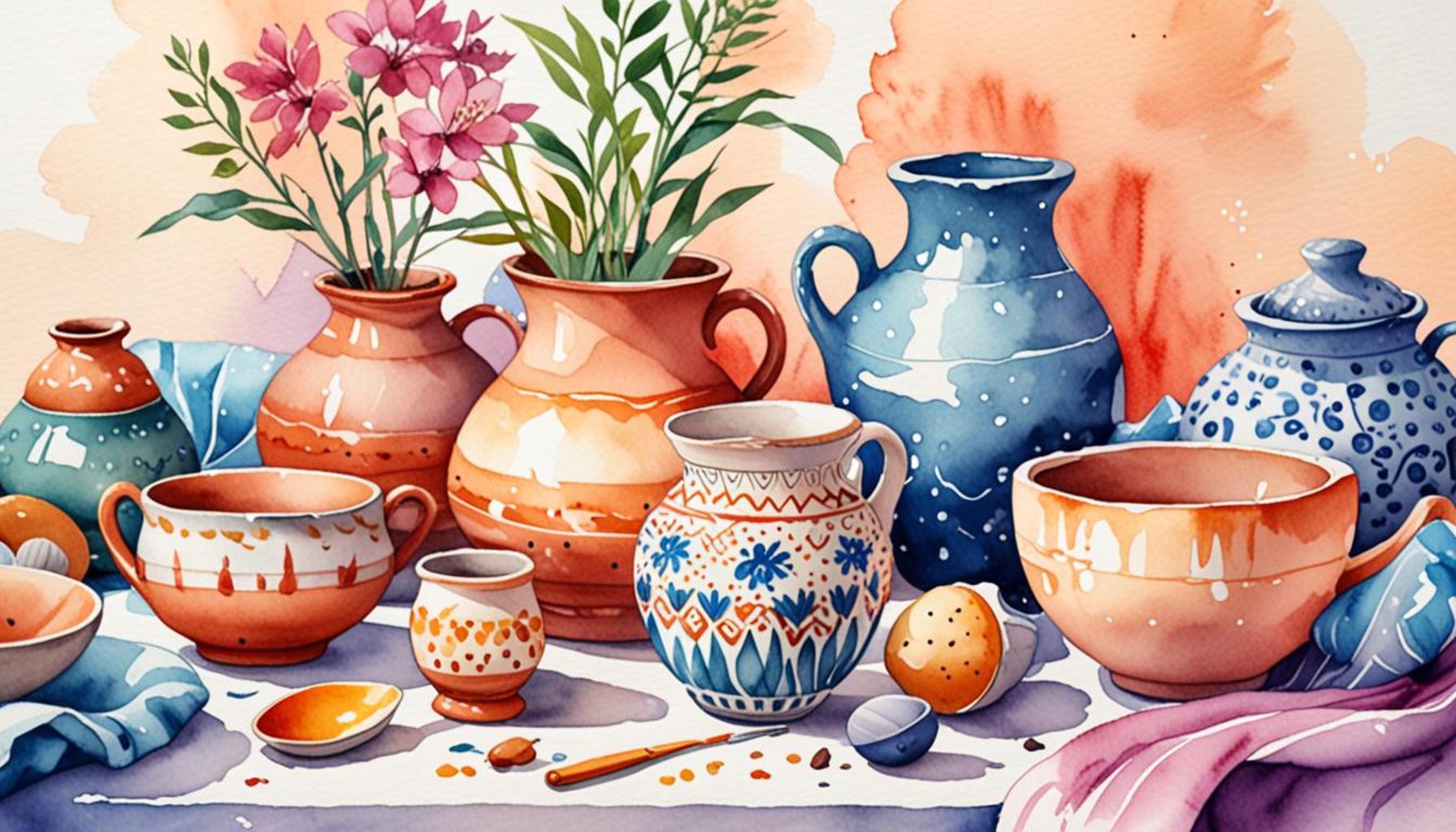
The Transformative Journey Through Ceramics
In a world filled with the rapid pace of daily life and constant digital engagement, the search for moments of tranquility becomes increasingly vital. One pathway to serenity lies in the ancient art of ceramics, a medium that seamlessly combines artistic innovation with a meditative practice. Engaging in ceramics not only nurtures the creative spirit but also fosters a deep sense of mindfulness, making it an invaluable tool for personal well-being.
Hands-On Engagement: The Tactile Journey
The act of shaping clay is a profoundly hands-on experience that promotes a tangible connection to the material world. As individuals plunge their fingers into the soft, malleable clay, they become intimately aware of their surroundings and the process at hand. This engagement can draw one into the present moment, acting as a counterbalance to the distractions of life. Imagine molding a pot, feeling the coolness of the clay, and observing how it responds to each gentle press and pull. Such experiences not only enhance sensory awareness but also cultivate a sense of grounding and peace.
Focus and Concentration: The Art of Mindfulness
The meticulous nature of ceramics demands concentration, which can serve as a powerful antidote to the noise of modernity. When working on a piece, whether it be hand-building or throwing on a potter’s wheel, artists must direct their full attention to the task. This focused engagement requires that one set aside worries and distractions, fostering a meditative state. Studies have shown that activities requiring sustained attention can promote relaxation and reduce feelings of anxiety, helping individuals channel their thoughts into something constructive and rewarding.
Creative Freedom: A Canvas for Self-Expression
Ceramics provides an incredible platform for creative freedom, where artists can experiment with various styles, colors, and techniques. From traditional forms to modern sculptures, the artistic possibilities are endless. One can explore glazing methods, hand-painting techniques, or sculptural designs, enabling profound self-expression and exploration of personal themes. This diversity not only nurtures creativity but also allows individuals to express their thoughts and emotions, often leading to a better understanding of themselves.
Moreover, the community aspect of ceramics plays a significant role in enhancing well-being. From local workshops in small towns to bustling cities across the United States, enthusiasts gather to share their passion. This sense of belonging provides emotional support and further enriches the creative experience.
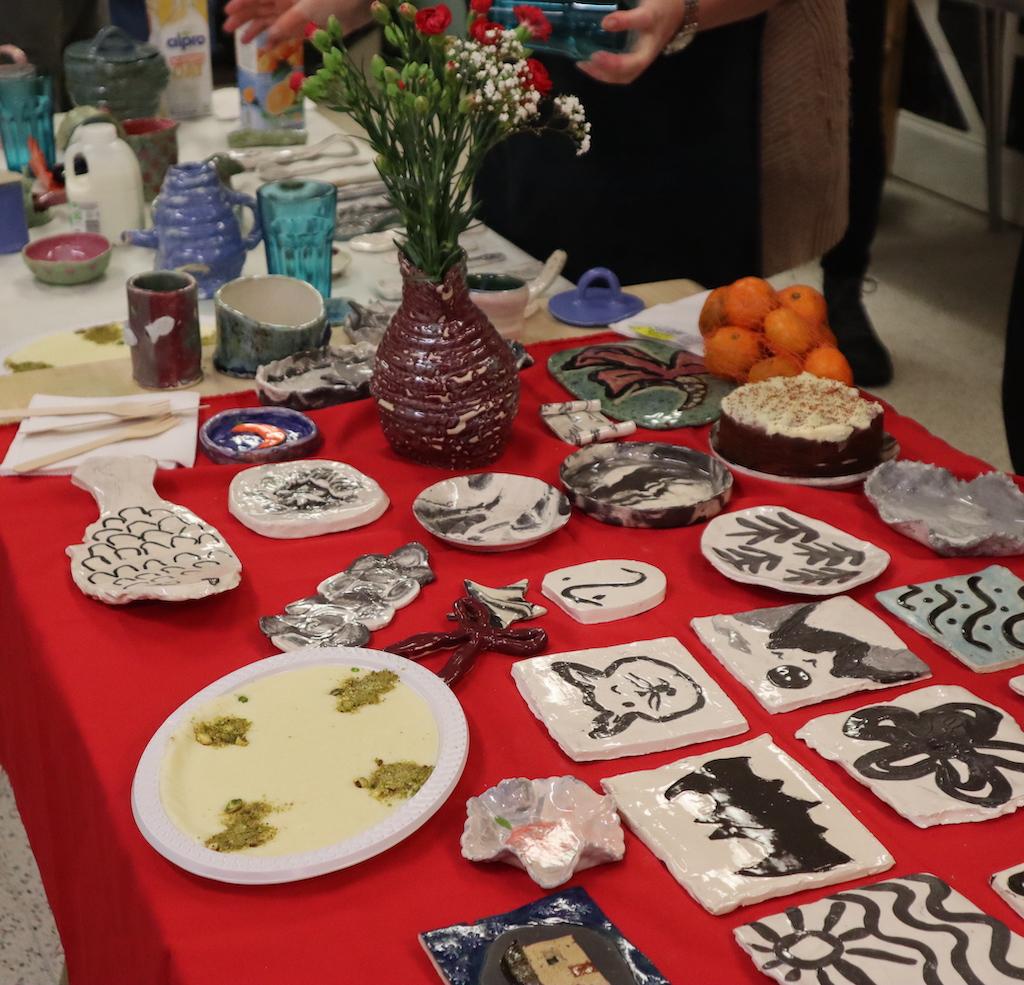
Ultimately, ceramics is more than simply an artistic outlet; it can be seen as a crucial component in the journey toward greater self-awareness and tranquility. As individuals sculpt and create, many find themselves immersed in a state of flow, where creativity merges seamlessly with mindfulness, replenishing the spirit and fortifying mental health. It reveals that the practice of ceramics transcends the boundaries of a craft to become a transformative experience that nurtures both the mind and the creative soul.
EXPLORE MORE: Click here to discover the power of continuous learning
The Material Manifestation of Thought
The world of ceramics serves as a material manifestation of one’s thoughts and feelings, providing artists a unique avenue to channel their inner dialogue into tangible forms. Beyond simply creating artifacts, ceramics allows practitioners to explore their identity and emotion through various techniques and styles. Engaging with clay can become a reflective journey, unveiling deeper insights about one’s self and one’s environment.
Therapeutic Benefits: Healing through Creation
Research into the therapeutic benefits of ceramics highlights its potential in promoting mental health. Engaging in this hands-on activity can facilitate emotional expression and healing. For instance, individuals who work with clay report reductions in stress levels and increased feelings of calm. The repetitive motions involved in shaping and molding clay can have a soothing effect, similar to techniques used in mindfulness practices like meditation. Engaging the senses fully in the act of creation fosters connections between mind and body, offering a unique space for restoration.
Key therapeutic benefits of working with ceramics include:
- Reduction of anxiety: Engaging in the tactile process can distract from external stressors and promote relaxation.
- Improved focus: Concentrating on the intricate processes of shaping and glazing helps cultivate mindfulness.
- Emotional expression: The freedom to explore personal themes and emotions leads to a deeper understanding of oneself and a positive emotional release.
The Connection to Community: Shared Creativity
Furthermore, ceramics opens the door to a vibrant community of makers and artists. From local studios to community centers, ceramists often form close-knit groups that foster collaboration and shared learning. This sense of community enhances the experience of ceramic creation, as individuals can exchange ideas, techniques, and inspiration. Such interactions often lead to greater levels of creativity as well as emotional support.
In the context of the United States, numerous ceramics workshops and art schools provide engaging environments for enthusiasts of all skill levels. Programs like those at the Pennsylvania Academy of the Fine Arts or the Penland School of Craft offer an array of courses, encouraging participants to embody both the role of creator and learner. These opportunities not only engage individuals in the art of ceramics but also promote a sense of belonging in a community of like-minded individuals.
In essence, the practice of ceramics transcends mere artistic expression. By encouraging one to engage in a mindful and creative process, it fosters connections that can lead to greater self-awareness, emotional healing, and community building. The rhythm of the wheel, the feel of the clay, and the collective energy of fellow artists converge to create an experience rich with opportunities for personal growth and transformation.
As we delve deeper into the topic of ceramics and its relationship with creativity and mindfulness, it’s essential to recognize the intricate processes involved in ceramic art. The tactile experience of molding clay serves as a bridge between the artist’s mind and the material. This hands-on engagement offers a unique opportunity for individuals to enter a state of flow, where they can lose themselves in the moment, enhancing their overall mindfulness.
Creating ceramics allows for a meditative experience. The repetition of actions, whether it’s shaping, glazing, or firing, aids in quieting the mind. This practice not only enhances concentration but also fosters a sense of peace, allowing for personal reflection. Engaging in art forms like ceramics can significantly lower levels of stress and anxiety, offering both psychological and emotional benefits.
Moreover, working with clay can stimulate imagination and innovation. As artists experiment with different techniques and forms, they celebrate the beauty of imperfection—a central tenet in Zen philosophy. This embrace of uncertainty encourages creativity by allowing for unexpected results, which often lead to unique artistic expressions.
Furthermore, community workshops focused on ceramics can provide a supportive space for sharing ideas and techniques. The collaborative environment nurtures social connections and enhances creative exchanges, reinforcing the bond between mindfulness, creativity, and communal interaction. Participants often emerge from such experiences feeling invigorated and inspired, which can lead to expansive creative outputs beyond the ceramic art form.
Engaging in ceramics not only cultivates individual growth but also opens avenues for social bonding and community building. Thus, the relationship between ceramics, creativity, and mindfulness is not merely an individual pursuit; it embodies the essence of human connection and self-discovery.
| Category | Description |
|---|---|
| Creativity Enhancement | Ceramics fosters innovation and imaginative expression through hands-on engagement. |
| Mindfulness Practice | The repetitive actions in ceramics encourage a meditative state, reducing stress and promoting focus. |
DISCOVER MORE: Click here to dive deeper into improvisation techniques
Cultivating Presence: The Mindfulness Journey
Practicing ceramics is not merely an artistic endeavor; it’s a journey of mindfulness that invites individuals to immerse themselves completely in the present moment. The act of working with clay demands a heightened awareness of one’s surroundings and physical sensations, which fosters a sense of connection to the present. As artists knead, roll, and sculpt, they engage in a multi-sensory experience that enhances their focus and encourages mindfulness.
Meditative Qualities of Clay Work
The tactile nature of clay offers intrinsic meditative qualities. The process, often described as rhythmic and repetitive, can induce a trance-like state that mirrors traditional meditation practices. This mindfulness aspect is particularly beneficial in today’s fast-paced world, where distractions abound. Studies have shown that engaging in hands-on activities, like ceramics, not only quiets the mind but also leads to increased levels of creativity and emotional clarity. For instance, participants in pottery classes frequently report a significant drop in stress and an increased ability to cope with daily challenges.
- Heightened sensory engagement: The experience of feeling the texture, temperature, and weight of clay captivates attention and grounds practitioners in the current moment.
- Enhanced self-awareness: Through focused creation, artists can observe their emotional responses and thoughts, paving the way to deeper self-discovery.
- Pursuit of imperfection: The kiln fires imperfections into unique characteristics, ultimately nurturing a mindset of acceptance and the recognition of beauty in flaws.
Bridging Generational Gaps: Learning and Mastery
Ceramics serves as a bridge across generations, creating opportunities for mentorship and knowledge sharing. Many community studios host programs that pair experienced ceramicists with novices, fostering intergenerational connections that enrich the craft. Outlets like the Brooklyn Clay center encourage this dynamic exchange, where both young and old can engage in collaborative projects and learn from each other’s experiences. This sharing of wisdom not only nurtures creativity but also deepens community ties.
Additionally, this generational transmission of skills is vital for preserving cultural heritage through ceramics. Many traditional techniques, passed down over centuries, reflect the identity and creativity of various communities. By engaging in these practices, artists not only celebrate their ancestry but also contribute to a collective mindfulness that honors their roots and the art form itself.
Environmental Consciousness Through Craft
In recent years, there has been a growing emphasis on sustainable practices within the ceramics community. This venture into eco-friendly ceramics not only reflects creativity but also encourages mindfulness towards the environment. Artists are increasingly turning to sustainable sourcing of materials and non-toxic glazes, elevating their environmental consciousness while still expressing their creativity. Programs like Earthens promote this movement by showcasing how artists can lessen their ecological footprint while creating beautiful works of art.
This mindful approach extends beyond the workshop and into everyday life, encouraging practitioners to become more aware of their consumption habits and the impact of their choices on the planet. In this way, ceramics not only foster creativity but also cultivate an ethos of mindfulness that resonates in both personal and environmental realms.
DISCOVER MORE: Click here to uncover the benefits of artistic exploration
Embracing the Art of Ceramics for a Mindful Life
As we explore the intricate relationship between creativity and mindfulness, it becomes evident that ceramics is more than just an artistic form—it’s a profound practice that enhances our connection to the present and fosters emotional clarity. Through the tactile engagement with clay, individuals are invited to enter a meditative state, allowing them to embrace the beauty of imperfection while cultivating self-awareness. The rhythmic actions of shaping and molding not only offer therapeutic benefits but also create opportunities for introspection, ultimately leading to a richer understanding of oneself.
The potential of ceramics to bridge generational divides exemplifies how this medium can foster community and continuity. By passing down traditional techniques and sharing knowledge, ceramic artists contribute not only to their personal growth but also to the fabric of cultural heritage. Programs such as those found at Brooklyn Clay highlight the importance of collaboration and mentorship, breathing life into a collective mindfulness that resonates through generations.
Furthermore, the commitment to sustainable practices within the ceramics community underscores a broader movement towards environmental consciousness. By incorporating eco-friendly materials and techniques, artists are challenged to reflect not only on their creative expressions but also on their impact on the planet. This alignment of creativity with a mindful approach to consumption invites practitioners to reconsider their relationship with the world around them.
In conclusion, by engaging with ceramics, individuals can embark on a fulfilling journey that cultivates both creativity and mindfulness. As we continue to navigate a fast-paced world, embracing the art of ceramics offers a unique pathway to reconnect with ourselves, our communities, and the environment. Discover how ceramics can transform your life, enriching your experience and enhancing your well-being.
Related posts:
The Art of Visual Storytelling How Illustration Boosts Creativity
Theatrical Performance as a Form of Liberation: How the Actor Transforms Emotions into Art
Music as Sound Painting: Exploring Synesthesia in Musical Composition
Writing the Unexpected Surrealisms Impact on Modern Poetry
Letters to the Future: Writing Letters as a Form of Reflection and Creativity
Music and Authenticity: Composing Songs that Reflect the Personal Journey

Linda Carter is a writer and creative hobbies expert specializing in crafting, DIY projects, and artistic exploration. With extensive experience helping individuals discover their creative potential and bring their ideas to life, Linda shares her knowledge on our platform. Her goal is to empower readers with practical tips, inspiring ideas, and step-by-step strategies for success in the world of creative hobbies.