The Art of Visual Storytelling How Illustration Boosts Creativity
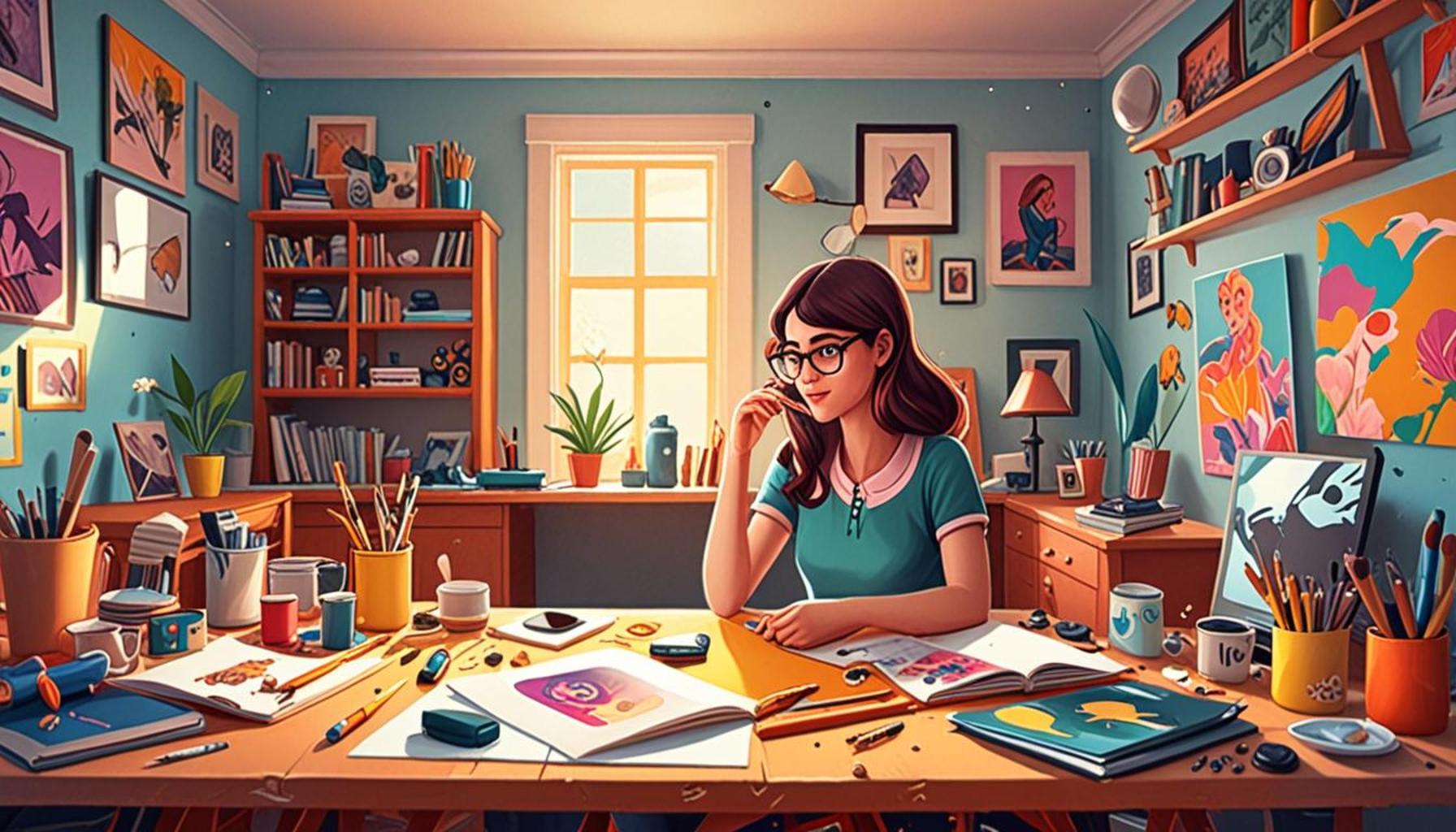
Unleashing Creativity through Visual Arts
In a world where visual content reigns supreme, the art of storytelling is evolving dramatically. Illustrations have emerged as powerful tools that not only capture attention but also ignite imagination and expand creative horizons. As we delve into the intersection of illustration and creativity, it’s crucial to understand how these artistic expressions can influence various creative hobbies.
The Importance of Visual Storytelling
Visual storytelling appeals to a broad audience, making it essential for artists, writers, and marketers alike. This medium allows for a unique form of expression that can resonate with diverse groups through engaging imagery. From graphic novels to social media content, illustrations’ communicative power is unparalleled.
What to Expect
In this article, we’ll explore how illustration serves as a catalyst for creativity and innovation. Get ready to discover the Top 5 ways that visual storytelling can transform your artistic endeavors, from enhancing narratives to inspiring new projects. Stay tuned as we reveal techniques, resources, and insights that can elevate your creative pursuits.
The Art of Visual Storytelling: How Illustration Can Expand Creativity
Visual storytelling is a powerful and transformative method for enhancing creativity. It allows illustrators and artists to express complex ideas in a form that is both accessible and evocative. This article explores the top 5 ways in which illustration can unlock a wealth of imagination and artistic expression. By engaging with these aspects, whether you are a budding artist or a seasoned storyteller, you’ll find ways to broaden your creative horizons and explore new dimensions of art.
5. The Power of Symbolism in Illustration
One crucial aspect of visual storytelling is the use of symbolism. Symbolism in art provides an avenue to infuse deeper meaning into work, resonating on an emotional and often subconscious level with audiences. For example, a dove is universally recognized as a symbol of peace, while a storm cloud might convey chaos or impending challenges. These symbols enrich the narrative, inviting viewers to engage more deeply and interpret the artwork in a way that is personal and unique to them.

Consider the famous painting “The Persistence of Memory” by Salvador Dalí, featuring melting clocks draped over a barren landscape. This imagery invites speculation and introspection about time’s malleability and the persistence of memory itself. By embracing symbolism in their work, artists can:
- Enhance emotional impact: Visual symbols evoke a range of feelings, creating strong connections with the audience.
- Encourage interpretation: Audiences are inspired to delve beneath the surface and explore deeper meanings.
- Create thematic depth: Consistent symbols reinforce overarching themes, making narratives more compelling and cohesive.
4. Color Theory and Emotional Response
The application of color in illustrations significantly influences our emotional responses. Different hues and palettes trigger a spectrum of emotions; for instance, blue might evoke tranquility and introspection, whereas red can incite passion or urgency. Understanding color theory provides illustrators with the ability to manipulate these emotions strategically, enhancing their storytelling capabilities.
Consider how mood changes with a shift in the color palette from vibrant yellows and oranges to muted blues and grays. Each combination tells a different story and evokes varied emotional reactions. Artists can create a distinct mood by:
- Selecting a color palette: Harmonious or contrasting color choices convey an atmosphere instantly.
- Utilizing color gradients: Gradients transition emotions subtly, guiding the viewer’s mood through the artwork.
- Considering cultural meanings: Colors hold diverse connotations across cultures, influencing interpretation and emotional resonance significantly.
3. Story Arcs Through Sequential Art
Sequential art, prominently seen in comics and graphic novels, empowers storytellers to construct story arcs through successive illustrations. This format underlines the importance of pacing, panel composition, and transitions to create a narrative rhythm. Sequential art not only depicts a story but also engages viewers in an experience that mirrors the flow of actions and emotions within the narrative.
Think about how suspense is built in a graphic novel through cliffhangers and timing. By mastering sequential illustration techniques, artists can:
- Build suspense: Thoughtful panel layouts create anticipation and excitement.
- Establish character progression: Characters visually evolve as the story unfolds, adding depth and complexity.
- Guide viewer engagement: Strategic composition directs the audience’s eye, ensuring the narrative is consumed as intended.
2. Character Development Through Visual Design
A vital element of storytelling within illustration is robust character development. Compelling characters emerge from understanding their backgrounds, motivations, and arcs. Illustrators use visual elements such as facial expressions, body language, and attire to vividly portray a character’s personality and emotional state.
Take Disney’s animated characters who, through distinctive designs, convey profound traits and emotions even before they speak. Through visual design, artists can:
- Create relatability: Characters expressing genuine emotions resonate more deeply with the audience.
- Communicate backstory through visual cues: Costume and posture indicate history and traits effectively.
- Explore diversity: Diverse character designs enrich narratives by reflecting a multitude of experiences and perspectives.
1. Merging Text and Image for Integrated Storytelling
At the pinnacle of visual narrative lies the synthesis of text and image. This powerful combination allows artists to convey complex ideas effectively and captivate their audience. When illustrations and words complement each other, they create a cohesive storytelling tapestry that invites deeper viewer engagement.
This integration is evident in works like graphic novels, where dialogues and visuals intertwined lead to a richer narrative experience. Engaging in this synthesis helps artists to:
- Draw attention: The combination of visuals with text captivates the audience, holding their attention longer.
- Enhance understanding: Specific illustrations paired with descriptive text clarify and deepen comprehension.
- Invoke curiosity: The interaction of text and image can spark questions and exploration, encouraging a broader inquiry.
In conclusion, the art of visual storytelling surpasses simple imagery; it embraces a fusion of elements like symbolism, color, sequential art, character development, and text integration. Mastery of these elements can significantly enhance your creativity, offering new insights and dimensions to explore within your artistic endeavors. Whether your passion lies in creating cosmos-spanning epics or intimate character studies, the tools of visual storytelling are at your disposal, ready to expand your creative universe.
| Category | Description |
|---|---|
| Creative Expression | Illustration serves as a powerful medium for individual expression, enabling artists to convey emotions and narratives in ways that words alone may struggle to encapsulate. |
| Enhanced Engagement | Visual storytelling captures audience attention and retains interest more effectively than text-based content, fostering a deeper emotional connection. |
| Cognitive Activation | Illustrations stimulate the brain’s imagery processes, promoting enhanced memory retention and facilitating a richer understanding of complex concepts. |
| Collaborative Opportunities | The integration of illustrations into projects allows for collaborative creativity, fostering partnerships between writers, artists, and designers that can lead to innovative outcomes. |
Frequently Asked Questions About the Art of Visual Narrative
How does visual narrative differ from traditional storytelling?
Visual narrative leverages imagery to convey stories, often complementing or even replacing text. This form of storytelling can deliver complex emotions and details quickly, engaging audiences on a sensory level. Unlike traditional narratives that rely solely on words, visual narratives utilize elements like color, composition, and style to create an immediate emotional impact. Illustrations can transcend language barriers, making the storytelling accessible to a broader audience.
Why is illustration considered a powerful tool for expanding creativity?
Illustration encourages viewers and creators alike to think beyond literal interpretations, allowing for abstract concepts and diverse perspectives to emerge. By engaging both visual and cognitive faculties, illustrations stimulate the imagination, fostering an environment ripe for innovation. The versatility of mediums and techniques in illustration opens up a vast landscape for expressing unique visions, encouraging both artists and audiences to explore new creative horizons.
What role does technology play in modern visual narratives?
Technology has revolutionized the way visual narratives are created and consumed, providing digital tools that expand the possibilities of illustration. With advancements in software and hardware, artists can experiment with techniques previously unattainable with traditional mediums. These tools also offer innovative ways to promote interactivity and engagement, such as through augmented reality (AR) and virtual reality (VR). Technology allows for experimentation and evolution, making the visual narrative a dynamic and ever-evolving field.
Can visual narratives be educational?
Absolutely. Visual narratives have a significant pedagogical potential by simplifying complex concepts and presenting them in an easily digestible format. This method of storytelling can make educational content more engaging and relatable, catering to various learning styles. Studies have shown that combining visual elements with text enhances comprehension and retention, making visual narratives a valuable tool in education.
Conclusion: The Power of Visual Narrative
In exploring the captivating world of visual narrative, we discover how illustration, as an art form, plays a transformative role in expanding creativity. Through our investigation, we have encountered numerous angles from which illustrations impact storytelling, enhancing both comprehension and emotional engagement. This visual language transcends barriers, making stories accessible to a broader audience and enriching the viewer’s experience.
The fusion of art and narrative has the unique ability to elevate the observer’s perspective, inviting them to delve deeper into the subject matter. As explored, illustrations foster inspiration and innovation, challenging traditional perceptions and fostering new pathways for creativity in the realm of storytelling. Moreover, the versatility of visual storytelling strengthens its presence in various creative hobbies, offering endless possibilities to those who wish to explore this dynamic form of expression.
Furthermore, the article emphasized how visual narratives are increasingly becoming more integral to diverse fields, including education, marketing, and entertainment. This trend highlights the growing recognition of its value and effectiveness in communication. By embracing the art of visual narrative, one opens the door to an enriched creative journey, characterized by limitless exploration and profound storytelling capabilities.
Ultimately, the significance of visual narrative in expanding creativity serves as a testament to its integral role in creative pursuits. As we conclude this exploration, we invite you to look beyond traditional boundaries and discover the myriad of stories waiting to be told through the vibrant palette of illustration. The world of visual narratives offers endless inspiration, and as artists, enthusiasts, and observers, it beckons us to continue exploring its vast potential.
Related posts:
Imaginative Expressions: The Impact of Creative Writing on Mental Health and Well-Being
Writing the Unexpected Surrealisms Impact on Modern Poetry
Exploring the Art of Visual Storytelling: How Illustration Can Transform Stories into Imaginative Ex...
The Art of Visual Storytelling: How to Tell Stories Through Drawing and Painting

Linda Carter is a writer and creative hobbies expert specializing in crafting, DIY projects, and artistic exploration. With extensive experience helping individuals discover their creative potential and bring their ideas to life, Linda shares her knowledge on our platform. Her goal is to empower readers with practical tips, inspiring ideas, and step-by-step strategies for success in the world of creative hobbies.