The Art of Storytelling: The Importance of Cultural Activities in Preserving Tradition and Identity
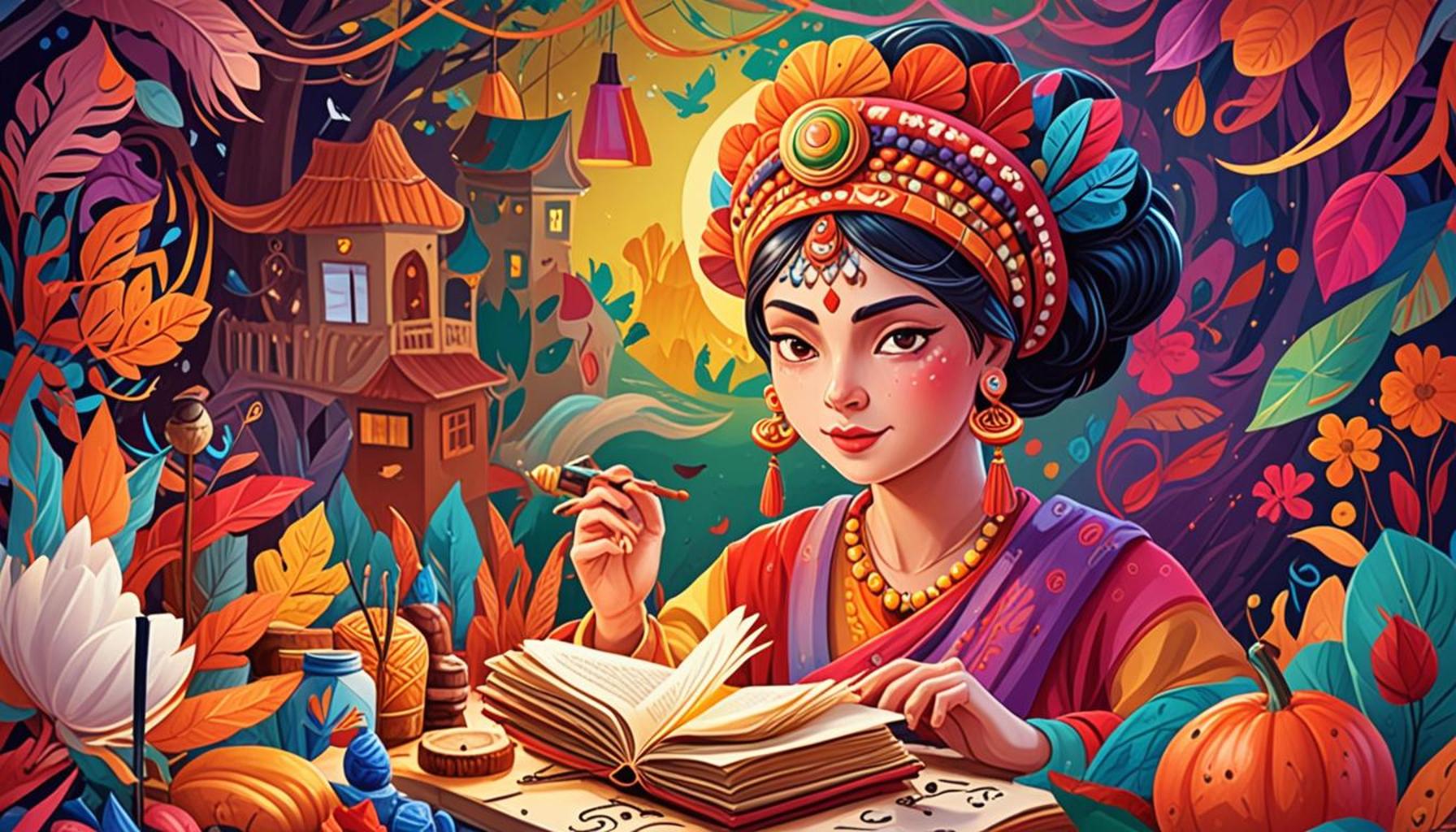
Unlocking the Power of Cultural Narratives
Every community has a story to tell, a tapestry woven from the threads of history, values, and identity. Cultural activities serve as a vital means to convey these stories, fostering connections among generations. In a rapidly changing world, the preservation of tradition through storytelling becomes increasingly essential.
The Role of Storytelling in Society
- Connection: Shared stories bring individuals closer, creating a sense of belonging. When people recount family experiences or local legends, they cultivate empathy and understanding. For example, communities in the American South often gather to share tales of their ancestors’ struggles and triumphs, reinforcing communal ties.
- Education: Cultural narratives impart knowledge and life lessons to younger generations. Indigenous storytelling practices, for instance, often teach vital skills such as hunting, sustainable living, and the importance of respecting nature. These narratives not only entertain but also educate, ensuring that crucial life skills and ethical frameworks are passed down.
- Identity: Traditions reinforce community identities, helping people understand who they are. For instance, during the annual powwows held across the United States, Native American tribes showcase their unique customs and history, thereby strengthening the cultural identity among participants and attendees alike.
From Native American oral traditions to contemporary theater, the facets of storytelling are diverse and rich. Each cultural activity, whether it be dancing, music, or visual arts, plays a crucial role in the preservation of unique identities. These methods not only serve as entertainment but also as powerful tools for cultural education and reflection. For example, street art in urban areas often conveys poignant messages about social justice and community history, engaging the public in discussions about identity and experience.
Exploring the Impact of Cultural Activities
Engaging with cultural practices can lead to a deeper appreciation and understanding of societal values. Activities such as festivals, workshops, and community gatherings foster interaction and appreciation of diverse heritages. Events like the Albuquerque International Balloon Fiesta celebrate local traditions while inviting global participation, showcasing how cultural practices can inspire unity and collective pride.
Moreover, these narratives forge connections across generations, allowing older community members to share their experiences and insights with youth who may feel disconnected from their cultural roots. As storytelling shifts to digital platforms, such as podcasts and web series, the reach and evolution of these narratives extend into modern contexts, allowing for new interpretations that resonate with younger audiences.
The strands of these narratives are what hold communities together, making storytelling not only an art but a necessity. As society evolves, embracing and advocating for the richness of cultural narratives remains crucial in fostering understanding, respect, and appreciation for one another’s identities. Every story told is a step towards deeper societal harmony, inviting us to listen, learn, and connect across the diverse landscape of American culture.
DISCOVER MORE: Click here to delve deeper
The Significance of Cultural Expression
Cultural activities are not merely forms of entertainment; they are critical conduits for storytelling that enrich our understanding of history, community values, and shared identity. As society continues to globalize and modernize, the importance of preserving cultural narratives through various forms of expression cannot be overstated. Engaging in traditional practices, such as folk dances, narrative songs, and visual arts, provides a living archive that keeps the essence of a culture alive while simultaneously fostering connections within and across communities.
Consider the remarkable role of traditional storytelling in Native American societies. Elder members often engage children with narratives that encapsulate the teachings of their ancestors, addressing themes ranging from moral integrity to environmental stewardship. These stories, passed down through generations, act as both entertainment and a form of education, ensuring the continuity of important cultural values. However, the impact of storytelling transcends mere oral narratives; it extends into vibrant community gatherings where participants reenact historical events through theater and performance.
Cultural Activities as a Preservation Mechanism
The power of cultural activities in safeguarding tradition lies in their immersive nature. When communities participate in festivals, art exhibitions, and workshops, they create shared experiences that reinforce collective memory. Here are several key ways these activities contribute to preserving cultural identity:
- Engagement: Cultural festivals like the New Orleans Jazz & Heritage Festival are excellent examples of how music and art can draw in community members from various backgrounds, highlighting the significance of local traditions while inviting diverse participation.
- Education: Workshops centered around crafts, such as pottery or quilting, teach not only the skills involved but also the historical significance behind these practices, ensuring that the past informs the present.
- Collaboration: Community gatherings encourage collaboration among artists, storytellers, and historians, allowing for the synthesis of new narratives that honor traditional forms while also embracing contemporary issues.
Furthermore, these cultural expressions not only celebrate a group’s unique heritage but also offer a platform for a broader dialogue—from which mutual understanding can arise. When a community successfully reflects on its history through art and storytelling, it challenges stereotypes and advocates for respect and inclusion in a diverse society.
As we delve deeper into the art of storytelling, it becomes evident that cultural activities are fundamental to preserving and transmitting identity. This preservation is not limited to geographic areas; it transcends borders, as diasporic communities continue to celebrate their traditions, adapting them to new landscapes while maintaining strong ties to their roots. The fluidity of these narratives invites us all to explore, reflect, and enrich the ongoing story of humanity.
| Advantage | Significance |
|---|---|
| Cultural Awareness | It enhances understanding of diverse backgrounds, fostering empathy and respect. |
| Tradition Preservation | Cultural activities allow communities to maintain and celebrate their historical narratives. |
| Identity Formation | Engaging in storytelling aids individuals in shaping their personal and communal identities. |
| Community Bonding | Shared narratives strengthen communal ties, creating a sense of belonging. |
The art of storytelling is not merely a form of entertainment; it is a crucial instrument in nurturing cultural activities that play a significant role in preserving tradition and identity. As societies evolve, the essence of who we are can sometimes feel diluted; thus, engaging in storytelling acts as a bridge connecting the past to the present. In communities worldwide, cultural storytelling through festivals, oral traditions, and artistic expressions fosters a profound sense of cultural awareness, allowing individuals to appreciate the rich tapestry of human experience. Furthermore, these activities serve as a vital force in maintaining traditions, ensuring that age-old practices are passed down through generations, thereby preserving the rich narratives that shape our identities.In exploring the nuances of identity formation, storytelling provides a platform for self-expression and exploration, allowing individuals to articulate who they are within a broader cultural context. This dynamic interaction among storytelling, tradition, and identity invites readers to delve deeper into the ways cultural activities energize communities and foster connections that defy geographical borders and temporal boundaries. The journey into the world of storytelling is not just a narrative; it is a pursuit of understanding our shared humanity.
DIVE DEEPER: Click here to uncover the art of visual storytelling
The Role of Technology in Modern Storytelling
In the age of technology, the landscape of cultural activities has transformed dramatically, yet the essence of storytelling remains steadfast. Digital tools and platforms have emerged as powerful vehicles for preserving and sharing cultural narratives. For instance, social media platforms like Instagram and TikTok allow artists and storytellers to reach global audiences, providing new avenues for cultural exchange and appreciation. This shift highlights a crucial intersection between tradition and innovation, enabling communities to adapt their stories for contemporary consumption while maintaining their foundational values.
Consider the revival of oral storytelling through podcasts, where individuals from diverse backgrounds share personal narratives that illuminate their cultural heritage. Platforms like “The Moth” not only capture the raw emotion of these stories but also facilitate conversations about identity and belonging. This method resonates particularly with younger generations, who often identify more closely with their cultural backgrounds through modern mediums. Indeed, this fusion of traditional storytelling with digital formats exemplifies how technology can enhance heritage preservation.
Documentary Culture as a Reflection of Identity
The influence of documentary films in capturing and relaying cultural histories cannot be overlooked. Through the lens of talented filmmakers, communities can spotlight their stories and heritage on a larger scale. Documentaries such as “13th” by Ava DuVernay challenge societal narratives about race and identity in America while paying homage to African American culture. By sharing personal accounts against the backdrop of historical events, documentaries serve as compelling educational tools that encourage dialogue and awareness. In this way, cultural activities like film foster an understanding of complex identities that are often overlooked.
Intergenerational Transmission of Knowledge
Participating in cultural activities introduces opportunities for intergenerational learning, allowing elders to pass down their knowledge and experiences to younger generations. Interactive events like storytelling nights or community crafting sessions can bridge the age gap, creating enriching moments where history is celebrated and new narratives are shaped. For example, the growing popularity of community gardens in urban neighborhoods not only emphasizes sustainable practices but also serves as a vibrant setting for storytelling. Here, families gather to share tales of their heritage while cultivating plants traditionally used in their cultures’ culinary practices.
Such interactivity reinforces the idea that culture is not static; rather, it is an evolving tapestry that changes as new generations engage with the past. The National Endowment for the Arts emphasizes the importance of these cultural exchanges, promoting programs that support artistic endeavors across diverse communities. By participating in these activities, individuals gain a deeper understanding of their cultural identity and the role it plays in a broader societal context.
As we navigate the complexities of identity in a rapidly changing world, the integration of cultural activities into our daily lives serves as a reminder of the richness and diversity of human experience. Whether through traditional practices or modern innovations, storytelling remains an essential thread in the fabric of cultural identity, connecting individuals and communities on both local and global scales.
DISCOVER MORE: Click here to learn how to turn recyclables into art
Conclusion: Embracing the Narratives of Our Lives
In summation, the art of storytelling serves as an essential vehicle for preserving cultural identity and heritage in an increasingly interconnected world. From traditional practices passed down through generations to modern adaptations enabled by technology, storytelling remains a vital component of cultural activities that foster understanding and connection. The power of sharing narratives—whether through spoken word, digital media, or documentaries—creates spaces for dialogues that challenge perceptions and enhance appreciation for diverse experiences.
As we witness the revival of cultural practices and the innovative integration of technology, it becomes clear that storytelling is not merely about recounting the past. Instead, it is about weaving new threads into the cultural tapestry while respecting and acknowledging the roots from which these stories emerge. Through intergenerational transmission of knowledge, community engagement, and participation in cultural activities, individuals are encouraged to explore their own identities and the rich heritage of others.
As we navigate a world marked by rapid changes, embracing the art of storytelling through cultural activities offers a way to critically reflect on our collective identities. Encouraging deeper engagement with our heritage not only enriches our own lives but also fosters a sense of unity and empathy across diverse communities. Therefore, let us continue to celebrate and preserve the art of storytelling, recognizing it as a cornerstone of who we are and a bridge to understanding who we aspire to become.
Related posts:
The Integration of Cultural Activities and Creative Hobbies in Promoting Mental Well-Being
How Participation in Cultural Activities Stimulates Innovation in Creative Hobbies
The Connection between Cultural Activities and the Development of Individual Creative Projects
Traditional Craft Meets Modernity Cultural Activities Inspire New Hobbies
The Influence of Cultural Activities on the Creation of Creative Hobbies: Exploring the Intersection...
Exploring the Intersection of Creative Hobbies and Local Cultural Heritage

Linda Carter is a writer and creative hobbies expert specializing in crafting, DIY projects, and artistic exploration. With extensive experience helping individuals discover their creative potential and bring their ideas to life, Linda shares her knowledge on our platform. Her goal is to empower readers with practical tips, inspiring ideas, and step-by-step strategies for success in the world of creative hobbies.