The Art of Dream: Exploring Creativity through Imagination and the Unconscious
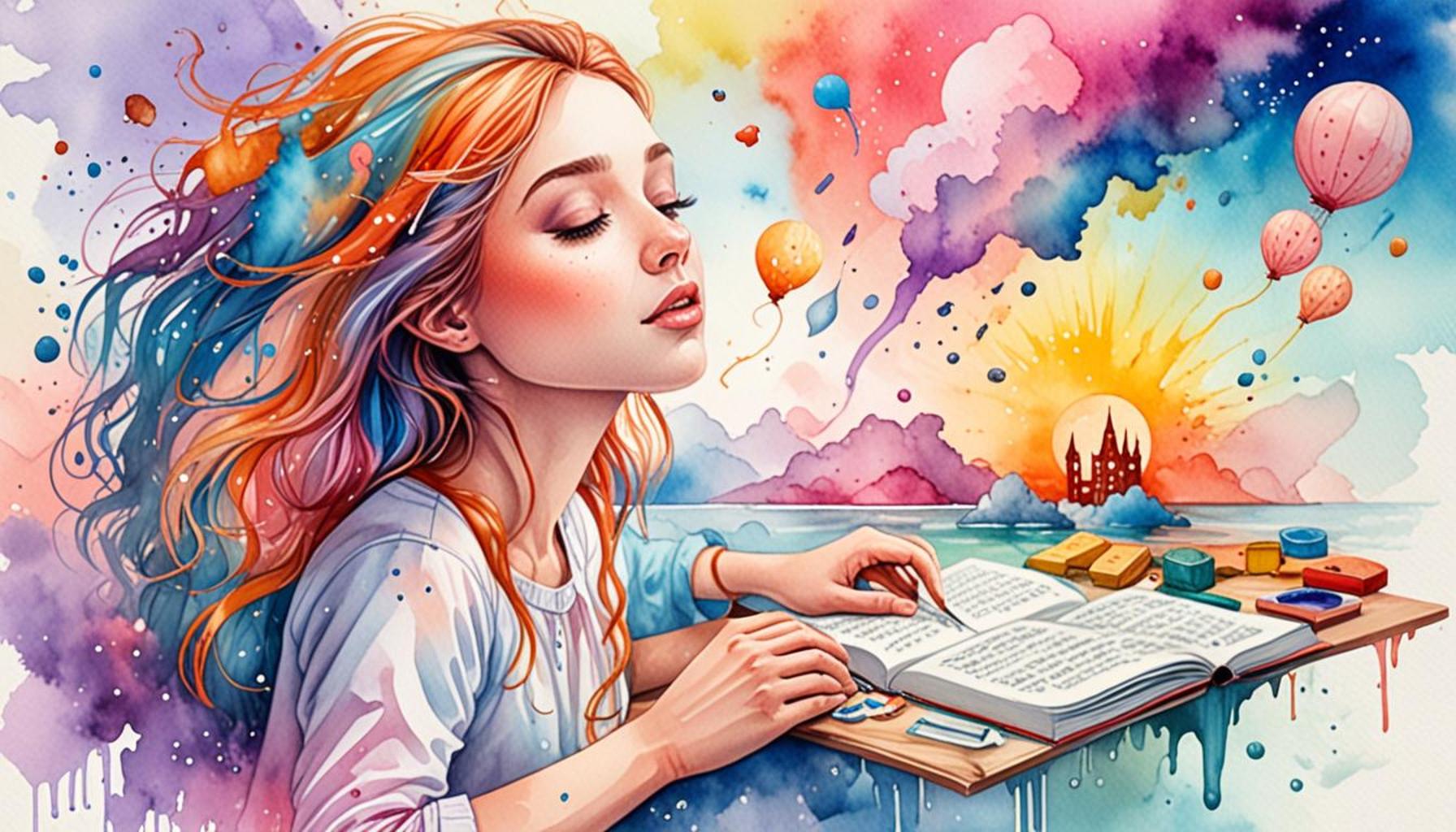
The Intricate Connection Between Dreams and Creativity
Dreams have long captivated human interest, serving as a bridge between reality and the imaginative world of our minds. They not only reflect our inner thoughts but also spark creativity in various forms. Understanding the art of dreaming offers insightful perspectives on how we navigate our unconscious and harness its potential for innovation. Throughout history, many have sought to decode the meaning behind dreams, ranging from ancient civilizations to modern psychologists. Their findings can reveal how dreams influence our waking lives.
The Power of Imagination
Imagination fuels our aspirations and creations. Through dreams, we can:
- Explore hidden desires
- Uncover unique solutions to problems
- Enhance artistic expression
Whether it’s a vivid narrative or a surreal landscape, dreams often serve as a canvas for our subconscious. For instance, famous artists like Salvador Dalí drew from dreams to create mesmerizing pieces such as The Persistence of Memory, with its melting clocks depicting the fluidity of time. Similarly, musician Paul McCartney famously composed the melody for Yesterday after dreaming it—a testament to how the creative process can emerge from our unseen world. This connection to our imagination can invigorate not just artists but anyone looking to push the boundaries of conventional thinking.
Understanding the Unconscious
The unconscious mind remains a profound enigma, influencing our thoughts and actions more than many realize. By tapping into this realm, we can:
- Access suppressed memories
- Encourage emotional healing
- Foster innovative ideas
Exploring the connection between dreams and creativity can unveil powerful insights. Concepts put forth by psychologists such as Sigmund Freud and Carl Jung highlight the depth of dream analysis. Jung, in particular, emphasized the importance of dreams in revealing archetypes that shape our behaviors and perspectives. By considering dreams as a window into our psyche, we can discover aspects of ourselves that may influence our creativity and innovation. The act of dreaming can illuminate solutions to problems we face in our daily lives, offering a unique perspective rarely accessed in a waking state.
Ultimately, by delving into our dreams, we not only learn about ourselves but also discover untapped potentials that reside within. It opens a door leading to rich landscapes of creativity and insight waiting to be explored. As we venture into this fascinating territory, we are invited to reflect upon our waking lives while embracing the limitless possibilities our dreams can offer.
DISCOVER MORE: Click here to uncover the art of visual storytelling
Unlocking the Creative Genius Within
The exploration of dreams transcends mere curiosity; it serves as a gateway to creative expression that reveals the intricate workings of our minds. Creativity is not simply the domain of artists and thinkers; it permeates every aspect of human endeavor, from technological innovation to everyday problem-solving. Understanding how dreams function can provide valuable insights into unlocking this creativity. By engaging with our dreams, we can learn to harness the profound powers of our imagination.
The Dreaming Process: A Source of Inspiration
The dreaming process can be categorized into two main stages—REM (Rapid Eye Movement) sleep and non-REM sleep. During REM sleep, the brain is highly active, and this is when most vivid dreams occur. Research indicates that REM sleep plays a crucial role in memory consolidation, emotional regulation, and, importantly, creativity. As we drift through these stages, our minds become free from the constraints of logic and linear thinking, allowing creativity to flourish. Here are ways in which the dreaming process can inspire creativity:
- Symbolic Representation: Dreams often manifest our subconscious thoughts symbolically. Analyzing these symbols can unveil messages that, when interpreted, enrich our creative endeavors.
- Out-of-the-Box Thinking: Dreams encourage unconventional associations, enabling us to think outside typical patterns and present us with innovative solutions to challenges.
- Emotional Exploration: Engaging with dreams can provide a unique outlet to process feelings and experiences, inspiring deeper authenticity in our creative work.
Creativity flourishes when we embrace the nuances of our dreams. The surreal narratives woven within them can lead to unexpected revelations. For instance, renowned inventor Thomas Edison reportedly employed the technique of napping to access his subconscious, asserting that some of his most brilliant ideas came while dreaming. This practice underscores a fundamental truth: every person has an innate potential for creativity, and dreams can serve as an invaluable resource in awakening it.
The Intersection of Dreams and Reality
As we navigate our waking lives, the influence of our dreams often seeps into our reality in subtle yet profound ways. Many individuals report being inspired by their dreams in various fields, from writers crafting compelling narratives to scientists making groundbreaking discoveries. Real-life examples illuminate how the boundaries between dreams and reality can blur, leading to heightened creativity.:
- Literary Works: Authors, like Robert Louis Stevenson, found inspiration for works such as Strange Case of Dr Jekyll and Mr Hyde through vivid dreams, spurring plots and character development.
- Scientific Breakthroughs: Dmitri Mendeleev famously conceived the periodic table in a dream, an insight that revolutionized chemistry.
- Design Innovations: Architect Frank Lloyd Wright often credited dreamlike visions for his architectural masterpieces, reflecting a transcendence of conventional design thinking.
Engaging with our dreams not only nurtures artistic talents but can also act as a catalyst for innovation in various fields. As we delve deeper into the connection between dreams and creativity, we unlock a treasure trove of possibilities waiting to be discovered—encouraging us to embrace and harness the full potential of our imaginative capacities.
| Creative Exploration | Cultivating Imagination |
|---|---|
| Unlocking Inner Worlds | Dream analysis fosters deeper self-awareness and enhances creative thinking. |
| Stimulating Creativity | Engaging with unconscious thoughts can lead to innovative ideas and artistic breakthroughs. |
Exploring the depths of our imagination through dreams presents a unique opportunity for improving creativity. By understanding the themes and symbols that manifest in our subconscious, we can unlock profound insights into our personal and artistic lives. Engaging in this practice not only allows for a more enriched existence but also catalyzes a surge in creative output.Research suggests that connecting with one’s dreams may enhance problem-solving abilities and generate new perspectives. Moreover, immersing oneself in the transformative narratives of dreams can inspire writers, painters, and musicians alike, encouraging a reflective and imaginative approach to their crafts. Artists and creators are often advised to keep a dream journal, capturing the fleeting inspirations that may emerge while they sleep. This practice not only honors the imagination but actively nurtures it, thus paving the way for artistic evolution.
DISCOVER MORE: Click here to dive deeper into storytelling
Harnessing the Power of Lucid Dreaming
Lucid dreaming, a state in which the dreamer becomes conscious of their dream while still in the dream state, presents a unique opportunity for creative exploration. This heightened awareness within dreams allows individuals to engage with their subconscious directly, often leading to profound insights and artistic breakthroughs. By practicing techniques to achieve lucidity, aspiring creators can actively participate in the dream narrative, shaping it to their advantage. Here’s how lucid dreaming can elevate creativity:
- Creative Control: In a lucid dream, individuals can explore ideas without limitations. Whether it’s painting a masterpiece or scripting an imaginative story, the ability to manipulate the dream environment can allow for unprecedented experimentation with creativity.
- Problem Solving: Many lucid dreamers use their dream state to work through challenges they face while awake. By visualizing scenarios and potential solutions, they can tap into their inner resources to inspire real-world solutions.
- Artistic Collaboration: Dreamers can invite artistic figures—historical or personal inspirations—into their lucid dreams, allowing for collaborative experiences that can yield innovative insights and artistic concepts.
Notable figures like Salvador Dalí and Leonardo da Vinci have been associated with techniques that encourage lucidity. Dalí famously employed a method known as “slumber with a key,” which involved holding a key above a plate while resting. As he fell asleep, the key would drop, waking him and allowing him to capture insights from his dream. This connection to the unconscious demonstrates that lucid dreaming can not only influence individual artistry but can also drive collective innovation.
Dream Journaling: Capturing Inspiration Before It Fades
Another essential method for harnessing the creativity within dreams is dream journaling. This simple yet effective practice involves recording dreams immediately upon waking, ensuring that fleeting memories are preserved in detail. Psychoanalysts and artists alike have endorsed this technique as a powerful tool for unlocking creativity. By documenting dreams, individuals can:
- Identify Patterns: Ongoing recording of dreams can reveal recurring themes or symbols, providing insight into one’s mental state and sparks for creative projects.
- Stimulate Ideas: Revisiting past dreams may ignite new thoughts or concepts—what once seemed incoherent may evolve into a fully-formed idea suitable for artistic expression.
- Enhance Memory: The practice of dream journaling serves to strengthen recall not only of dreams but of ideas encountered throughout the day, fostering an overall enhancement of cognitive creativity.
Notable authors, like Anne Rice and Stephen King, have credited their rich narratives to the influence of dreams documented in journals. By portraying their imaginations through vivid descriptions, readers are invited into worlds crafted from the depths of the subconscious. As they write, their dreams fuel their creativity, pushing boundaries and generating captivating plots.
The Science of Dreams and Creativity
The scientific community continues to delve into the intricate relationship between dreams and creativity, spotlighting the neurobiological underpinnings that facilitate this connection. Various studies indicate that dreaming stimulates the brain in unique ways, harnessing different neurological pathways that may not be activated during waking hours. For instance:
- Brain Imaging Studies: Functional MRI scans show that the prefrontal cortex, responsible for rational thought and decision-making, is less active during REM sleep, allowing for a more free-flowing thought process
- Heightened Connectivity: Dreaming appears to increase connectivity between various brain regions, fostering original associations and novel ideas.
- Neurotransmitter Activity: The release of neurotransmitters such as dopamine during dreams can enhance creative thinking by promoting mood and motivation.
This scientific perspective underscores the potential for individuals to not only dream but to actively engage with their dreams to purge creative barriers. As we unravel the complexities of dreaming, we are presented with evidence that the unconscious mind holds formidable power and potential for generating creative insights on a grand scale. The possibilities are limitless—inviting us to dive deeper into the art of dreams, where imagination and reality intertwine to shape extraordinary ventures.
DIVE DEEPER: Click here to discover more
Conclusion: The Endless Possibilities of Dreams
In exploring the art of dreams, we unlock a treasure trove of creativity that lies within the depths of our unconscious mind. The intricate relationship between dreams and artistic expression reveals how these nightly narratives not only reflect our inner thoughts but can also serve as catalysts for innovation and inspiration. As demonstrated through practices such as lucid dreaming and dream journaling, we can actively engage with our dreams to harness their potential in unique and impactful ways.
By understanding the neurobiological mechanisms at play during REM sleep, we come to appreciate the brain’s ability to forge new connections and original ideas that may elude us in waking life. Prominent artists, writers, and thinkers throughout history have drawn upon their dreams to enhance their work, proving that the sleeping mind can be a wellspring of creativity. As we continue to delve into this fascinating intersection of the unconscious and artistry, new perspectives emerge, encouraging both individuals and communities to explore their own dreams.
The journey into dream exploration is one that invites us all—whether through reflective practices, collaborative visions, or the sheer joy of creative experimentation. As we open our minds to the vibrancy of our dreams, we lay the groundwork for extraordinary possibilities. The canvas of our imagination awaits, offering insight that transcends the boundaries of reality to inspire the world around us.
Related posts:
Art as a Tool for Protest: Expressing Ideas and Causes Through Creativity
The Influence of Life Experiences on Artistic Production: Personal Narratives and Creation
Exploring Cultural Art: How Traditions Influence Creativity
The Intersection of Art and Nature: How Outdoor Artistic Exploration Inspires Creativity
Art and Community: Collaborative Projects that Transform Public Spaces
The Art of the Everyday: Finding Beauty and Creativity in Common Objects

Linda Carter is a writer and creative hobbies expert specializing in crafting, DIY projects, and artistic exploration. With extensive experience helping individuals discover their creative potential and bring their ideas to life, Linda shares her knowledge on our platform. Her goal is to empower readers with practical tips, inspiring ideas, and step-by-step strategies for success in the world of creative hobbies.