Sustainability in Craft Projects: Transforming Recyclable Materials into Works of Art
Exploring the Potential of Recyclable Materials in Art
Currently, a wave of creativity is sweeping across communities as individuals prioritize sustainable practices, particularly in the arts. This burgeoning movement emphasizes the importance of sustainability, prompting artists and hobbyists to reimagine their approach toward materials that would typically end up in landfills. By shifting our focus to recyclable materials, we can harness creativity alongside environmental responsibility, fostering a new mindset that celebrates both artistry and ecological mindfulness.
The array of materials available for upcycling is extensive and often surprising. For example, consider cardboard, which is readily accessible and versatile. People have ingeniously transformed cardboard boxes and tubes into stunning decorative items such as intricate wall art or functional storage solutions. This not only diverts waste from landfills but also promotes innovative design thinking.
Glass jars are another prime candidate for repurposing. With a little creativity, these everyday items can be converted into chic candle holders or charming planters. When adorned with paint or twine, they add a touch of rustic elegance to home decor, providing an eco-friendly alternative to newly manufactured goods. In urban areas across the United States, such as Portland and San Francisco, craft collectives celebrate glass jar upcycling through workshops, showcasing their potential in sustainable practices.
Similarly, fabric scraps present endless opportunities for creativity. Seamstresses and quilters have long embraced the art of upcycling fabric, turning remnants from previous projects into beautiful quilts, vibrant tote bags, or even children’s toys. This practice not only reduces textile waste but also champions the idea that every piece of fabric holds potential for new life, echoing sentiments shared by environmentalists nationwide.
Participating in these sustainable craft projects nurtures not only personal creativity but also promotes a circular economy. By transforming what might be considered waste into art, individuals play an essential role in conserving natural resources and minimizing landfill contributions. This mindset cultivates a community-driven approach to sustainability, encouraging collaboration and collective solutions to environmental challenges.
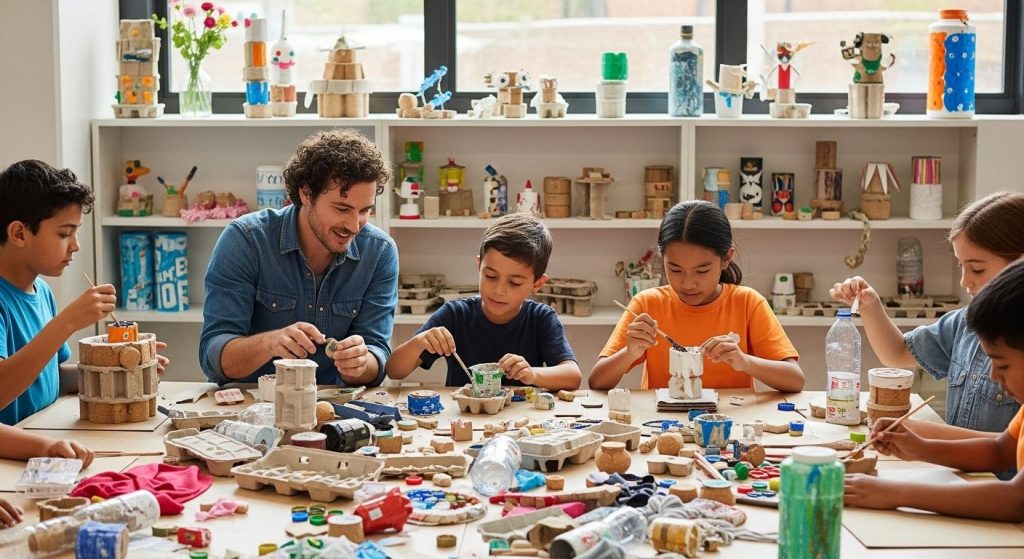
Furthermore, platforms dedicated to showcasing art made from repurposed materials have proliferated, granting artists unprecedented visibility. This visibility fosters community involvement, encouraging budding artists to explore their creative potential while advocating for sustainability. Events such as Earth Day or local art fairs in the United States increasingly feature exhibits centered around upcycled art, creating spaces where artists can share their stories and inspire one another.
In this creative journey, the narrative surrounding waste is changing. Kindling a passion for transforming recyclables into art not only highlights the value of these materials but also inspires others to join the movement. Engaging in this artistic dialogue transforms how individuals view waste, paving the way toward a more sustainable future enriched by creativity and innovation.
DISCOVER MORE: Click here to explore innovative art techniques
Revitalizing the Art of Upcycling
As interest in sustainability continues to evolve, the world of crafts has seen a remarkable shift towards upcycling—the process of creatively reusing materials to give them a new purpose. This paradigm plays an integral role in championing eco-consciousness while spurring innovation within artistic practices. By encouraging individuals to repurpose what would typically be discarded, the craft community is spearheading a transformative movement that not only fosters creativity but also addresses pressing environmental issues.
One of the most appealing aspects of adopting recyclable materials in art is the accessibility these items offer. For instance, consider plastic bottles. Instead of allowing them to accumulate in landfills, creative minds have repurposed them into striking sculptures, garden planters, or decorative lighting fixtures. Beyond artistic expression, such projects prompt individuals to reconsider their consumption habits, ultimately advocating for a lifestyle that prioritizes sustainability.
Notably, the resurgence of using newspaper in craft projects exemplifies this movement. Artists are skillfully weaving newspapers into intricate baskets, wall hangings, or even jewelry, demonstrating how simple materials can be transformed into aesthetically pleasing works of art. Not only does this practice reduce paper waste, but it also stimulates conversations around the importance of recycling and the value of reimagining everyday objects in innovative ways.
Through workshops and community initiatives, a growing network of individuals is coming together to share tips, techniques, and personal stories about their experiences with upcycling. Here is a brief comparison of popular recyclable materials frequently used in craft projects:
- Cardboard: Versatile and easily sourced, it can be made into a multitude of items ranging from art installations to eco-friendly packaging.
- Glass: Jars and bottles can be transformed into unique candle holders, vases, or decorative pieces, further enhancing any setting.
- Fabric: Old clothes or textile remnants can be upcycled into quilts, accessories, or even art pieces, giving new life to what once seemed unwanted.
- Plastic: Representing the most significant waste concern globally, repurposing plastic items—like bags or containers—can result in stunning art while mitigating its environmental impact.
In addition to the artistic expression brought about by accessibility and community collaboration, upcycling is also becoming a lucrative endeavor. Many artists are monetizing their creations made from recycled materials, contributing to a burgeoning market for sustainable products. Art fairs, online marketplaces, and local craft shows are increasingly featuring these upcycled goods, providing a platform for artists to connect with conscious consumers who desire unique and eco-friendly pieces.
This art movement serves as a reminder that sustainability can distinctively blend beauty and function. Each handcrafted item ripples beyond the artistic realm, provoking individuals to rethink their relationship with waste. By elevating recyclable materials into works of art, creators are not just showcasing their talents; they are instilling a sense of responsibility and awareness that reverberates within their communities, paving the way for a greener future.
| Advantages of Recycling | Impact on Crafting |
|---|---|
| Reduce Waste | Crafting with recyclable materials promotes a culture of reuse and emphasizes responsible consumption. |
| Cost-Effective | Using materials that would otherwise be discarded allows crafters to save money and encourage creativity in their projects. |
Sustainability in craft projects transcends mere artistic expression; it embodies a movement towards eco-conscious living. By opting for recyclable materials, creators not only reduce waste but also reshape societal attitudes towards throwing away items that can be beautifully repurposed. Consider, for instance, how plastic bottles can be transformed into vibrant planters or woven baskets, nurturing both creativity and connection to the environment. This practice highlights another significant advantage: the potential for cost savings. Crafters can acquire materials that are often free or inexpensive, allowing them to experiment without the burden of financial strain. This aspect empowers individuals to explore new techniques and styles with fewer limitations, fostering innovation within communities. Engaging with recycled materials broadens the scope of artistic exploration, making sustainable crafting not just an environmentally friendly choice but a gateway to unique, personalized creations that tell a story. As more artists and hobbyists embrace this philosophy, they contribute to a larger narrative focused on sustainability and the transformative power of creativity.
DISCOVER MORE: Click here for DIY inspiration
Innovative Techniques in the World of Upcycling
As the movement towards sustainability in craft projects gains momentum, artists are continually discovering innovative techniques for transforming recyclable materials into eye-catching creations. One such technique that has gained popularity is mosaicing, where broken ceramics, glass shards, or even plastic fragments are meticulously assembled to create stunning visual patterns. From garden stepping stones to elaborate wall murals, these artworks not only serve as visual delight but also highlight the potential of materials that would otherwise end up in the waste stream.
Another exciting trend in upcycling involves the use of resin casting. This technique enables artists to encase various recyclable items—such as bottle caps, fabric remnants, or natural elements like leaves—within clear resin, producing one-of-a-kind jewelry pieces or home décor items. The resulting products are not only unique but also spark conversations about sustainability and the importance of rethinking how we view waste. This practice is gaining traction, especially among younger generations who appreciate the fusion of art with environmental consciousness.
Moreover, the role of digital technology cannot be overlooked in advancing sustainable crafting practices. With the rise of 3D printing, makers can now prototype and create items using recycled plastics, thus minimizing the need for virgin materials. This technology allows for incredible customization and innovation in design, transforming discarded materials into functional and beautiful objects. From furniture to fashion accessories, 3D printing illustrates how technology and sustainability can coexist to create a greener future.
Community Engagement and Education
While individual artists make significant strides in sustainability, community engagement plays a pivotal role in advancing the upcycling movement. Craft workshops focused on working with recyclables are popping up in cities across the United States, bringing together individuals of all ages to learn valuable skills during the process. Through hands-on workshops, participants explore how to repurpose everyday items, such as turning old glass jars into charming lanterns or scraps of fabric into trendy tote bags.
Additionally, educational programs in schools are incorporating the concepts of upcycling and sustainability into their curriculums. By teaching young minds the value of resourcefulness and creativity with recyclable materials, educators are instilling a lifelong appreciation for the environment. Collaborative projects that involve creating public art installations out of recyclables can also instill a sense of community and pride, while promoting awareness about waste management.
The Economic Impact of Sustainable Crafting
The upcycling movement is not just a creative or educational phenomenon; it is also making waves in the economic sector. As consumers increasingly demand sustainable products, artisans focused on creating items from recycled materials are occupying a vital niche in the marketplace. The rise of eco-conscious consumers who prefer to purchase unique pieces that tell a story—as opposed to mass-produced items—has spawned a thriving market for upcycled art.
Online platforms, such as Etsy and social media outlets, are facilitating the emergence of small business owners who specialize in sustainable content. These platforms allow artists to reach a broader audience, sharing their eco-friendly creations while promoting a lifestyle rooted in sustainability. Moreover, the push for zero-waste policies among city governments is further validating upcycling endeavors, ultimately creating an economic ecosystem conducive to the growth of sustainable practices.
Thus, as crafting continues to evolve with an emphasis on sustainability, the future holds limitless possibilities for artists and crafters alike. It is within this vibrant landscape that creativity and innovation flourish, all while fostering a commitment to a greener planet.
DISCOVER MORE: Click here to delve into the benefits of creative writing
Conclusion: The Future of Sustainable Crafting
The journey towards sustainability in craft projects is not just a fleeting trend; it’s a transformative movement that intertwines creativity, community, and the environment. As we have explored, artists are redefining the concept of art by innovatively repurposing recyclable materials, turning potential waste into captivating creations. From the meticulous art of mosaicing to the fascinating potential of resin casting and digital tools like 3D printing, the fusion of art and sustainability has led to a plethora of exciting possibilities.
Furthermore, community engagement plays a crucial role in proliferating these sustainable practices. Craft workshops are not only cultivating skills but also fostering a sense of collective responsibility toward the environment. This hands-on approach invites individuals of all ages to reimagine waste and unlock their potential as creators, effectively bridging gaps between generations and cultures. Schools incorporating sustainability into their curriculums are preparing the next wave of environmentally conscious artists and consumers who value creativity as a catalyst for change.
On a broader scale, the economic implications of this movement are becoming increasingly evident. The demand for unique, sustainable pieces has created a niche market that supports small artisans and eco-conscious entrepreneurs. As government policies promote zero-waste initiatives, the time is ripe for crafting to become a cornerstone of sustainable living in the United States.
In conclusion, the world of crafting is more than just a form of self-expression; it is an avenue for rethinking our relationship with materials and the environment. By embracing the potential of recyclable materials, we can inspire a culture that not only celebrates artistic innovation but also honors our responsibility to the planet. The possibilities for the future of sustainable crafting are boundless, inviting everyone to participate in creating a greener, more sustainable world.
Related posts:
Eco-Friendly Crafting Top 5 Sustainable Materials for Projects
Craft Trends: How Technology Is Influencing Creative and Innovative Projects
Innovations in Craft Projects: How New Technologies Are Transforming DIY
Transforming Antique Furniture: Upcycling Techniques for Home Customization
DIY Home Decor Turn Everyday Items into Stunning Art Pieces

Linda Carter is a writer and creative hobbies expert specializing in crafting, DIY projects, and artistic exploration. With extensive experience helping individuals discover their creative potential and bring their ideas to life, Linda shares her knowledge on our platform. Her goal is to empower readers with practical tips, inspiring ideas, and step-by-step strategies for success in the world of creative hobbies.