Photography as Visual Narrative: Capturing Moments and Emotions in Images
The Power of Photography in Storytelling
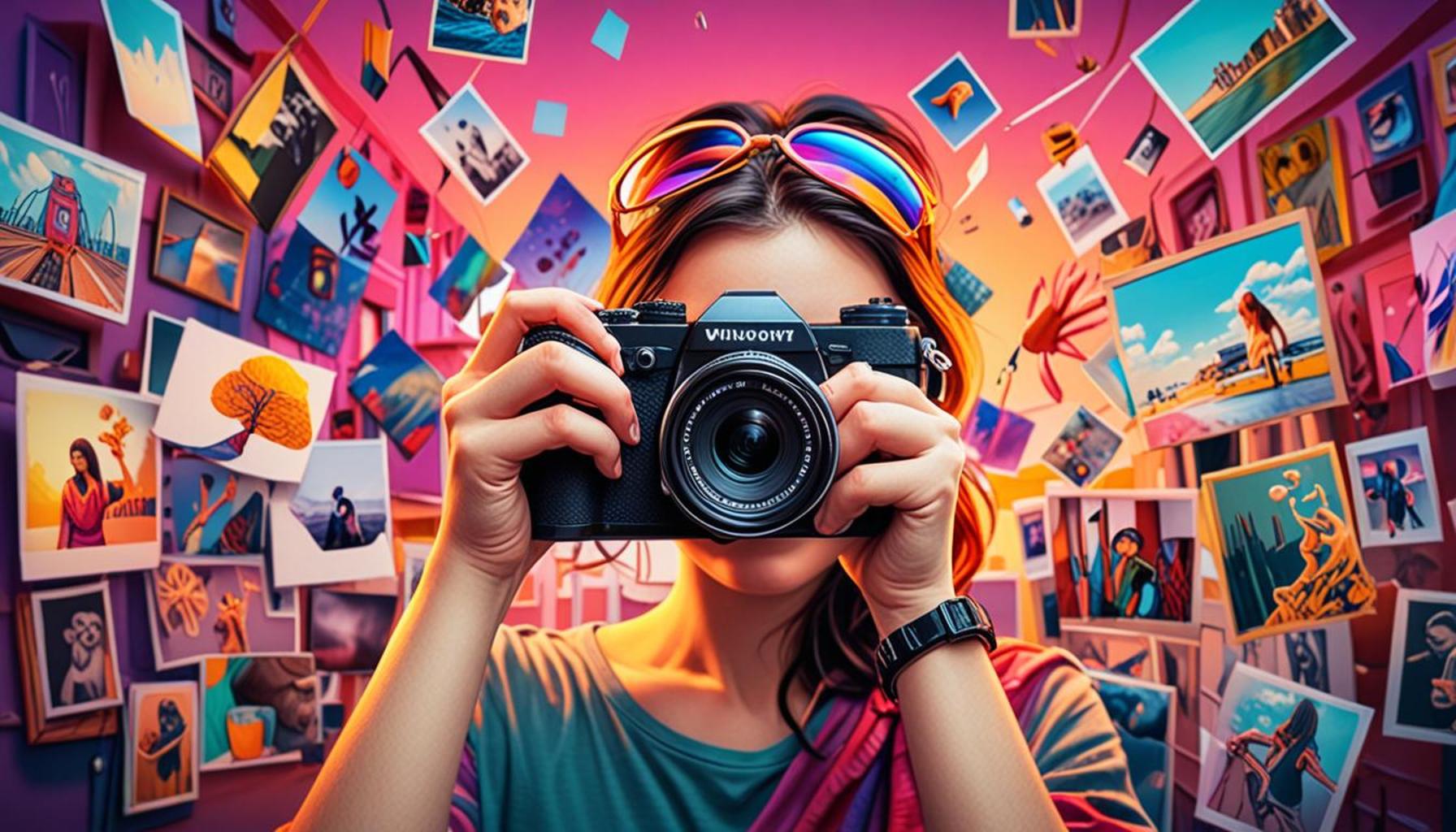
Photography transcends the limits of mere visuals; it holds the potential to serve as a bridge connecting viewers to universal experiences. The art of capturing moments through a camera lens can reflect the myriad emotions that characterize human existence. A photograph can encapsulate joy during a family gathering, sorrow in a moment of loss, or the serenity found in nature. Each image becomes a vessel for emotions that, when viewed, can inspire personal reflection and collective empathy.
Key Elements of Visual Narratives
To understand why photography is such a compelling narrative form, let’s delve deeper into its essential components:
- Emotional Impact: A striking image has the power to evoke a visceral response. For instance, consider the iconic photograph of the “Migrant Mother” taken by Dorothea Lange during the Great Depression. This image resonates with feelings of despair and resilience, inviting viewers to contemplate the struggles faced by many during that era.
- Contextual Depth: The setting in a photograph often elucidates the story behind the moment. Think of a bustling New York City street scene, where the dynamic interplay of pedestrians, taxis, and storefronts paints a vivid picture of urban life. Each backdrop enriches the subject’s story, adding context that amplifies the viewer’s understanding and engagement.
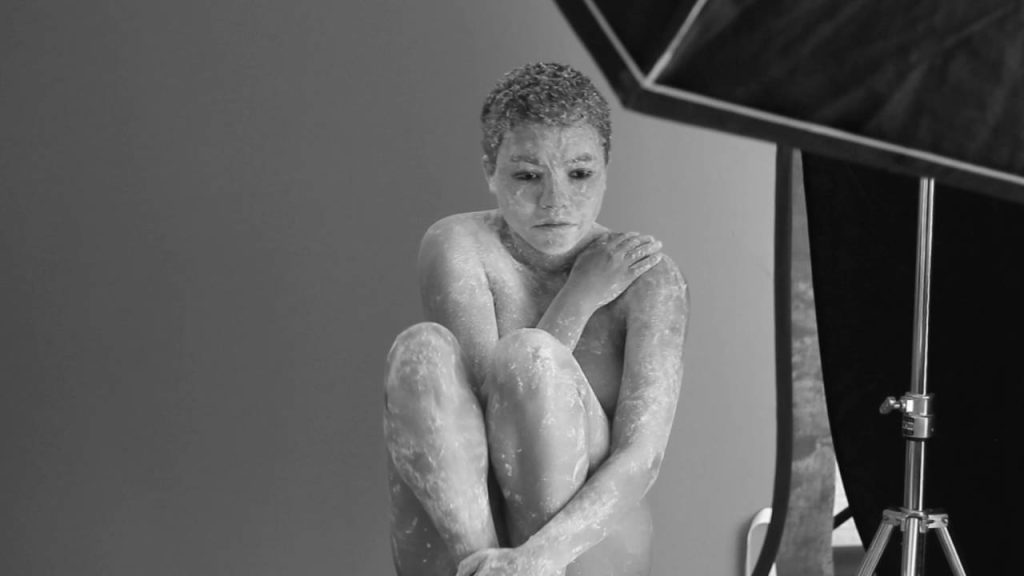
- Composition Techniques: Masterful photography employs various techniques to bolster storytelling. For example, the use of chiaroscuro—strong contrasts between light and shadow—can convey mood and highlight subjects, allowing the viewer to discern a narrative without a single word being spoken.
- Subject Matter: Different subjects bring unique perspectives. A portrait of a child can express innocence and curiosity, while a landscape photograph can evoke feelings of peace or awe, such as the majestic view of the Grand Canyon, which speaks to the grandeur of nature and the slightest fragility of life.
Photography in the Digital Age
In today’s digital landscape, photography serves not just as a tool for personal expression but as a catalyst for community discussions and movements. Social media platforms like Instagram and Twitter amplify the reach of evocative images, allowing a photograph to become a rallying point for social change. For example, the portrayal of social justice movements through photography has played a pivotal role in raising awareness about issues ranging from civil rights to environmental conservation.
Furthermore, photography has become integral in documenting and reflecting cultural shifts. Everyday moments, such as a family celebrating a milestone or a local protest, transform into powerful visual narratives that can define community identity and shared values. As we explore these layers of storytelling in photography, we discover how individual snapshots contribute to a broader cultural dialogue that shapes our collective understanding of the world.
Ultimately, photography is more than just capturing an image; it is an exploration of shared human experiences, woven together by emotion, context, and skillful composition. Each photograph invites viewers to pause, reflect, and connect, leaving an indelible mark on our hearts and minds.
DISCOVER: Click here to enhance your storytelling skills
Exploring the Emotional Resonance of Images
The essence of photography lies in its unyielding ability to convey emotions that transcend language and cultural barriers. At the heart of every compelling photograph is an emotional narrative—a story waiting to be told. This narrative can stir feelings of happiness, sorrow, nostalgia, or even anger, presenting viewers with an opportunity to engage deeply with the subject matter. Emotionally charged images often resonate more profoundly with audiences, drawing them into a shared experience rather than merely presenting information.
Studies in psychology reveal that images evoke emotional responses more quickly than words. This phenomenon positions photography as a unique visual language. For instance, a photograph capturing the raw joy of a child at a carnival can instantly transport viewers back to their own childhoods, evoking personal memories and associated emotions. Similarly, powerful photographs from historical moments, such as the iconic image of a firefighter carrying a wounded comrade on September 11, 2001, not only document history but also convey the grief and heroism that defined that tragic day.
Components That Shape Visual Stories
Understanding the mechanics that drive visual storytelling in photography can enhance our appreciation of this art form. Several critical components play a vital role in shaping captivating images:
- Lighting: The way light interacts with subjects can dramatically alter the mood of a photograph. Natural lighting during the golden hour can create dreamy, warm images, while harsh shadows may evoke tension and uncertainty.
- Perspective: The angle from which a photograph is taken influences the viewer’s perception. A low-angle shot might impart a sense of power and grandeur, while a high-angle shot can evoke vulnerability.
- Color Palette: Colors have inherent emotional associations. Warm colors like reds and oranges can evoke excitement, whereas cool colors like blues and greens provide a sense of calmness. This use of color is crucial in reinforcing the emotional undertone of an image.
- Timing: Often, the decisive moment—the exact second an image is captured—can mean the difference between a mundane photograph and a striking one. This underscores the importance of anticipation and patience in the craft of photography.
Each of these components plays a role in communicating the desired narrative and emotion to the audience. Photography is not just about what is captured; it is about how the moment is interpreted and conveyed. For photographers, understanding these elements can lead to more impactful storytelling, encouraging them to delve beyond the surface and capture the essence of their subjects.
In a world filled with instantaneous digital images, the challenge for photographers remains to create works that resonate on a deeper level. To accomplish this, one must fuse technical proficiency with a genuine understanding of human emotion and narrative. As we continue to explore the potency of photography as a visual narrative, it becomes clear that each captured moment holds the potential to tell profound stories—stories that foster connections and ignite discussions, leading to a broader understanding of the human experience.
| Advantages of Photography | Impact on Storytelling |
|---|---|
| Visual Connection | Photography fosters a deep emotional connection between the viewer and the subject, enhancing narrative engagement. |
| Moments in Time | Each photograph serves as a time capsule, preserving fleeting moments for future generations to experience. |
| Universal Language | Images transcend barriers, acting as a universal language that communicates feelings and experiences without words. |
| Enhanced Creativity | Photography encourages creative expression, allowing photographers to portray narratives in unique ways through composition and lighting. |
The study of photography encapsulates the essence of how emotions can be captured and conveyed through visual storytelling. Moments suspended in time transform into narratives that invoke feelings, distinct perspectives, and provoke thought. With each click of the shutter, a world unfolds that demonstrates the power of an image in expressing complex human experiences and evoking empathy. Thus, photography stands as a vital medium in the narrative arts, inviting everyone to explore and understand a multitude of stories—one frame at a time.
DIVE DEEPER: Click here to discover more
The Art of Layering Narratives
Photography, as a medium of visual narrative, goes beyond mere documentation. It embodies the intricate art of layering emotions and stories within a single frame. By infusing personal perspectives into their narratives, photographers invite viewers to explore the multifaceted nature of their subjects. This layering can take many forms, from symbolism within the frame to the contextual background that helps to tell a more complex story.
One notable example of layered narrative can be seen in the work of renowned photojournalist Steve McCurry. His iconic photograph of the Afghan girl, taken in 1984, is more than just an image of a girl with striking green eyes; it encapsulates a lifetime of struggle, resilience, and cultural identity. Through her gaze, McCurry invokes a myriad of emotions—from curiosity to empathy—transporting viewers to a different time and place while inviting them to connect with the shared human experience of displacement and hope.
Symbolism and Cultural Context in Visual Storytelling
Symbolism plays a pivotal role in photography as a visual narrative. Every element in a photograph, whether it be the subjects, objects, or even the backdrop, can carry latent meanings that contribute to the overall story. Photographers often employ cultural symbols to invoke familiar emotions or memories in their audience, effectively bridging personal and collective narratives.
For example, in a photo series exploring American urban landscapes, the juxtaposition of crumbling buildings and vibrant street art may comment on both the decay of certain communities and the vibrancy of the culture that persists within them. This approach creates a dialogue about resilience and transformation, challenging viewers to reflect on the evolving identity of urban spaces.
Documentary Photography: Capturing the Unscripted Moments
Documentary photography, as a genre, strives to present narrative truths, showcasing unscripted moments that encapsulate the human condition. Documentarians like Dorothea Lange during the Great Depression or Garry Winogrand capturing mid-20th-century American life have shown that even the most fleeting moments can embody powerful narratives. Their works tackle socio-political themes, urging viewers not only to witness history but to feel the weight of the story being told.
A fine example of this can be seen in Lange’s famous image “Migrant Mother.” The photograph not only highlights the struggle of a mother during economic hardship but also serves as a pivotal symbol for the resilience of families facing adversity. By omitting elaborate backgrounds or unnecessary details, the focus remains squarely on the subjects’ emotions, creating a narrative that is both compelling and universal.
The Role of Technology in Shaping Visual Narratives
Advancements in technology have revolutionized photography, opening new avenues for storytelling. With the rise of digital photography and social media platforms, the definition of a narrative has expanded beyond traditional means. Photographers can now engage with their audience in real-time, experimenting with the immediate feedback and interaction that platforms like Instagram and Facebook afford. This form of storytelling encourages a more dynamic and participatory experience for viewers, blurring the lines between observer and participant.
In addition, modern editing software allows photographers to manipulate images creatively, adding layers of meaning and intrigue. The ability to enhance colors, adjust compositions, or even combine multiple images into a single piece enables storytellers to evoke emotions that may not be captured in a single shot. However, this also raises questions about authenticity in visual narratives—challenging viewers to consider how much editing impacts the sincerity of the story being told. In essence, the evolution of photography continues to enrich the art of storytelling, reminding us that every image holds the potential for deeper exploration, encouraging us to unravel the myriad emotions and experiences that shape our world.
DIVE DEEPER: Click here to unlock new creative techniques
Conclusion: The Power of Visual Storytelling
In the realm of photography, the art of visual narrative emerges as a profound means to encapsulate not just what the eye can see, but what the heart can feel. Photographers are not merely trained observers; they are storytellers wielding a camera to document the vast spectrum of human emotions and experiences. Through skillful layering and the use of symbolism, each photograph invites viewers to embark on a journey, prompting them to engage with the subjects on a deeper level.
The significant examples highlighted, from Steve McCurry’s intense portraits to Dorothea Lange’s poignant depictions of resilience, underscore how moments captured on film can transcend time and articulate universal themes of struggle and hope. As technology advances, the creative possibilities for visual storytelling continue to expand, allowing for more intricate narratives that challenge and inspire.
However, this evolution in photography also presents a dual-edged sword—while editing tools enhance artistic expression, they also blur lines of authenticity. Viewers are encouraged to critically engage with images, considering both the emotional truths they convey and the contexts in which they were produced. Ultimately, photography as a visual narrative serves as a powerful tool for empathy and reflection, connecting us to shared human experiences in a way that is uniquely profound.
As you explore the images around you, consider what stories they tell, what emotions they evoke, and how they invite you to participate in the broader tapestry of life. The world of photography awaits your gaze, rich with moments that deserve to be seen and felt.
Related posts:
The Art of Visual Storytelling How Illustration Boosts Creativity
Creative Cuisine: How the Kitchen Becomes a Space for Innovation and Self-Expression
The Art of Origami as Creative Meditation: Folding Paper and Emotions into Shapes
Shadow Theater: The Silent Narrative and Emotional Expression Through Light and Shadow
Theatrical Performance as a Form of Liberation: How the Actor Transforms Emotions into Art
The Art of Visual Storytelling: How to Tell Stories Through Drawing and Painting

Linda Carter is a writer and creative hobbies expert specializing in crafting, DIY projects, and artistic exploration. With extensive experience helping individuals discover their creative potential and bring their ideas to life, Linda shares her knowledge on our platform. Her goal is to empower readers with practical tips, inspiring ideas, and step-by-step strategies for success in the world of creative hobbies.