Imaginative Expressions: The Impact of Creative Writing on Mental Health and Well-Being
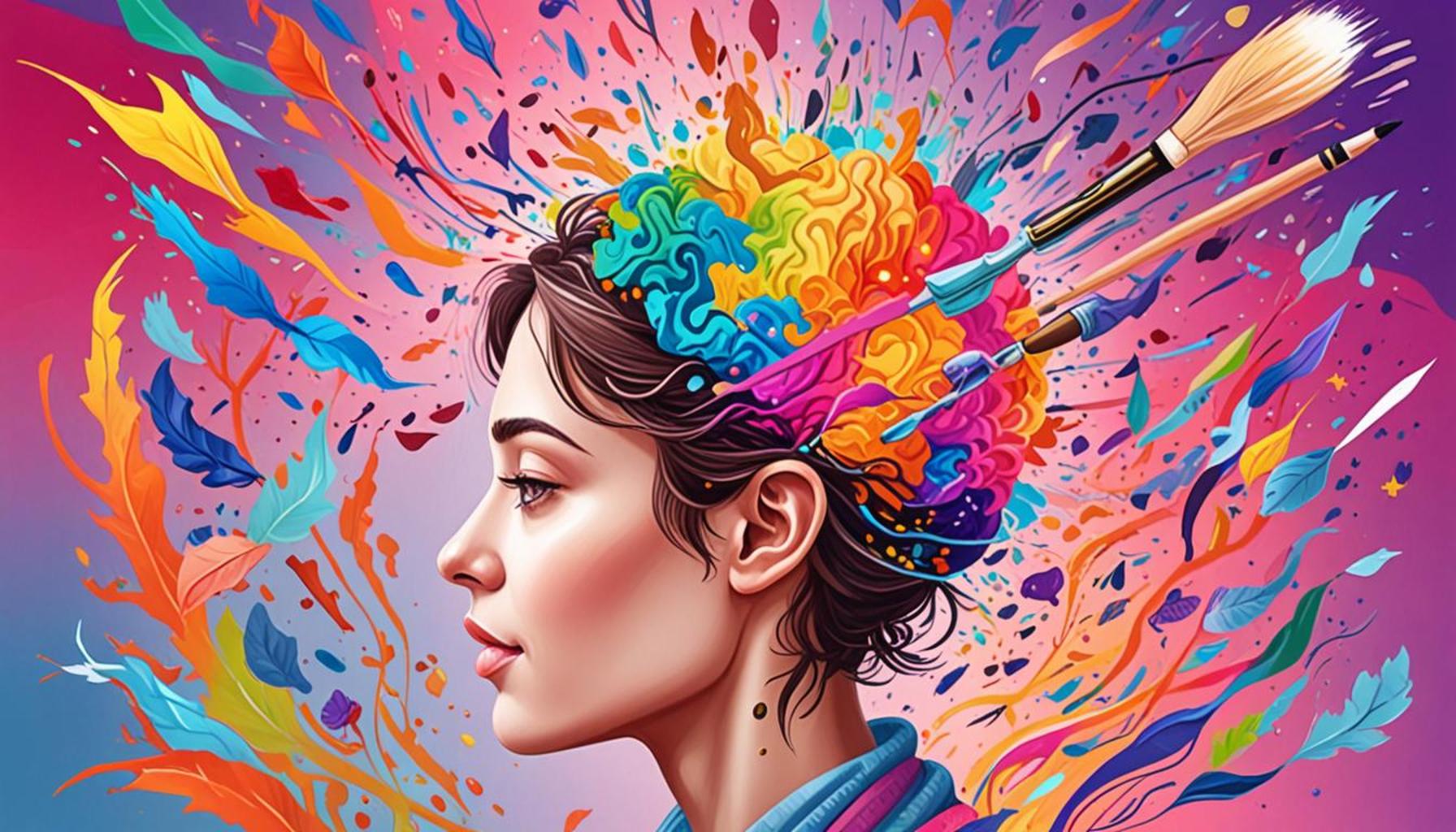
The Therapeutic Power of Creative Writing
In a world increasingly filled with challenges, the art of creative writing offers a refuge for many. Engaging in imaginative expressions allows individuals to explore their thoughts and emotions, facilitating a deeper understanding of their mental health and well-being. Many people may find themselves feeling overwhelmed by the demands of daily life—be it personal struggles, societal pressures, or workplace stress. However, creative writing serves as a powerful tool that can lead to personal insights and emotional relief.
Research indicates that creative writing can have profound effects, including:
- Stress Relief: Writing can serve as an emotional outlet, decreasing stress levels. Studies show that individuals who write about their feelings experience a decrease in physiological stress markers. For example, participants in a study who engaged in expressive writing reported lower anxiety levels compared to those who did not.
- Enhanced Self-Reflection: Expressing thoughts on paper promotes introspection, aiding personal growth. By analyzing their narratives, individuals can gain clarity on their emotions, leading to better decision-making processes. This self-reflective practice can help uncover underlying issues and motivations that may influence behavior.
- Improved Mood: Crafting stories can elevate mood and combat feelings of isolation. In a society where loneliness is becoming increasingly prevalent, creative writing provides a unique way to connect with oneself and others. Sharing stories, whether through workshops or online platforms, can foster a sense of community and belonging.
- Empowerment: Writing empowers individuals to articulate experiences and emotions, fostering resilience. Whether through poetry that captures sorrow or a fictional story that allows exploration of difficult topics, creative writing gives individuals a voice, enabling them to reclaim their narratives.
Creative writing, whether through journaling, poetry, or storytelling, opens doors to self-discovery and healing. Numerous studies highlight that individuals engaging in this expressive form not only find solace but also develop coping strategies for mental health challenges. For instance, a program in schools that incorporates creative writing has shown positive impacts on students’ emotional health and academic performance.
Moreover, therapy modalities such as expressive writing and bibliotherapy have gained recognition within mental health fields, with therapists sometimes integrating these practices into treatment plans. By employing creative writing, individuals can process traumatic events, capture fleeting thoughts, or manifest dreams and aspirations on the page. This process not only nurtures creativity but is also a pathway to mental wellness.
This article will delve deeper into the various avenues through which creative writing impacts mental health, illustrating its significance as a therapeutic practice. By examining the intersection of imaginative expression and well-being, we invite readers to explore new insights into their mental landscapes and consider why embarking on a writing journey might be a step towards enhancement of their emotional health. From crafting a single poem to penning a daily journal, the potential for healing through the written word is both profound and accessible.

DISCOVER MORE: Click here to unleash your creativity
Unlocking Emotions Through Creative Writing
Creative writing uniquely invites individuals to unlock their emotions, tapping into experiences that may often be left unexamined. By transforming fleeting thoughts and feelings into tangible words, writers embark on a journey of self-exploration and emotional release. This process can be especially beneficial for those grappling with various mental health challenges, such as anxiety, depression, or trauma. Notably, creative writing serves as a bridge between self-expression and mental wellness, promoting healing and growth through the power of narrative.
Engaging in creative writing not only allows people to articulate their inner thoughts but also fosters a sense of appreciation for the complexity of human experiences. One significant avenue through which writers may release pent-up emotions is through journaling. Studies show that individuals who maintain reflective journals often experience a reduction in symptoms of distress. By recounting daily events or deep-seated feelings, journaling becomes a mirror reflecting one’s emotional state and providing pathways for healing.
Moreover, the act of writing poetry also merits considerable attention. Poetry is an art form that encourages brevity and precision; it invites writers to distill their emotions into powerful lines. This can be particularly cathartic for individuals working through grief or loss. By encapsulating profound emotions in verse, people not only validate their feelings but create a sense of permanence that can be revisited in future reflections.
Storytelling, another powerful mode of creative writing, enables individuals to escape into alternate realities, offering a reprieve from the challenges of everyday life. Through the creation of characters and plots, writers can navigate their worries, fears, and aspirations in a controlled environment. This practice can lead to enhanced empathy as individuals explore different perspectives, building resilience as they confront their narratives.
The benefits of creative writing extend into various demographics, particularly among children and young adults. Programs that integrate creative writing into educational curriculums have emerged across the United States, fostering healthy coping mechanisms and emotional intelligence. For instance, initiatives like NaNoWriMo (National Novel Writing Month) engage students in writing challenges that encourage them to find their voices and express their thoughts in a supportive community. Research has shown that students involved in such programs often report heightened confidence and improved emotional well-being.
Furthermore, creative writing’s therapeutic qualities have been explored through various workshops and self-help groups, where peers share their work in constructive environments. Sharing written pieces fosters collaboration and understanding, enhancing mental health by combating feelings of isolation. Participants often leave these sessions feeling validated and uplifted, as their stories resonate with others.
As we continue to dissect the impact of creative writing on mental health, it becomes clear that this expressive form is not merely a hobby—it’s a significant tool for healing. From journaling and poetry to storytelling, the range of creative outlets allows individuals to find relief and clarity in their lives. In the following sections, we will delve deeper into specific practices and share personal stories that illustrate the ways in which creative writing aids mental health and well-being.
The act of engaging in creative writing can serve as a profound tool for enhancing mental health and overall well-being. By providing a platform for self-expression, it allows individuals to articulate their thoughts and feelings, which might otherwise remain unspoken. The therapeutic benefits of writing have been recognized by mental health professionals, highlighting its role in processing emotions and improving resilience against stress.
Moreover, creative writing fosters a sense of accomplishment. Whether it’s finishing a poem, a short story, or even a personal journal entry, achieving these milestones can boost self-esteem and cultivate a sense of purpose. For many, the writing process acts as a means of exploring identity and addressing complex life experiences.
Additionally, participating in writing workshops can cultivate community support. When writers share their work in a safe environment, it creates opportunities for feedback and connection, reducing feelings of isolation often associated with mental health struggles. This shared experience not only enriches the individuals involved but also emphasizes the collective journey towards understanding and healing through words.
In essence, the power of creative writing lies not just in the narratives produced, but in the transformative process engaging with those narratives can invoke. By encouraging reflection and creativity, writing serves as a lighthouse in the dark, guiding individuals towards clarity and peace.
| Category of Benefit | Key Features and Impact |
|---|---|
| Emotional Expression | Allows individuals to articulate and process feelings, reducing emotional distress. |
| Community Engagement | Encourages shared experiences and support among individuals with similar challenges. |
By recognizing these unique advantages, it becomes clear that creative writing is not merely an artistic endeavor but a substantial mechanism for improving mental well-being. Embracing this craft enables a deeper connection to oneself and others, paving the way for healing and growth.
DISCOVER MORE: Click here to delve deeper
The Role of Creative Writing in Therapeutic Settings
Creative writing has increasingly found its way into therapeutic settings, providing a structured outlet for emotional expression and personal growth. Art therapy and writing therapy have gained traction, as mental health professionals recognize the powerful interplay between words and healing. These modalities often intertwine creative writing with traditional psychotherapeutic approaches, offering clients a holistic method to address mental health concerns.
In many cases, therapist-led writing sessions incorporate specific prompts to guide participants in exploring themes relevant to their lives. For instance, a prompt focusing on childhood memories can serve as a gateway for individuals to confront issues stemming from their early years. This guided exploration often leads to breakthroughs in understanding and processing complex emotions. A study published in the Journal of Poetry Therapy reveals that participants in guided writing therapy not only reported significant reductions in anxiety and depression but also experienced more profound insights about themselves and their relationships with others.
Moreover, creative writing can be especially effective for individuals who may have difficulty articulating their feelings in traditional therapeutic conversations. For those grappling with trauma, including veterans and survivors of abuse, the act of writing can foster a sense of safety. It allows them to narrate their experiences in their own terms, offering a way to reclaim their narratives and regain control over their lives. The cathartic process of chronicling one’s journey can be liberating, often leading to newfound resilience.
The impact of creative writing on mental health is not limited to individual therapy; community writing workshops have also emerged as valuable platforms for collective healing. These workshops encourage collaboration and shared experiences, creating a supportive environment for participants to express themselves creatively. Organized around themes of empowerment and storytelling, these workshops can cultivate connections among individuals who may feel alienated due to their mental health struggles.
- In the Classroom: Educational settings have also begun to recognize the significance of creative writing for mental health. Schools that integrate creative writing into their curriculum report improvements in emotional well-being among students. Through assignments that promote creative expression, students find healthy outlets for stress, resulting in an increase in both their academic performance and social interactions.
- Online Platforms: The rise of digital platforms and social media has made creative writing more accessible than ever. Online writing communities allow individuals to share their work anonymously, which can be particularly beneficial for those who might be hesitant to share in a traditional setting. This access to a global community fosters a sense of belonging and often leads to meaningful feedback and validation.
Creative writing also possesses a unique ability to facilitate mindfulness. Writers often delve into the present moment, crafting narratives that ground them in their current experiences. This mindfulness aspect of writing evokes new coping strategies, directing focus away from distressing thoughts and fostering a state of well-being. Research indicates that engaging in such practices can significantly reduce stress levels, further enhancing mental wellness.
As we explore the multifaceted impact of creative writing, it becomes evident that its applications reach far beyond mere self-expression. From therapeutic contexts to educational enhancements, creative writing offers powerful avenues for healing, learning, and personal exploration. This form of imaginative expression serves as a crucial instrument, inviting individuals to engage deeply with their emotions while also providing solace and community for many across the United States.
DIVE DEEPER: Click here to discover more
Conclusion: The Transformative Power of Creative Writing
As we reflect on the profound impact of creative writing on mental health and well-being, it is clear that this imaginative expression serves as more than a mere pastime. From the therapeutic realms of guided writing sessions to the collaborative spirit of community workshops and the inclusivity of online platforms, creative writing fosters emotional resilience and promotes healing in diverse ways. The integration of creative writing into various spheres, including education and therapy, highlights its capacity to nurture self-exploration and interpersonal connection.
Data indicates that individuals engaging in creative writing often experience significant reductions in anxiety and depression, fostering not only emotional relief but also a deeper understanding of their journeys. This art form invites individuals to give voice to their thoughts, helping them process trauma and navigate the complexities of their experiences. The increasing recognition of the therapeutic benefits of creative writing within various settings reflects a growing acknowledgment of its potential to enrich lives.
Ultimately, creative writing stands as a vital tool for emotional well-being, offering pathways for individuals to articulate their stories and connect with others. As mental health continues to garner attention in the United States, the implications of integrating imaginative expressions into everyday life warrant exploration. Whether through dynamic workshops, school curriculums, or digital communities, the invitation to write is also an invitation to heal, grow, and find solace. For those navigating the intricate landscape of their mental health, creative writing might just emerge as a source of light, leading them toward greater understanding and peace.
Related posts:
Exploring the Art of Visual Storytelling: How Illustration Can Transform Stories into Imaginative Ex...
The Art of Visual Storytelling: How to Tell Stories Through Drawing and Painting
The Art of Visual Storytelling How Illustration Boosts Creativity
Writing the Unexpected Surrealisms Impact on Modern Poetry

Linda Carter is a writer and creative hobbies expert specializing in crafting, DIY projects, and artistic exploration. With extensive experience helping individuals discover their creative potential and bring their ideas to life, Linda shares her knowledge on our platform. Her goal is to empower readers with practical tips, inspiring ideas, and step-by-step strategies for success in the world of creative hobbies.