How Painting Can Enhance Your Problem-Solving Skills
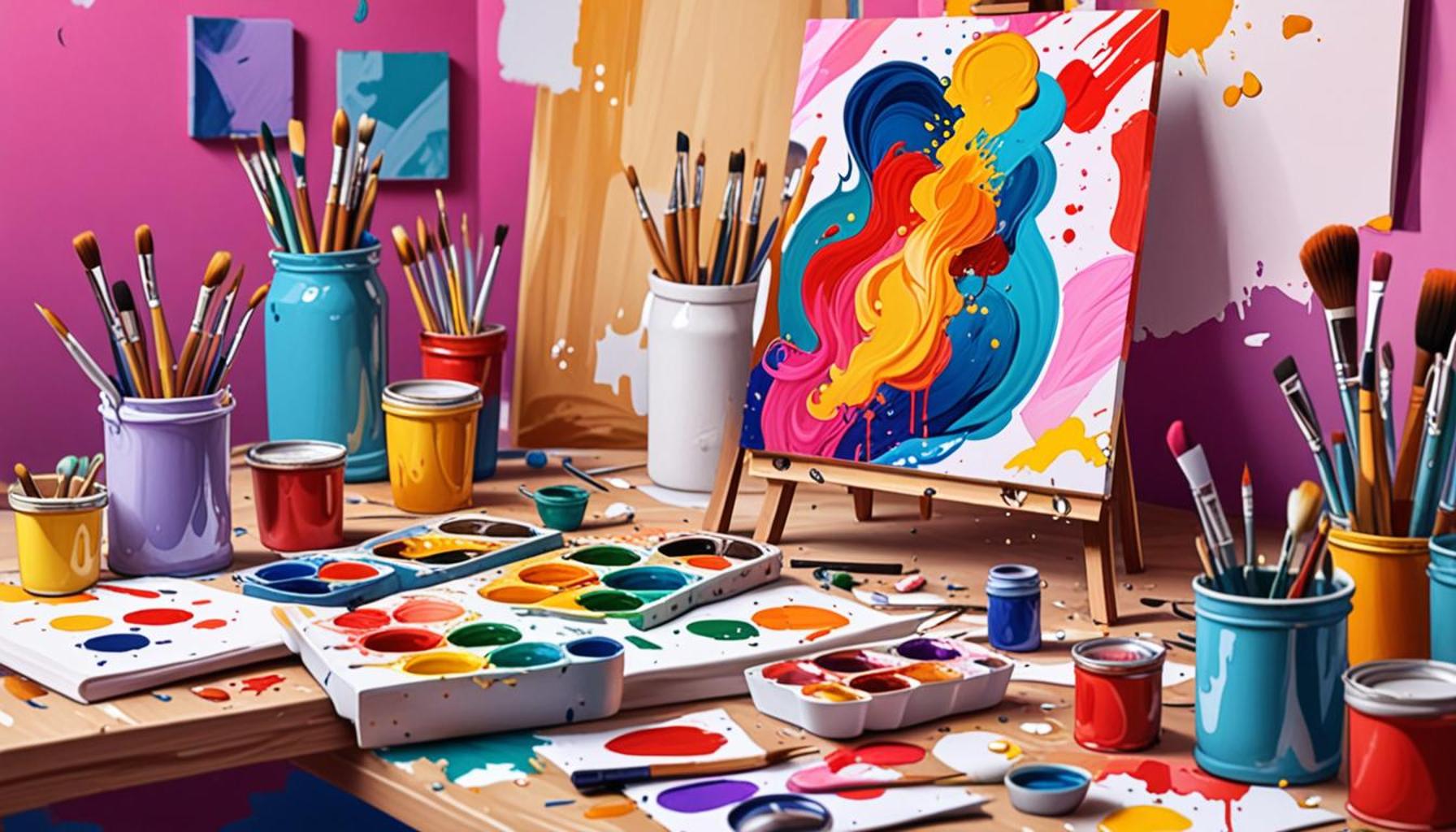
Unlocking Creativity Through Canvas
Painting is often seen as an artistic outlet, but its benefits extend far beyond just creating visually appealing works. Engaging in this creative process can actively enhance your problem-solving skills, paving the way for more innovative thinking and effective decision-making in daily life. How does the act of putting brush to canvas translate into sharper analytical capabilities? Let’s delve into some intriguing aspects.
- Promotes Critical Thinking: When painting, artists frequently have to make decisions regarding color choices, composition, and various techniques. This practice cultivates an environment where critical thinking thrives. For instance, a painter must decide whether to blend colors or contrast them to evoke the desired emotion. This process mirrors problem-solving in real life, where evaluating options and consequences leads to better outcomes.
- Enhances Flexibility: Painting is not just a linear endeavor; it often requires artists to adapt to unexpected changes. If a color doesn’t turn out as planned or if a brushstroke goes awry, the artist must pivot and adjust their approach. This flexibility is a crucial skill in any problem-solving scenario, allowing individuals to embrace change and uncertainty with confidence. For example, a business professional might encounter unforeseen challenges in a project and must learn to adjust strategies swiftly, similar to how an artist alters their vision.
- Increases Patience and Focus: The meticulous nature of painting demands a high level of patience and concentration. As artists devote time to layering colors or refining a detail, they develop a mindset that values perseverance. This can significantly enhance one’s ability to tackle complex problems, as sustained focus is often necessary to navigate intricate challenges. Consider a student studying for an important exam; the skills gained from painting can help them maintain concentration over long hours of study.
Moreover, painting cultivates emotional intelligence, allowing individuals to better understand their own emotions as well as those of others. This heightened self-awareness is essential for addressing multifaceted challenges that require empathy and relational skills. For instance, a manager leading a diverse team can benefit from the insights gained through artistic expression, ultimately enhancing collaboration and productivity.
As we dive deeper into this fascinating connection, it becomes clear that painting is not just about creating beautiful artworks; it serves as a powerful tool in personal and professional landscapes. The more you explore this art form, the more you will uncover the surprising advantages it holds for sharpening your mind and enhancing your overall cognitive abilities. Whether you’re an aspiring artist or just curious about the process, consider how a simple brushstroke can lead to profound personal growth and development.
DISCOVER MORE: Click here to delve deeper
Creative Insights: The Intersection of Art and Analysis
The transformative power of painting resonates not just in the vibrant colors and intricate designs that emerge from a canvas, but also in the profound cognitive shifts it triggers within the artist. Engaging in painting as a practice can significantly foster problem-solving skills across various aspects of life. As you dip your brush into the rich palette of potential, you unknowingly embark on a journey that sharpens your analytical prowess, enhancing both your personal and professional decision-making capabilities.
To understand the connection between painting and effective problem-solving, it is essential to explore how the elements of creativity foster critical cognitive skills. One of the primary attributes developed through painting is creative thinking. When artists begin their work, they often have a vision in mind, but the process of translating that vision onto canvas requires them to think outside the box. They might need to experiment with unusual color combinations or unconventional techniques, pushing them to approach challenges from different angles. This type of creative problem-solving is directly applicable to real-world scenarios, where adaptable thinking leads to innovative solutions.
- Encourages Experimentation: In the midst of brushstrokes, artists frequently engage in trial and error. If a technique does not yield the expected results, they learn to adjust their methods rather than abandon the entire piece. This willingness to experiment nurtures a mindset conducive to problem-solving, as individuals become more open to trying out different strategies to overcome obstacles.
- Builds Visual-Spatial Awareness: Painting involves understanding spatial relationships—the placement of objects, perspective, and balance. This visual-spatial awareness enhances one’s ability to visualize problems and solutions. For instance, a software developer might rely on these skills to create a user-friendly interface by spatially arranging features in an intuitive manner.
- Teaches Risk Management: Every painter faces the possibility of making mistakes, as not every stroke will lead to the desired outcome. Learning to manage these risks, assess what went wrong, and incorporate failures into future work translates seamlessly into more effective decision-making in business and personal projects.
Additionally, painting can serve as a profound outlet for stress relief, allowing individuals to approach problems with a clearer mind. The process itself can be meditative, enabling artists to escape the chaos of daily life and focus on the task at hand. This mental clarity is invaluable when navigating complex situations, as it allows for more rational and composed decision-making under pressure.
As we explore these cognitive benefits of painting, the connection between art and enhanced problem-solving abilities becomes increasingly evident. Engaging with the canvas can serve as a catalyst, empowering not just artists but anyone willing to embrace the creative process. Ultimately, the skills cultivated through painting extend far beyond artistic expression, equipping individuals with tools necessary for innovative thinking and effective resolution of challenges.
How Painting Can Enhance Your Problem-Solving Skills
Painting is not just an expressive form of art; it plays a significant role in enhancing cognitive abilities, particularly in problem-solving. The practice of painting encourages a unique combination of creativity and analytical thinking that can improve one’s ability to tackle challenges in various aspects of life.One of the foremost ways painting enhances problem-solving skills is through the development of critical thinking. As artists engage with their medium, they must continuously assess and make decisions about color, composition, and technique. This necessitates a thoughtful evaluation of options, enabling individuals to weigh pros and cons in a manner similar to problem-solving scenarios in everyday life.Moreover, the experimentation involved in painting permits artists to explore multiple solutions to a single problem, such as achieving a desired effect or navigating unexpected mishaps. When a brushstroke doesn’t go as planned, the artist learns to adapt and find new ways to reach their goal. This process of adjustment fosters resilience and the ability to confront obstacles with a flexible mindset.To illustrate this, consider how a landscape painter will often need to consider light, perspective, and color changes at different times of the day. By adjusting their artistic approach based on these variables, painters enhance their observational skills and their capacity to solve real-life problems by recognizing patterns and adapting to change.Again, the connection between visual art and improved problem-solving extends beyond the canvas. Studies have indicated that engaging in painting regularly can enhance brain functions linked to analysis and reasoning. This further underscores the importance of leisure activities that promote both creative expression and intellectual growth.Thus, embracing painting not only enriches your artistic talents but also equips you with crucial tools to navigate life’s complexities. Whether you’re confronting dilemmas at work or personal challenges, the skills honed through the art of painting can lead to innovative solutions and a more engaged way of thinking.
| Category 1 | Category 2 |
|---|---|
| Creative Exploration | Encourages finding multiple solutions through experimentation. |
| Critical Thinking Development | Promotes decision-making skills through evaluation of choices. |
Engaging in painting has profound, positive effects that ripple through one’s cognitive landscape. As you embrace this art form, not only will you foster your creativity but also nourish essential problem-solving abilities that will serve you throughout your personal and professional life.
DISCOVER MORE: Click here to unlock the secrets of continuous learning
Drawing Connections: The Practical Impacts of Painting on Everyday Challenges
As we continue to delve into the vast realm of painting and its impact on enhancing problem-solving skills, it is essential to understand how these artistic experiences can be applied to everyday life. From personal dilemmas to professional challenges, the lessons gleaned from painting can shape the way individuals approach complex situations. By recognizing the parallels between art and problem-solving, we can identify actionable strategies that empower individuals across various fields.
Take, for example, the art of storytelling. A well-composed painting often tells a story without uttering a single word. This aspect of painting translates into critical communicative skills. When artists convey narratives through their work, they learn to articulate their thoughts and emotions visually. This ability to express complex ideas succinctly can aid professionals in fields like marketing or communications, where conveying a message clearly and compellingly is essential. By leveraging their visual-thinking skills, individuals can present data or concepts in more engaging and impactful manners, encouraging better understanding and collaboration among teams.
- Fosters Collaboration and Teamwork: Many artistic projects thrive on collaboration, requiring input and feedback from multiple sources. As individuals paint together, they learn to value diverse perspectives. This collaborative spirit fosters a culture of teamwork that is crucial in the corporate realm. Whether it’s brainstorming creative solutions in a meeting or working on a project with colleagues, the ability to integrate ideas from others can lead to innovative solutions that single viewpoints might miss.
- Enhances Attention to Detail: Painters must possess a keen eye for detail, whether it’s understanding subtle shifts in color or mastering technique intricacies. This attention to detail is beneficial in various tasks, from proofreading documents to executing elaborate project plans. When tackling problems, individuals who are attuned to finer points are better equipped to identify flaws in logic or gaps in information, leading to more thorough and effective solutions.
- Instills a Growth Mindset: The act of painting reiterates the importance of persistence and resilience. Every completed painting carries a history of trials and errors, leading to eventual successes. Adopting a growth mindset—where individuals view challenges as opportunities for growth rather than insurmountable barriers—can significantly impact one’s ability to navigate problems. This mindset enables individuals in fields like technology and business to embrace failure as a learning experience, driving innovation and improvement through iterative processes.
Moreover, consider the effect of painting on emotional intelligence. As artists engage with their work, they often delve into their emotions, translating feelings onto the canvas. This exploration can heighten self-awareness, allowing individuals to understand their emotional responses to various scenarios. In turn, this heightened emotional intelligence facilitates better interpersonal relationships, which is crucial when collaborating on problem-solving efforts in professional settings.
While painting is often viewed merely as a form of personal expression, the practice develops numerous skills that extend into broader problem-solving contexts. As individuals learn to navigate the complexities of art, they simultaneously cultivate a toolkit of strategies that can be applied to tackle life’s challenges head-on, revolutionizing the way they think, collaborate, and innovate.
DISCOVER MORE: Click here to explore sustainable crafting ideas
Conclusion: The Transformative Power of Painting in Problem-Solving
In reflecting on the intricate relationship between painting and problem-solving skills, it becomes evident that engaging in artistic expression fosters valuable competencies that transcend the canvas. Whether through enhancing communication, fostering collaboration, sharpening attention to detail, or nurturing a growth mindset, painting equips individuals with a multifaceted toolkit essential for navigating life’s myriad challenges.
Moreover, as artists dive deeper into their own emotional landscapes, they cultivate emotional intelligence that enriches interpersonal relationships and encourages effective teamwork. This emotional awareness proves invaluable in collaborative environments, where understanding diverse perspectives can often lead to innovative solutions. The narrative prowess honed through painting reinforces the importance of storytelling in professional settings, making complex ideas more accessible and engaging.
Ultimately, the lessons drawn from the practice of painting extend far beyond the art world, providing individuals in various fields—from business to technology—with pragmatic strategies to enhance their decision-making processes. By incorporating the principles of creativity and perseverance cultivated in artistic endeavors, one can approach challenges with an open mind, a collaborative spirit, and a readiness to innovate.
As we explore the transformative potential of painting, it is clear that this creative pursuit can serve as a significant catalyst for personal and professional growth. Thus, embracing the art of painting not only enriches our lives but also empowers us to tackle problems with newfound creativity and resilience.
Related posts:
Cooking with Creativity: How Culinary Arts Stimulate Planning and Innovation Skills
The Importance of Photography in Improving Observation and Attention to Detail
The Practice of Craftsmanship: Developing Concentration and Resilience Skills
Clay Modeling: Fostering Creativity and Personal Expression
Music as a Tool for the Development of Creativity and Critical Thinking
Transforming Passions Creative Hobbies Boost Social and Emotional Skills

Linda Carter is a writer and creative hobbies expert specializing in crafting, DIY projects, and artistic exploration. With extensive experience helping individuals discover their creative potential and bring their ideas to life, Linda shares her knowledge on our platform. Her goal is to empower readers with practical tips, inspiring ideas, and step-by-step strategies for success in the world of creative hobbies.