Exploring Different Artistic Mediums: Painting, Sculpture, and Digital
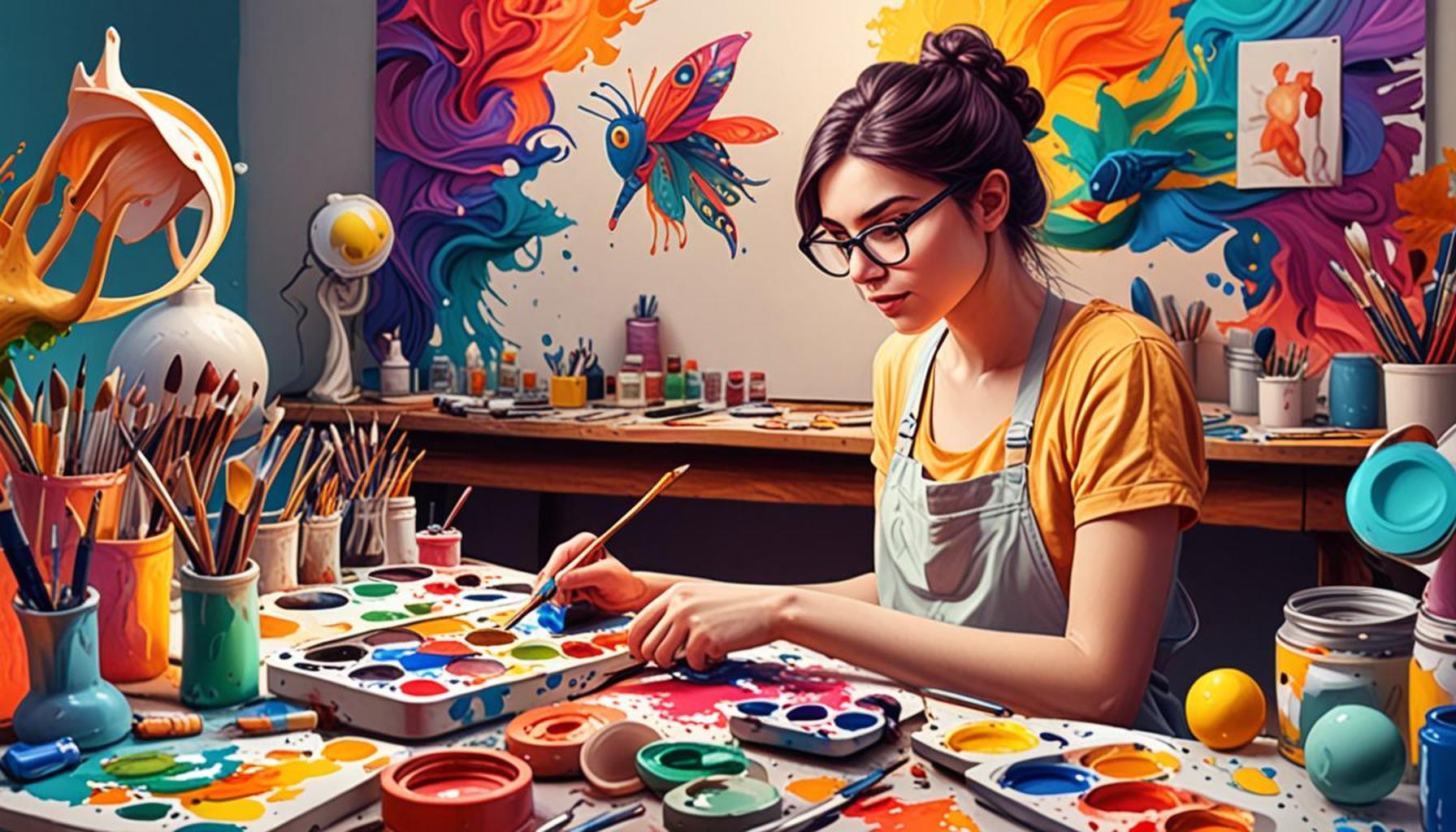
Art has been a fundamental aspect of human culture, manifesting in various forms throughout history. Each medium offers unique ways for artists to convey their thoughts and emotions, allowing for an endless spectrum of creativity. By exploring different artistic mediums such as painting, sculpture, and digital art, we uncover how each one shapes the viewer’s experience.
Why Different Mediums Matter
Understanding various artistic mediums can transform our appreciation of art. Each medium possesses distinct characteristics, deeply influencing how the audience perceives and interprets the work. Here are some features and examples to consider:
- Painting: Traditional oils, acrylics, and watercolors are common paint types, each providing different textures and richness. For instance, oil paints allow for vibrant colors and blending techniques, enabling artists like Vincent van Gogh to create swirling skies filled with emotion. Acrylics dry quickly and offer versatility, making them popular among contemporary artists like Banksy.
- Sculpture: Materials such as clay, stone, and metal breathe life into three-dimensional forms. Think of Michelangelo’s iconic ‘David,’ carved from marble, showcasing intricate details that highlight human anatomy. Modern sculptors, like Jeff Koons, use stainless steel and other materials to challenge traditional forms and concepts, inviting viewers to rethink their perceptions of art.
- Digital Art: This contemporary medium employs innovations like digital painting, 3D modeling, and animations. Artists like Beeple have made headlines with groundbreaking digital pieces that sold for millions at auctions, signifying the growing acceptance of digital art as a legitimate form of artistic expression.
Each medium has unique characteristics that can evoke a wide array of emotions. For instance, painting often focuses on color and texture, creating a visceral response through visual stimulation, while sculpture emphasizes form and space, allowing viewers to engage with the artwork from multiple angles. Meanwhile, digital art merges technology with creativity, often exploring themes relevant to a digital age, such as virtual reality and social media identity. Understanding these nuances allows both artists and viewers to engage with art more profoundly.
Get Ready to Explore
As we delve deeper into these artistic forms, we will examine the techniques, historical contexts, and breakthroughs that define them. Each medium not only reflects individual creativity but also acts as a mirror to societal changes and cultural movements. For example, the rise of abstract expressionism in the mid-20th century was a reaction to traditional artistic norms, reflecting broader societal shifts and the tumultuous climate of the time.
Prepare to embark on a journey that will enhance your understanding of how art influences society and personal expression. Whether you are visiting a contemporary gallery in New York or exploring local art festivals, being attuned to the different mediums can significantly enrich your experience. You’ll not only appreciate the craftsmanship involved but also connect with the underlying messages and emotions that art powerfully conveys.
DISCOVER MORE: Click here to dive into new hobby inspirations
The Significance of Artistic Mediums
When we think of art, it’s easy to envision a canvas filled with paint or a beautiful statue that captures a moment in time. However, the realm of art is much broader, encompassing various artistic mediums that each bring a unique voice to the table. By examining painting, sculpture, and digital art, we begin to appreciate not only the diversity in techniques but also how these forms reflect the evolution of artistic expression.
Each medium possesses its own distinct capabilities. For instance, painting harnesses the interplay of light and shade through its color palettes. Artists like Claude Monet have mastered the art of capturing fleeting moments in nature, illustrating how brush strokes and color combinations can evoke emotions and narratives. In contrast, sculpture embodies the quality of being three-dimensional, inviting viewers to walk around the piece and engage from various angles. Notable sculptors such as Alexander Calder have created mobile installations that blend movement with visual art, showcasing how form can interact with the space it occupies.
Moreover, digital art represents the cutting edge of contemporary expression, merging traditional artistic principles with modern technology. Utilizing software like Adobe Photoshop or 3D modeling programs, artists such as Krista Kim have pushed the boundaries of creativity, merging virtual experiences with real-world interactions. The advantages of digital art are evident; it allows for rapid experimentation, manipulation, and a level of accessibility that has democratized art creation in ways never seen before.
- Painting: The tactile experience of applying paint allows for endless experimentation with textures and layering. Contemporary artists like Amy Sherald, known for her vibrant portraits, exemplify how modern painting can redefine cultural narratives.
- Sculpture: The choice of materials deeply affects the interpretation of sculpted works. Whether it’s the use of organic materials like wood by Henry Moore or the reflective surfaces of modern installations, each choice tells a different story.
- Digital Art: Beyond just creating visuals, digital art encompasses various processes including animation and generative design. Artists like Refik Anadol construct mesmerizing installations that blend AI and art, prompting discussions on the intersection of technology and creativity.
Exploring these mediums not only enhances our appreciation of art but also allows us to understand the intentions behind the works. For example, while a painting might evoke a sense of nostalgia through the use of warm colors, a sculpture can deliver a visceral impact through its use of scale and space. Digital art invites the audience to engage in an interactive dialogue, often reflecting contemporary issues such as identity and social coherence.
As we continue our exploration, we will delve deeper into each medium, uncovering the historical contexts, groundbreaking techniques, and the innovative artists who shape these forms. By doing so, we not only acknowledge the individual creativity of artists but also recognize how these mediums serve as a reflection of broader societal shifts and cultural movements, illustrating the ever-evolving nature of art itself.
| Artistic Medium | Advantages |
|---|---|
| Painting | Allows for expressive color use and dynamic texture. Ideal for personal interpretation and emotional expression. |
| Sculpture | Encourages three-dimensional thinking and spatial awareness, providing a tangible experience of artwork that can be appreciated from various angles. |
| Digital Art | Offers limitless possibilities for creativity, enabling rapid revision and global sharing across platforms. |
Each artistic medium presents unique advantages that can enhance not only the creative process but also the experience of the viewer. In painting, artists utilize color and texture to evoke emotions and provoke thought, making each canvas a portal to their inner world. Meanwhile, sculpture transcends flat representation, allowing viewers to engage with art in a physical space, creating an immersive experience where forms can be appreciated from different perspectives. Digital art, on the other hand, has revolutionized the art world by breaking down barriers to entry, inviting anyone with a computer to explore their creativity. It paves the way for innovative art forms and community engagement through social media and online galleries, redefining the relationship between the artist and the audience. As these mediums continue to evolve, they challenge conventional boundaries and inspire fresh explorations in artistic expression.
DISCOVER MORE: Click here for creative DIY ideas
Diving Deeper into Each Medium
As we encapsulate the essence of painting, sculpture, and digital art, we find that each medium not only tells its own story but also connects with broader cultural dialogues. This interconnection becomes increasingly evident when we consider the historical evolution of these artistic forms and their societal implications.
Painting, with its rich history, has evolved from the ancient cave paintings of Lascaux to the expressive canvases of the Impressionist era and beyond. Modern artists, such as Kehinde Wiley, whose work reimagines traditional portraiture by placing people of color in historical frameworks, actively challenge and expand our understanding of identity through color and composition. Wiley’s approach draws attention to the importance of representation in art, highlighting how the choices and perspectives of contemporary painters can reflect urgent social issues.
On the other hand, the realm of sculpture is characterized not just by the materials used, but also by the concepts that underpin the work. The shift from classical marble statues to modern installations using unconventional materials like recycled plastics speaks to our changing relationship with nature and consumerism. An example can be found in the works of artist Tara Donovan, who often transforms everyday materials into breathtaking sculptures that comment on mass production and environmental concerns. Sculptors are increasingly using 3D printing and other innovative techniques, blurring the lines between traditional craftsmanship and modern technology. This evolution invites questions about authenticity and the role of the artist, as machine-made art emerges alongside hand-carved masterpieces.
As we transition into the digital realm, the possibilities for expression multiply exponentially. Digital art is often celebrated for its fluidity—artists can alter and manipulate their work instantly, enabling a kind of creativity that was unimaginable in traditional mediums. The artist Beeple, whose digital collages capture the zeitgeist of contemporary culture, made headlines with the sale of a digital file for nearly $70 million as an NFT (non-fungible token). This monumental event not only marked a turning point in how we perceive art ownership but also ignited discussions about the very nature of art in the age of technology. The emergence of virtual reality (VR) and augmented reality (AR) also allows for immersive experiences, where viewers can practically step inside an artwork, creating dialogues between the creator and the audience that were previously unattainable.
- Historical Context: Understanding the evolution of each medium aids in appreciating how they have adapted to societal changes. For instance, the Harlem Renaissance illuminated the power of painting in expressing cultural identity.
- Technical Innovation: Advances like 3D printing have transformed sculpture, offering new challenges and opportunities in creating art. Artists now question not just the “how” but also the “what” can be considered art.
- Engagement and Interaction: Digital art’s interactive nature fosters a relationship between the art and its audience, allowing for personalized experiences that spark conversations around topics like privacy, identity, and technology.
In exploring these artistic mediums, we uncover deeper layers of meaning and intention that artists communicate through their work. The critique embedded in modern painting, the narrative woven into sculpture, and the dialogue fostered by digital platforms illustrate how artists continue to navigate the complexities of contemporary life. Each stroke of the brush, every chisel mark, and all digital renderings become part of a larger conversation—a reflection of society, technology, and culture at large. By examining the intricate dynamics of these mediums, we can appreciate the vital role art plays in shaping our understanding of the world around us.
DISCOVER MORE: Click here to learn about sustainable crafting materials
Conclusion: The Convergence of Artistic Expression
In summation, the exploration of painting, sculpture, and digital art reveals a vibrant tapestry of human creativity that transcends mere aesthetic appeal. Each medium serves as a conduit for emotional expression and cultural commentary, reflecting the complexities of our evolving world. Modern painting invigorates traditional narratives, embracing identities and themes that resonate deeply within contemporary society. Meanwhile, sculpture challenges our perceptions by merging traditional techniques with innovative materials and concepts, urging us to reassess our relationship with art and the environment.
The digital medium, at the forefront of artistic evolution, redefines participation in the art world. The emergence of interactive experiences through virtual reality and augmented reality illustrates how technology can forge an even stronger connection between artist and audience. As discussions surrounding NFTs significantly reshape notions of ownership and value, the impact of digital art on societal perspectives cannot be overstated.
Thus, as we traverse through these distinct yet interconnected mediums, we are invited to delve deeper into the messages they convey. By appreciating the historical contexts, the technological advancements, and the interactive dimensions intrinsic to each form of art, we not only enhance our own cultural awareness but also participate in a broader dialogue about identity, societal change, and the future of artistic expression. This multifaceted exploration beckons us to further investigate the evolving narrative of art and its indispensable role in reflecting the human experience.
Related posts:
The Journey of Self-Discovery Through Art: Uncovering Creative Identity
The Art of the Everyday: Finding Beauty and Creativity in Common Objects
Art as a Tool for Protest: Expressing Ideas and Causes Through Creativity
The Influence of Music on Artistic Creation: Synchronizing Sounds and Colors
The Connection Between Art and Nature: Creative Outdoor Projects
The Art of Improvisation: Techniques for Artistic Exploration to Unlock Creativity in Hobbies
Linda Carter is a writer and creative hobbies expert specializing in crafting, DIY projects, and artistic exploration. With extensive experience helping individuals discover their creative potential and bring their ideas to life, Linda shares her knowledge on our platform. Her goal is to empower readers with practical tips, inspiring ideas, and step-by-step strategies for success in the world of creative hobbies.