Exploring Cultural Diversity Through Dance: How Cultural Activities Enrich Our Lives
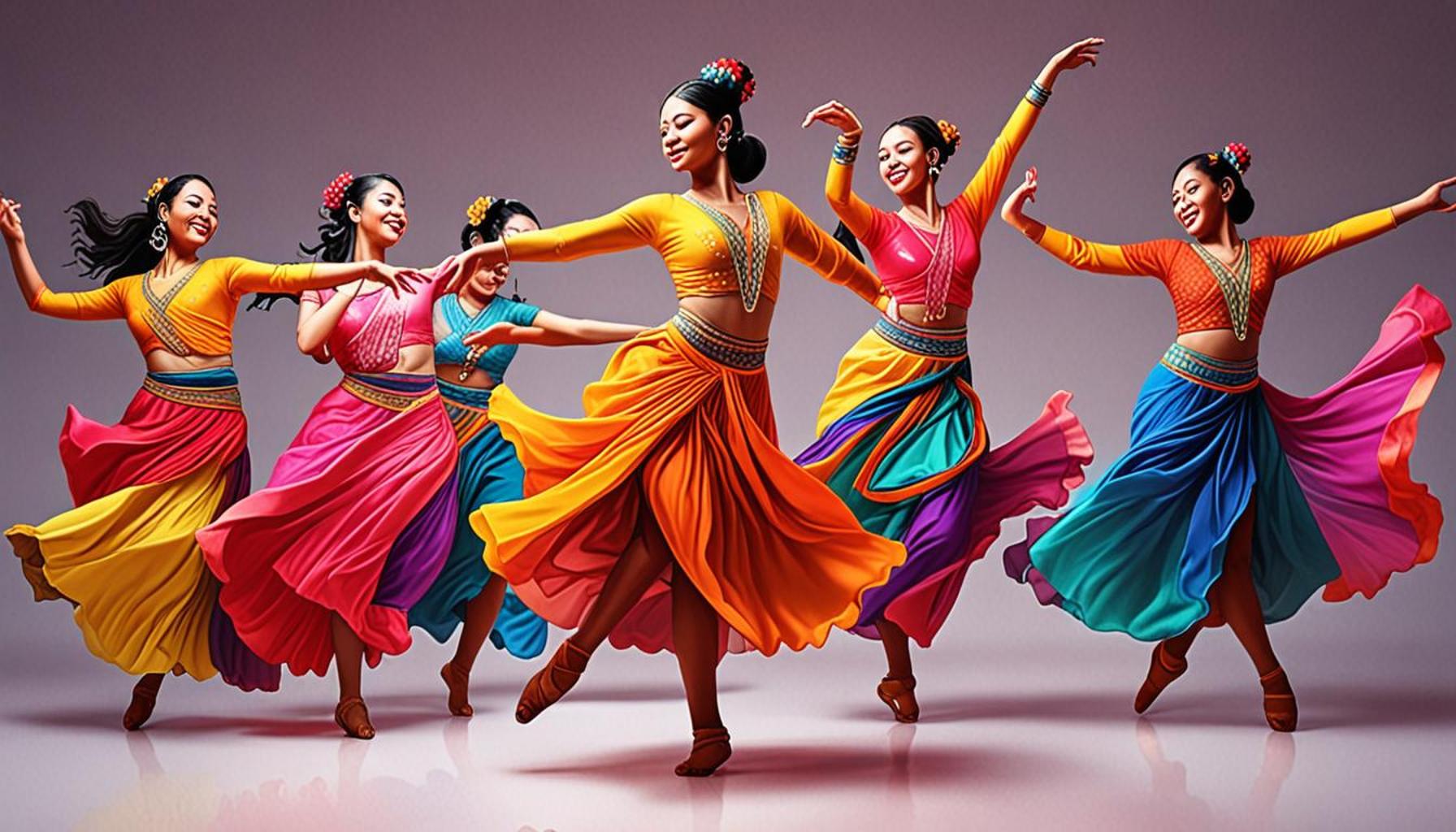
The Power of Dance as a Universal Expression
Dance is not merely a sequence of movements; it is a dynamic expression that reflects a myriad of human experiences and emotions. It transcends geographical barriers and cultural differences, acting as a powerful medium of connection. Historically, dance has served as a conduit for storytelling, allowing individuals to share their narratives, customs, and feelings in a way that words often cannot.
Connection to Heritage
Every dance style carries with it the essence of its cultural origins. For instance, Flamenco hails from the Andalusian region of Spain and encompasses a blend of Gypsy, Moorish, and Jewish traditions. Its intricate footwork and emotive expressions tell tales of passion and sorrow rooted in the struggles of its communities. Similarly, Irish step dancing, with its rhythmic taps and syncopated beats, emphasizes the rich history of the Irish people, celebrating joy amid adversity. These art forms highlight how dance can serve as a living archive of a culture’s heritage, preserving stories and values for future generations.
Community Engagement
The communal aspect of dance is profound. Local dance workshops and performances bring together people of various ages and backgrounds, fostering a sense of belonging and unity. For example, in urban centers across the United States, community dance classes, often emphasizing styles like hip-hop or salsa, allow participants to connect with others while exploring their own creative expressions. Events such as dance festivals provide opportunities for performers and audiences to interact, building a shared experience that strengthens community bonds and encourages cross-cultural dialogue.
Embracing Differences
Dance is a powerful tool for cultural exchange. Workshops and global dance festivals often showcase styles from around the world, inviting participants to learn from and appreciate diverse perspectives. Contemporary initiatives like World Dance Day unite dancers globally, encouraging them to share their art and foster understanding. Such cultural exchanges not only enrich participants’ artistic skills but also promote empathy and respect among different communities, highlighting the beauty of diversity.
The United States, with its rich melting pot of cultures, serves as an ideal backdrop for this fusion of dance styles. The rhythmic heritage of African American traditions, such as step dance and hip-hop, beautifully coexists with the elegance of traditional Native American powwow dances. This synergy creates an inspiring landscape where movements reflect myriad influences, ultimately crafting a unique tapestry of American dance.
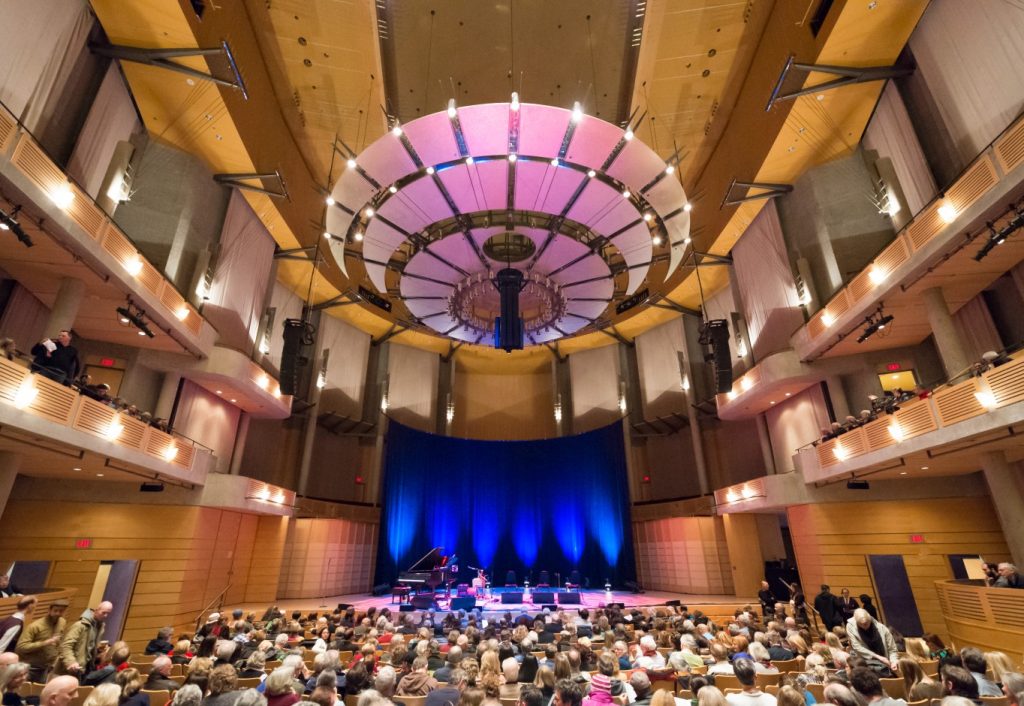
As we delve deeper into how dance enriches our lives, we uncover layers of creativity and human connection. Every step taken on the dance floor invites us on a journey celebrating our shared humanity and the artistry that exists within it.
DISCOVER MORE: Click here to dive deeper into art techniques
Dance as a Canvas of Cultural Narratives
Dancing is akin to painting a canvas, with every movement applied along the spectrum of culture, identity, and history. The integration of cultural diversity in dance not only highlights the uniqueness of each dance style but also its ability to narrate stories of triumph, struggle, and celebration. To appreciate the fabric of cultural diversity through dance, one must recognize how different forms and styles interlace with the essence of societal identity.
Styles Reflecting Global Heritage
A multitude of dance styles reflect the rich histories of their origin countries, serving as a bridge that connects the past with the present. Some notable examples include:
- Bharatanatyam – This ancient Indian classical dance form is known for its expressive gestures and intricate footwork, symbolizing devotion and spirituality. It embodies themes drawn from mythology and showcases India’s cultural richness.
- Breakdancing – Emerging from the streets of the Bronx in New York City, this energetic style is a testament to the city’s hip-hop culture and the African American experience. It symbolizes resilience and the urge for self-expression in urban environments.
- Tarab – A dance style rooted in Middle Eastern tradition, Tarab combines music and movement to create a state of emotional ecstasy. It highlights the cultural interactions along trade routes and how they contribute to a shared sense of identity.
Cultural Dance Festivals: A Celebration of Community
Cultural dance festivals play an essential role in promoting cultural activities that enrich our lives and expand our understanding of diverse heritages. Events such as the Oregon Shakespeare Festival, which often incorporates dance into their performances, provide opportunities for local communities and visitors to immerse themselves in various cultural traditions. These festivals foster community spirit and encourage participation from all walks of life.
Additionally, programs like the International Folk Dance Festival showcase dozens of dance companies from around the world, illustrating the myriad of cultural traditions. Attendees not only watch but engage with performers, further promoting a dialogue based on cultural appreciation and respect.
Dance Education as a Tool for Inclusivity
Integrating dance education in schools and community programs can play a pivotal role in fostering inclusivity. Programs that expose students to various dance forms encourage them to explore and celebrate cultural diversity. For instance, through learning traditional dances from different cultures, students become more attuned to the nuances of global histories and perspectives, building a foundation for empathy and understanding.
In conclusion, the exploration of cultural diversity through dance embodies an art form that speaks to the heart of human experience. As we continue this journey, we unveil how each dance style contributes to an intricate narrative of humanity, celebrating both our unique identities and shared experiences.
Embracing Cultural Exchanges
Dancing serves as a universal language that connects diverse communities across the globe. Through cultural exchanges facilitated by dance, people not only appreciate different traditions but also foster camaraderie and mutual respect. Varieties of styles, such as Bharatanatyam from India, Flamenco from Spain, and Hula from Hawaii, offer rich insights into the respective cultures and histories they represent. Understanding these art forms encourages participants to delve deeper into the narratives of various societies, ultimately leading to a broader worldview. By embracing cultural exchanges through dance, individuals engage in meaningful dialogues that transcend linguistic barriers.
The Role of Dance in Identity Formation
Dance often plays a crucial role in shaping cultural identity. For many, participation in traditional dance allows individuals to reaffirm their heritage and share it with others. This activity becomes a source of pride and provides a sense of belonging. Moreover, in multicultural environments, fusion dances emerge as innovative results of cultural blending, showcasing how societies can coexist harmoniously. Such fusions not only create new forms of artistic expression but also celebrate diversity, fostering unity among different cultural backgrounds.
The Psychological Benefits of Dance
Engaging in dance has profound psychological benefits that extend beyond mere enjoyment. Dance contributes to emotional well-being by offering a creative outlet for self-expression. The shared experience of dancing in diverse settings can strengthen community bonds and create positive mental states. Studies have shown that rhythmic movement and bodily coordination can enhance cognitive functions and reduce stress levels. Therefore, the act of dancing serves not only as a means for cultural expression but also as a tool for personal and communal healing.
| Cultural Exchange | Benefits of Dance as a Means of Communication |
|---|---|
| Universality of Dance | Facilitates connection across cultures, enhancing understanding. |
| Cultural Pride | Strengthens identity, allowing communities to express uniqueness. |
| Psychological Growth | Promotes emotional health, teamwork, and creative expression. |
As we delve deeper into the world of dance, it becomes evident how interconnected cultural diversity and art forms define our shared human experience. The rhythm of life humorously calls upon each of us to join in the dance, celebrating our differences while recognizing our commonalities.
DISCOVER MORE: Click here to enhance your skills
The Power of Dance in Community Bonding
Beyond individual expression, dance serves as a crucial medium for community bonding and collective identity. It brings people together, transcending barriers of language, ethnicity, and age. In America, where the tapestry of culture is continuously woven by immigrants and indigenous communities, dance becomes a communal ritual that fosters relationships and strengthens social ties.
Dance as a Means of Activism
Throughout history, dance has been employed as a form of activism, raising awareness on social issues and fostering change. Movements such as the Indigenous-led Red Blanket Dance aim to reclaim cultural heritage while addressing the challenges faced by Native American communities. Events like these highlight how dance can be a powerful tool to advocate for rights, promote justice, and express solidarity.
Moreover, the integration of dance with powerful movements, such as the Black Lives Matter movement, showcases how artists use their bodies to convey messages of resilience and resistance. Choreographers and dancers around the country have harnessed the emotional power of dance to galvanize support and encourage dialogue around racial equality and justice.
The Global Influence of Dance Forms
The influence of dance is not just limited to traditional forms; contemporary styles reflect an ongoing evolution shaped by cultural exchange. The rise of fusion dance styles—merging elements from different cultural backgrounds—demonstrates the fluidity and adaptability of dance. For instance, styles like hip-hop incorporate influences from African, Latin, and Caribbean traditions, creating dynamic performances that resonate with a diverse audience. As these fusion styles gain popularity, they highlight the shared experiences and identities formed through movement.
Additionally, social media platforms have propelled this evolution, where clips of viral dance challenges spread rapidly, encouraging cross-cultural participation. Trends such as the Renegade dance, originating from African American youth culture, gained global recognition, further emphasizing dance’s capacity to bridge cultural gaps and connect people through shared practices.
Cultural Exchange Through Dance Workshops
Workshops designed for the exploration of diverse dance forms are increasingly common in urban environments. These workshops create spaces where participants can learn traditional styles from instructors of varied backgrounds. For example, events such as Dance Mission Theater in San Francisco offer classes in everything from African to Argentine Tango, contributing to the appreciation of cultural diversity. Participants not only acquire new skills but also gain insight into the histories and practices embedded in each dance tradition.
Such initiatives enrich our lives by fostering respect for and understanding of cultures that may be unfamiliar to us. Through shared experiences on the dance floor, individuals bond over the joys of learning something new and connecting with others, thereby enriching both their personal lives and the broader community.
DISCOVER MORE: Click here to dive deeper
Conclusion: The Dance of Cultural Unity
In the journey of exploring cultural diversity through dance, we uncover a vibrant tapestry that unites us beyond our differences. Dance acts as a universal language that speaks to the heart, allowing individuals to express emotions and narratives that words often cannot encapsulate. From community-based rituals to powerful forms of activism, it is clear that dance is not just an artistic form but also a vital component for promoting social cohesion and understanding.
The global influence of diverse dance forms emphasizes the richness of cultural exchange, amplifying voices that advocate for justice and equality. As we witness the rise of fusion styles and viral dance trends, we recognize that innovation does not erase tradition; instead, it enriches our collective experience. Each dance movement, whether rooted in history or contemporary expression, represents an opportunity for dialogue and connection.
Moreover, workshops and cultural events serve as invaluable platforms for enhancing appreciation of the unique histories and values embedded within different dance practices. By participating in such activities, individuals not only learn new skills but also nurture respect and admiration for cultures that may have previously been foreign to them. As we engage with the rich world of dance, we contribute to a broader understanding of diversity that shapes our identities and communities.
As we continue to explore the significance of cultural activities like dance in enriching our lives, let us embrace the beauty of togetherness and the promise it holds for fostering unity in an increasingly interconnected world. Through the power of dance, we can celebrate our differences while finding common ground, paving the way for a future that is vibrant, informed, and inclusive.
Related posts:
The Importance of Cultural Activities in Promoting Personal Creativity
How Participating in Cultural Events Can Expand Your Horizons in Artistic Hobbies
The Influence of Cultural Activities on the Creation of Creative Hobbies: Exploring the Intersection...
Traditional Craft Meets Modernity Cultural Activities Inspire New Hobbies
The Impact of Performing Arts on Creative Hobby Practices
The Importance of Cultural Activities in Enhancing Emerging Creative Hobbies
Linda Carter is a writer and creative hobbies expert specializing in crafting, DIY projects, and artistic exploration. With extensive experience helping individuals discover their creative potential and bring their ideas to life, Linda shares her knowledge on our platform. Her goal is to empower readers with practical tips, inspiring ideas, and step-by-step strategies for success in the world of creative hobbies.