Explore Art Innovatively Blend Traditional Digital Techniques
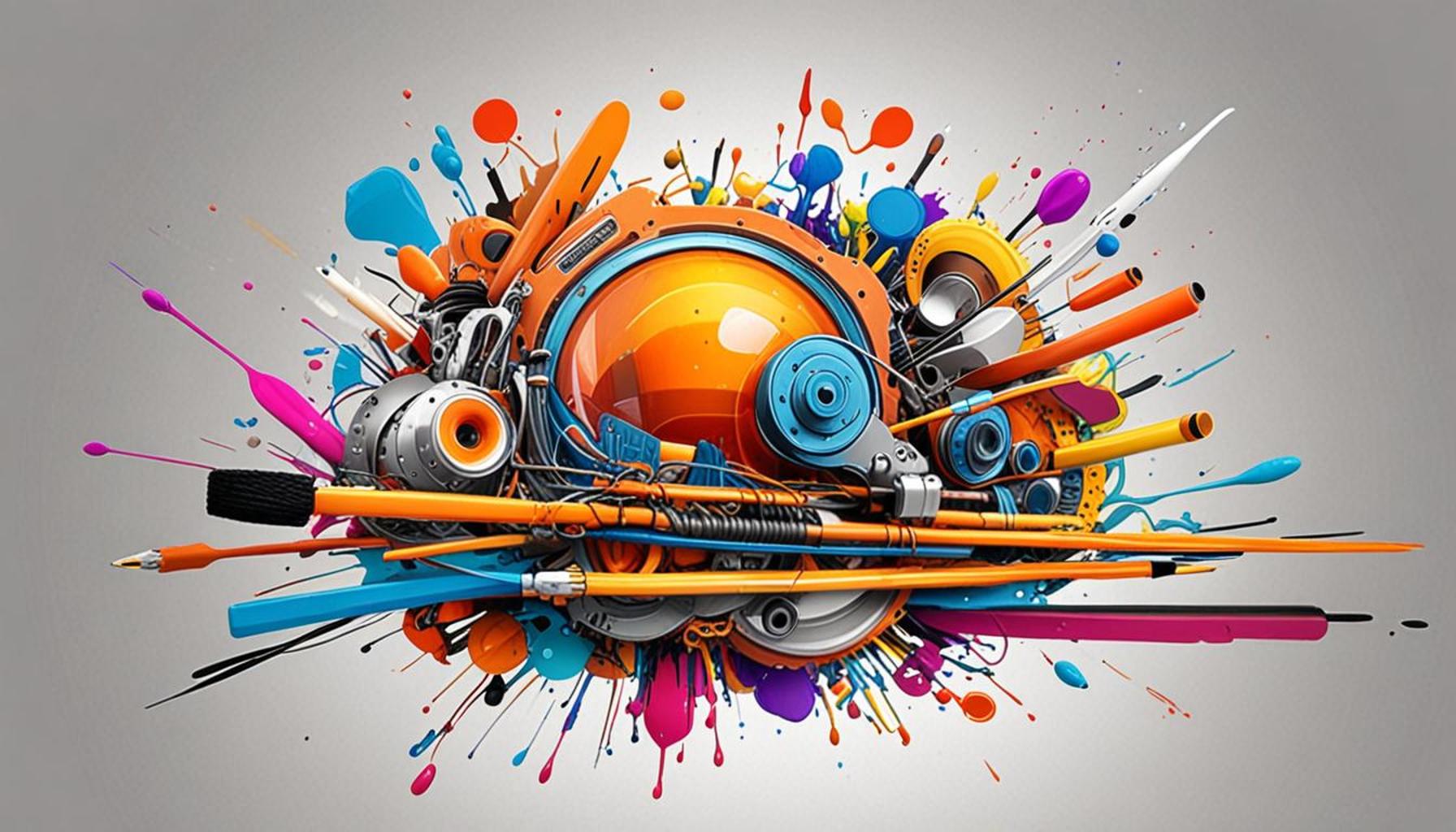
Unveiling a New Era of Artistic Expression
In today’s fast-paced world, the realms of artistry and technology are increasingly intertwined, sparking a revolution in creative hobbies. Artists are no longer confined to traditional mediums; they are merging techniques to create captivating visual experiences that push boundaries. This innovative blending of traditional and digital mediums not only broadens the horizon for artistic exploration but also offers unique ways to express individuality.
Why This Matters
The importance of fusing techniques in art lies in the opportunity it provides for:
- Enhanced creativity: Artists can experiment with new forms and styles.
- Accessibility: Digital tools allow more people to engage in artistic endeavors.
- Diverse expression: Combining methods can lead to innovative results that resonate with wider audiences.
As we dive deeper into this fascinating topic, prepare to discover the Top 5 innovative techniques that exemplify this artistic fusion. Each technique not only showcases talent but also inspires others to explore their own creative potential in this hybrid landscape.
Innovative Techniques for Artistic Exploration: Blending Traditional and Digital Mediums
In today’s dynamic creative landscape, the fusion of traditional and digital mediums is unlocking exhilarating new pathways for artistic expression. This blend not only empowers artists to stretch their creative boundaries but also democratizes the accessibility of art itself, making it a more inclusive realm. This convergence invites artists and hobbyists alike to harness the strengths of both worlds, crafting experiences and works that captivate and inspire. Here, we delve into five innovative techniques that epitomize this artistic synergy, uncovering fresh dimensions for creative exploration and expression.
5. Mixed-Media Collage
Beginning our exploration is the mixed-media collage, a rich, multi-layered technique that combines various elements from traditional and digital art realms. Artists engaging in this art form often integrate traditional materials such as paper, paint, textiles, and even found objects with digital prints, photographs, and digital illustrations. This amalgamation fosters an exploration of textures and styles that is as unique as it is personal.
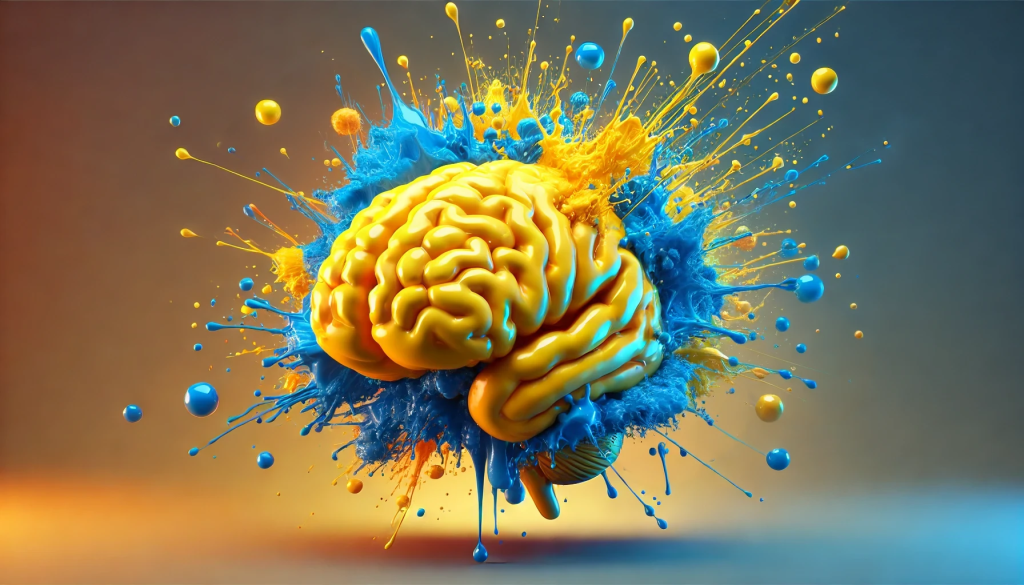
Mixed-media collages offer artists a platform to juxtapose different periods, styles, and contexts, encouraging diverse interpretations from their audience. This creative approach can produce a depth and vibrancy that is both visually striking and emotionally resonant. With the advancement of digital tools, artists can easily adjust, enhance, and print digital components, integrating them seamlessly with traditional materials to achieve breathtaking results.
One can consider the work of artist Hannah Höch, a pioneer in the art of collage, revisited through modern eyes using digital enhancements. Imagine reimagining her sharp, socio-political commentaries with the aid of digital editing tools—such as manipulating the size, texture, and color of each element—adding a new layer of contemporary critique.
4. Digital Painting Techniques
Next, at number four, the advent of digital painting techniques has transformed how artists approach creation. Utilizing software like Adobe Photoshop, Corel Painter, and Procreate, artists experiment with a variety of brushes, textures, and effects, all designed to emulate traditional painting mediums.
This technological advance offers artists the liberty to innovate without the traditional constraints of physical materials, such as drying times or limited supplies. Many artists start with a pencil sketch, which they scan into a digital device, enriching the foundation with digital tools. This method allows for ease in making modifications and fosters a more forgiving and daring artistic venture.
The power of digital painting lies in its flexibility and capability for detailed refinement, thanks to the use of layers. Artists can achieve intricate detailing while exploring traditional techniques like oil and watercolor effects, digitally without waste or mess. Celebrated digital artists like David Hockney have championed this technique, demonstrating how traditional expertise can be beautifully expressed in new digital forms.
3. Augmented Reality Integration
Ranked at number three is the exciting potential of augmented reality (AR) integration in art. This approach melds digital content with traditional artworks, creating experiences that transcend physical constraints. Typically, this technique employs mobile applications to reveal hidden layers, animations, or soundscapes when viewed through a digital interface.
AR dramatically expands storytelling capabilities within art, enabling audiences to interact with pieces in novel ways. For instance, an artist might paint a still life that, when viewed through an AR app, blossoms into an animated scene with moving elements and synchronized sounds. Such interactions foster deeper engagement, inviting viewers to immerse themselves in an enriched experience beyond the visible canvas.
Consider the impact of AR in large exhibitions, where visitors could use smartphones to unlock hidden narratives within each painting, breathing new life into gallery interactions. Artists and curators alike are thus adopting AR to enhance accessibility and inclusivity, ensuring art remains a shared and evolving experience.
2. 3D Printing in Sculpture
At number two, we explore the revolutionary use of 3D printing in sculpture. This technology allows artists to digitally design sculptures with intricate details, which can then be realized through 3D printing processes. The implications of this technique are profound, as it creates complex forms that would challenge traditional sculpting methods.
With 3D printing, artists can experiment with various materials, from plastics to metals and ceramics, often challenging the boundaries of form and materiality. This opens unprecedented avenues for creative expression, allowing even the most ambitious designs to come to fruition. Many artists share their 3D models online, fostering a community of innovation and collaboration that enriches the art form.
The likes of Dov Ganchrow and Ami Drach exemplify this fortuitous marriage between technology and artistry. They have utilized 3D printing to reimagine historical artifacts with modern interventions, creating works that provoke thought regarding the past and future of artistic production.
1. Interactive Installations
At the vanguard of our list is the intriguing world of interactive installations. By merging traditional art forms with cutting-edge technology, this technique invites audiences to personally engage with—and even partake in—the artistic experience itself. Such installations often incorporate projections, soundscapes, and reactive components, blurring the perceived lines between artist and spectator.
Interactive installations challenge conventional art perceptions, transforming art from an object to be observed into an experience to be lived. This technique encourages a dialogue between the art piece and its audience, fostering a sense of involvement that can deepen appreciation and insight. For instance, TeamLab’s immersive environments allow viewers to affect digital landscapes with physical movement, creating a symphony of interaction between human presence and digital art forms.
As artists continue to explore these innovative techniques for artistic exploration, it’s clear that blending traditional and digital mediums produces exceptional results, reshaping the boundaries of creative expression. Each technique offers distinct advantages and avenues for exploration, empowering artists to discover and articulate their unique voices in this dynamic artistic landscape.
Through these methods, artists are not only crafting new aesthetics but are also redefining the experiential boundaries of art, offering audiences enriching experiences that are at once personal and universal. The future of art continues to unfurl, promising even more vibrant intersections of human creativity and technological ingenuity.
| Category | Description |
|---|---|
| Expanding Creative Possibilities | The blending of traditional and digital mediums opens up a vast array of creative opportunities, allowing artists to experiment with new techniques, textures, and styles. For instance, digital tools can simulate watercolor effects, offering the benefits of traditional art forms without the restrictions of physical materials. |
| Enhanced Accessibility | Digital mediums allow for enhanced accessibility for both artists and audiences. Software programs and online platforms enable artists to create stunning works from anywhere, while viewers can experience artwork without the need to visit galleries physically. This digital access fosters a more inclusive art community and promotes diverse expressions of creativity. |
| Processes of Innovation | Innovative techniques often emerge from the fusion of traditional skills with modern technology, resulting in unique styles and approaches. For example, artists who utilize augmented reality can enhance physical artworks, offering interactive experiences that challenge the boundaries of conventional viewing. |
| Collaborative Opportunities | The integration of digital mediums fosters collaboration among artists from various disciplines. With digital platforms, artists can share resources, engage in joint projects, and inspire one another. This synergy not only enhances individual works but also contributes to the evolution of artistic practices as a whole. |
Frequently Asked Questions about Blending Traditional and Digital Art Mediums
What are the key benefits of integrating traditional and digital art mediums?
The fusion of traditional and digital art mediums offers a wealth of advantages for artists. A key benefit is the ability to experiment with a range of techniques that can lead to innovative artistic outcomes. By merging old and new tools, artists can create unique textures and effects that aren’t possible with one medium alone. Furthermore, this integration allows for greater flexibility and ease of edits, as digital tools enable artists to change elements without altering the physical artwork. Ultimately, blending these mediums can significantly broaden an artist’s creative repertoire.
How can beginners start blending traditional and digital techniques?
For beginners, starting with foundational traditional techniques such as drawing or painting can build essential skills. Once comfortable, incorporating simple digital tools like a graphic tablet or stylus can be the next step. Beginners are encouraged to use digital software that mimics traditional mediums, providing a familiar interface while offering digital flexibility. Resources like online tutorials and workshops can also be invaluable for learning best practices and gaining insights from experienced artists. The key is to practice consistently and explore freely, merging tools as confidence grows.
Are there any specific tools that are essential for this blending approach?
When blending traditional and digital art forms, specific tools can enhance the creative process. Essential tools may include a graphic tablet and pen, which allow for a natural drawing experience on digital platforms. Software such as Adobe Photoshop or Corel Painter can replicate traditional brushwork digitally. For traditional mediums, having a variety of brushes, papers, and paints can facilitate the transition and experimentation between the two methods. While specific tools can aid the process, pushing creative boundaries often leads to discovering new techniques.
What challenges might artists face when combining these mediums?
Artists may encounter challenges such as balancing the learning curve of digital tools while refining traditional skills. Often, artists are required to adapt to different workflows that integrate both physical and digital aspects, which can be initially cumbersome. Addressing technical issues, such as software compatibility and digital lag, may also disrupt the creative flow. However, with practice and exploration, these challenges can become less daunting. Perseverance and a willingness to experiment are key to overcoming obstacles and enhancing creative expression.
Why is blending traditional and digital art considered revolutionary in the art world?
The combination of traditional and digital art is deemed revolutionary because it redefines the boundaries of artistic expression. This merging allows artists to explore unprecedented possibilities, opening up new avenues for storytelling and innovation. It bridges the gap between time-honored techniques and modern technology, enabling works that resonate with diverse audiences. As the art world continually evolves, this integration stands at the forefront, offering dynamic approaches to creativity that are continually reshaping modern art landscapes.
Conclusion: A New Era of Artistic Exploration
Innovative techniques in art bring about an exciting and transformative era for artists and enthusiasts alike. Throughout our exploration, we’ve delved into the myriad ways in which blending traditional and digital mediums can elevate and expand an artist’s creative horizon.
Key Takeaways
- Embracing both traditional and digital mediums allows for a rich and diverse palette of creative expression.
- The fusion of techniques fosters an environment ripe for experimentation, encouraging artists to step beyond conventional boundaries.
- Emerging technologies, such as virtual reality and digital painting tools, provide new platforms for artists to engage with their audience in interactive and immersive ways.
- Artists can enhance their technical skills by learning new digital software, complementing their traditional art knowledge.
- This blend of mediums establishes a bridge between timeless artistic traditions and the innovations of the digital age.
As artists continue to explore and combine these mediums, they not only enrich their work but also forge a deeper connection with their audience. The evolution sparked by this blend of traditions offers endless opportunities for self-expression and storytelling. It compels artists to question the boundaries between the past and future, the physical and virtual, fostering a dynamic and inclusive creative landscape.
Going forward, this synergy between traditional and digital art forms holds the potential to redefine the art world, inviting enthusiasts to embrace novel perspectives. The continual evolution of art through innovative means challenges us to not only preserve the legacies of the past but to also look forward with anticipation towards a future brimming with creative possibilities.
Related posts:
The Influence of Urban Spaces on Artistic Creation: How the Environment Shapes Creativity
The Art of the Everyday: Finding Beauty and Creativity in Common Objects
The Role of Art in Therapy and Personal Well-Being
Exploring Different Artistic Mediums: Painting, Sculpture, and Digital
The Influence of Life Experiences on Artistic Production: Personal Narratives and Creation
Unlock Personal Growth How Artistic Exploration Boosts Emotional Well-being
Linda Carter is a writer and creative hobbies expert specializing in crafting, DIY projects, and artistic exploration. With extensive experience helping individuals discover their creative potential and bring their ideas to life, Linda shares her knowledge on our platform. Her goal is to empower readers with practical tips, inspiring ideas, and step-by-step strategies for success in the world of creative hobbies.