Contemporary Dance as a Language of Feelings: Movement as an Expression of the Soul
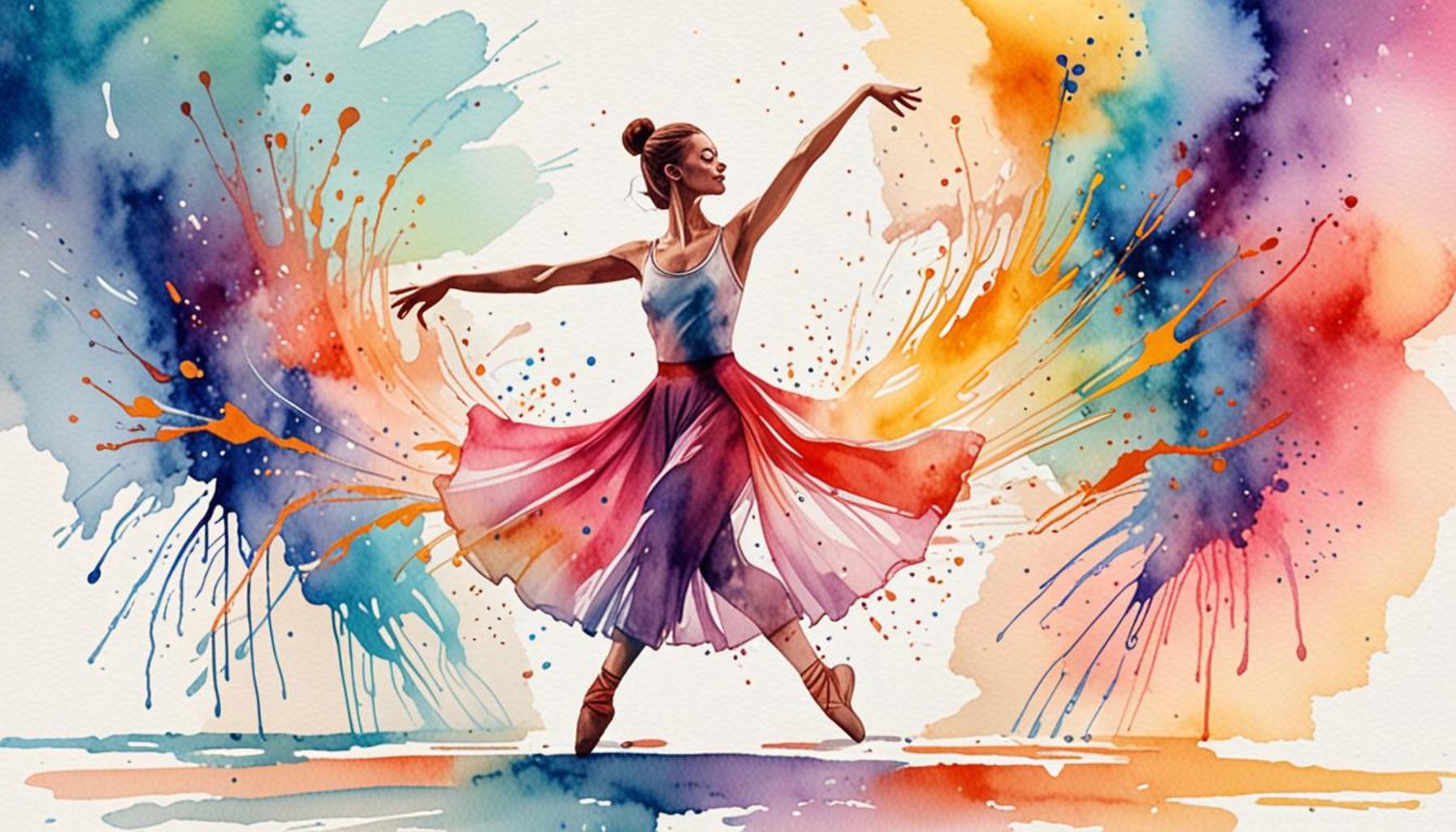
The Language of Movement in Contemporary Dance
In the expansive realm of artistic expression, contemporary dance stands out as a significant and transformative medium. Unlike traditional dance forms, contemporary dance is not confined by strict techniques or prescribed styles. It evolves with cultural shifts and mirrors the complexities of modern life, making it a versatile platform for creative storytelling. Through the fluidity of movement and the intricacies of choreography, dancers convey a range of sentiments and narratives that resonate deeply with audiences across various backgrounds.
At its core, contemporary dance serves as a language of feelings, where each gesture and expression carries weight and significance. The performers are not merely executing steps; they are articulating emotions that might be challenging to vocalize. This form of expression encompasses a myriad of themes and can evoke a visceral response from viewers. For instance, a dancer might use rapid, erratic movements to illustrate the chaos of anxiety, while slow, flowing motions may represent healing and tranquility.
Exploring Key Themes in Contemporary Dance
Contemporary dance is a rich tapestry of various themes, each inviting audiences into deeper contemplation. Consider the following:
- Emotional Expression: Physical movements serve as vessels for showcasing a wide spectrum of emotions. Choreographers often experiment with contrasting dynamics to embody feelings like joy, sorrow, love, or despair. A quintessential example is the work of Martha Graham, whose innovative techniques broke new ground by emphasizing the emotional experience behind movement.
- Social Commentary: Dancers frequently explore themes of identity, inequality, and societal norms through their performances. For instance, in recent productions, choreography has tackled issues like systemic racism and gender inequality, illustrating how movement can provoke dialogue about pressing societal challenges. Such performances invite the audience to reflect on their societal roles and recognize the implications of their actions.
- Personal Narrative: Many choreographers draw from their unique life stories to craft performances that resonate on a personal level. This aspect of contemporary dance allows for a diverse range of perspectives, enabling artists to share intimate experiences of love, loss, and resilience. It celebrates individuality while allowing viewers to find commonality in shared emotions.
The impact of contemporary dance extends beyond the stage; it ignites introspection within both dancers and audiences. By engaging with the layers of meaning embedded in performances, viewers can embark on a journey of emotional and spiritual discovery. Whether through workshops, performances, or community collaborations, contemporary dance fosters a dialogue on the human experience, encouraging individuals to embrace and express their emotions through movement.
As one delves into the world of contemporary dance, it becomes evident that this art form is not just about movement; it is about connection. Each performance offers an opportunity to explore complex narratives that speak to the heart and soul, encouraging a deeper understanding of not only the self but also the wider community. To engage with contemporary dance is to uncover a profound aspect of human existence—a celebration of the universal language of movement.
DISCOVER MORE: Click here to enhance your skills
The Power of Emotion in Movement
As audiences watch contemporary dance unfold on stage, they become witnesses to a profound exploration of human emotion. Each performance acts as a mirror reflecting not only the personal experiences of the dancers but also the collective feelings of society. The beauty of contemporary dance lies in its ability to push boundaries, allowing choreographers and performers to communicate complex emotions through innovative movement. This dynamic art form transforms the stage into a space for connection, where shared feelings can be expressed and experienced viscerally.
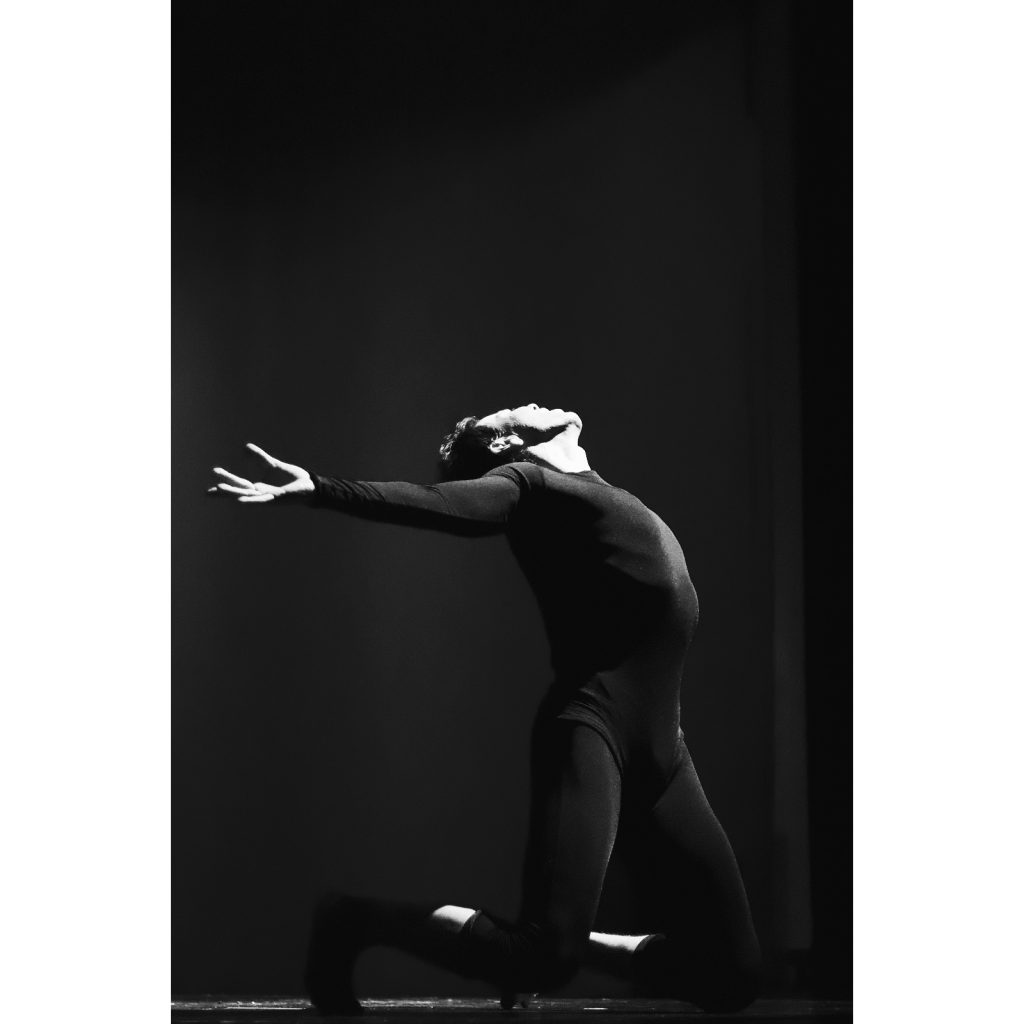
One key aspect of contemporary dance as a language of feelings is its reliance on body language. Movements tell stories that words often cannot convey. For example, when a dancer extends their arms open in vulnerability, it symbolizes an invitation to the audience to connect on a deeper emotional level. Conversely, tight, constricted movements may evoke feelings of tension or fear. Such contrasting dynamics not only enhance the emotional impact of a piece but also enrich the audience’s understanding of the material being presented.
Facial Expressions and Gestures
In contemporary dance, facial expressions and subtle gestures play crucial roles in the overall narrative, adding layers of meaning to the movement. A furrowed brow may speak of grief or frustration, while a radiant smile can radiate joy and hope. These elements work in tandem with physical movement to create a fully immersive experience for the audience. They invite spectators to engage their emotions, allowing the performance to resonate in a way that transcends mere observation.
Furthermore, contemporary dance often employs the use of improvisation as a method to tap into raw emotions. Dancers may draw from their personal experiences, allowing spontaneity to guide their movements and express authentic feelings in real time. Workshops that focus on improvisational techniques often emphasize self-discovery and emotional release, showcasing how movement can serve as both a physical outlet and an emotional relief. This practice enhances the connection between dancers and their audience, as viewers can see and feel the genuine expression of feelings being conveyed.
To better understand the emotional depth within contemporary dance, it can be helpful to explore various styles and techniques that contribute to its expressive nature. Consider these aspects:
- Release Technique: This style emphasizes letting go of unnecessary tension in the body, allowing for fluidity in movement that can evoke a sense of freedom and expressiveness.
- Contact Improvisation: This technique encourages dancers to move together in spontaneous ways, fostering a deep connection to their partner and creating a shared emotional experience.
- Physical Theater: A blend of movement and narrative storytelling, this approach adds layers of theatricality to dance, often exploring themes of identity, relationships, and the human condition.
As contemporary dance continues to evolve, it remains an influential medium for emotional exploration and expression. The interplay of movement, gestures, and improvisation empowers dancers to authentically convey their inner experiences, offering audiences a unique opportunity to connect with themselves and each other on a deeper level. This artistic practice not only transforms the stage into a canvas of feelings but also serves as a poignant reminder of the connections that bind us all.
| Key Elements | Impact on Expression |
|---|---|
| Embodied Emotions | Contemporary dance allows performers to physically manifest their innermost feelings, transforming subtle emotions into powerful movement sequences. |
| Individual Narratives | Each dancer shares a personal story through their body, inviting the audience to connect with their unique experiences and feelings. |
| New Vocabulary | Dancers create a new lexicon of movement, using gestures, dynamics, and formations that convey complex emotional states. |
| Cultural Exchange | Contemporary dance serves as a bridge between cultures, allowing diverse expressions of feelings to resonate across boundaries. |
The exploration of contemporary dance as a deep emotional and cultural dialogue brings to light the profound connection individuals have with movement. By experiencing embodied emotions, dancers can convey a spectrum of feelings, from joy to sorrow, all through the shared language of the human body. This medium invites audiences into the narrative, making the performance not just an experience but a shared journey of understanding and empathy. The creation of new vocabularies in movement further enriches this dialogue, encouraging a dynamic exchange that transcends verbal limitations.Moreover, as dancers express individual narratives, they contribute to a richer tapestry of cultural understanding, each performance acting as a window into the diverse human experience. This interconnectedness fosters a deeper appreciation of how movement can articulate the soul’s voice, bridging personal and collective emotions harmoniously. Through contemporary dance, audiences are not merely spectators; they become part of a shared emotional landscape that enhances their own understanding of feelings and expressions in a tumultuous world.
DISCOVER MORE: Click here to unleash your creativity
Movement as a Catalyst for Personal and Societal Reflection
Contemporary dance serves not only as a personal form of expression but also as a mirror reflecting the multifaceted layers of societal emotions. By grappling with themes of mental health, social justice, and personal identity, contemporary dance can provide an outlet for exploration and dialogue surrounding these pressing issues. The power of this medium lies in its ability to convey complex messages using only movement and emotion, inviting audiences to connect with their own experiences in relation to broader societal themes.
For instance, the rise of works that address systemic injustices, such as racial inequality and gender discrimination, embodies a movement towards advocacy within the dance community. Choreographers harness the expressiveness of movement to invoke feelings of anger, sorrow, and hope. An excellent example of this is the renowned contemporary company, Alvin Ailey American Dance Theater, known for their ability to incorporate African-American cultural themes into breathtaking choreography that resonates deeply with audiences. Their signature piece, Revelations, is a poignant display of the collective struggle and beauty of the African-American experience.
The Role of Music and Sound
The integration of music and sound plays an indispensable role in enhancing the emotional depth of contemporary dance. The rhythm and melody guide the dancers’ movements and create a layered auditory experience that transcends the visual aspect. Live music performances, for instance, often heighten the emotional resonance of a piece, allowing audiences to experience the narrative in real time. Collaborations with composers and musicians foster a synergy that deepens the connection between movement and emotion.
Moreover, sounds that evoke particular feelings—like the haunting melody of a solo violin or the energetic beat of a percussive ensemble—can dictate the dancers’ physical responses, leading to an organic expression of the chosen themes. Take, for example, the works of choreographer Pina Bausch, whose fusion of spoken word and live music with movement creates a visually arresting and emotionally charged environment. This interplay between various art forms bridges emotional gaps and amplifies the intended messages of the performance.
Healing and Self-Discovery Through Dance
Beyond its role in storytelling and emotional expression, contemporary dance has emerged as a powerful tool for healing and self-discovery. Workshops and classes focused on movement therapy emphasize the importance of using dance as a means to process emotions and experiences. Participants engage in improvisational exercises that encourage them to trust their bodies and unveil feelings that may not be easily expressed in words. Such practices have gained traction across the United States, with increasing recognition of their benefits on mental health.
Moreover, dance therapy sessions facilitate a safe space for individuals facing trauma or emotional difficulties to reconnect with themselves, utilizing movement as a medium of healing. Through expressive movement, individuals can release pent-up emotions, fostering a sense of liberation and clarity. In this manner, contemporary dance has the capacity to be profoundly transformative, guiding people toward deeper self-awareness and connection with their feelings.
As contemporary dance continues to evolve, the incorporation of these elements sustains its relevance and power as a language of feelings. By engaging audiences on personal and societal levels, contemporary dance invites a dialogue that resonates far beyond the stage, offering a space for reflection, healing, and universal understanding through the art of movement.
DIVE DEEPER: Click here to discover the magic of art and nature
Conclusion: The Enduring Legacy of Movement as Expression
In conclusion, contemporary dance stands as a profound language of feelings, where movement transcends mere entertainment to become a powerful vehicle for emotional and societal expression. By tapping into the depths of human experience, contemporary dance not only articulates personal narratives but also acts as a lens through which broader social issues can be examined and understood. This unique art form invites audiences to confront their emotions—be it joy, pain, anger, or hope—transforming the stage into a shared space of empathy and reflection.
The integration of music and sound further amplifies the emotional essence of performances, creating a multisensory experience that immerses audiences in the stories being told. Moreover, the therapeutic benefits of movement underscore contemporary dance’s role as a medium for healing and self-discovery, enabling individuals to process their emotions in a supportive environment. As workshops and dance therapy become increasingly mainstream, the relevance of contemporary dance only continues to grow.
In a world rife with challenges and complexities, the dance community’s ongoing commitment to exploring themes of identity, justice, and healing fosters an essential dialogue that resonates beyond the confines of the stage. As we continue to witness the evolution of contemporary dance, it promises to remain a critical expression of the soul, urging us all to listen, reflect, and ultimately connect through the universal language of movement.
Related posts:
Letters to the Future: Writing Letters as a Form of Reflection and Creativity
The Art of Origami as Creative Meditation: Folding Paper and Emotions into Shapes
The Influence of Abstract Art on Personal Expression: Exploring Emotions Through Painting
The Art of Visual Storytelling How Illustration Boosts Creativity
The Role of the Garden as a Space for Creation: Cultivating Ideas and Emotions through Gardening
Photography as Visual Narrative: Capturing Moments and Emotions in Images

Linda Carter is a writer and creative hobbies expert specializing in crafting, DIY projects, and artistic exploration. With extensive experience helping individuals discover their creative potential and bring their ideas to life, Linda shares her knowledge on our platform. Her goal is to empower readers with practical tips, inspiring ideas, and step-by-step strategies for success in the world of creative hobbies.