Boost Your Career How Creative Hobbies Enhance Skill Growth
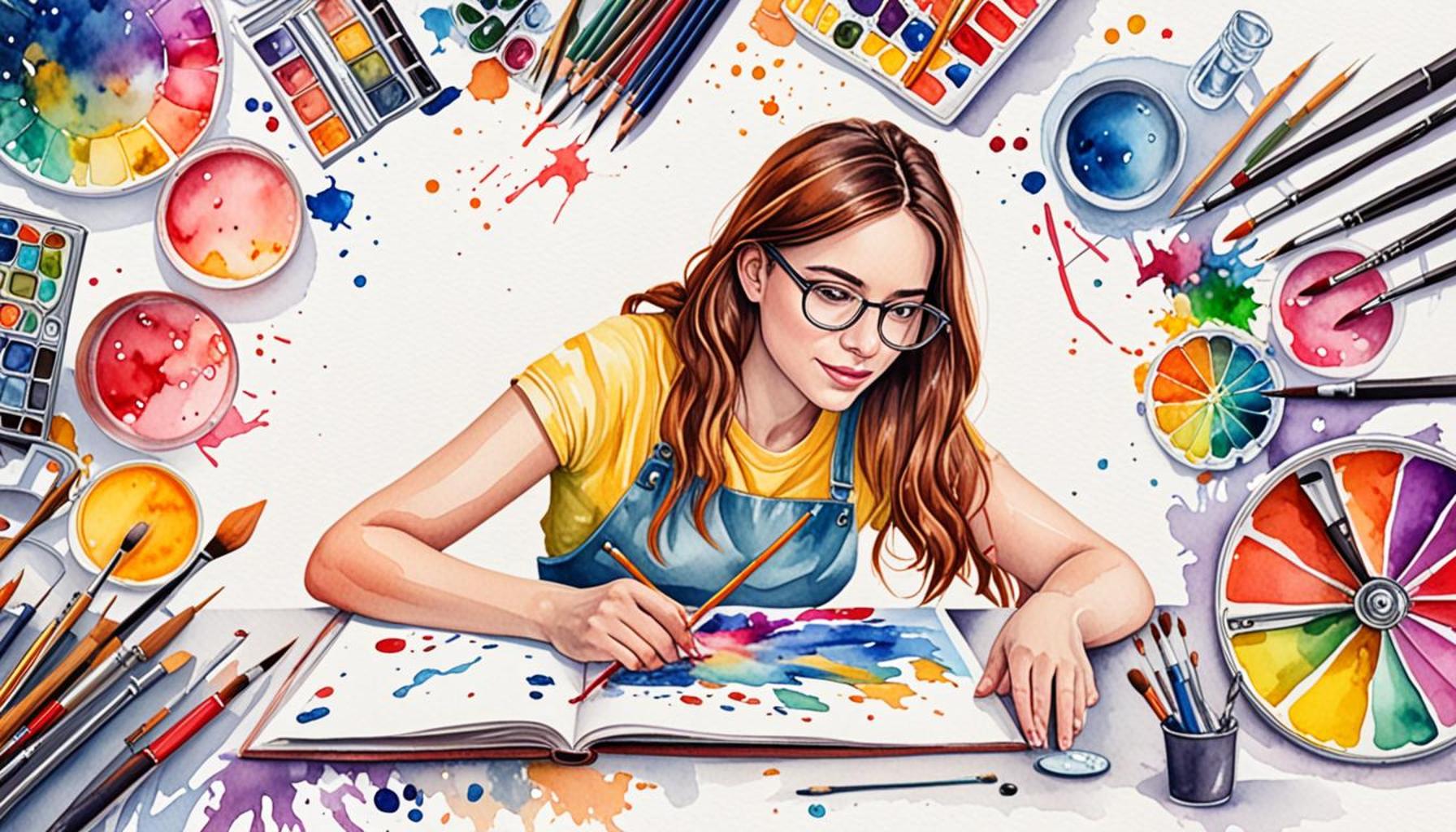
In today’s fast-paced job market, the quest for personal and professional development has never been more essential. Creative hobbies serve as an unconventional yet powerful means to cultivate new skills that can directly influence career advancement. Engaging in activities such as painting, writing, or crafting not only provides relaxation but also transforms the way we approach problem-solving and innovation in the workplace.
These hobbies allow individuals to:
- Enhance critical thinking through artistic expression.’
- Improve communication skills by sharing creative ideas.
- Boost adaptability as new techniques and materials are explored.
- Foster collaboration in group projects or creative workshops.
- Encourage time management through balancing personal and professional commitments.
This article will delve into the top 5 creative hobbies that not only ignite your passion but also act as stepping stones for career growth. Get ready to discover how these activities can redefine your professional journey and unlock new opportunities!
The Importance of Continuous Learning: How Creative Hobbies Can Enhance Your Professional Skills
In today’s fast-paced world, the professional landscape is constantly evolving, making the acquisition and application of new skills indispensable for distinguishing oneself in a highly competitive job market. One often overlooked yet effective method of enhancing professional skills is through engagement in creative hobbies. These activities not only provide personal gratification but also contribute significantly to professional growth. In this article, we explore the importance of continuous learning, highlighting five key benefits of how creative hobbies can enhance professional skills in a working context.
The Role of Creativity in Professional Development
Creativity stands as a cornerstone in nearly every professional field. Engaging in creative hobbies like painting, writing, or crafts cultivates new ways of thinking, fostering a mindset inclined towards innovation. This development of creativity is beneficial not only on a personal level but also enriches problem-solving abilities in work environments. For instance, a marketing professional who enjoys painting might approach ad campaign designs with more unique and visually appealing concepts. Creative professionals often bring fresh ideas and innovative approaches to their projects, making them valuable assets to any team.

Communication Enhancement Through the Arts
Hobbies such as acting, creative writing, or participating in theater groups can dramatically enhance one’s communication skills. Regularly storytelling, expressing emotions, or describing complex concepts helps one improve clarity and effectiveness in communication. These skills are crucial in roles requiring teamwork, presentations, and negotiations. A manager active in a community theater might find that their experience in performing arts aids in delivering more engaging and impactful presentations to stakeholders, fostering better understanding and rapport among teams.
Building Resilience With Creative Pursuits
Resilience, defined as the ability to bounce back from adversity, is pivotal in both personal and professional settings. Creative hobbies often introduce challenges that initially seem daunting but ultimately serve as valuable learning experiences. An artist trying to master a new painting technique may face multiple failures along the way. However, each mistake becomes a lesson in resilience and patience. These experiences build tolerance for setbacks and teach perseverance, skills that are immensely beneficial in any career. For example, an entrepreneur encountering unforeseen challenges can draw on their creative hobby experiences to navigate business obstacles with resilience and determination.
Expanding Your Network Through Creative Engagement
Participating in creative hobby-related activities can significantly broaden your professional network. Joining crafting groups, book clubs, or writing workshops provides opportunities to meet like-minded individuals sharing similar interests. Such connections can lead to job opportunities, partnerships, or collaborations on projects. Networking in creative settings often feels more informal and relaxed, yet it can be equally effective. A graphic designer attending local art exhibitions might meet a photographer whose collaboration could lead to broader professional exposure and joint projects.
The Art of Time Management
Integrating regular creative hobbies into your schedule illustrates the importance of time management. The commitment to a hobby requires effective planning and organization to balance personal interests with professional responsibilities. Practicing time management through hobbies enhances skills such as task prioritization and strategic planning, highly valued in the workplace. For instance, a software developer who plays in a band on weekends must efficiently manage their time to accommodate rehearsals and performances while meeting project deadlines at work. This discipline translates into improved productivity and efficiency in professional settings.
The Broader Implications of Creative Hobbies
The impact of engaging in creative hobbies extends beyond individual skill enhancement, influencing broader workplace culture and dynamics. Encouraging employees to partake in creative pursuits can lead to a more innovative and adaptable workforce, fostering an environment where diverse ideas and solutions thrive. Moreover, these activities promote mental wellness, contributing to lower stress levels and increased job satisfaction, ultimately benefiting both individuals and organizations.
In conclusion, creative hobbies are far more than just pastimes; they are invaluable tools for significant professional development. By enhancing creativity, improving communication, increasing resilience, expanding your network, and improving time management skills, these hobbies not only enrich personal life but also position you more competitively in the job market. Investing time in continuous learning through creative hobbies can transform your career, opening doors to new possibilities and personal growth.
Whether it’s picking up a paintbrush, joining a writing group, or volunteering in local theater, the journey of exploration and personal development through creative activities is truly limitless. Dive into the world of creative hobbies and discover how these endeavors can shape your career in unexpected and exciting ways.
Continuing with the exploration of the significance of continuous learning, it is essential to highlight how engaging in creative hobbies can notably enhance professional skills. The relationship between artistic expression and career development offers a plethora of advantages that can be both intriguing and beneficial for anyone looking to improve their professional landscape.One of the most compelling aspects is the stimulation of innovative thinking. When individuals dedicate time to creative activities, such as painting, writing, or even crafting, they open themselves up to new ways of thinking. This mental shift is not only refreshing but directly translates to the workplace, where problem-solving and innovative strategies are paramount. Research indicates that teams that embrace creativity often outperform their counterparts, showcasing that a creative mindset can lead to more effective solutions and outcomes.Additionally, pursuing hobbies fosters enhanced adaptability. In an ever-evolving job market, the ability to adapt to changes is crucial. Creative pursuits often involve experimentation and taking risks, which, in turn, cultivates resilience and an openness to change. This adaptability is invaluable in professional settings, particularly in industries that face rapid technological advancements or shifts in consumer behavior.Moreover, engaging in creative hobbies can significantly improve communication skills. Whether it’s through storytelling in writing or conveying emotions in visual arts, creative activities enhance one’s ability to express ideas clearly and engagingly. This is especially relevant in collaborative work environments where effective communication can lead to improved teamwork and project success.Furthermore, hobbies that require focus and commitment, such as music or dance, can strengthen discipline and time management. The skills learned through these activities—setting goals, practicing regularly, and achieving milestones—are easily transferable to professional tasks. Professionals who balance their work responsibilities with creative hobbies often report increased productivity and a greater sense of fulfillment.Lastly, the emotional benefits of engaging in creative hobbies should not be underestimated. Participating in enjoyable activities can lead to reduced stress and improved mental clarity. A more relaxed state of mind can foster better decision-making, creativity, and teamwork—essential factors that contribute to a thriving professional career. By nurturing creative hobbies, individuals not only enrich their personal lives but also pave the way for enhanced professional capabilities. The symbiotic relationship between creativity and career growth opens many avenues for exploration and development, creating a more dynamic and fulfilled workforce.
Frequently Asked Questions on Continuous Learning through Creative Hobbies
How can engaging in creative hobbies enhance professional skills?
Engaging in creative hobbies can significantly enhance professional skills by fostering critical thinking, improving problem-solving abilities, and encouraging innovative thinking. For instance, activities such as painting or writing can boost one’s ability to approach tasks creatively and develop solutions outside conventional methods. It promotes a mindset that values adaptability, an essential trait in today’s dynamic work environments.
Is there any scientific evidence supporting the benefits of creative hobbies for professionals?
Yes, there is scientific evidence supporting this. Research indicates that creative hobbies can improve cognitive functions and reduce stress levels, contributing to better focus and efficiency at work. The American Journal of Public Health published findings that participants engaging in creative activities demonstrated enhanced mental agility and resilience, making them better equipped to handle professional challenges.
What are some examples of creative hobbies that can aid professional growth?
There are numerous creative hobbies that can bolster professional growth. Some examples include learning a musical instrument, which can improve time management and perseverance, and photography, which enhances attention to detail and creativity. Additionally, activities like creative writing can improve linguistic capabilities and storytelling skills, beneficial for roles in marketing, communications, and education.
Can creative hobbies help in networking and building professional relationships?
Absolutely. Many creative hobbies can serve as platforms for networking and building professional relationships. Engaging in group classes or workshops provides opportunities to meet individuals with diverse expertise, fostering a collaborative environment. Shared interests often lead to stronger connections and can result in valuable professional partnerships or referrals.
Conclusion
The journey of continuous learning is a vital path in today’s ever-evolving professional landscape. Throughout this article, we’ve explored how creative hobbies can play an instrumental role in honing professional skills, offering a refreshing perspective on skill development and personal growth.
Engaging in creative interests such as painting, writing, or playing a musical instrument not only provides an outlet for stress but also enhances cognitive abilities, fosters innovative thinking, and nurtures problem-solving skills. These activities activate parts of the brain that are essential for both personal fulfillment and professional advancement.
The top takeaways highlight that embracing creative hobbies allows individuals to expand their horizons, think outside the box, and become more adaptable—a crucial trait in the fast-paced corporate world. Moreover, these activities encourage a growth mindset, enabling professionals to remain flexible and open to new ideas and perspectives.
Additional Considerations
While the pursuit of creative hobbies may initially seem unrelated to one’s career, the skills acquired through these activities often translate into improved performance and innovation in the workplace. They stimulate imagination, enhance emotional intelligence, and develop resilience. Thus, adopting a proactive approach to nurturing creativity outside the professional sphere can lead to meaningful and unexpected career advancements.
In conclusion, integrating creative hobbies into daily life is not only a pathway to personal enrichment but also a strategic move for career enhancement. By valuing and prioritizing continuous learning through creative endeavors, professionals can navigate complex challenges more effectively and contribute to a more dynamic and innovative work environment. The synergy between leisure and professional development highlights that learning, in all its forms, remains a powerful tool for success.
Related posts:
The Drawing as a Tool for Developing Observation and Interpretation Skills
Sewing Techniques: Developing Patience and Manual Skills
Community Theater: Learning Empathy and Teamwork through Performance
Cooking with Creativity: How Culinary Arts Stimulate Planning and Innovation Skills
International Cuisine: Learning About Cultures and Developing Experimentation Skills
Transforming Passions Creative Hobbies Boost Social and Emotional Skills

Linda Carter is a writer and creative hobbies expert specializing in crafting, DIY projects, and artistic exploration. With extensive experience helping individuals discover their creative potential and bring their ideas to life, Linda shares her knowledge on our platform. Her goal is to empower readers with practical tips, inspiring ideas, and step-by-step strategies for success in the world of creative hobbies.