Art as a Tool for Protest: Expressing Ideas and Causes Through Creativity
Art as a Catalyst for Change
Throughout various epochs, art has stood as a powerful form of protest, demonstrating its ability to give voice to the marginalized and to challenge societal norms. From evocative paintings to theatrical performances, creative expressions can convey messages that resonate deeply within communities and often ignite fervent discussions about justice and equality. In contemporary times, as social movements gain momentum, artists are harnessing their talents to communicate complex ideas and advocate for significant causes, highlighting the crucial interplay between art and activism.
- Historical Examples: One of the most notable periods for artistic protest was during the Civil Rights Movement of the 1960s in the United States. Iconic murals and powerful songs like “We Shall Overcome” became symbols of resilience and calls for equality. Artists like Jacob Lawrence painted striking narratives of African American experiences, highlighting the pain and struggles associated with racial injustice. This form of art not only documented history but also inspired further activism.
- Contemporary Movements: In today’s world, protests around issues such as climate action and social justice prominently feature vibrant street art, which captures a sense of urgency and emotion. For example, the global climate strikes initiated by Greta Thunberg have led to countless murals and installations that provoke thought and action regarding environmental degradation. Artists use bold visuals to stress the importance of sustainability, urging viewers to reconsider their impact on the planet.
- Engagement Metrics: The rise of social media has transformed how art reaches and influences the public. Hashtags like #BlackLivesMatter have galvanized communities, encouraging the sharing of powerful images and artwork that resonate with individuals on a personal level. Viral images and digital art pieces enable rapid dissemination of messages, often leading to nationwide discussions and mobilization around critical issues.
Art not only reflects societal issues but also fuels conversations and inspires action. It can create a shared identity among protesters, acting as a rallying point for collective action. For instance, during the Women’s March in 2017, participants carried signs bearing powerful slogans and illustrations that embodied their stance for equality. This unity in visual expression illustrates how creative works can transcend mere aesthetics, embodying broader narratives about justice.
Understanding how these artistic forms contribute to societal discourse is essential in recognizing their importance in our cultural landscape. As we continue to explore this topic, we will delve into how various artistic mediums serve to highlight injustices and support movements across the United States and beyond. Discover the profound effect of creativity as a tool for protest and how it continues to shape public opinion today. The growing interconnection between art and activism not only offers a platform for marginalized voices but also illustrates the enduring power of creativity in the pursuit of social change.
DISCOVER: Click here to uncover creative sustainable crafts
Unpacking the Role of Art in Social Movements
Art, in its multifaceted forms, serves as a potent tool for protest, transcending conventional means of communication to engage audiences on emotional and intellectual levels. Within the realm of activism, art takes on an array of voices and visual languages, ranging from satirical cartoons to poignant sculptures, each crafted to provoke thought and inspire action. This artistic expression is essential in movements that advocate for social and environmental justice, as it makes complex issues accessible and relatable.
Visual Art as a Mirror for Society
Throughout American history, visual art has provided a mirror to the struggles faced by various communities. Artists have historically harnessed their skills to reveal societal inequities and spark dialogues. For instance, during the AIDS crisis of the 1980s, the ACT UP movement famously deployed graphics and silkscreen posters as a means of bringing awareness and urgency to a health crisis that was largely ignored. Powerful images like the iconic “Silence = Death” design became rallying cries that not only galvanized the LGBTQ+ community but also compelled wider society to confront its responsibility toward public health.
Powerful Narratives Through Performance Art
Performance art, too, has been an invaluable form of protest, combining elements of theater, dance, and activism. Artists such as Marina Abramović take to the stage to challenge audiences directly, posing questions and evoking emotional responses that traditional rhetoric might fail to conjure. In recent years, pieces addressing issues such as police brutality, immigration, and gender violence have filled theaters and public spaces alike, utilizing the immediacy of live performance to draw attention to pressing social concerns. This personal approach allows audiences to witness struggles through the lens of individual experience, fostering empathy and galvanizing collective emotional responses.
The Impact of Digital Art in Modern Activism
In the age of technology, digital art has emerged as a critical medium for protest. Artists leverage social media platforms to distribute viral content that conveys urgent messages about various social issues. The iconic memes and video art associated with movements like #MeToo and #NeverAgain exemplify how digital mediums can disseminate powerful narratives and mobilize support almost instantaneously. By integrating art into social media campaigns, contemporary activists can reach global audiences, making local issues resonate on a much larger scale.
- Interactive installations: Artists are creating immersive experiences that encourage audience participation, fostering a sense of community and collective responsibility. Examples such as the “Put Down the Guns” art installations invite viewers to engage with pressing issues in a dynamic environment.
- Graffiti and street art: Often regarded as vandalism, graffiti has a rich history as an art form representing dissent and resistance, with artists like Banksy leading the charge in political commentary through urban canvases.
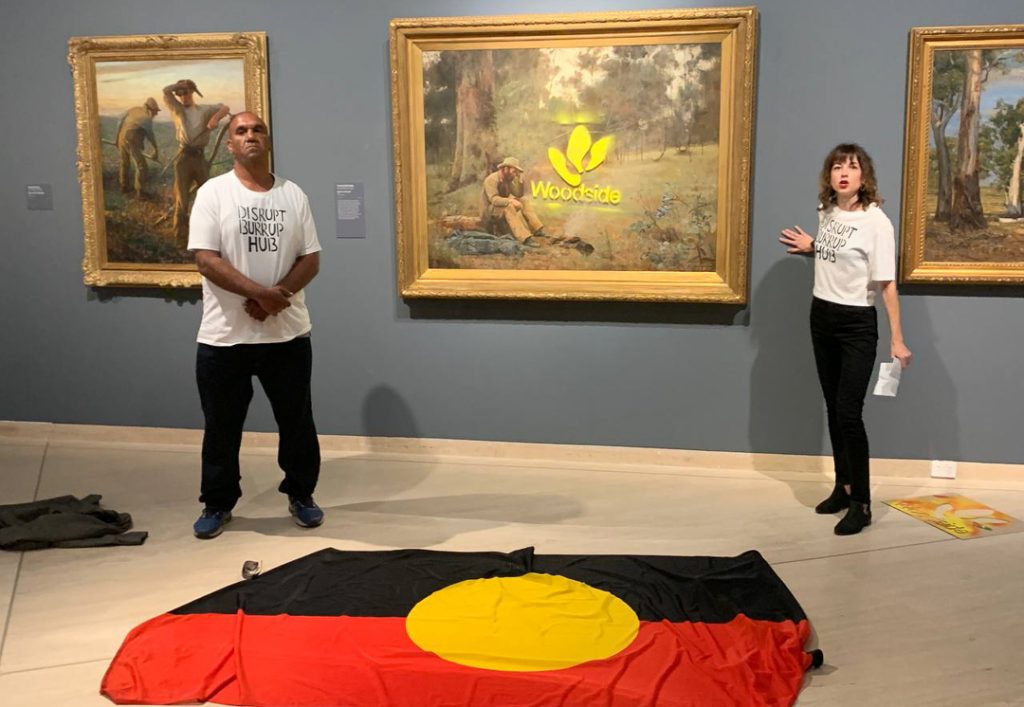
- Public exhibitions: Art shows addressing social issues—from climate change to immigration—serve not only as a platform for expression but also as a space for dialogue and education, challenging viewers to confront uncomfortable truths.
Through these varied forms of expression, art continues to play a vital role in articulating ideas and inspiring action in the pursuit of justice. As we delve deeper into the nuances of artistic protest, we uncover how creativity remains an essential aspect of societal transformation. Exploring further, we will examine the intersection of cultural heritage and modern art techniques, revealing how traditions influence contemporary activism.
Art as a Catalyst for Change
Art possesses an unparalleled ability to convey messages that transcend verbal communication. Throughout history, artists have used their creativity to challenge societal norms, raise awareness about injustices, and mobilize communities towards action. The power of art as a tool for protest lies in its capacity to evoke emotions and provoke thought. Whether through vivid street murals, poignant music, or powerful performances, the expressive nature of art allows individuals to connect with ideas on a deeper level.Furthermore, collaborative art projects invite communities to engage actively in the dialogue surrounding pressing social issues. For instance, public art installations often create a shared space for discussion, breaking down barriers between diverse groups. This inclusivity can spark a movement that unites various voices in calling for change.Art also serves as a historical record, documenting struggles and triumphs through visual and auditory means. As we explore contemporary protests, everything from politically charged graffiti to viral protest songs becomes a significant part of cultural memory. These artistic expressions not only provide immediate commentary on current events but also establish a legacy for future generations, ensuring that the stories of resistance are not forgotten.Moreover, the digital age has transformed how art reaches audiences. Social media platforms function as modern galleries for activism, where art can quickly gain momentum, going viral and amplifying messages globally. The #BlackLivesMatter movement, for example, saw numerous artists contributing visual content that expressed solidarity and outrage, effectively amplifying the cries for justice across borders.In summary, art holds a critical role in protest movements, facilitating not only the expression of dissent but also fostering solidarity and social change. Its impact is both immediate and lasting, as it continues to inspire future generations to use creativity as a powerful weapon against inequality and oppression.
| Category | Benefits |
|---|---|
| Emotional Connection | Art creates a visceral response, making issues relatable and urgent. |
| Historical Documentation | Art records movements and moments, preserving culture and narratives for future reflection. |
DISCOVER MORE: Click here to boost your career
The Transformative Power of Collaborative Art
As movements grow and evolve, collaborative art practices have emerged as a compelling avenue for protest. By uniting artists and activists, these initiatives foster a sense of community while amplifying voices that might otherwise remain unheard. One prominent example of this is the Mylar Project, which consists of groups engaging with disenfranchised communities to create murals that reflect their experiences and struggles. This participatory art form not only revitalizes neglected urban spaces but also allows individuals to share their narratives through creative collaboration, instilling a deeper understanding of the issues at hand.
Community Murals as a Catalyst for Change
Community murals have the remarkable ability to transform public spaces into vibrant canvases of activism. Not only do they beautify the environment, but they also convey powerful messages regarding social justice. In cities like Los Angeles and Philadelphia, collaborative mural projects often serve as a platform for community dialogue on race, poverty, and urban development. For instance, the Wall of Respect in Chicago historically celebrated Black culture and the Civil Rights Movement, paving the way for similar initiatives across the nation. These visually striking murals invite viewers to engage with the past while critically reflecting on ongoing societal issues.
Artivism: Blending Art and Activism
The concept of artivism—a fusion of art and activism—has gained traction in contemporary protests, with artists increasingly incorporating social change into their work. Organizations like Auxillary Arts merge artistic practice with activism, creating installations that encourage community participation while addressing pressing issues such as climate change and affordable housing. Their installations often invite interaction, challenging viewers to not only observe but also to rethink their own roles within society, pressing them to take action.
The Legacy of Indigenous Art in Protest
Indigenous artists play a critical role in the conversation around art as a tool for protest, utilizing traditional forms and motifs to voice contemporary challenges. Movements like Idle No More have seen Indigenous artists create powerful imagery that asserts sovereignty and rights over land, resources, and culture. Through exhibitions and installations that combine traditional art forms with modern themes, Indigenous artists draw connections between historical injustices and present-day struggles, educating audiences and fostering cross-cultural solidarity.
The Role of Music in Artful Protest
Music, an inherently artistic medium, is another significant avenue for protest. From the anthems of the civil rights movement to modern-day songs championing feminism and racial equality, musical compositions can encapsulate the spirit of social movements. Artists like Rage Against the Machine and Nina Simone crafted lyrics that challenged the status quo, sparking conversations and inciting action. Concerts and music festivals often become grounds for protest, as artists use their platforms to advocate for change, raising both awareness and funds for various causes.
Art’s ability to convey complex emotions and narratives makes it an invaluable asset in the toolkit of protest. Through community engagement, collaborative efforts, and diverse artistic mediums, individuals are invited to interact with social issues on a profound level, fostering understanding and inspiring action in the journey towards justice and equality. As we continue to explore art’s dynamic role in movements for change, we unravel further layers of creativity that contribute significantly to societal progress.
DISCOVER MORE: Click here to dive deeper
Conclusion: The Enduring Impact of Art in Social Movements
As we reflect on the various forms of creative expression that have emerged as powerful tools for protest, it becomes clear that art serves not only as a medium for communication but also as a catalyst for change. From the vibrant murals that adorn our cityscapes to the stirring melodies of protest songs, the ability of art to encapsulate complex ideas and emotions plays a crucial role in movements advocating for social justice. In the United States, initiatives like the Mylar Project and community murals continue to empower marginalized voices, creating a visual dialogue that engages the public and galvanizes community action.
The concept of artivism has proven essential, blending creativity with activism to challenge societal norms and inspire audiences to rethink their responsibilities within their communities. Indigenous artists, with their unique narratives, further enrich this tapestry, bridging historical struggles with contemporary issues and fostering a deeper understanding of cultural heritage and rights. Additionally, music remains an irreplaceable force, resonating through generations and serving as both a celebration and a call to action.
Ultimately, the integration of art into protest movements illustrates a profound truth: creativity possesses an unparalleled capacity to connect individuals, ignite passion, and motivate collective action. As we continue to witness the unfolding of new movements and expressions, it is evident that art will remain an essential element in the fight for justice and equality, inviting us all to engage, reflect, and rise together. Embracing this ongoing dialogue will allow us to uncover the transformative potential that lies within art as a tool for protest.
Related posts:
The Art of Improvisation: How Spontaneous Creation Can Stimulate Creativity
Explore Art Innovatively Blend Traditional Digital Techniques
The Intersection of Art and Nature: How Outdoor Artistic Exploration Inspires Creativity
The Journey of Self-Discovery Through Art: Uncovering Creative Identity
The Influence of Abstract Art on Personal and Emotional Expression
The Influence of Music on Artistic Creation: Synchronizing Sounds and Colors

Linda Carter is a writer and creative hobbies expert specializing in crafting, DIY projects, and artistic exploration. With extensive experience helping individuals discover their creative potential and bring their ideas to life, Linda shares her knowledge on our platform. Her goal is to empower readers with practical tips, inspiring ideas, and step-by-step strategies for success in the world of creative hobbies.