Art as a Form of Narrative: Telling Stories Through Different Mediums
The Role of Art in Storytelling Across Cultures
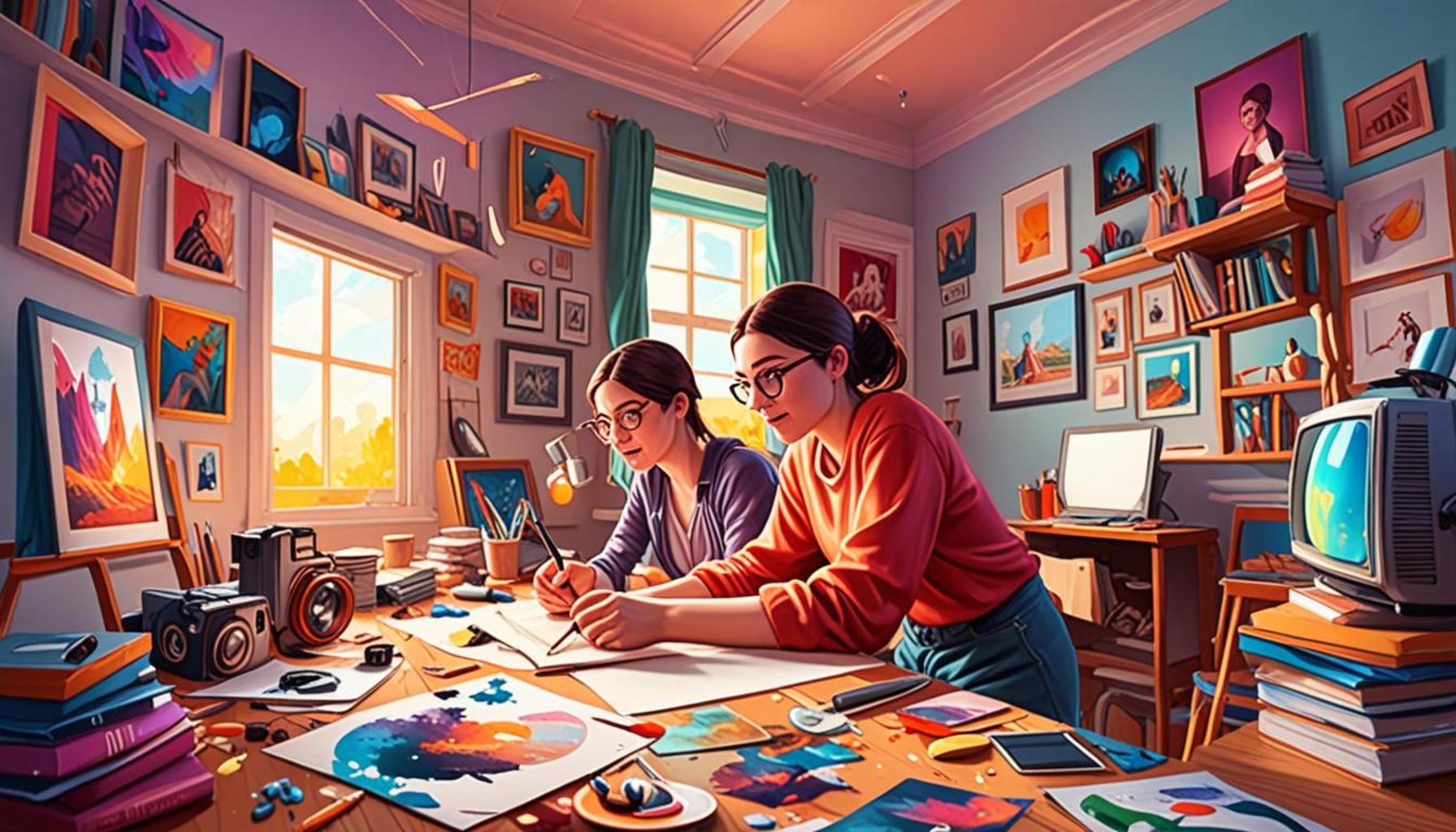
Art plays a vital role in human expression, serving as a bridge that transcends language, culture, and time. From prehistoric cave paintings to contemporary digital installations, artistic expressions have allowed individuals and communities to share deep, complex narratives that resonate on both personal and collective levels. This universal language of creativity enables us to communicate emotions and stories that might otherwise be difficult to convey.
The storytelling capabilities of various art forms are particularly compelling, each offering unique avenues for exploration and reflection. These mediums include:
- Visual Art: Paintings, sculptures, and installations serve as visual narratives, often capturing emotions and moments with striking detail. For instance, Vincent van Gogh’s “Starry Night” encapsulates feelings of wonder and turmoil through swirling skies and vibrant colors, inviting viewers to ponder the artist’s state of mind. Similarly, contemporary street artists like Shepard Fairey use urban environments to convey social and political messages, making art accessible and relevant to everyday life.
- Literature: The written word has the power to paint vivid worlds and craft intricate narratives. Authors like Toni Morrison and Mark Twain have explored the complexities of human experience and societal issues in their novels, inviting readers to step into the lives and struggles of their characters. Through prose and poetry, writers can evoke empathy, challenge preconceived notions, and inspire change.
- Film: With the ability to combine visuals, sound, and script, film transports audiences into alternate realities. Movies like “Moonlight,” which tells the coming-of-age story of a young Black man grappling with his identity, showcase the powerful narratives that can unfold on screen. Directors utilize cinematography and music to enhance the emotional weight of the story, connecting with viewers on a deeper level.
- Performance Art: This dynamic form often blurs the lines between the artist and the audience, engaging spectators in unique ways. Artists like Marina Abramović create immersive experiences that challenge perceptions and provoke thought, as seen in her landmark performance “The Artist is Present.” The live interactions demand active participation, allowing each encounter to generate new stories and interpretations.
As we investigate the intersection of art and storytelling, it becomes clear that creativity has the potential to inspire, influence, and mold societal perspectives. Each piece not only reflects the artist’s intent but also encourages the audience to engage in their own interpretations and emotional responses. This interaction between creator and observer often leads to cultural dialogues that have the power to shape movements and foster understanding.
In delving deeper into the fascinating world of art as a narrative form, we begin to appreciate how these diverse expressions continually challenge our perceptions and expand our understanding of the world around us. Each artwork serves not merely as a representation of reality, but as a conduit for deeper truths waiting to be discovered. Join us in exploring the compelling connections between art, narrative, and culture, and witness how these connections can illuminate the human experience in profound ways.
DIVE DEEPER: Click here to uncover more insights
Exploring Visual Art as a Storytelling Medium
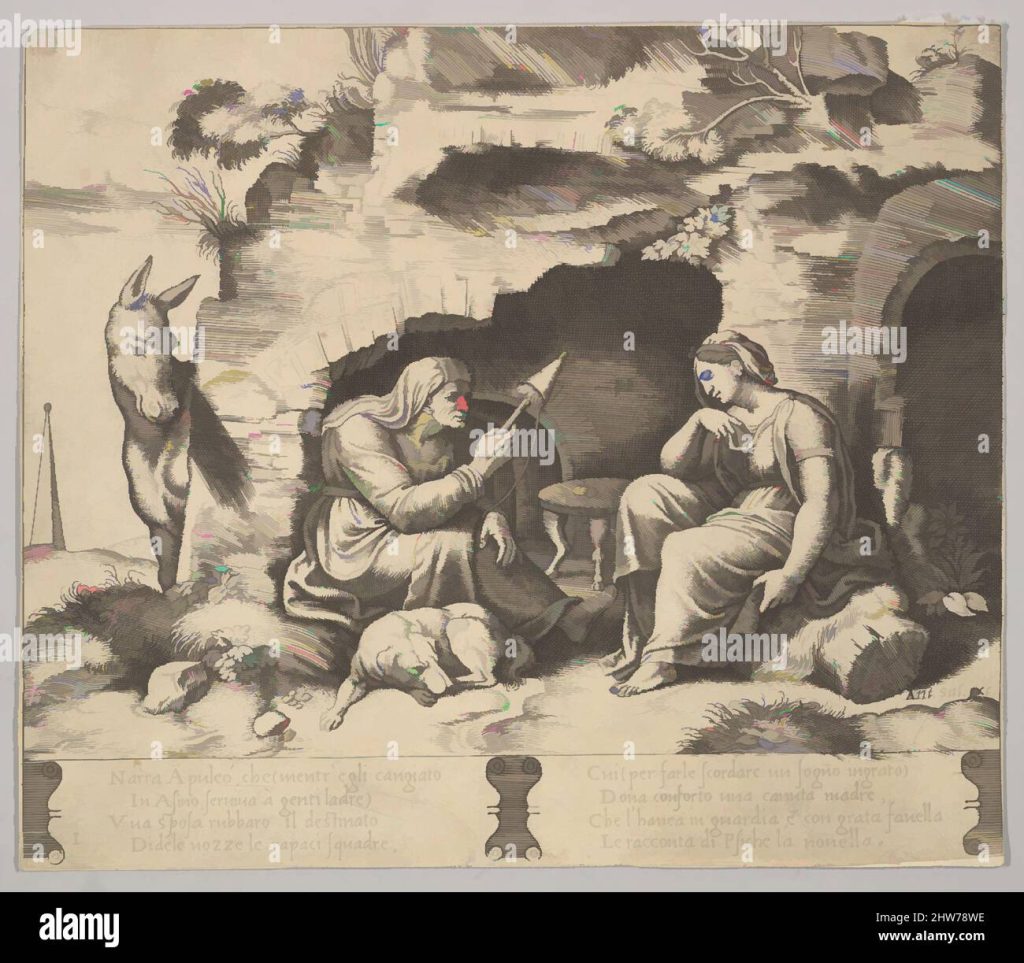
Visual art, encompassing mediums such as painting, sculpture, and mixed media, serves as a profound narrative tool that speaks in hues, shapes, and textures. This artistic form invites observers to interpret the intent behind each brushstroke or chisel mark, often leading to deep personal insights or broader societal reflections. For example, the Haymarket Affair, depicted in the works of artists like Roger Brown, showcases not only the historical context of labor movements in the United States but also ignites conversations about social justice and activism. These stories embedded within visual art are universal yet often resonate profoundly at the local level.
A significant aspect of visual art as a narrative medium is its ability to evoke emotions without words. The impressionistic techniques of artists like Claude Monet captivate viewers, drawing them into ephemeral moments that convey not just scenes but emotions tied to memories and experiences. In contrast, the sharp realism of Diego Rivera’s murals communicates stories of struggle and resilience, reflecting the rich tapestry of cultural history in places such as Detroit and San Francisco.
The Impact of Street Art on Urban Narratives
Street art has emerged as a dynamic form of visual storytelling that thrives in urban environments. It addresses contemporary issues and reflects the pulse of the city’s inhabitants. Artists like Banksy utilize public spaces to make bold statements on politics, consumerism, and societal norms. Works like “Girl With a Balloon” not only provoke thought but also invite onlookers to engage with the underlying messages about hope and vulnerability within their communities. The accessibility of street art ensures a diverse range of audiences can experience these narratives firsthand, making the medium a powerful tool for social commentary.
Combining Traditional and Digital Art Forms
As technology continues to evolve, artists increasingly blend traditional forms with digital mediums to tell stories in innovative ways. For instance, digital paintings and animated shorts captivate audiences while presenting complex narratives that may have been difficult to convey through traditional methods alone. Augmented reality (AR) installations, such as those offered by groups like TeamLab, allow viewers to interact with art pieces, adding an experiential layer to story discernment. This fusion of old and new not only broadens the narrative landscape but also serves as a reminder of art’s adaptability across generations.
Through the lens of visual art, we see how narratives of the past and present intertwine, offering viewers not just a glimpse into the artists’ minds but also a reflection of their own experiences. As distinct pieces resonate with individual narratives, an overarching dialogue emerges, showcasing the potential of visual art to not only reflect cultural heritage but also to reshape future narratives. In this manner, the exploration of visual art as a powerful narrative medium reveals the complexities of the human condition, making it an essential component of the art as a form of narrative discourse.
| Narrative Medium | Key Characteristics |
|---|---|
| Visual Arts | Visual arts such as painting and sculpture can communicate complex emotions and concepts through imagery, effectively offering profound stories without words. |
| Performative Arts | The performative arts like theater and dance convey narratives through body language and movement, captivating audiences and invoking empathy. |
| Literature | Literature uses structured narratives and character development to explore themes and provoke thought, offering a window into different cultures and perspectives. |
| Digital Media | Digital storytelling through animations, video games, or social media links interactive engagements, allowing audiences to participate in the narrative experience. |
Art as a Form of Narrative showcases the diversity of storytelling through various mediums. For instance, visual arts allow artists to encapsulate complex human emotions and societal themes in a single image, prompting viewers to engage imaginatively. The impact of performative arts, such as theater and dance, is equally significant; they create visceral experiences wherein physical expression transcends language, fostering a sense of community and shared emotion.In essence, each medium presents unique advantages, enhancing how audiences interpret narratives. Literature continues to thrive as a cornerstone of narrative, showcasing the breadth of human experience through character-driven plots and relatable conflicts. Furthermore, the rise of digital media has revolutionized storytelling by integrating interactive elements that invite audiences to actively participate, thus raising the stakes of engagement perhaps never seen before.By exploring these varied forms of narrative, readers are drawn into a rich landscape of human experience and creativity, inviting deeper exploration and understanding. The power of art as a narrative device lies in its ability to connect individuals across time and space through shared stories. Through engaging with these artistic forms, one can uncover layers of meaning that inspire and provoke thought, ultimately enriching our understanding of the world around us.
DIVE DEEPER: Click here to unlock the secrets of continuous learning
The Role of Literature in Artistic Storytelling
Literature, encompassing poetry, novels, and short stories, has long been recognized as a primary medium for narrative expression. Through the written word, authors masterfully craft intricate plots and character arcs that not only entertain but also offer profound insights into the human experience. Take, for instance, the impactful works of American writer Toni Morrison, whose novels like *Beloved* delve into the complexities of identity, memory, and the lingering effects of slavery. Through rich language and vivid imagery, Morrison creates a tapestry of stories that speak to individual anguish and collective history.
Moreover, poetry provides a unique avenue for storytelling, where every word carries weight and emotion. Poets such as Langston Hughes harness their craft to articulate the struggles and triumphs of the African American experience, transforming personal narratives into universal themes of resilience and aspiration. Hughes’ iconic poem “The Negro Speaks of Rivers” not only tells a story of heritage and journey but also invokes a deep connection to cultural roots that resonate with readers from various backgrounds.
Performance Art: The Story Unfolds In Real Time
Performance art represents a compelling intersection of visual art and narrative, where artists use their bodies as the medium to convey stories live. This art form has gained traction in recent years, providing immersive experiences that challenge the conventional boundaries of storytelling. Artists like Marina Abramović push the limits of endurance and vulnerability, inviting audiences to witness the narrative unfold in real time. In her piece “The Artist is Present,” Abramović creates an intimate dialogue between the performer and the audience, allowing for individual interpretation of personal stories within the broader narrative of human connection.
Performance art also serves as a platform for social commentary, addressing pressing issues such as race, gender, and identity. For instance, the work of Keith Haring, often interwoven with political activism, employs vibrant imagery and movement to confront topics such as HIV/AIDS awareness and LGBTQ+ rights. Haring’s art asserts that performance is not merely an act of relaying a story, but a collective experience that resonates deeply with societal themes, encouraging dialogue and reflection among viewers.
Film and Media: A Visual Feast of Storytelling
In the realm of narrative, few mediums are as influential as film and media. The convergence of visual aesthetics, sound, and storytelling in film creates a uniquely immersive experience that captivates audiences. Directors like Spike Lee weave poignant narratives that explore race relations and social justice in films such as *Do the Right Thing*, challenging viewers to confront uncomfortable truths while engaging with complex characters and dialogues. This multifaceted approach allows stories to transcend traditional borders, reaching audiences on both emotional and intellectual levels.
Furthermore, the rise of streaming platforms has democratized access to diverse narratives, providing storytellers from underrepresented backgrounds the opportunity to share their experiences on global stages. Documentaries such as *13th*, directed by Ava DuVernay, employ a blend of interviews, archival footage, and analytical commentary to narrate the intersection of race and the criminal justice system, compelling viewers to reevaluate their understanding of systemic issues. This expanding medium invites viewers to not only absorb stories but also to participate in the ongoing conversation about cultural narratives and issues that shape our world.
DIVE DEEPER: Click here to unlock personal growth
Conclusion: The Power of Art as Storytelling
As we have explored, art serves as a powerful vehicle for storytelling, transcending the limitations of traditional narrative. From the poignant prose of literary giants like Toni Morrison and Langston Hughes to the immersive experiences offered by performance artists such as Marina Abramović, each medium of expression contributes uniquely to the tapestry of human experience. Whether through the visceral landscapes painted by directors like Spike Lee in film or the authentic representations of lived experiences found in documentaries like 13th, art compels us to confront, understand, and relate to the stories of others.
Additionally, the democratization of storytelling in the digital age allows diverse voices and perspectives to emerge, enriching the global narrative landscape. As we embrace these various forms—be it theatre, visual art, or literature—we gain insight not only into the artist’s vision but also into our collective realities. This bridges the gap between individual experiences and universal themes, fostering empathy and understanding among audiences.
Ultimately, art as a form of narrative is not merely about telling a story; it invites us to engage, reflect, and rethink our place in a complex world. By recognizing the myriad ways in which storytelling can unfold, we open ourselves to deeper conversations about culture, identity, and the shared human experience. The call to action is clear: explore these artistic narratives, delve into new perspectives, and contribute your own story to the ever-evolving canvas of art.
Related posts:
The Connection Between Art and Nature: Creative Outdoor Projects
Explore Art Innovatively Blend Traditional Digital Techniques
Exploring Cultural Art: How Traditions Influence Creativity
Art and Community: Collaborative Projects that Transform Public Spaces
The Journey of Self-Discovery Through Art: Uncovering Creative Identity
The Art of Improvisation: Techniques for Artistic Exploration to Unlock Creativity in Hobbies
Linda Carter is a writer and creative hobbies expert specializing in crafting, DIY projects, and artistic exploration. With extensive experience helping individuals discover their creative potential and bring their ideas to life, Linda shares her knowledge on our platform. Her goal is to empower readers with practical tips, inspiring ideas, and step-by-step strategies for success in the world of creative hobbies.