Art and Community: Collaborative Projects that Transform Public Spaces
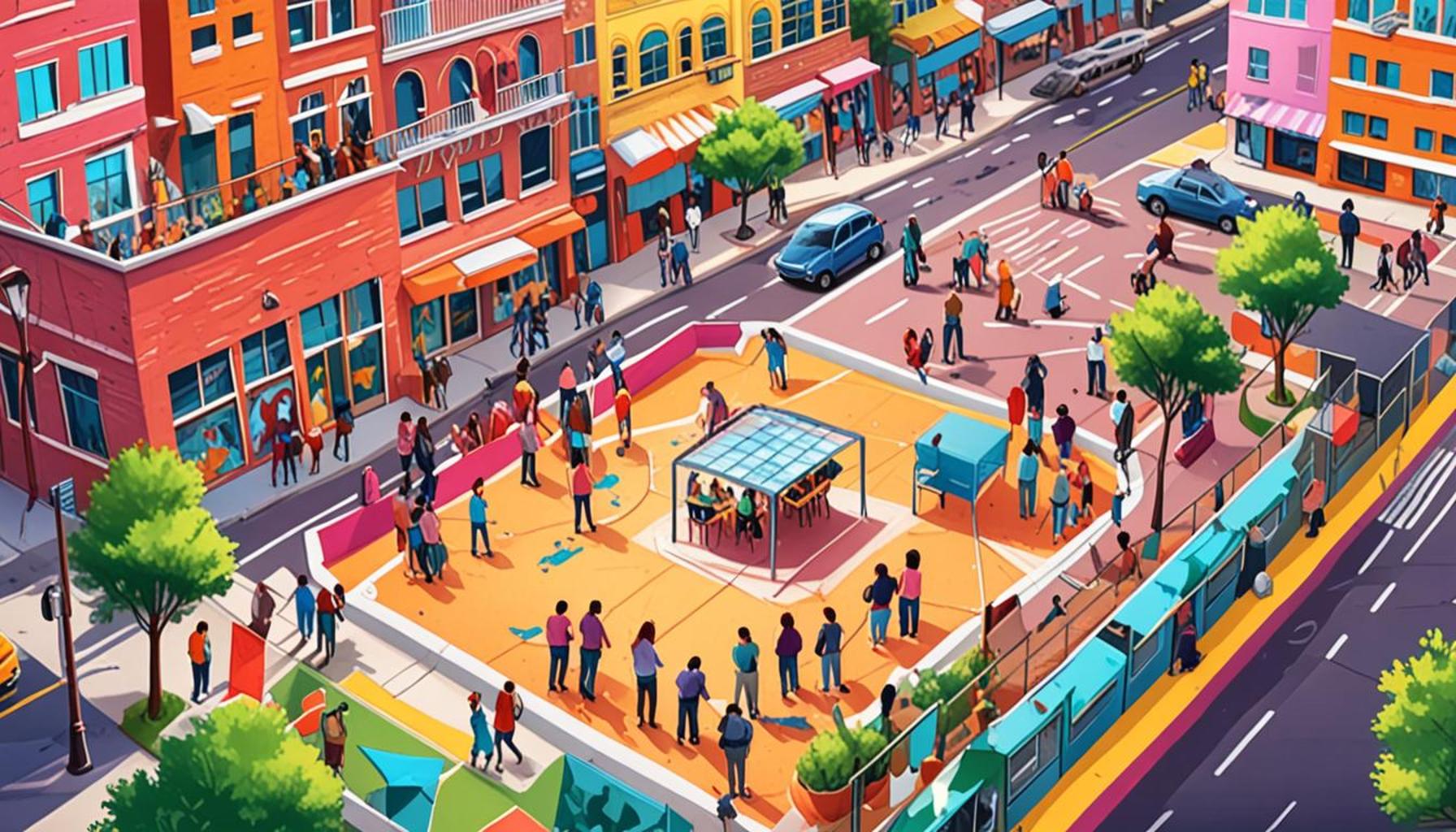
The Role of Art in Fostering Community Engagement
In urban landscapes across the United States, community-driven art initiatives are reshaping public spaces into vibrant, interactive hubs. These projects not only beautify neighborhoods but also foster connection and dialogue among residents. The infusion of creativity in everyday environments creates opportunities for collaboration and engagement.
Consider the following aspects of these transformative projects:
- Public Murals: Bold murals serve as focal points, sparking conversations and drawing in visitors. They often reflect the unique identity of the community, offering a visual representation of shared histories or values. For example, the Philadelphia Mural Arts Program has been instrumental in transforming dull walls into captivating canvases, promoting not just artistic expression but also community pride and tourism.
- Community Gardens: These green spaces cultivate not just plants but also relationships among diverse community members. By bringing residents together to nurture a shared space, community gardens offer a platform for learning and collaboration. In cities like Los Angeles, community gardens provide not only fresh produce but also educational workshops on sustainability and nutrition, enhancing communal bonds while addressing food insecurity.
- Performing Arts Events: Public performances turn streets into stages, inviting all to partake in the cultural experience. Events such as SummerStage in New York City showcase local talent while granting exposure to a variety of artistic expressions. These gatherings break down social barriers and encourage participatory experiences that engage audiences in meaningful ways.
Such collaborative projects often bring together artists, local governments, and community residents, creating a unique synergy that can lead to remarkable outcomes. For instance, initiatives like The Mural Project in Philadelphia and Sidewalk Cinema in San Francisco showcase how art can engage and empower neighborhoods. The latter transforms sidewalks into open-air cinemas, revitalizing underused urban spaces while providing a platform for independent filmmakers.
The impact of these artistic endeavors extends beyond aesthetics; they serve as catalysts for social change and economic development. By exploring various examples, we can uncover the transformative power of collaborative art projects and their ability to unify communities. For instance, studies have shown that areas with public art installations often experience an increase in foot traffic, thereby boosting local businesses and attracting new investments.
In summary, community-driven art initiatives not only enrich public spaces but also establish strong communal ties, enhance cultural offerings, and promote inclusive dialogue among residents. As cities continue to embrace the role of art in urban planning, the potential for communities to grow stronger and more vibrant is limited only by the imagination of their residents.
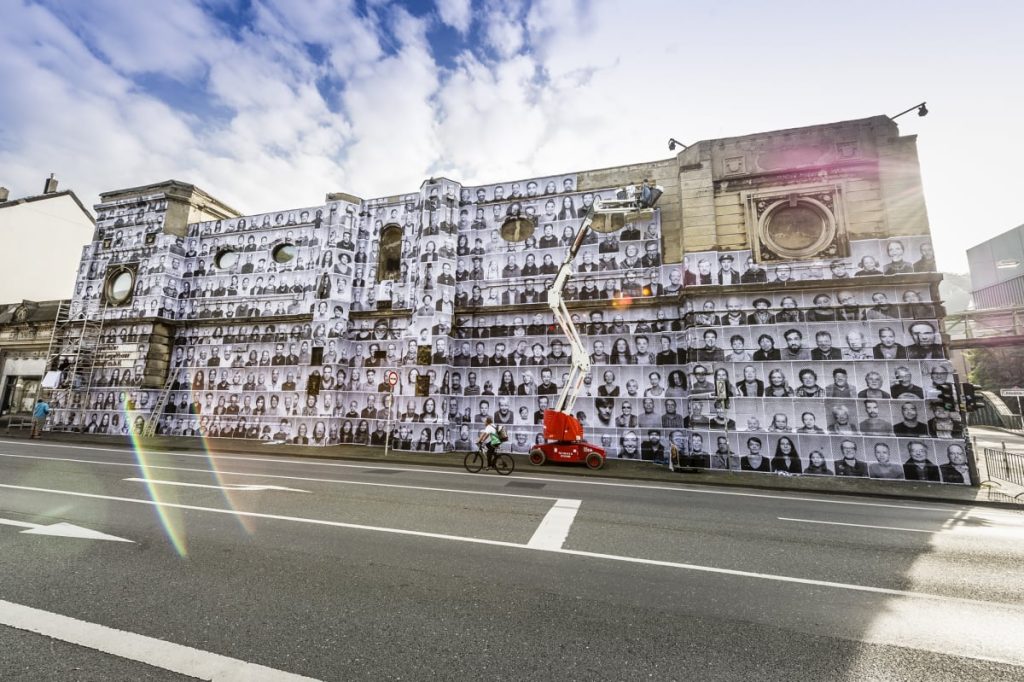
DIVE DEEPER: Click here to discover the magic of art in nature
Transformative Community Art Initiatives
Artistic collaboration can be a powerful tool in transforming bland or neglected public spaces into vibrant community hubs. The essence of these transformative projects lies in their ability to engage people from diverse backgrounds, creating meaningful experiences that bridge social gaps and encourage interaction. Here are some compelling types of collaborative projects that exemplify this transformation:
- Street Art Festivals: Annual festivals dedicated to street art bring together artists, collectors, and community members to celebrate creativity. Events such as the Pow Wow Hawaii encourage muralists from around the globe to paint large-scale works in public spaces, merging various artistic styles and cultures. Such festivals often inspire local artists and foster a sense of ownership and pride among residents while attracting tourists.
- Public Art Displays: Interactive art installations, ranging from sculptures to temporary installations, invite the community to engage in the artistic process. Projects like the Chicago Arts District feature installations that incorporate the voices and stories of local residents, allowing participants to become co-creators of their environment. These displays not only beautify spaces but also encourage dialogue around social and cultural themes.
- Art in Public Schools: Integrating art initiatives within schools can also enhance community engagement. Programs such as Venture Out bring professional artists into public schools, offering workshops where students collaborate on artworks that reflect their community’s identity. This cross-generational approach not only nurtures young talent but also instills a sense of pride and belonging among students and their families.
These types of initiatives underscore the belief that art can rebuild communities, revitalize neighborhoods, and invigorate local economies. For example, the Bridging the Gap project in Atlanta unites local artists and residents to transform vacant lots into art spaces, fostering collaboration amongst diverse groups while promoting economic development. By involving local businesses in the project, the initiative strengthens economic ties with the creative community.
Furthermore, studies consistently show that areas with significant public art presence see profound increases in community pride and cohesion. A report from the National Endowment for the Arts reveals that artistic engagement can also correlate with increased civic involvement and volunteerism. When individuals feel connected through shared artistic experiences, they are more likely to contribute actively to their communities.
As we delve into the myriad ways art can enhance communal environments, it becomes clear that the value of these collaborative projects extends far beyond visual appeal. They represent a testament to the communal spirit, demonstrating that creativity can indeed transform how we experience and interact with our surroundings. Artists and communities working hand-in-hand are not just painting; they are rewriting the narratives of their neighborhoods, forging connections, and uplifting voices that might otherwise go unheard.
| Advantages | Impact on Community |
|---|---|
| Enhanced Public Engagement | Art projects attract community involvement, inviting local residents to contribute their ideas and efforts. |
| Cultural Enrichment | Transformative art fosters a sense of place, reflecting the cultural identity and diversity of a community. |
The project “Art and Community: Collaborative Projects that Transform Public Spaces” focuses on the powerful relationship between art and the community, unveiling how initiatives can significantly shape urban environments. Enhanced public engagement is one major advantage of such projects. They often lead to vibrant discussions and allow residents to express their visions creatively. This approach not only beautifies the area but also fosters a collective sense of ownership.Furthermore, cultural enrichment through these artistic endeavors can redefine community landscapes. By incorporating elements that resonate with local history and traditions, projects can highlight a community’s unique identity. This transformation often leads to increased social interaction and cohesion among diverse groups, strengthening community bonds. As numerous studies indicate, when local art reflects community character, it encourages positive interactions, making public spaces not just locations but celebrated community hubs.
DIVE DEEPER: Click here to discover more about cultural diversity through dance
Community Art that Inspires Change
The intersection of art and community extends far beyond vibrant murals and sculptures; it encompasses projects that aim to bring about social change and promote inclusive dialogue. One noteworthy example is the Studio in a School initiative in New York City, which focuses on integrating arts education into public school curriculum. By bringing professional artists to work with students, this initiative not only nurtures artistic talent but also emphasizes the importance of self-expression and exploration of cultural identity. As students collaborate with artists, they are empowered to share their narratives, ultimately fostering community pride and engagement.
Moreover, community theater projects provide a unique platform for local residents to express their voices through performing arts. Initiatives like Theatre of the Oppressed encourage individuals to create and perform plays that address social issues affecting their neighborhoods. By transforming local parks, community centers, and even vacant lots into stages for these performances, these projects invite broader dialogue on topics such as inequality, representation, and social justice, enhancing communal bonds and prompting discussions that might otherwise remain unspoken.
Gardens and Green Spaces have also become vital canvases for artistic collaboration and community collaboration. The Huntington Gardens in San Marino, California, combines natural beauty with artistic expression, featuring installations that reflect the local environment and engage community members in gardening projects. This initiative connects individuals with nature while promoting sustainability and environmental stewardship—an essential aspect of modern community building. Similarly, the Los Angeles Community Garden Council organizes arts events within community gardens, where art and gardening converge, allowing residents to cultivate both plants and creativity simultaneously.
In addition, the trends of pop-up galleries and art walks have gained momentum across urban landscapes, serving as excellent examples of art’s ability to revitalize community spaces. Cities such as Portland, Oregon, regularly host art walks that transform streets into galleries, showcasing local artists and drawing attention to underappreciated neighborhoods. These events not only celebrate local talent but also invite entire communities to explore their cities from new perspectives, promoting pedestrian traffic and creating buzz around businesses in the area.
Research indicates that the benefits of such collaborative projects extend well beyond their immediate scope. A survey by the American Planning Association highlights that neighborhoods with active community-driven art initiatives experience lower crime rates and a more engaged citizenry. These findings suggest that when individuals feel a sense of belonging and connectivity through art, they are more likely to become stewards of their environment, championing initiatives that promote safety, access, and sustainability.
The power of collaborative art projects lies in their multi-dimensional impact. As communities come together to devise creative solutions to shared challenges, they build resilience and foster an environment that encourages dialogue and support. Whether aiming to solve socio-economic issues, address environmental concerns, or cultivate cultural heritage, these projects galvanize individuals to leverage art as a catalyst for transformation, ultimately redefining the essence of public spaces in meaningful and enduring ways.
DISCOVER MORE: Click here to unlock your potential
Envisioning the Future of Community Through Art
As we witness the profound impact of collaborative art projects on public spaces, it becomes clear that these initiatives are not merely decorative; they are essential to community identity and cohesion. By transforming neglected areas into vibrant cultural hubs, they encourage individuals to participate actively in shaping their environment. Projects such as community gardens, street murals, and local performances create a sense of ownership, turning ordinary spaces into extraordinary expressions of collective pride and cultural heritage.
The effectiveness of these endeavors goes beyond aesthetic improvements; it contributes to social change and promotes critical dialogue around pressing issues like inequality and sustainability. Research indicates that neighborhoods engaged in community art consistently report lower crime rates, increased civic participation, and a profound sense of belonging. These findings illustrate that when people unite through artistic endeavors, they do not only beautify their surroundings but also cultivate an enduring spirit of community.
Looking forward, it is vital for cities and local leaders to prioritize funding and support for such initiatives. By fostering collaborations between local artists, residents, and organizations, we can ignite the transformative power of art to tackle socio-economic disparities and encourage environmental stewardship. The path ahead is bright, as communities embrace art as an instrument not just for expression, but for lasting change. Engaging with these projects offers an invitation to everyone: to envision, to collaborate, and ultimately, to reshape the public spaces we inhabit.
Related posts:
The Art of Improvisation: How Spontaneous Creation Can Stimulate Creativity
The Role of Art in Therapy and Personal Well-Being
The Intersection of Technology and Art: New Frontiers in Artistic Creation
The Journey of Self-Discovery Through Art: Uncovering Creative Identity
The Influence of Life Experiences on Artistic Production: Personal Narratives and Creation
Art as a Form of Narrative: Telling Stories Through Different Mediums

Linda Carter is a writer and creative hobbies expert specializing in crafting, DIY projects, and artistic exploration. With extensive experience helping individuals discover their creative potential and bring their ideas to life, Linda shares her knowledge on our platform. Her goal is to empower readers with practical tips, inspiring ideas, and step-by-step strategies for success in the world of creative hobbies.