Letters to the Future: Writing Letters as a Form of Reflection and Creativity
Unlocking Reflections through the Art of Letter Writing
In a fast-paced world dominated by technology, the simple act of writing a letter can feel like a lost art. However, letters to the future serve as a powerful medium for reflection and creativity. They allow individuals to pause, reflect, and articulate thoughts that might otherwise remain unexpressed. In an age where communication often consists of brief texts and fleeting social media updates, the depth and intentionality of a letter can provide a refreshing contrast.
Letters can take many forms, each offering unique opportunities for self-discovery:
- Personal Letters: Addressed to oneself, these letters capture hopes, dreams, and life lessons. Imagine writing a letter to your future self and sealing it to be opened in five or ten years. This exercise not only encourages reflection on your current state but also inspires motivation to achieve your goals. By documenting your thoughts, you create a tangible reminder of your journey and the progress you aspire to make.
- Letters to Loved Ones: Sharing wisdom and experiences with future generations can be an enduring way to maintain a family legacy. Writing a heartfelt letter to a child, grandchild, or even a niece or nephew allows you to share life experiences, advice, and values that you want them to carry forward. These letters become cherished keepsakes that can guide them through life’s challenges.
- Creative Letters: Engaging in imaginative writing through letters to historical figures or fictional characters provides a unique outlet for creativity. For instance, penning a letter to your favorite author or even a prominent historical figure like Abraham Lincoln allows you to explore perspectives and ideas while weaving your narrative alongside theirs. This practice can stimulate thought and inspire new creative directions.
This nostalgic practice is not just a way to communicate; it transforms our understanding of life and creativity. By committing thoughts to paper, we engage in a dialogue that deepens our self-awareness and inspires future endeavors. Additionally, these letters can become treasured keepsakes, preserved for posterity, allowing future generations to glimpse the thoughts and feelings of those who came before them.
As we explore the impact of writing letters on personal growth and artistic expression, we invite readers to embrace this enriching practice. Discover how reaching out to the future can unlock hidden insights and spur unforeseen creativity. Perhaps you might start by setting aside time each week to write down your reflections or draft letters to those you wish to connect with. Ultimately, the art of letter writing not only hones your ability to communicate but also enriches your inner life, offering a profound space for both reflection and connection.
DISCOVER MORE: Click here to learn about the latest craft trends
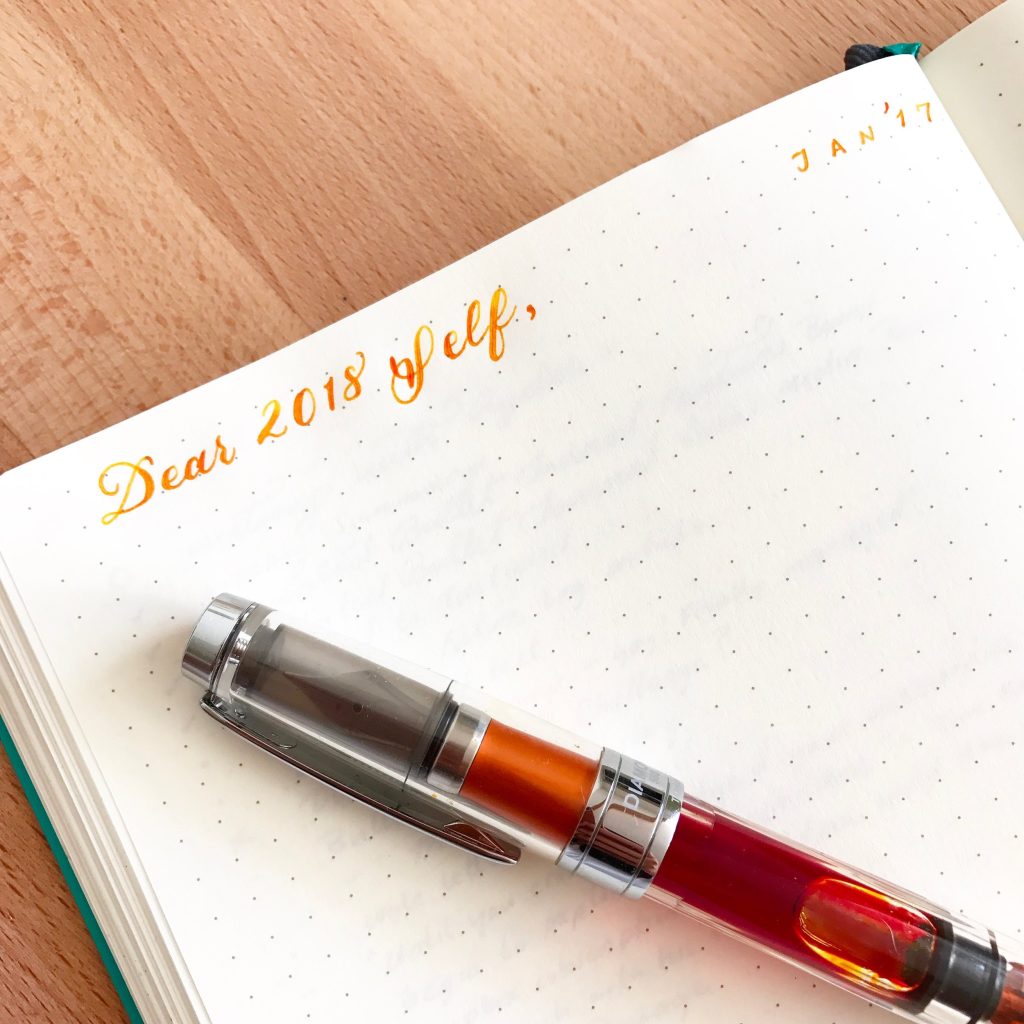
Rediscovering Connection and Introspection through Letters
As individuals navigate through the complexities of modern life, the vital process of self-reflection often takes a backseat. The seemingly trivial act of writing a letter can emerge as a crucial tool for both introspection and creativity. Through the deliberate choice of words and the physical act of penning them down, writers unlock minds that can wander into profundity and insight. Whether it’s a letter addressed to oneself or a message being conveyed to future generations, these written correspondences offer more than just a means of communication; they provide a space for profound reflection.
One potent method to engage with this treasure of thoughts is through drafting letters to the future. This unique practice encourages the writer to contemplate their aspirations, fears, and reflections within the context of time. Such letters can encapsulate emotions, dreams, and pivotal experiences that define a moment in life. Consider the act of writing a letter encapsulating your current fears and desires, and expressing hopes for future fulfillment. This written record becomes a time capsule, which you can revisit, allowing for an evaluation of how far you’ve come and what changes you want to embrace moving forward.
The process of writing letters fosters a sense of communication with oneself, encouraging clarity and insight. Here are a few compelling reasons why this practice holds significance:
- Enhancing Emotional Clarity: Writing serves as a therapeutic process, allowing individuals to unload their thoughts. As you articulate fears, dreams, and ponderings on paper, the act of writing lends clarity to your inner dialogue, often leading to self-discovery. This can reflect in personal growth and emotional wellness.
- Establishing Goals and Vision: Letters can also function as blueprints for aspirations. By clearly stating your goals, the act of writing them down transforms abstract ideas into tangible commitments. You instill a sense of accountability that motivates you to pursue these aspirations wholeheartedly.
- Building Connections Across Generations: When letters are crafted for future generations, they offer a glimpse into the thoughts and values of the past. Such correspondence bridges the generational gap, allowing wisdom to flow from one era to the next and creating a familial bond that transcends time.
Furthermore, this handwritten medium reflects authenticity that pervasive digital communication often lacks. A letter carries remnants of its author—the handwritten script, the choice of paper, even the distinct scent of ink—all of which contribute to the overall experience and enhance its emotional weight. In a world where instant messaging can sometimes feel superficial, letters resonate at a deeper level, creating lasting impressions that can be savored and cherished.
Embracing the practice of writing letters not only lends itself to personal growth but also fosters creativity. As individuals begin to explore this art, they cultivate a compelling habit that intertwines reflection and creativity, leading to enriched lives and meaningful connections.
| Advantages | Description |
|---|---|
| Promotes Self-Reflection | Writing letters to your future self encourages deep introspection and allows individuals to articulate their thoughts and emotions. |
| Fosters Creativity | This practice stimulates creativity, as individuals can experiment with different writing styles and formats, thus expanding their expressive capabilities. |
Exploring the idea of writing letters as a form of creativity, the process becomes more than just putting words on paper. It is an opportunity for writers to convey their aspirations, fears, and musings in a unique narrative style. Furthermore, engaging with one’s future self through letters builds an emotional bridge that can illuminate current mindsets and inspire new goals. This practice not only aids in emotional clarity but also crafts a tangible document of one’s journey over time.Additionally, the practice can unlock pathways to heralding personal growth, enabling an enhanced sense of identity. Individuals may discover new avenues for self-expression and creative exploration as they recount personal stories, pivotal life events, and lessons learned. Sharing these letters with others, or even posting them in community forums dedicated to creative writing, can foster collaborative motivation and lead to unexpected connections and insights. The world of letter writing, thus, becomes a fertile ground for nurturing creativity while enriching the personal narrative of the writer.
DISCOVER MORE: Click here to unlock your potential
The Therapeutic Benefits of Letter Writing
Beyond the surface appeal of a heartfelt message lies a wealth of therapeutic benefits that come from the practice of writing letters, particularly when aimed at the future. This process not only serves as a creative outlet but also provides a profound emotional release that can significantly enhance mental well-being. Psychologists have recognized the connections between expressive writing and therapeutic outcomes, illustrating the multifaceted advantages of engaging in this intimate form of communication.
Writing letters can act as a form of emotional regulation. When individuals confront challenging situations, articulating their thoughts and feelings on paper helps to crystallize complex emotions. This is especially true for letters to the future, as they grant permission to explore aspirations and insecurities without fear of judgment. Research has found that such expressive writing can reduce anxiety and depression levels by fostering a better understanding of one’s emotional landscape. By delving into thoughts and feelings, the writer emerges empowered with a sense of clarity and purpose, making the act of reflection all the more enriching.
Moreover, letters as a ritual can be an important addition to various life milestones. For instance, one might write a letter to their future self on a birthday, significant graduation, or during a transitional phase of life like retirement. These rituals add layers of meaning to the act of writing, evoking nostalgia and a sense of continuity. When revisited, these letters serve not only as reminders of past aspirations but as navigational tools for guidance during future challenges.
Cultivating Creativity through Written Word
Writing letters also acts as a gateway to enhancing creativity. The unscripted nature of personal letters allows for a free flow of ideas, unfettered by the constraints typical of other writing forms. This creative freedom can inspire innovative thinking and self-discovery as writers tap into their innermost thoughts without the pressure of an audience. The act of forming sentences, choosing the right words, and structuring the flow of the letter engages the mind in a uniquely creative exercise. For many, this spontaneous expression of creativity spills into other areas of life, fostering a more imaginative outlook.
Furthermore, in an era dominated by technology, the tactile experience of writing a letter by hand offers a distinct contrast to the digital landscape. The physical sensation of pen against paper can unlock deeper levels of creativity. Studies from various educational institutions indicate that handwriting stimulates the brain in ways that typing does not, promoting cognitive engagement and deeper thought processes. By immersing oneself in the act of letter writing, individuals rediscover a creative spark often buried beneath the surface of daily routines.
Letters as Instruments of Legacy
Writing letters to the future can also carry a significant legacy aspect. In a fast-paced world, the ability to leave behind a written record of personal experiences and values creates a valuable artifact for future generations. These letters can illuminate family history, impart wisdom, and document societal changes over time. For example, a grandparent who pens a letter addressing their life during the Civil Rights Movement can offer profound insights and contextual understanding to their grandchildren. Such letters not only serve as educational narratives but also reinforce familial bonds through shared history.
This legacy aspect is particularly pertinent in a country as diverse as the United States, where individual stories weave together the broader fabric of society. The act of writing letters helps to preserve unique narratives that might otherwise be lost, enriching the cultural tapestry of future generations and encapsulating the essence of shared human experience.
DISCOVER MORE: Click here to enhance your emotional well-being
Conclusion: The Enduring Power of Letters to the Future
In navigating the complexities of our lives, writing letters to the future stands out as a rich tapestry of reflection, creativity, and legacy. This practice encourages individuals to delve deep into their emotions, aspirations, and experiences, allowing for a unique process of self-discovery. By engaging in this heartfelt form of expression, one cultivates not only a greater understanding of their current state but also a vision for the future, adding invaluable clarity to their personal journey.
Moreover, the deeply therapeutic nature of letter writing serves as a powerful tool for emotional regulation and mental wellness. With every ink-stroke, writers can confront anxieties, reflect on milestones, and provide an account of their thoughts for future reference. This ability to articulate feelings on paper fosters a sense of empowerment that can be especially beneficial during transitional phases of life.
The act of writing letters also transcends the individual experience, acting as a means to communicate across generations. In a world marked by rapid change and fleeting connections, letters preserve invaluable narratives that can enlighten future generations, reinforcing the importance of shared history and cultural understanding.
As we move forward in the digital age, the art of handwritten letters remains a relevant and enriching practice. It invites us to pause, reflect, and connect—both with ourselves and with those who will follow in our footsteps. By embracing this timeless tradition, we forge a legacy that resonates not just as a personal narrative but as a vital part of the broader human experience.
Related posts:
Shadow Theater: The Silent Narrative and Emotional Expression Through Light and Shadow
The Art of Visual Storytelling: How to Tell Stories Through Drawing and Painting
The Role of the Garden as a Space for Creation: Cultivating Ideas and Emotions through Gardening
Photography as Visual Narrative: Capturing Moments and Emotions in Images
The Art of Origami as Creative Meditation: Folding Paper and Emotions into Shapes
The Intersection of Photography and Literature: Telling Stories Through Images and Words

Linda Carter is a writer and creative hobbies expert specializing in crafting, DIY projects, and artistic exploration. With extensive experience helping individuals discover their creative potential and bring their ideas to life, Linda shares her knowledge on our platform. Her goal is to empower readers with practical tips, inspiring ideas, and step-by-step strategies for success in the world of creative hobbies.