Shadow Theater: The Silent Narrative and Emotional Expression Through Light and Shadow
The Enchantment of Shadow Theater
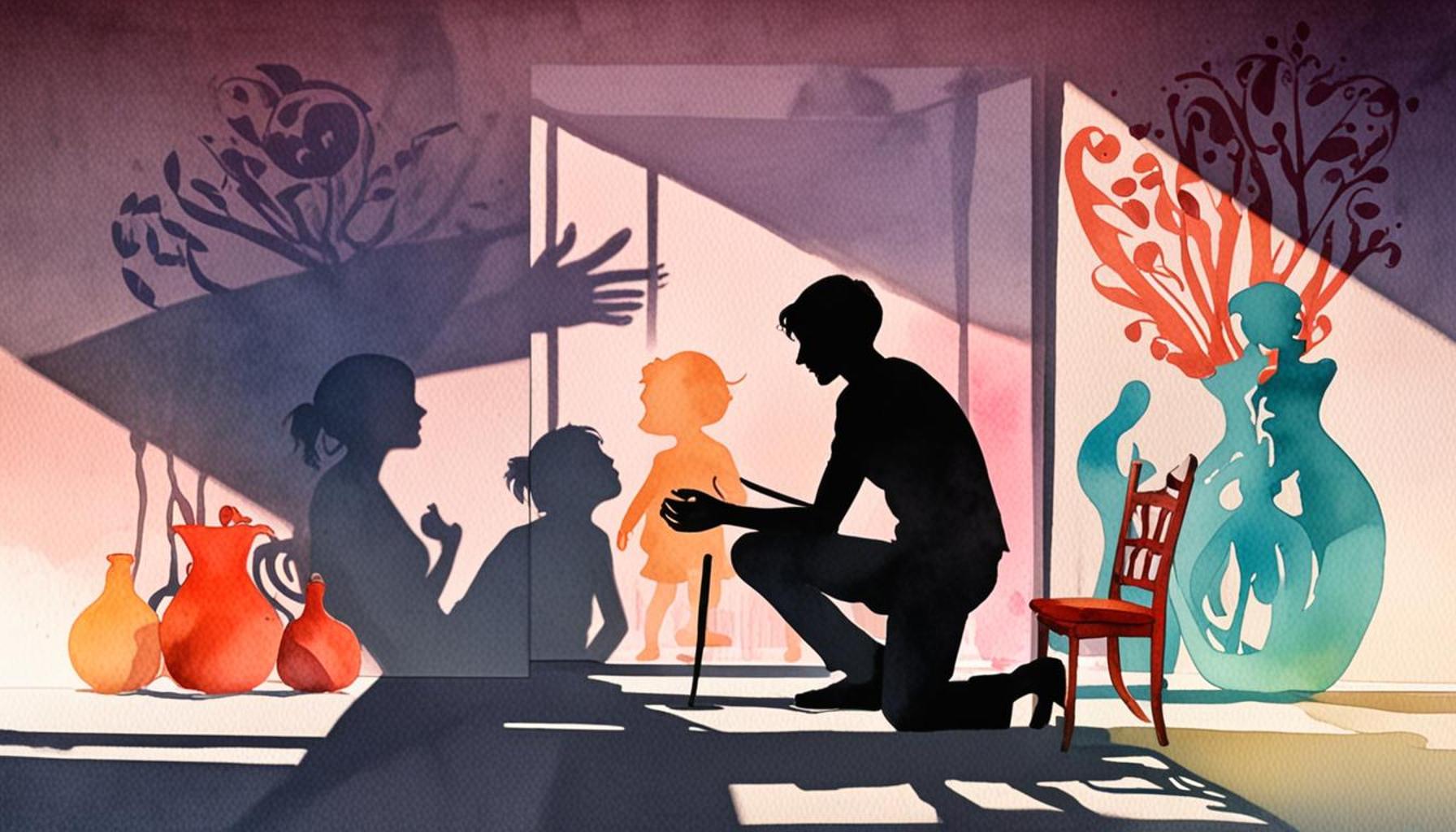
In an age overwhelmed by rapid-fire media and auditory distractions, the charm of shadow theater shines brightly. This ancient performance art, known for its compelling non-verbal storytelling, relies on the interplay of light and shadow to kindle emotions and convey complex narratives. What sets this form apart is its ability to create a mesmerizing experience using simple materials and techniques, resonating with the deep-seated human love for storytelling.
Key Components of Shadow Theater
At the heart of shadow theater lies a few essential elements that coalesce to form its unique magic:
- Silhouette Manipulation: Performers skillfully maneuver figures and objects to evoke movement and emotions. This manipulation transforms inanimate shapes into characters brimming with life, as audiences witness them dance, fight, or engage in dialogues, all through the artful bending of shadows on a screen.
- Lighting Techniques: The use of light is pivotal in shadow theater. By adjusting the intensity and angle of light sources, artists create varied moods and atmospheres, enhancing the emotional weight of the narrative. For instance, a soft glow might imbue a romantic scene with warmth, while harsh, flickering lights can evoke tension and fear.
- Symbolic Representations: The shadows cast in this medium often symbolize broader themes, allowing for profound personal interpretation. A mere outline can represent not just a character but also complex human emotions such as love, loss, or conflict, inviting viewers to engage their imagination and reflect on their experiences.
A Global Tapestry of Stories
Shadow theater is not confined to a single culture but is a rich global tapestry woven with diverse traditions. For example, Indonesian Wayang Kulit combines puppetry and storytelling to recount tales from ancient epics like the Ramayana, employing intricately crafted leather puppets that cast stunning shadows. Meanwhile, the Sombras performances in Mexico incorporate a blend of folklore and social commentary, using vibrant colors and music to accompany the shadow play, creating a multi-sensory experience.
The emotional journey offered by shadow theater is profound, inviting audiences to question and interpret the narratives presented. Whether the performance evokes joy through playful interactions or deep sorrow through poignant storytelling, it highlights the universality of human emotions and experiences.
Exploring shadow theater not only unveils a captivating form of artistic expression but also reveals the shared human experiences that bind various cultures together. The unspoken language of shadows encourages us to dig deeper, exploring the myriad stories and emotions that resonate within us all, provided we take the moment to engage with this timeless art form.
DISCOVER MORE: Click here to dive deeper
The Artistry Behind the Shadows
Delving into the world of shadow theater reveals not only a unique style of performance but also a profound emotional landscape shaped by light and shadow. Unlike traditional theater, shadow theater captivates audiences not through dialogue but through visual symbolism and movement. The seamless fusion of artistic techniques transforms mere outlines into vibrant expressions of the human experience, elevating this ancient art form into a compelling narrative medium.
The Physical Elements of Shadow Theater
Understanding the mechanics of shadow theater is crucial to appreciating its beauty and depth. The artistic components can be broken down into several key elements:
- Puppet Design: The creation of puppets is an integral component, where materials ranging from leather to paper are crafted into intricate figures. These puppets can be as simple as a flat silhouette or as elaborate as three-dimensional models, each designed to tell a story through their shape and movement.
- Screen and Background: The screen serves as the canvas upon which shadows dance. Typically made of translucent fabric, this surface is adept at filtering light, allowing the audience to witness the playful silhouettes. Additionally, the background plays a key role, often decorated with imagery that enhances the narrative or sets the stage for the impending drama.
- Soundscapes: While silence reigns in terms of spoken words, sound in shadow theater still plays a pivotal role. Ambient sounds or musical accompaniments enrich the performance, transforming visual storytelling into a multi-sensory experience. These auditory elements add layers of atmosphere, heightening the emotional impact of each scene.
Illumination of Emotion
The emotional appeal of shadow theater lies in its inherent ability to convey complex feelings using minimalistic resources. By playing with light—both its presence and absence—performers create a tapestry of emotions. The manipulation of shadows can elicit feelings ranging from elation to despair, effectively engaging audiences in a dialogue of feelings without uttering a word. For instance, the gradual dimming of light might signal the shift from happiness to sorrow, while sudden bursts of brightness can suggest moments of excitement or joy.
Audiences are invited to engage with these emotional currents in palpable ways, fostering a shared experience that transcends verbal language. The subtle nuances of shadow movements allow for individual interpretation, making each performance a personal journey that resonates on various emotional levels. The shadows thus shift from mere projections to powerful conduits of feelings—an exploration that evokes empathy and reflection.
As one embarks on the journey through shadow theater, it becomes evident that this enchanting art form stands as a testament to the human capacity for emotional expression and connection. It reminds us that sometimes the most profound stories are told without words, illuminating the shadows of our shared experiences and emotions.
| Advantages | Details |
|---|---|
| Emotional Depth | Shadow theater captures a profound emotional narrative through minimalistic expressions, evoking deep audience connections. |
| Cultural Resonance | This art form encapsulates traditional stories, promoting cultural heritage while engaging modern viewers in timeless tales. |
Shadow theater functions as a captivating medium where light and shadow intertwine to create an evocative storytelling experience. Each performance is a journey into the depths of human emotion, where sensitivity and subtlety express complex themes without uttering a single word. This makes it a unique blend of artistry that transcends linguistic barriers, encouraging audiences to delve into their feelings and personal interpretations.Additionally, shadow theater serves as a vital cultural tool, preserving narratives that have been passed down through generations. By embracing this art form, creators not only maintain their cultural identity but also bring traditional stories to a contemporary audience, ensuring their relevance and preserving their essence in a fast-evolving world. Therefore, it stands as a testament to the power of storytelling, invoking both nostalgia and innovation in equal measure. Through its rich visual language, shadow theater continues to inspire and challenge our perceptions of narrative and emotional expression.
DISCOVER MORE: Click here to delve into the benefits of creative writing
A Cultural Tapestry of Shadow Play
The practice of shadow theater is deeply rooted in various cultures across the globe, with each tradition contributing a unique narrative flair that enriches the art form as a whole. From the traditional Turkish Karagöz to the Indonesian Wayang Kulit, these performances reflect the cultural nuances and values of the societies that birthed them. By examining these varied traditions, one can appreciate how shadow play transcends mere entertainment to become a vital means of storytelling.
Global Perspectives on Shadow Theater
In Turkey, Karagöz shadow theater emphasizes witty dialogue and humorous improvisation, often depicting the conflict between the clever Karagöz and his foolish friend Hacivat. This dynamic not only entertains but also serves as a social commentary, allowing audiences to reflect on their own lives through exaggerated character flaws and comedic situations.
Meanwhile, in Indonesia, Wayang Kulit is renowned for its elaborate puppets made from buffalo hides, showcasing intricate detail and artistry. Performances often illustrate epic tales from the Mahabharata and Ramayana, combining spirituality with theater. The symbolism found within these stories speaks to deep cultural beliefs and moral teachings, transforming shadow play into a sacred ritual that preserves history while offering paradigms for contemporary audiences.
Modern Interpretations and Innovations
As shadow theater continues to evolve, contemporary artists are embracing technological innovations that further enhance its expressive capabilities. Modern practitioners experiment with digital projections, interactive multimedia, and even augmented reality to create immersive experiences that engage wider audiences. For instance, in cities across the United States, talented ensembles fuse traditional shadow puppetry with modern narratives, using projections that not only cast shadows, but also incorporate videos and illustrations—creating a symphony of light and shadow that captivates the senses.
Furthermore, artists like Manual Cinema in Chicago have pushed the boundaries of shadow theater by blending live performance with cinematic techniques. Their productions feature live musicians and voice actors who coordinate with puppeteers to craft seamless stories. The layering of techniques transforms shadow theater into a multifaceted art form that draws in diverse audiences, bridging generations through a collective appreciation of the arts.
Educational and Therapeutic Applications
The impact of shadow theater extends beyond entertainment and artistry; it serves as a powerful educational tool. Many educators utilize shadow play to teach fundamental lessons in storytelling, history, and culture, allowing students to grasp complex themes and ideas in a visually engaging manner. By crafting their own puppet shows, learners can explore creative expression while gaining confidence in public speaking and collaborative teamwork.
Additionally, the therapeutic potential of shadow theater is being recognized in mental health practices. Therapists are weaving shadow play into their sessions, enabling individuals to explore subconscious emotions and past experiences through the lens of narrative. Creating shadows can yield catharsis, helping participants bring to light concerns they may find challenging to articulate otherwise, thus employing art as a medium for healing.
As the art of shadow theater continues to resonate across demographics and locales, it stands as a potent reminder of the enduring human desire to tell stories that illuminate the depths of our emotions and shared experiences.
DIVE DEEPER: Click here to unlock your creative potential
Conclusion: The Timeless Allure of Shadow Theater
In summation, shadow theater serves as a profound conduit for storytelling, rich emotional expression, and cultural reflection. The art form’s ability to merge light and shadow creates a captivating visual narrative that resonates across ages and societies. Whether it is the comedic battles of Karagöz in Turkey, the epic tales performed through Wayang Kulit in Indonesia, or the innovative interpretations of modern artists in the United States, shadow theater encapsulates the essence of the human experience.
The evolution of this art form, propelled by technological advancements and creative experimentation, reaffirms its relevance in today’s fast-paced world. By innovating with interactive multimedia and redefining traditional methods, contemporary practitioners are not only preserving its cultural heritage but are also attracting new audiences eager to engage with this enchanting medium. Moreover, the educational and therapeutic applications of shadow theater emphasize its versatility, making it a powerful tool for learning and healing.
As we delve deeper into the world of shadow theater, we uncover its transformative potential that transcends the mere display of artistry. With a rich legacy underlying its existence, shadow theater invites us all to reflect on our emotions, share stories, and connect with one another through the universal language of light and shadow. Looking ahead, there is little doubt that this dynamic art form will continue to evolve, capturing the imaginations of future generations and bridging cultural divides with its timeless allure.
Related posts:
Letters to the Future: Writing Letters as a Form of Reflection and Creativity
Creative Cuisine: How the Kitchen Becomes a Space for Innovation and Self-Expression
Creative Writing as a Tool for Self-Exploration: Transforming Experiences into Narratives
Photography as Visual Narrative: Capturing Moments and Emotions in Images
The Art of Visual Storytelling: How to Tell Stories Through Drawing and Painting
The Art of Visual Storytelling How Illustration Boosts Creativity

Linda Carter is a writer and creative hobbies expert specializing in crafting, DIY projects, and artistic exploration. With extensive experience helping individuals discover their creative potential and bring their ideas to life, Linda shares her knowledge on our platform. Her goal is to empower readers with practical tips, inspiring ideas, and step-by-step strategies for success in the world of creative hobbies.