Creative Cuisine: How the Kitchen Becomes a Space for Innovation and Self-Expression
Transforming the Culinary Experience
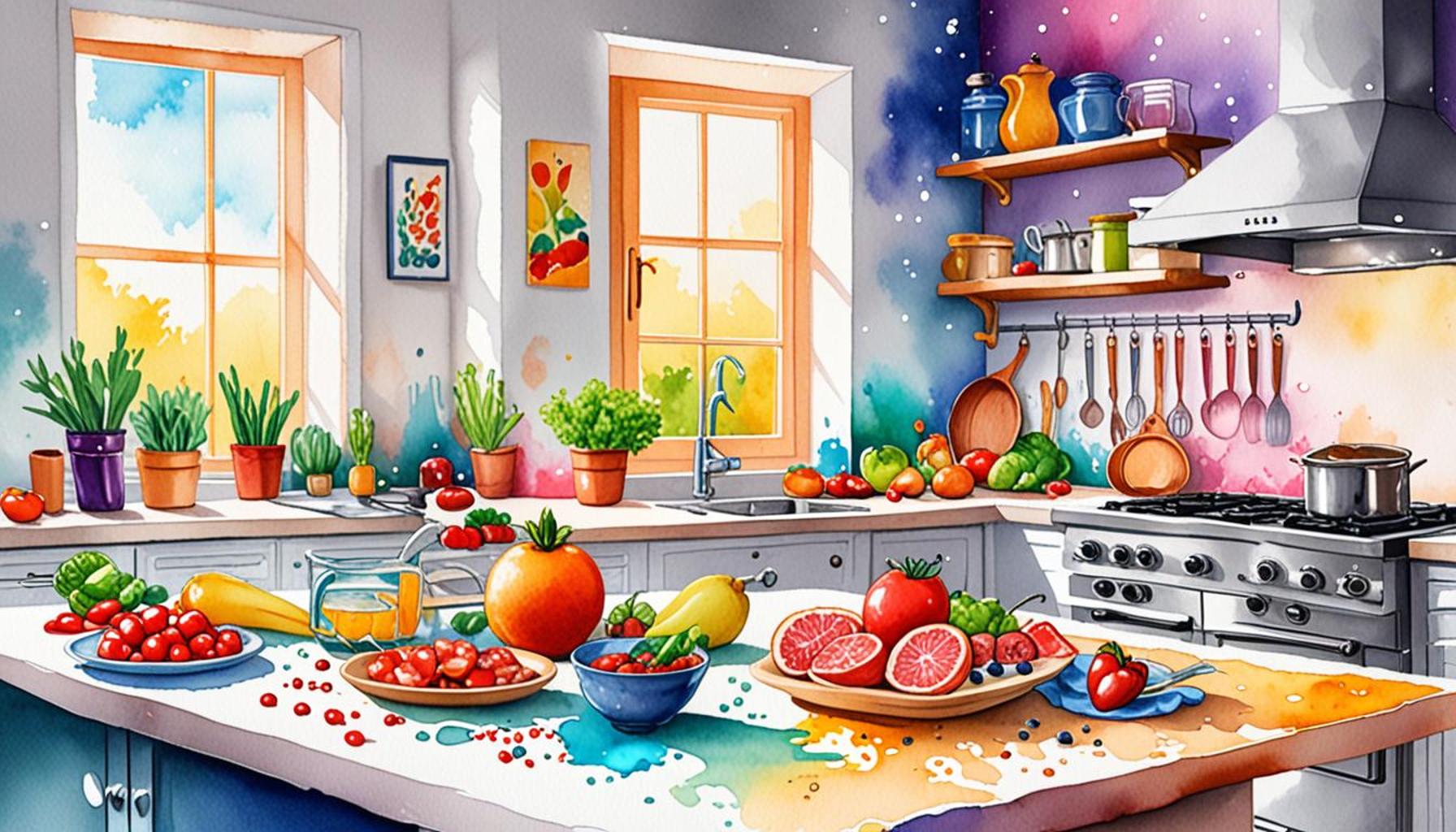
In today’s rapidly evolving culinary landscape, the kitchen has emerged as a dynamic space for innovation and self-expression. It’s not just a place for cooking; it’s a canvas where flavors, techniques, and personal stories blend seamlessly into unique creations. As chefs and home cooks alike embrace this opportunity for creativity, traditional culinary boundaries are being pushed further, resulting in a vibrant food culture that reflects individual identities and values.
Why Creative Cuisine Matters
Creative cuisine offers numerous benefits:
- Encourages experimentation: Chefs and home cooks alike can try new ingredients and techniques. For instance, the use of molecular gastronomy has gained traction in many kitchens, allowing cooks to play with texture and temperature, resulting in surprising sensory experiences that redefine the act of dining.
- Fosters cultural exchange: Dishes often reflect a fusion of global influences, bringing together diverse culinary traditions. A great example is the growing popularity of tacos filled with Korean bulgogi, showcasing a melding of Mexican and Korean cultures that speak to the multicultural fabric of American society.
- Promotes sustainable practices: Many innovative cooks are focusing on local and seasonal ingredients. Not only does this approach minimize the carbon footprint associated with transporting food, but it also supports local economies and encourages biodiversity. Restaurants, such as Blue Hill at Stone Barns in New York, emphasize a farm-to-table ethos, transforming how diners perceive the food they consume.
Inspiring Examples
Across the United States, chefs are redefining traditional recipes through creative reimaginings and bold flavor pairings:
- Farm-to-table dining experiences highlight local produce, allowing consumers to experience the full spectrum of flavors that seasonal, fresh ingredients can provide. Restaurants often change their menu regularly to reflect what is available from local farms, keeping the dining experience dynamic and exciting.
- Plant-based alternatives are gaining popularity, challenging old perceptions of dining. Innovations such as jackfruit pulled “pork” or cauliflower-based pizza crusts illustrate the creativity that can occur in the realm of meat substitutes, appealing to both vegetarians and omnivores seeking healthier lifestyles.
- Textural contrasts and vibrant presentations add visual appeal to meals. Dishes that incorporate crunchy, creamy, and savory elements create an exciting eating experience, which becomes not just a meal but also an art form. The visual aspect of culinary presentation captures attention and elevates the everyday dining experience to something extraordinary.
As we delve deeper into the world of creative cuisine, the kitchen will continue to serve as a space for both culinary experimentation and personal expression. The innovative trends currently reshaping how we think about food and cooking, from sustainability to cultural fusions, pave the way for a future where the culinary experience remains adventurous and inclusive. The evolution of food not only satiates our appetites but also delights the senses, prompting us to explore new flavors and techniques in our own kitchens.
DISCOVER MORE: Click here to delve into the value of ongoing skill development

The Allure of Creative Cuisine
The culinary landscape is evolved dramatically in recent years, encouraging both professional chefs and home cooks to embrace a new era of cooking. This transformation stems from a desire to move beyond conventional cooking practices, fostering a culture of experimentation and innovation that invites creativity in the kitchen. No longer just places to prepare meals, kitchens are being reimagined as laboratories for taste, where the exploration of flavors, textures, and techniques defines the cooking experience.
Central to this movement is the rise of unconventional cooking methods that change our perception of food altogether. A prime example is molecular gastronomy, where culinary artists blend their craft with scientific principles to create innovative dishes. Renowned chefs like Ferran Adrià have paved the way for this technique, leading to creations that surprise and delight diners with unexpected characteristics. For instance, a classic strawberry dessert might be redefined with a balsamic reduction foam, offering a bold twist on familiar flavors.
Equally significant to this culinary revolution is the personal touch that chefs and home cooks imbue in their meals. Creative cuisine is deeply rooted in individual stories and cultural heritages, reflecting the diverse backgrounds of those who prepare it. This trend extends beyond mere recipes, weaving narratives that foster connection and understanding among food lovers. Various avenues illustrate how personal stories manifest through culinary practices:
- Heritage recipes: Many chefs are revisiting time-honored family recipes, breathing new life into these beloved dishes by incorporating contemporary ingredients or techniques. For example, a chef in New Orleans might modernize a traditional gumbo by using local, sustainable seafood and farm-to-table vegetables, creating a dish that pays homage to the past while resonating with present-day values.
- Innovation through travel: Culinary adventures often inspire chefs to integrate global flavors and techniques into their cooking. After traveling to Thailand, a chef could infuse a classic American burger with sweet chili sauce and cilantro, transforming a staple into a fusion experience that reflects their global palate while introducing diners to new taste sensations.
- Celebration of community: Food possesses a unique ability to unite people, and many chefs harness this power through community-focused culinary events. By organizing pop-up dinners that feature locally sourced ingredients, chefs create dining experiences that celebrate regional flavors while building connections among appetites and communities.
This ongoing transformation in the culinary world invites individuals to redefine their relationships with food, expanding their understanding of what cooking can be. By merging culinary innovation with rich cultural narratives, cooks are not just preparing meals; they are crafting dishes steeped in personal and social significance. Food transcends mere sustenance to become a profound form of self-expression, prompting all of us to explore and celebrate the art of cooking in new, exhilarating ways.
Creative Cuisine brings a transformative approach to the culinary world, making the kitchen a sanctuary for innovation and self-expression. This movement advocates for personalized cooking experiences, where individuals can explore their creativity through food preparation. Whether trying out global cuisines, molecular gastronomy, or plant-based adventures, the kitchen has evolved into a canvas where culinary artists can showcase their unique flavors and techniques. As communities embrace this trend, we witness collaborative cooking environments sprouting up—cooking classes, pop-up restaurants, and food festivals that encourage participants to share their heritage and stories through their dishes. The rise of social media platforms also plays a critical role. Aspiring chefs are capturing their creative processes and dishes, inspiring others to experiment and fuse diverse culinary traditions in their own kitchens. In this vibrant ecosystem, the act of cooking becomes more than merely following a recipe; it is a celebration of personal identity, cultural heritage, and the joy of discovery. Whether through innovative plating techniques or the use of unconventional ingredients, Creative Cuisine champions the idea that every home chef can contribute to the rich tapestry of food culture.To delve deeper into the facets of this culinary resurgence, consider how the emotional connection between food and memory significantly enhances the dining experience. Home cooks are not just preparing meals but are also sharing stories, bridging generational gaps, and fostering connections. As this trend continues to flourish, the kitchen remains the nucleus of home life—a place where culinary creativity and personal expression grow side by side.
DISCOVER MORE: Click here to learn about the healing power of creative writing
Reimagining Tradition: The Intersection of Culinary Art and Technology
As kitchens around the country continue to evolve into canvases for culinary artistry, technology plays a pivotal role in redefining the boundaries of what can be accomplished. From apps that revolutionize meal planning to innovative kitchen gadgets, technology is empowering home cooks and chefs alike to experiment freely and push creative limits. This digital movement ensures that creative cuisine embraces both modern methods and timeless traditions, creating a delicious synthesis of past and future.
Among the most impactful advancements is the growing popularity of smart kitchen appliances. Devices equipped with artificial intelligence are transforming the cooking experience. For instance, sous vide machines allow cooks to prepare proteins to the perfect temperature through precise temperature control, enhancing the final product’s flavor and texture. Chefs can experiment with various cooking times and temperatures, yielding results that reflect their culinary preferences while showcasing their innovative spirit. These appliances take away the guesswork, enabling home cooks to replicate complex techniques often reserved for professional kitchens.
Moreover, mobile applications have democratized cooking by offering a treasure trove of recipes, techniques, and video tutorials to users. Platforms like Pinterest and Instagram fuel the creative cuisine movement, allowing users to discover, share, and adapt culinary creations that ignite their passion for cooking. Hashtags such as #foodart and #chefsofinstagram spotlight innovative dishes, creating a sense of camaraderie among food enthusiasts. This social dimension reveals that creativity in the kitchen transcends geographical barriers and fosters an ever-growing community of aspiring chefs.
Emerging trends within the realm of conceptual cuisine exemplify this digital phenomenon. For instance, the rise of plant-based culinary artistry has captured the imagination of many. Inspired by environmental consciousness and sustainable living, visionary chefs are crafting ingenious dishes based entirely on plants. The artistry observed in these creations is not only a response to dietary preferences but also an innovative approach to redefine familiar flavors. Imagine a gourmet burger crafted using a blend of black beans, quinoa, and beets, designed to mimic the texture and flavor of traditional meat, all while packing a nutritional punch.
Furthermore, the concept of fusion cuisine continues to flourish as chefs incorporate flavors from multiple cultures. The blending of cuisines is both an homage to global culinary traditions and a testament to personal creativity. A prime example is the taco-burrito hybrid known as the “taco burrito,” where a burrito is wrapped in a taco shell, bridging Mexican and Tex-Mex culinary influences to produce an entirely new dish. Such ground-breaking combinations challenge our expectations of flavors, encouraging chefs to break down cultural barriers and embrace the idea that kitchens are, in fact, innovation hubs.
This inventive spirit extends to culinary competitions as well, where chefs are pushed to showcase their unique perspectives. Events such as “Top Chef” and “Chopped” demand not only culinary skill but also ingenuity, forcing contestants to think outside the box when creating dishes under pressure. Viewers witness a mix of experimentation and self-expression as diverse culinary judges critique not only the flavors but the creativity behind each dish. This emphasis on innovation promotes a collective understanding that culinary success relies on the courage to be inventive and daring in one’s cooking approaches.
As everything from heritage recipes to emerging technologies shapes the culinary arena, the kitchen remains a vibrant space of exploration. Cooking is not merely about the meal; it is an expression of identity and artistry that continues to flourish amid the dynamics of a rapidly changing world.
DIVE DEEPER: Click here to discover the fusion of art and nature
Conclusion: The Future of Culinary Creativity
The evolution of the kitchen into a hub of innovation and self-expression reflects a broader cultural shift toward creative cuisine that transcends traditional boundaries. As culinary enthusiasts leverage modern technology, from smart appliances to mobile apps, they are empowered to explore new horizons in cooking. This blend of technology and artistry not only enriches flavor profiles but also redefines the very nature of how we engage with food.
Moreover, the advent of plant-based dishes and fusion cuisine demonstrates the potential for chefs to craft identities through their culinary creations. Each dish tells a story, bridging cultures and reflecting personal values, whether those involve sustainability or the celebration of diverse culinary traditions. The creativity cultivated in kitchens fosters a vibrant community where home cooks and professional chefs alike can share their journeys, inspiring one another and fueling a collective passion for gastronomy.
In a world that increasingly appreciates the fusion of culinary art and technology, it is important to recognize that the kitchen is not just a place for meal preparation; it is a sanctuary of creativity. As we move forward, continued exploration in the realm of creative cuisine holds the promise of new discoveries. Food can serve as a canvas for self-expression, inviting us all to contribute our unique flavors and narratives. Ultimately, embracing this innovative spirit leads to a richer, more inclusive culinary landscape that celebrates the art of cooking in all its diverse forms.
Related posts:
Letters to the Future: Writing Letters as a Form of Reflection and Creativity
The Influence of Abstract Art on Personal Expression: Exploring Emotions Through Painting
Photography as Visual Narrative: Capturing Moments and Emotions in Images
Exploring the Art of Visual Storytelling: How Illustration Can Transform Stories into Imaginative Ex...
Imaginative Expressions: The Impact of Creative Writing on Mental Health and Well-Being
The Art of Visual Storytelling: How to Tell Stories Through Drawing and Painting

Linda Carter is a writer and creative hobbies expert specializing in crafting, DIY projects, and artistic exploration. With extensive experience helping individuals discover their creative potential and bring their ideas to life, Linda shares her knowledge on our platform. Her goal is to empower readers with practical tips, inspiring ideas, and step-by-step strategies for success in the world of creative hobbies.