The Art of Origami as Creative Meditation: Folding Paper and Emotions into Shapes
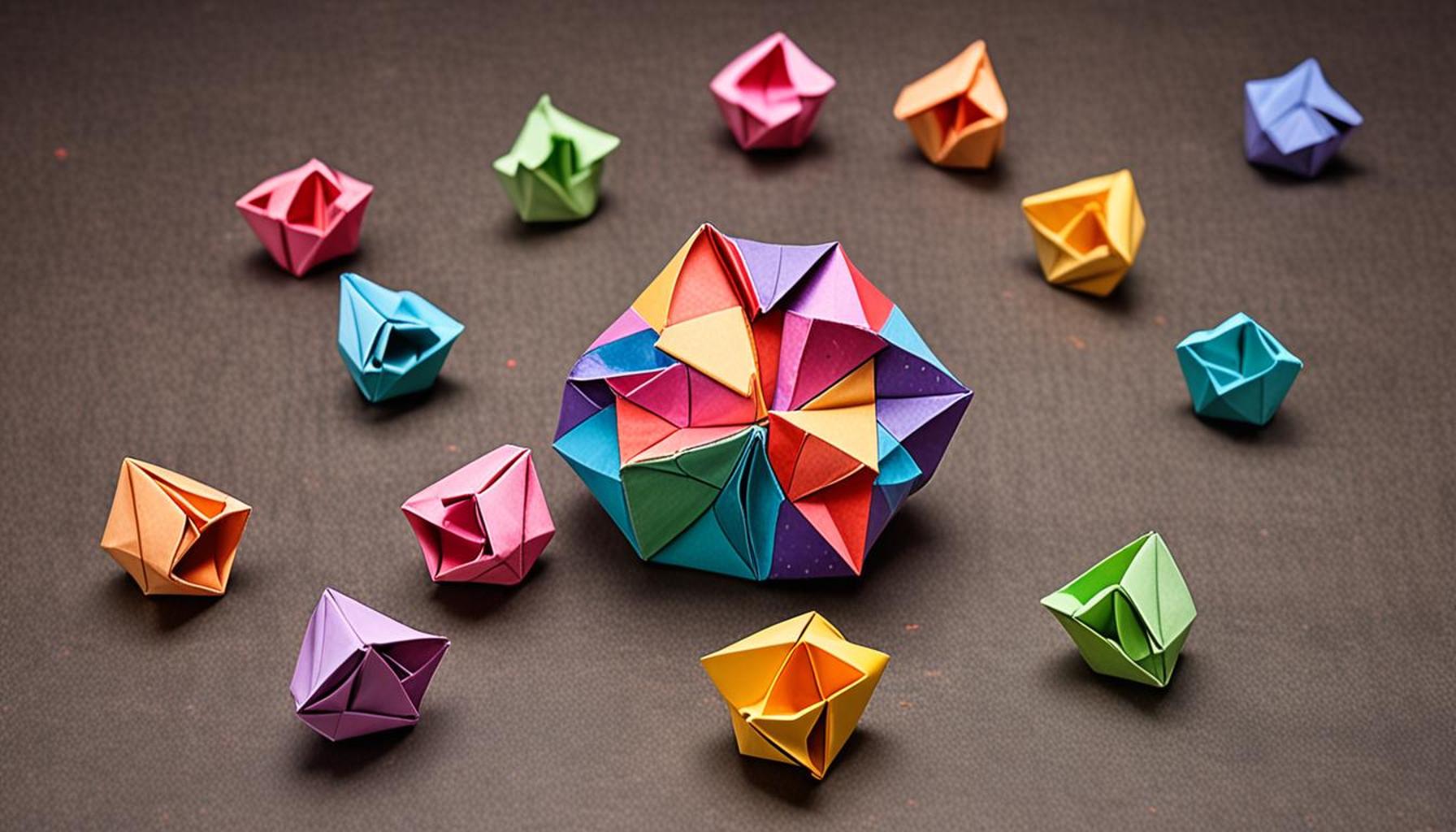
The Art of Folding: A Pathway to Inner Calm
In our fast-paced society, with incessant notifications and ever-growing to-do lists, the allure of simple yet meaningful activities can often be overlooked. One of these activities is origami—which, at its core, is a meditative practice that involves folding paper into intricate and meaningful designs. This ancient Japanese art is not merely about crafting an end product; it offers a profound journey inward. Through origami, individuals can carve out moments of silence, clarity, and inner peace.
When we engage in origami, it fosters a sense of mindfulness. Each fold demands attention and precision, cutting through distractions and embedding practitioners in the present moment. Imagine carefully creasing a piece of paper, feeling its texture between your fingers, and concentrating on the process. This deep focus is akin to meditation, where the act of folding allows practitioners to experience a tranquil state of flow, enabling stress to melt away.
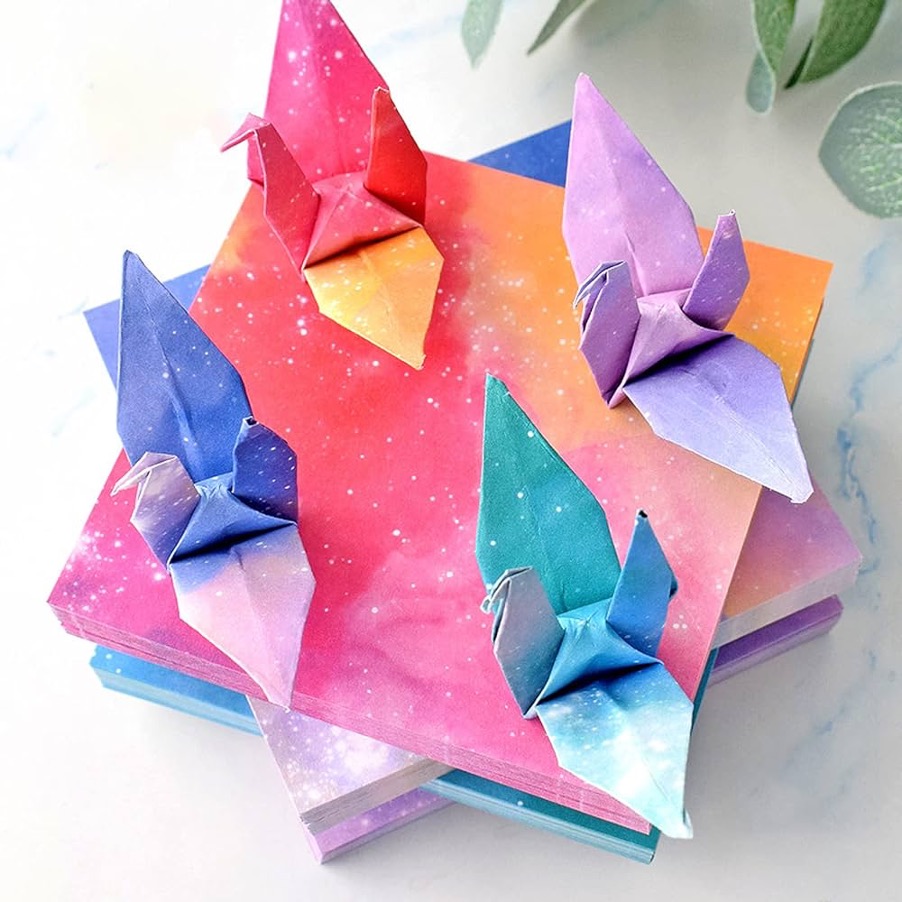
Moreover, origami serves as a powerful medium for emotional expression. Individuals can choose shapes that resonate with their feelings, effectively transforming their emotions into tangible forms. For example, folding a paper crane may symbolize hope and healing for someone undergoing a challenging time, while a paper flower could signify love or appreciation. Each creation can represent a unique emotional narrative, further enhancing the therapeutic aspects of the art.
- Cognitive Benefits: In addition to mindfulness and emotional expression, the practice of origami has been shown to enhance problem-solving skills and boost spatial reasoning abilities. Research indicates that engaging in activities that require spatial orientation, such as origami, can improve cognitive flexibility—a valuable skill in both personal and professional realms.
As more individuals across the United States seek creative outlets to maintain balance and find calm, incorporating origami into daily routines provides a refreshing perspective. Not only does it encourage relaxation, but it also captivates the imagination. Local workshops and online tutorials have sprouted, offering people a chance to learn from one another, thereby building a community centered around creativity and mindfulness.
Whether you’re a seasoned artist or a complete beginner looking to explore this art form, the journey into origami can be transformative. With each fold, you can consciously shift your mood and intentions, creating a unique relationship with the paper and yourself. The transformative power of origami lies not just in its aesthetic appeal but in its ability to facilitate a deeper connection to one’s emotions and enhance well-being. In a world brimming with chaos, it may just be the tranquility that you seek.
DIVE DEEPER: Click here to discover more
Unlocking the Mind: The Psychological Benefits of Origami
The act of folding paper, though deceptively simple, can unlock a wide spectrum of psychological benefits. Engaging in origami not only provides a creative outlet but also functions as a powerful form of creative meditation. As individuals concentrate on transforming a flat sheet of paper into a three-dimensional shape, they often enter a peaceful, focused state. This mindfulness can significantly diminish anxiety, in addition to promoting a sense of accomplishment—two elements crucial for overall mental health.
Studies have shown that activities like origami can trigger the release of dopamine, the feel-good neurotransmitter, which enhances mood and fosters feelings of happiness. Participants often report a significant reduction in stress levels after spending time on their origami projects, providing a much-needed respite from daily pressures. This phenomenon is particularly relevant in the United States, where a growing number of individuals seek alternative methods to cope with stress and anxiety in our modern world.
- Mind-Body Connection: Origami creates a unique synergy between the mind and body. As one’s hands engage in the tactile process of folding, the brain becomes more attuned to the present moment, helping individuals reconnect with themselves.
- Enhanced Focus: The meticulous nature of origami encourages heightened attention to detail. This focus is especially beneficial in today’s society, where distractions abound and the ability to concentrate is pivotal for success.
- Creative Problem Solving: Each origami piece often presents its own set of challenges. Navigating these problems cultivates a mindset geared toward finding solutions, enhancing overall cognitive flexibility.
Moreover, origami acts as a bridge between artistic expression and emotional processing. When individuals work on a specific fold, they often find themselves reflecting on their thoughts and feelings. This reflective practice leads to deeper self-discovery, as each paper model can symbolize a different aspect of their emotional landscape. For example, folding a paper boat may evoke feelings of adventure, while crafting a origami heart could represent love and relationships.
For many, holding the finished creation serves as a tangible reminder of their journey through these emotions. This is one of the many reasons why more community centers, mental health organizations, and therapeutic programs are incorporating origami into their practices. The art of paper folding is not just about the final product; it’s about the narratives woven into each crease and fold, creating a richer, more fulfilling life experience.
As the popularity of origami as a form of creative meditation continues to rise, it invites practitioners to not only create but to experience personal transformation through their art. The emotional landscape of origami holds a mirror to our lives—reminding us of our innate capacity to find beauty and peace within the folds of paper, and perhaps even within ourselves.
The Benefits of Origami in Creative Meditation
Origami, the ancient Japanese art of paper folding, transcends mere craft; it becomes a pathway to mindfulness and emotional exploration. Practitioners often discover that the meditative nature of folding paper shapes can yield profound personal insights. Each crease and fold allows individuals to express their emotions, making the creative process a therapeutic experience.
Enhancing Focus and Calmness
Engaging in origami requires a degree of concentration that can draw one’s attention away from life’s stresses. As enthusiasts focus on the precise movements and techniques, they enter a state of flow—akin to a meditative trance. Research suggests that such focused activities can reduce anxiety and improve mental clarity.
Promoting Emotional Expression
The shapes created through origami can symbolize various emotions. For example, a delicate crane may represent peace, while a complex dragon can embody strength. By folding these shapes, individuals externalize their feelings, facilitating understanding and emotional release. The act of transforming a simple sheet of paper into a meaningful figure fosters a unique connection between mind and feelings.
| Benefits of Origami | Key Features |
|---|---|
| Meditative Focus | Engages the mind and promotes focus, distracting from stress. |
| Emotional Expression | Facilitates the externalization of emotions through creative forms. |
By immersing oneself in the art of origami, individuals not only cultivate patience and fine motor skills but also embark on a journey of self-discovery and emotional understanding. Each fold serves as a reminder of the intricate relationship between creativity and mental well-being. Exploring the depths of this art form is an invitation to blend emotion with creativity, enriching one’s life with each paper creation.
DISCOVER MORE: Click here to dive deeper
Folding Emotions: How Origami Cultivates Emotional Intelligence
Beyond its therapeutic benefits, origami serves as a profound practice for enhancing emotional intelligence. As practitioners immerse themselves in the art of folding paper, they are often confronted with their inner dialogue—a complex web of feelings and thoughts that can be meticulously explored through each fold and crease. In this way, origami becomes not just a craft but a pathway to emotional self-awareness.
Engaging with origami invites individuals to navigate their emotional responses in a structured environment. For instance, creating intricate designs can mirror the complexities of handling emotions such as anxiety, frustration, or joy. As one faces the challenges of a particularly difficult fold, they might also reflect on similar struggles in their daily life. This process encourages the cultivation of a healthy emotional vocabulary, as folding paper transforms abstract feelings into tangible shapes.
- Emotional Reflection: The time spent on each piece offers an opportunity for contemplation. Individuals can meditate on specific emotions—whether they are crafting a bird to symbolize freedom or a crane representing peace—allowing them to externalize and address these feelings.
- Resilience Through Repetition: Origami often requires patience and practice. The ability to start over when a fold goes awry teaches resilience. This experience parallels life’s challenges, where perseverance often leads to personal growth.
- Mindfulness in Motion: The gradual, rhythmic nature of folding paper aligns closely with mindfulness practices. The repetitive motions can help ground individuals, providing a momentary escape from turbulent thoughts, reinforcing the necessity to stay present.
Research has suggested that engaging in creative arts, including origami, can significantly reduce feelings of loneliness and improve social connectedness. This has particular relevance in the United States, where studies indicate a growing concern over mental health issues fueled by social isolation. By participating in community origami workshops, individuals can not only hone their skills but also forge connections with others who share a similar interest in creative expression. Such events can help combat feelings of loneliness, thereby enhancing emotional health.
In corporate or educational settings, integrating origami into workshops can facilitate a greater understanding of team dynamics and personal growth. For example, organizations that encourage employees to practice origami might foster more effective communication and collaboration. The act of folding paper can serve as a metaphor for teamwork—illustrating how multiple efforts come together to create a cohesive and beautiful end product.
In addition to enhancing emotional awareness, origami can also bolster creativity, a key component of emotional intelligence. As individuals fold paper and experiment with designs, they tap into their innate creativity, fostering innovation in both personal and professional realms. This recognition of the connections between creativity, emotional expression, and origami can lead to a richer understanding of oneself and others.
Ultimately, the art of origami as a form of creative meditation opens doors to deeper emotional exploration. Whether used to soothe stress or to express complex feelings, folding paper can become a transformative ritual that blends creativity with emotional learning. Each fold is not simply a step toward creating a shape; it is a conversation with oneself, a journey through the landscape of emotions, fostering a profound connection between art and the essence of being. As more people discover the significance of their creativity through origami, they also unlock the potential to foster emotional wellness in their everyday lives.
DIVE DEEPER: Click here to uncover the art of visual storytelling
Conclusion: The Transformative Power of Origami in Creative Meditation
In a world increasingly characterized by rapid change and emotional upheaval, the art of origami emerges as a powerful medium for creative meditation. By transforming simple sheets of paper into intricate designs, individuals embark on a reflective journey that intricately weaves their emotions into shapes. This artistic practice not only enhances emotional intelligence but also cultivates mindfulness, resilience, and self-awareness.
The therapeutic benefits of origami extend beyond personal development; they create opportunities for connection in communal settings. As groups gather for workshops, the collective experience fosters a deep sense of belonging while combatting feelings of loneliness. Moreover, the collaborative nature of origami serves as a vibrant metaphor for teamwork, illustrating how individual strengths can harmonize to create something beautiful. This perspective is particularly relevant in the United States, where mental health challenges often stem from social isolation.
As practitioners explore the delicate balance between creativity and emotional expression, the act of folding paper becomes a gateway to self-discovery. Participating in origami can lead individuals to reexamine their personal narratives, redefine their emotional vocabularies, and ultimately, engage in a profound dialogue with their inner selves. By integrating this ancient practice into daily routines, whether at home, in schools, or in workplaces, individuals can unlock their creative potential while nurturing their emotional wellness.
In conclusion, origami is not just a craft; it is a holistic pathway to understanding and managing emotions. As more individuals and communities embrace the art of origami as a form of creative meditation, the potential for personal transformation and enhanced emotional health becomes boundless. The next time you take a sheet of paper into your hands, remember: each fold you make is a step toward a more mindful and harmonious existence.
Related posts:
Letters to the Future: Writing Letters as a Form of Reflection and Creativity
Imaginative Expressions: The Impact of Creative Writing on Mental Health and Well-Being
Music and Authenticity: Composing Songs that Reflect the Personal Journey
Writing the Unexpected Surrealisms Impact on Modern Poetry
The Intersection of Photography and Literature: Telling Stories Through Images and Words
Contemporary Dance as a Language of Feelings: Movement as an Expression of the Soul

Linda Carter is a writer and creative hobbies expert specializing in crafting, DIY projects, and artistic exploration. With extensive experience helping individuals discover their creative potential and bring their ideas to life, Linda shares her knowledge on our platform. Her goal is to empower readers with practical tips, inspiring ideas, and step-by-step strategies for success in the world of creative hobbies.