Music as Sound Painting: Exploring Synesthesia in Musical Composition

Understanding Synesthesia in Music
Imagine hearing a melody and simultaneously envisioning a swirl of colors. For some, this phenomenon is a daily experience, known as synesthesia—a condition where stimulation of one sense leads to automatic experiences in another. Those who experience synesthesia often describe unique sensory adaptations, such as seeing colors when they hear music or tasting flavors when they read words. This extraordinary merging of senses creates a deeply enriched perception of the world, especially in the context of music.
As we delve deeper into the fascinating relationship between synesthesia and music, several pivotal questions arise regarding the cognitive and emotional impact of this condition:
- What happens in the brain of a composer who experiences synesthesia?
- How does this sensory overlap influence the creation of music?
- Are there specific genres or styles more likely to evoke visual sensations?
Research indicates that synesthetes often have unique brain structures that allow for the increased connectivity between sensory pathways, enabling them to experience sound as a spectrum of color. This neurological basis can lead to innovative creativity, as it expands the traditional boundaries of musical composition. For instance, renowned figures such as Ellie Goulding and Lady Gaga have noted their synesthetic experiences often imbue their work with vibrant, emotional depth that resonates thrillingly with audiences. Lady Gaga, in particular, has remarked about how the colors associated with her music actually influence her performance stage designs.
Moreover, specific genres can evoke stronger visual sensations. For example, classical compositions, which often utilize rich harmonies and complex structures, may trigger more elaborate visual experiences compared to simpler pop songs. Artists like Wolfgang Amadeus Mozart are said to have visualized musical notes as colors, which may have enhanced their intricate sonorities and emotional interpretations. Similarly, contemporary musicians like Pharrell Williams have articulated their synesthetic experiences, attributing their unique soundscapes to their vibrant visual stimuli.
Exploring the world of music as sound painting, we see that synesthesia not only enriches the creative process but also offers profound insights into the emotional landscape of music. Each note played can evoke a visual masterpiece, creating an immersive experience for listeners. By examining works from different artists and understanding the science behind synesthesia, we find a new perspective on how music is experienced and appreciated.
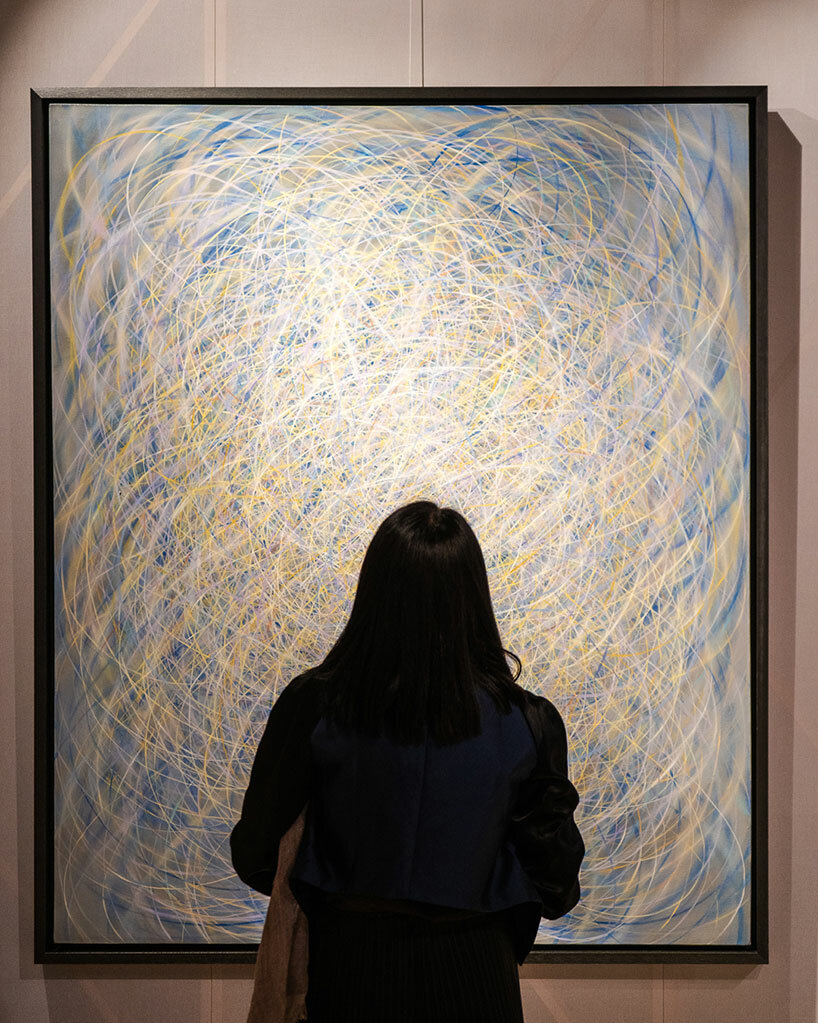
The interplay between sound and color invites us to further investigate our own perceptions. As we unravel the mysteries of synesthesia, we not only gain a deeper appreciation for the arts but also a richer understanding of our neurological makeup and how it shapes our experiences. Whether in a concert hall or through headphones in a quiet room, the layers of sound and color remind us that music is not just a sequence of notes but a vivid tapestry woven from the fabric of our senses.
DIVE DEEPER: Click here to unlock personal growth
Neurological Underpinnings of Synesthesia in Music
The intricate relationship between music and synesthesia piques the interest of neuroscientists and artists alike, unveiling a compelling narrative of how our brains process sound and color. To comprehend the phenomenon, we must explore the neurological mechanisms that enable synesthetes to experience music in a uniquely visual way. Studies suggest that synesthesia arises from increased connectivity between different sensory areas of the brain, particularly those responsible for auditory and visual processing.
In a typical brain, sensory pathways operate independently. Yet, in those who experience synesthesia, these pathways may overlap, leading to a cascade of sensory associations. For example, research using functional magnetic resonance imaging (fMRI) has shown that listening to music activates not only the auditory cortex but also regions of the brain typically associated with vision. This interaction allows synesthetes to perceive sounds as vibrant visuals—each note translating into distinct colors or shapes.
Prominent synesthetic composers have leveraged this remarkable neurological phenomenon to reshape musical composition. Artists like Oliver Messiaen and Jimi Hendrix have explicitly drawn inspiration from their synesthetic experiences to create soundscapes that resonate deeply with listeners. Messiaen’s compositions are often described as kaleidoscopic; he employed his synesthetic vision to craft intricate musical landscapes that evoke specific colors and moods, compelling audiences to hear in vivid hues.
Colorful Connections: How Synesthetic Insights Influence Composition
The interplay of sound and color goes beyond mere inspiration; it profoundly influences the creative decision-making process. Composers might select certain tones or harmonies based on their associated visual experiences, thereby subconsciously crafting a narrative that transcends auditory boundaries. This can impact various elements of their compositions, such as:
- Choice of Instruments: Some musicians may gravitate towards instruments that resonate with their specific color associations, thereby enhancing their desired auditory and visual effect.
- Melodic Structures: The structure of a melody might be influenced by the colors that emerge when certain notes are played, affecting how these elements develop over time.
- Performance and Expression: A performer with synesthesia may adopt a distinct stage presence or visual expression, translating their colorful experiences into a live performance that captivates audiences.
In contemporary music, the embrace of synesthetic qualities can also be seen through genres exploring electronic sounds and experimental compositions. Musicians like Grimes are known to construct their artistic identity around visual and auditory stimulation, intertwining bold visuals with their unique sound to create a multisensory experience for their fans. This approach undeniably draws from their understanding of music as a sound painting, allowing listeners to engage with the art form on a more immersive level.
Understanding the neurological foundations and emotional implications of synesthesia establishes a platform for appreciating how these artists transform the auditory realm into a visually resonant experience. As we continue to explore the intricacies of music and this fascinating condition, the threshold of creativity widens, urging both musicians and audiences alike to consider the infinite possibilities within sound.
Exploring the Intersection of Sound and Color
The concept of synesthesia, where stimulation of one sense leads to automatic experiences in another, offers a captivating lens through which to examine musical composition. Musicians often describe their music in terms of colors, textures, and even tastes. This crossover has not only shaped the way composers create but also how listeners engage with their work. For instance, renowned composer Oliver Messiaen famously perceived colors when hearing musical notes, a phenomenon that resonated deeply within his compositions, infusing them with vibrancy and emotional depth.Furthermore, contemporary composers are increasingly embracing synesthetic principles to engage audiences. The integration of visual art elements into live musical performances creates an immersive experience that heightens emotional responses. As audiences witness sound represented as a visual spectacle, they become more attuned to the nuances of each composition. This synthesis of sensory modalities can transform the act of listening from passive to active, prompting listeners to explore their emotional landscapes further.Research also suggests that the collaboration between musicians and visual artists leads to innovative works that challenge traditional boundaries within the arts. These multi-sensory creations have potential educational benefits, allowing students in music and art to explore interdisciplinary themes, enhancing creativity and understanding. Indeed, the exploration of synesthesia in music composition reveals profound possibilities not only for artists and audiences but also for the future of artistic collaboration.
| Category | Advantages |
|---|---|
| Emotional Engagement | Utilizing synesthetic experiences enhances listeners’ emotional connection to music. |
| Interdisciplinary Collaboration | Promotes innovative projects combining music and visual arts, fostering creativity. |
In conclusion, as we delve deeper into the exploration of synesthesia in musical composition, we uncover not only the transformative power of sound but also its resonance within the fabric of our emotional and artistic experiences. This exploration fosters a dynamic relationship between music, art, and the senses, inciting curiosity in both musicians and listeners alike.
DISCOVER MORE: Click here for sustainable crafting inspiration
Cultural Perspectives on Synesthesia and Music
The exploration of synesthesia within the realm of music does not merely anchor itself in the individual neurological experiences of composers but extends into broader cultural implications. Throughout history, different cultures have articulated their relationship with sound, color, and art in ways that reflect a synesthetic understanding, albeit not necessarily grounded in scientific terminology. For instance, the Ba Bartok, a Hungarian composer, drew from folk music traditions that intuitively married sound and visual elements. His work exemplified the idea that music can evoke imagery consistent with nature and everyday experiences, resonating with a collective synesthetic appreciation.
Various art movements have similarly showcased the intersection of visual art and music, collectively suggesting that sound can function as a paintbrush. The Synesthesia Art Movement of the early 20th century, led by artists like Wassily Kandinsky, highlighted the concept that sound, color, and emotions conflate to form a holistic artistic expression. Kandinsky himself, who reported experiencing intense color associations when he heard music, fundamentally reshaped how we perceive the relationship between visual art and sound, arguing that both are capable of expressing the same emotional depth. This movement aligns with the idea that music serves as a form of visual storytelling, transcending mere auditory experience.
Modern Technology: Enhancing Synesthetic Experiences
In contemporary times, modern technology has facilitated an enhanced exploration of synesthesia in music, allowing both artists and audiences to engage in multisensory experiences. Virtual reality (VR) and augmented reality (AR) platforms are increasingly being employed to create immersive environments where sound becomes a visual medium. For instance, composer and sound artist Ryoji Ikeda employs data-sonification techniques, transforming complex datasets into unique auditory experiences while visually representing them in real-time. This approach not only enhances the synesthetic experience but also invites listeners to perceive sound through an innovative lens, bridging the gap between auditory and visual art forms.
The rise of interactive music apps has also opened up avenues for individuals—whether predisposed to synesthetic experiences or not—to cultivate their own sound paintings. Applications designed to translate sound into visual displays encourage users to experiment with musical composition, fostering an understanding of how sound can evoke personal imagery. Notable examples include SoundDraw, which enables users to create visual art in real-time, synchronizing colors and shapes with musical notes played on a digital interface. Such tools serve as gateways for individuals to explore their perceptions of music and art across sensory domains.
In addition, the incorporation of visual artists into musical performances has gained momentum, as seen in the live performance art of bands like The Flaming Lips. Their shows often blend vibrant visual elements such as light shows and visual projections, culminating in a sensory experience that echoes the synesthetic relationships explored in music. This collaborative fusion highlights the evolving landscape of musical composition, which increasingly seeks to involve audiences through the multifaceted stimulation of the senses, thereby redefining how we approach and appreciate sound as an integral part of our reality.
DISCOVER MORE: Click here to dive deeper
Conclusion: Unveiling the Symphony of Senses
As we traverse the landscape of music as sound painting, it becomes evident that synesthesia is not just a peculiar neurological phenomenon but a rich tapestry interwoven with cultural, artistic, and technological threads. The historical context, from the enchanting folk melodies of Bartok to the revolutionary expressions of Kandinsky, reveals a long-standing dialogue between sound and visual art that transcends temporal and geographical boundaries. Each note and rhythm invites listeners to experience artistry on multiple sensory levels, forging a unique connection that challenges conventional perceptions of music.
In the digital age, innovations such as virtual reality and interactive applications have unlocked new dimensions of synesthetic exploration, empowering both creators and audiences to actively participate in this multisensory experience. The evolving collaboration between musicians and visual artists, as demonstrated by contemporary performances, illustrates the ongoing pursuit of a holistic artistic expression. This phenomenon encourages us not only to listen but to feel and see, allowing the musical experience to transcend the auditory into an engaging visual narrative.
As we continue to explore how music can function as a form of visual storytelling, we are reminded of the profound emotional depth that emerges from this intersection. The study of synesthesia in musical composition invites us to delve deeper into our perceptions of art and prompts us to rethink how we interact with and appreciate the world around us. Journeying into this synesthetic realm may ultimately reveal not just the beauty of sound and color in isolation, but a harmonious symphony where they coexist, inviting us into an exhilarating sensory adventure.
Related posts:
Photography as Visual Narrative: Capturing Moments and Emotions in Images
Contemporary Dance as a Language of Feelings: Movement as an Expression of the Soul
Shadow Theater: The Silent Narrative and Emotional Expression Through Light and Shadow
The Importance of Ceramics in the Connection between Creativity and Mindfulness
Creative Cuisine: How the Kitchen Becomes a Space for Innovation and Self-Expression
The Art of Origami as Creative Meditation: Folding Paper and Emotions into Shapes

Linda Carter is a writer and creative hobbies expert specializing in crafting, DIY projects, and artistic exploration. With extensive experience helping individuals discover their creative potential and bring their ideas to life, Linda shares her knowledge on our platform. Her goal is to empower readers with practical tips, inspiring ideas, and step-by-step strategies for success in the world of creative hobbies.