The Influence of Abstract Art on Personal Expression: Exploring Emotions Through Painting
The Transformative Nature of Abstract Art
Abstract art possesses a remarkable ability to encapsulate complex emotions and experiences, often transcending the limitations of traditional artistic forms. By moving away from realistic representations, artists engaging in this genre invite viewers to experience feelings in ways that are often difficult to articulate. Rather than a straightforward narrative, abstract art presents a visceral journey through colors and forms, encouraging a deep exploration of the human psyche.
A quintessential example of this emotional magic can be found in the works of artists like Mark Rothko, whose large blocks of color evoke intense emotional response, or Wassily Kandinsky, who sought to communicate spiritual truths through color and form. Rothko’s paintings often induce feelings of tranquility or unease, pushing viewers to confront their inner emotional landscapes. This is the essence of abstract art—it serves as a mirror reflecting the tumultuous and beautiful spectrum of our emotions.
Emotional Resonance
In the realm of abstract art, the concept of emotional resonance is paramount. Take, for instance, a vibrant canvas splashed with reds and blacks. To one observer, it might elicit feelings of anger or passion, while for another, it could evoke memories of a heated personal experience or a significant life change. Artists deliberately manipulate color, texture, and line to create an emotional dialogue, allowing viewers to process their feelings in a cathartic way. This profound connection can lead to a shared understanding of the human condition, even among disparate audiences.
Subjective Interpretation
The notion of subjective interpretation further reinforces the uniqueness of abstract art. As no two viewers come from the same background, each person carries a distinct set of experiences that shape how they interact with art. A single composition may remind one individual of childhood joy while igniting a sense of nostalgia in another. This multifaceted nature of interpretation invites discussions about personal narratives and cultural contexts, making it a powerful tool for community engagement.
Cultural Reflection
Moreover, abstract art acts as a lens through which contemporary issues can be examined—a phenomenon best described as cultural reflection. Artists often respond to the societal climate surrounding them, commenting on everything from social justice movements to environmental crises. The bold strokes and fragmented forms can represent chaos, hope, or a longing for understanding amidst turmoil. For instance, recent works emerging from the Black Lives Matter movement utilize abstraction to convey the depth of emotions surrounding systemic racism and the fight for equality. This reflects not just individual sentiments, but a larger cultural narrative that resonates widely in today’s social fabric.
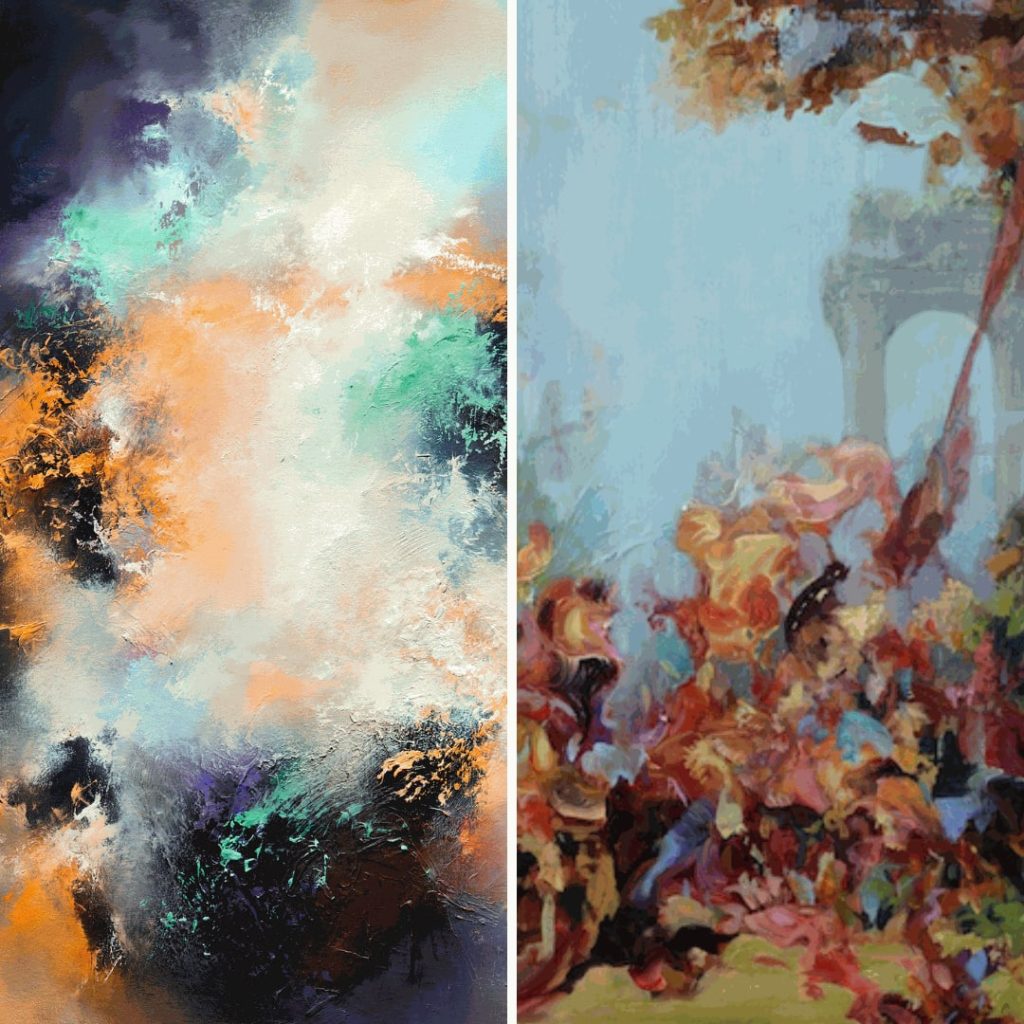
Delving into abstract art opens up a myriad of pathways for personal introspection and societal discourse. It allows individuals to tap into their emotional worlds deeply and fosters connections among people with diverse backgrounds. As the colors swirl and shapes merge, they transcend the canvas, urging us to uncover the profound narratives hidden within our own minds and in the collective consciousness. By engaging with abstract art, viewers not only explore their emotions but also participate in a broader dialogue about the complexities of life itself.
DISCOVER MORE: Click here to dive deeper
Unlocking the Door to Personal Narratives
Abstract art acts as a conduit for personal expression, allowing individuals to explore and articulate their emotions in ways that often evade traditional forms of communication. The ambiguity inherent in abstract pieces creates an open-ended environment, where personal narratives can flourish. This artistic freedom encourages viewers not only to witness the artist’s emotional journey but also to project their own feelings onto the artwork. In a sense, each painting becomes a unique lens through which viewers can navigate their emotional landscapes, discovering insights about themselves along the way.
The Therapeutic Potential of Abstract Art
The relationship between abstract art and personal expression is intricately tied to its therapeutic potential. Art therapy, a well-established field, often utilizes abstract techniques to help individuals articulate feelings they may struggle to express with words. Through the act of creation, whether painting or viewing, individuals can experience catharsis—a release of pent-up emotions that promotes healing and self-discovery.
Research has shown that engaging with art can have significant emotional benefits, including:
- Stress Reduction: The visual interplay of colors and forms can evoke a state of calm, providing a retreat from daily stressors.
- Improved Emotional Awareness: Creating or interpreting abstract art can enhance individuals’ understanding of their own emotions, facilitating greater self-awareness.
- Enhanced Problem-Solving Skills: The open-ended nature of abstract art encourages innovative thinking and the exploration of different perspectives.
For example, sessions in art therapy often prioritize abstract expression, allowing clients to channel their feelings through non-representational imagery. This approach can create a welcoming space for participants to reflect critically on their personal experiences, helping them make sense of confusion or trauma. As clients engage with their art, they may uncover connections between their creations and their emotional experiences, further enriching their understanding of themselves.
Group Dynamics and Collective Expression
Another fascinating aspect of abstract art is its effectiveness in fostering group dynamics and social connection, extending personal expression into a collective experience. Workshops or community art projects that focus on abstract painting can help participants unify their voices and narratives. As individuals collaborate on a large canvas or contribute their pieces to a communal display, the resultant artwork stands as a testament to shared experiences and emotions.
This collective expression aligns with the core of human existence—our innate desire to connect. The act of creating together can reinforce bonds between participants, allowing for deeper conversations about their thoughts and feelings. Furthermore, the shared nature of interpreting and appreciating abstract art serves to dissolve barriers, nurturing a sense of belonging and understanding among diverse groups.
Within these collaborations, emotional expression transcends the individual, illustrating how abstract art can serve both personal and communal purposes. As we delve deeper into the ways abstract art influences personal expression, we discover that it is not merely about what we paint or see, but about how these experiences shape our understanding of each other and ourselves.
The Influence of Abstract Art on Personal Expression: Exploring Emotions Through Painting
Abstract art transcends traditional artistic boundaries, offering a profound medium for personal expression. Artists often utilize vibrant colors, unpredictable shapes, and varied textures to evoke a spectrum of emotions. This unique form of expression invites viewers to engage with their feelings and interpretations, making it a transformative experience for both creator and audience. By removing recognizable subjects, abstract art allows individuals to project their emotions and thoughts onto the canvas. This emotional connection is rooted in the viewer’s personal experiences, making each interaction unique. For instance, a swirling mass of colors might stir feelings of joy or chaos, reflecting the viewer’s current state of mind.Furthermore, abstract art encourages introspection, enabling individuals to explore their inner landscapes without the confines of reality. It serves as a visual dialogue, providing a space for artists and viewers alike to confront their emotions openly. With each brushstroke, the artist expresses complex feelings, inviting the audience to resonate with the artwork and possibly even discover new aspects of their emotions.Additionally, the therapeutic value of abstract art should not be overlooked. Art therapy increasingly incorporates abstract techniques, allowing individuals to process trauma and enhance emotional well-being. The act of painting without a predetermined outcome fosters freedom of expression, facilitating healing through creativity and helping many articulate feelings that may be hard to verbalize.In exploring the nuances of abstract art, one uncovers a rich tapestry of emotion and expression that is both deeply personal and universally relatable. Whether through the study of artists who have pioneered this movement or contemporary practitioners pushing boundaries, the conversation surrounding abstract art remains vibrant and essential in understanding human emotions through painting.
| Advantage | Explanation |
|---|---|
| Freedom of Expression | Abstract art allows artists to convey complex feelings without constraints, enabling a personal connection with viewers. |
| Emotional Healing | Art therapy with abstract techniques facilitates healing by helping individuals express emotions that are difficult to articulate. |
Through this lens of abstract painting, one can explore the depths of personal emotions that resonate on both individual and universal levels. Each experience with abstract art not only builds a deep understanding of emotions but also nourishes the soul, leading to a richer, more connected life.
DISCOVER MORE: Click here to unlock new skills
The Role of Color and Form in Emotional Expression
The significance of color and form in abstract art cannot be overstated when it comes to emotional expression. Artists possess the unique ability to convey complex emotions through careful selections of hues and shapes, often invoking visceral responses from viewers. For instance, warm tones like reds, yellows, and oranges might evoke feelings of passion, warmth, or even anger, while cooler colors such as blues and greens often inspire calmness and introspection.
Research into color psychology reveals that certain colors can have a profound influence on human emotions and behaviors, making them an essential tool for artists. In a study conducted by the Institute for Color Research, it was found that people make a subconscious judgment about an environment or art piece within just 90 seconds of initial viewing, with color accounting for 60% of that assessment. This quick reaction underscores the power of color as a medium of emotional expression in abstract art. By manipulating color palettes, artists can guide viewers along a specific emotional journey—signifying tension and release, joy and sorrow, or confusion and clarity.
The use of form in abstract art further enhances this emotive capability. Bold, chaotic shapes may evoke feelings of disorder or anxiety, while fluid, gentle curves might suggest harmony and tranquility. Notably, artists like Wassily Kandinsky and Piet Mondrian have mastered the ability to create visual symphonies through their unique combinations of shapes and patterns, each designed to elicit specific feelings. Kandinsky, often considered a pioneer of abstract expressionism, believed that certain visual compositions could mirror the inner states of the human soul, making his work profoundly impactful for those looking to articulate their emotions.
The Intersection of Abstract Art and Identity
Another intriguing dimension of abstract art lies in its connection to personal and cultural identity. As artists engage with their backgrounds and experiences, they often translate these elements into their work, creating pieces that speak to their unique life stories. Abstract art enables a diverse range of voices to be heard, reflecting the rich tapestry of individual experiences shaped by factors such as heritage, gender, and social context.
For instance, contemporary African-American artists like Mark Bradford employ abstract techniques to address social issues and personal narratives, merging their cultural identity with broader discussions about race and community. Through layered materials and bold compositions, their work often communicates complex emotions tied to historical and contemporary experiences—inviting viewers to confront and engage with these themes.
The fluidity of abstract art allows for the same themes to resonate across diverse audiences. People identify with and find solace in the struggles and stories told through abstract expressions, enriching their emotional landscapes. This shared connection prompts deeper conversations surrounding identity, belonging, and the interaction of personal experiences with collective history.
The interplay of color, form, and identity in abstract art not only serves as an avenue for personal expression but also propels viewers to engage with their own identities. As individuals grapple with emotion and self-expression through abstract artwork, they ultimately carve out a space to redefine their narratives—transforming the act of viewing into a dynamic exploration of the self.
DISCOVER MORE: Click here to unleash your creativity
Conclusion: The Transformative Power of Abstract Art
In concluding our exploration of the influence of abstract art on personal expression, it becomes evident that this artistic form serves as a powerful tool for conveying complex emotions and identities. Through the emotive use of color and form, artists are able to create visceral connections with their audience, inviting them into an intimate conversation about the human experience. The emotional resonance found in many abstract pieces has the profound ability to evoke not only personal reflection but also a collective understanding of shared struggles and triumphs.
The relationship between abstract art and identity further amplifies its significance, as artists draw from their personal and cultural backgrounds to create works that resonate on multiple levels. By navigating the landscape of their experiences, artists reflect the broader human condition, allowing viewers to engage in a dialogue that transcends individual narratives. This intersection encourages individuals to confront their own emotions, fostering a deeper sense of self-awareness and connection.
As art continues to evolve, it is crucial to recognize the ongoing impact of abstract expressionism in modern discourse. By embracing its fluidity and interpretative nature, we open ourselves to new perspectives and possibilities for emotional exploration. Whether displayed in galleries, homes, or public spaces, abstract art remains an invaluable instrument for personal expression—offering a sanctuary for transformation, understanding, and creativity. As you engage with abstract works in your life, consider the emotions they evoke and the stories they tell, and you may uncover new layers within your own narrative and identity.
Related posts:
Theatrical Performance as a Form of Liberation: How the Actor Transforms Emotions into Art
The Art of Visual Storytelling How Illustration Boosts Creativity
Photography as Visual Narrative: Capturing Moments and Emotions in Images
The Role of Graphic Design in Communicating Ideas: Visual Creativity and Personal Expression
Exploring the Art of Visual Storytelling: How Illustration Can Transform Stories into Imaginative Ex...
Imaginative Expressions: The Impact of Creative Writing on Mental Health and Well-Being

Linda Carter is a writer and creative hobbies expert specializing in crafting, DIY projects, and artistic exploration. With extensive experience helping individuals discover their creative potential and bring their ideas to life, Linda shares her knowledge on our platform. Her goal is to empower readers with practical tips, inspiring ideas, and step-by-step strategies for success in the world of creative hobbies.