Transforming Antique Furniture: Upcycling Techniques for Home Customization
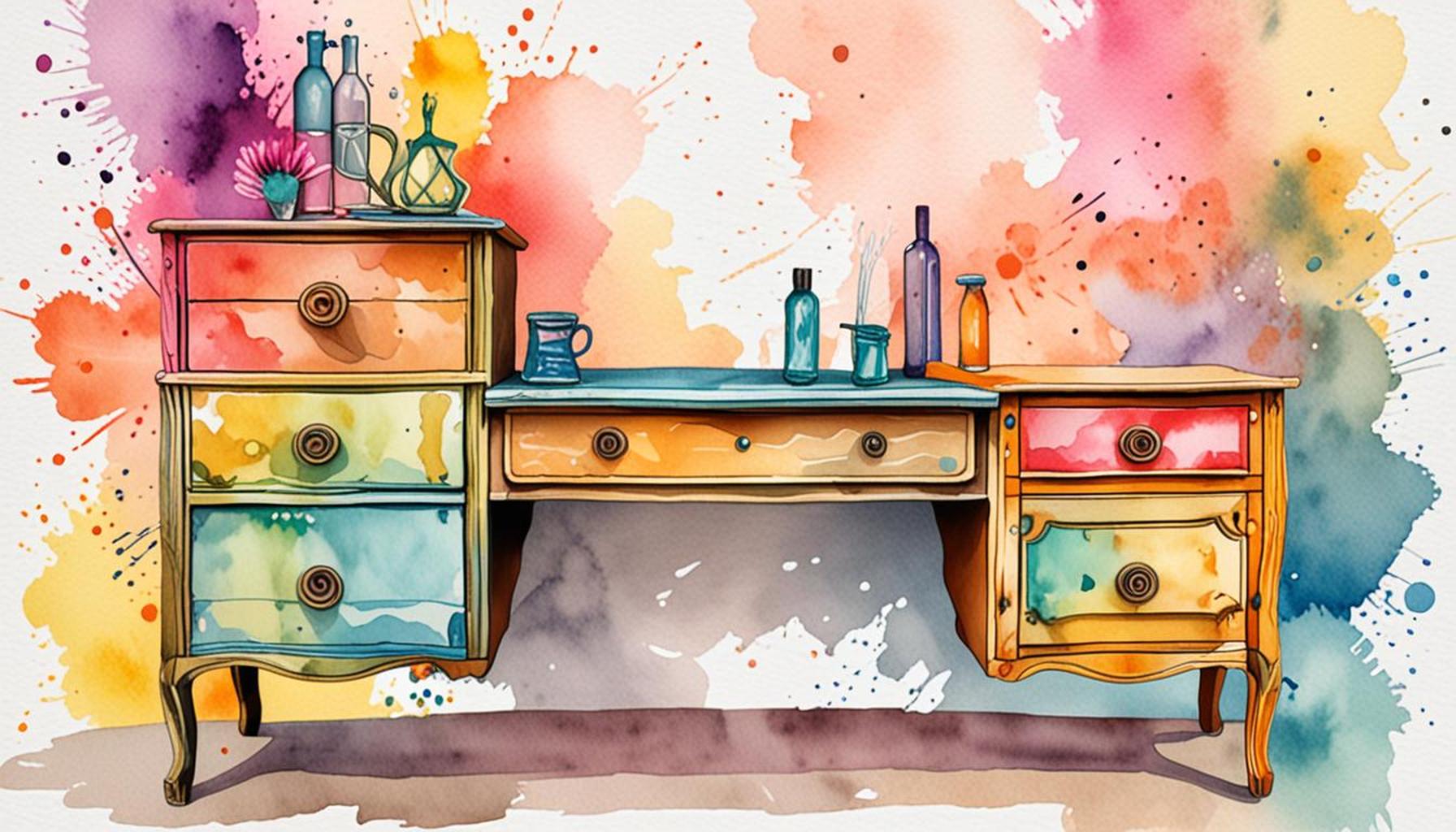
The Importance of Upcycling Antique Furniture
In an era where environmental concerns are at the forefront, the practice of upcycling antique furniture resonates deeply with values of sustainability and creativity. Revamping vintage pieces not only preserves the rich narratives of the past but also aligns seamlessly with modern aesthetics. Homeowners across the United States are increasingly recognizing the merits of restoring these bygone treasures instead of discarding them, fostering a commitment to both personal style and ecological responsibility.
This trend not only breathes new life into beautiful, well-crafted items but also reduces waste by preventing functional furniture from ending up in landfills. By selecting antique furniture to upcycle, individuals often embrace craftsmanship that contemporary mass-produced goods can’t match, further enhancing the allure of each piece.
Popular Upcycling Techniques
The transformative nature of upcycling is evident through various techniques that enthusiasts employ to create unique furniture pieces. Here are popular methods:
- Refinishing – This technique involves stripping an old piece of furniture of its original paint or varnish, allowing the raw wood to shine through. A contemporary stain or bright paint can then be applied, instantly modernizing a classic piece. For instance, an ornate Victorian side table can be transformed by using a sleek white finish, making it a striking contrast in a minimalist living room.
- Reupholstering – Vintage chairs and sofas often have timeless frames that can be revitalized with new upholstery. Choosing vibrant fabrics or trendy patterns can significantly alter the appearance of a piece. For example, a vintage wingback chair reupholstered in a geometric fabric can become a striking statement piece in any home.
- Repurposing – This technique allows for a broader imagination, turning an old dresser into a chic bathroom vanity, or a vintage door into a stylish coffee table. Such imaginative transformations are not just practical, but also serve as conversation starters in any room.
These methods not only personalize home interiors but also allow owners to weave their unique narratives into the furniture they cherish. Each item bears its stories and history, transformed through the lens of modern design.
The Journey of Customization
For both seasoned DIYers and novices alike, upcycling provides an opportunity to experiment and express creativity while embracing sustainable choices. Your journey into customization begins with the bold decision to see potential in what others may consider outdated. From browsing local thrift shops and flea markets to inheriting pieces from family members, each treasure discovered can become part of your story.
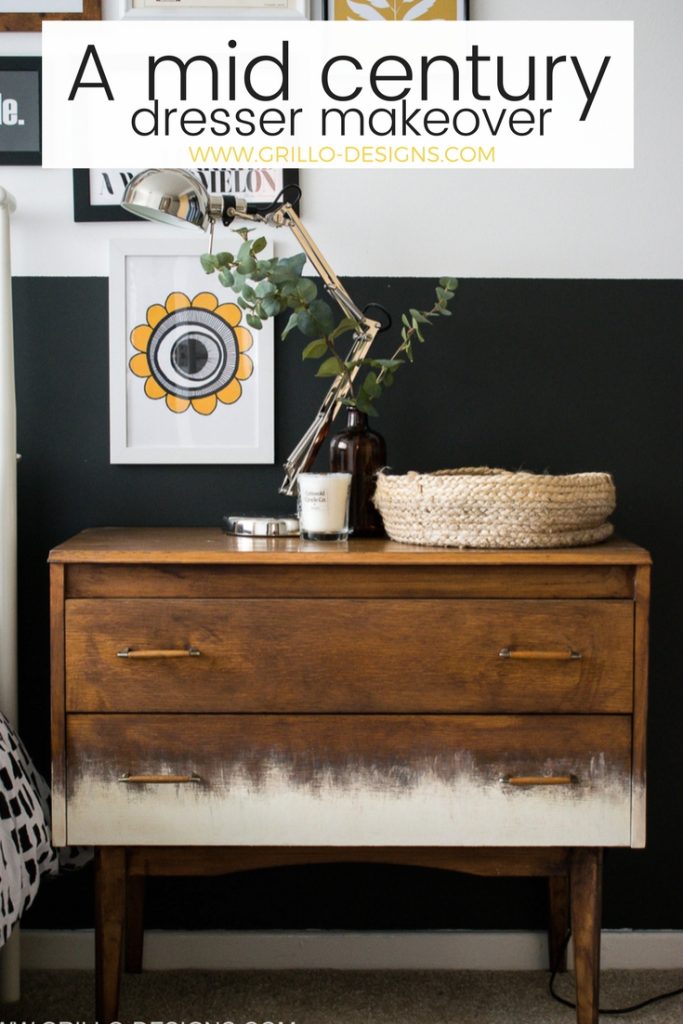
The beauty of upcycling antique furniture lies in its potential to marry the old with the new, enhancing not just the aesthetic of a home but also its environmental footprint. By opting to refurbish rather than replace, you challenge the fast furniture culture that dominates today’s market. Ultimately, this creative endeavor leads to unique, meaningful pieces that reflect your values while telling the story of their previous life. So whether you’re looking for a new centerpiece for your living room or a quirky nightstand, consider the endless possibilities that upcycling can bring to your home.
DIVE DEEPER: Click here to uncover more
Discovering Unique Upcycling Techniques
Antique furniture offers a historical depth and character that new pieces often cannot replicate. However, the challenge lies in bringing these exquisite items into contemporary design without sacrificing their integrity. Here are several innovative upcycling techniques that not only rejuvenate antique furniture but also make them meaningful additions to modern homes:
- Distressing – Adding a weathered look to antique pieces can enhance their charm and character. This involves using various techniques, such as sanding edges or applying paint and then gently scrubbing it off for a subtle, aged appearance. An antique wooden cabinet, for instance, can be distressed and painted in soft pastel hues, adding a rustic farmhouse touch to a modern kitchen.
- Decoupage – This delightful technique involves adorning furniture with decorative paper cutouts, bringing a unique flair to old pieces. By layering papers of different patterns and colors, an antique dresser can transform into a vibrant display unit. Using nature-themed images, for example, can bridge the allure of nostalgia with lively artistry, perfect for showcasing eclectic collections.
- Painting Techniques – The use of chalk paint, milk paint, or even spray paint can completely redefine an antique piece. A classic dark wood dining table can be painted in a chic teal or muted mustard, injecting a playful vibe into a dining room. Techniques such as layering or faux finishes can further enhance the table’s visual appeal.
- Adding Modern Hardware – Sometimes, simple updates can create a striking impact. Replacing old knobs and handles with sleek, modern hardware can instantly modernize a vintage piece. An ornate sideboard, for instance, can benefit from contemporary brass pulls, intertwining tradition with a hint of sophistication.
Choosing any of these techniques not only allows for personalization but can also reinvigorate the functionality of the furniture. For many homeowners across the United States, the process of upcycling becomes a journey of discovery, allowing them to express their aesthetics while preserving historical narratives. Each piece converted through these methods can tell a unique story, representing a blend of generations and styles.
Embracing Individuality Through Upcycling
As one ventures into the world of upcycling, the customization possibilities are boundless. Attending workshops or participating in local DIY events can also spark inspiration and equip individuals with skills to tackle their projects. Online platforms, such as Pinterest and Instagram, serve as rich repositories of ideas, showcasing the remarkable transformations achieved by others. By connecting with a community of like-minded enthusiasts, you can share experiences, gather tips, and explore innovative techniques, making the journey of upcycling not only about furniture but also about building deeper connections.
Furthermore, by focusing on antique furniture, individuals foster a greater appreciation for craftsmanship that echoes through time. This approach underscores the importance of artisanship and invites the opportunity to elevate one’s home in a manner that’s both sustainable and stylish. In a world inundated with disposable furniture choices, cherishing and customizing antique pieces reflects a broader movement towards thoughtful living, creating spaces that are simultaneously beautiful, meaningful, and eco-friendly.
| Category | Advantages |
|---|---|
| Sustainability | Upcycling antique furniture not only helps reduce waste but also promotes eco-friendly practices. |
| Customization | Transforming furniture allows for unique designs that reflect personal style and taste, making any home truly one-of-a-kind. |
When exploring the world of transforming antique furniture, it’s essential to delve into the various upcycling techniques that can not only elevate your living space but also breathe new life into vintage pieces. Techniques such as painting, reupholstering, and embellishing can provide creative avenues to personalize these beloved items. For instance, using chalk paint can instantly modernize an outdated dresser while preserving its antique charm.Moreover, consider repurposing smaller pieces into functional decor, such as turning an old ladder into a unique bookshelf. This method not only utilizes the existing structure effectively but also adds a striking visual element to the room. Using natural stains and finishes can bring out the wood’s intrinsic beauty, ensuring your customized furniture stands the test of time both aesthetically and structurally. As the trend toward sustainable living grows, understanding the benefits of upcycling antique furniture becomes more relevant than ever. You get to contribute to a sustainable ecosystem while enjoying a surprisingly rewarding creative process. The exploration of upcycling brings forth not only the joy of creation but also the satisfaction that comes with eco-conscious choices, ensuring that your furniture is a reflection of both style and ethics.
EXPLORE MORE: Click here to discover how cultural activities can enhance your creativity
Innovative Styles and Techniques for Modern Decor
Upcycling antique furniture not only revitalizes beloved pieces but also enables homeowners to incorporate unique styles into their decor. The process of transformation goes beyond mere aesthetics; it enables individuals to create personalized statements within their living spaces. Here are some imaginative approaches to upcycling that can add both functionality and flair to antique furniture:
- Functional Art – Transforming a vintage dresser into a bathroom vanity is a perfect illustration of blending style with function. By removing the old hardware, refinishing the surface, and integrating a sink, you breathe new life into an antique piece. This approach not only modernizes the bathroom but also creates a focal point with character, making mornings feel special.
- Furniture Flipping – This popular trend involves purchasing undervalued antique pieces, upcycling them, and either keeping them or reselling for profit. With numerous online marketplaces like Etsy and eBay, enthusiasts are turning passion into business while providing these treasures with a new lease on life. A neglected mid-century chair, for instance, can be reupholstered with a bold fabric, ensuring it finds a fresh purpose and increased market appeal.
- Color Theory – Harnessing color psychology can significantly impact how furniture is perceived and utilized in a space. Warm hues like terracotta or berry can evoke coziness, making an antique wooden side table more inviting in a living room. Understanding which colors complement different settings allows for creative experimentation, multiplying possibilities for customization.
- Mixing Eras – The art of mashup is becoming increasingly popular in interior design. Combining an antique piece with modern elements—like a modern lamp on an ornate side table or a contemporary couch paired with a vintage coffee table—creates a unique blend of styles that reflects individuality. This type of mix-n-match not only showcases personal taste but anchors the décor in a narrative that spans time.
Interestingly, this upcycling trend is not merely a fad; it has ecological implications that resonate with the growing demand for sustainability. By reusing and revamping antique furniture, individuals actively reduce waste and contribute to a circular economy. A striking statistic from the American Society of Interior Designers (ASID) indicates that 75% of consumers are interested in environmentally friendly products, indicating a shift in priorities toward upcycled goods.
The Role of Technology in Upcycling
The digital age plays a pivotal role in the evolution of upcycling. The availability of tutorials on platforms like YouTube and engaging discussions on Facebook groups or Reddit can empower even novice DIYers to take on ambitious projects. Social media trends like before-and-after transformations offer inspiration and encouragement, galvanizing communities around this crafting movement.
Additionally, technological advancements such as 3D printing have started influencing the upcycling scene as well. Custom hardware replacements or decorative details can now be designed and printed, allowing for personalized finishes that cater to individual styles. This opens up new avenues for creativity, where the old can be seamlessly integrated with the cutting-edge.
Antique furniture, when approached thoughtfully, can serve not only nostalgic purposes but also fulfill modern-day requirements. Upcycling is not simply about the preservation of the past; it is about enriching contemporary living through mindful creativity and individual expression. The journey of customization encourages artistic exploration, providing homeowners with endless opportunities to craft spaces that mirror their stories and values.
DISCOVER MORE: Click here to transform your space
Conclusion: Embracing the Art of Upcycling
In conclusion, the journey of transforming antique furniture through upcycling offers not only a chance to preserve cherished heirlooms but also an avenue for creative expression in home customization. By employing inventive techniques, such as reimagining old pieces into functional art or integrating them with modern decor, homeowners can craft truly unique living spaces that resonate with their personal stories and aesthetics. The increasing interest in eco-friendly practices and sustainable choices only underscores the importance of breathing new life into neglected treasures.
Moreover, the role of technology in this movement cannot be understated. With online resources, DIY tutorials, and advanced tools like 3D printing readily accessible, transforming antique furniture has become an engaging pursuit for many. This growing community not only fosters creativity but also cultivates a shared appreciation for the past while looking towards the future.
The possibilities with upcycling antique furniture are as vast as one’s imagination. By embracing this art, individuals have the power to shape their environments, turning every piece into a conversation starter that encapsulates history, innovation, and artistry. As we continue to seek ways to personalize our homes, let us also remain mindful of the resources we use and the stories we carry forward, showcasing the perfect blend of nostalgia and modernity for generations to come.
Related posts:
Eco-Friendly Crafting Top 5 Sustainable Materials for Projects
Sustainability in Craft Projects: Transforming Recyclable Materials into Works of Art
DIY Home Decor Turn Everyday Items into Stunning Art Pieces
Craft Trends: How Technology Is Influencing Creative and Innovative Projects
Innovations in Craft Projects: How New Technologies Are Transforming DIY

Linda Carter is a writer and creative hobbies expert specializing in crafting, DIY projects, and artistic exploration. With extensive experience helping individuals discover their creative potential and bring their ideas to life, Linda shares her knowledge on our platform. Her goal is to empower readers with practical tips, inspiring ideas, and step-by-step strategies for success in the world of creative hobbies.