The Role of Art in Therapy and Personal Well-Being
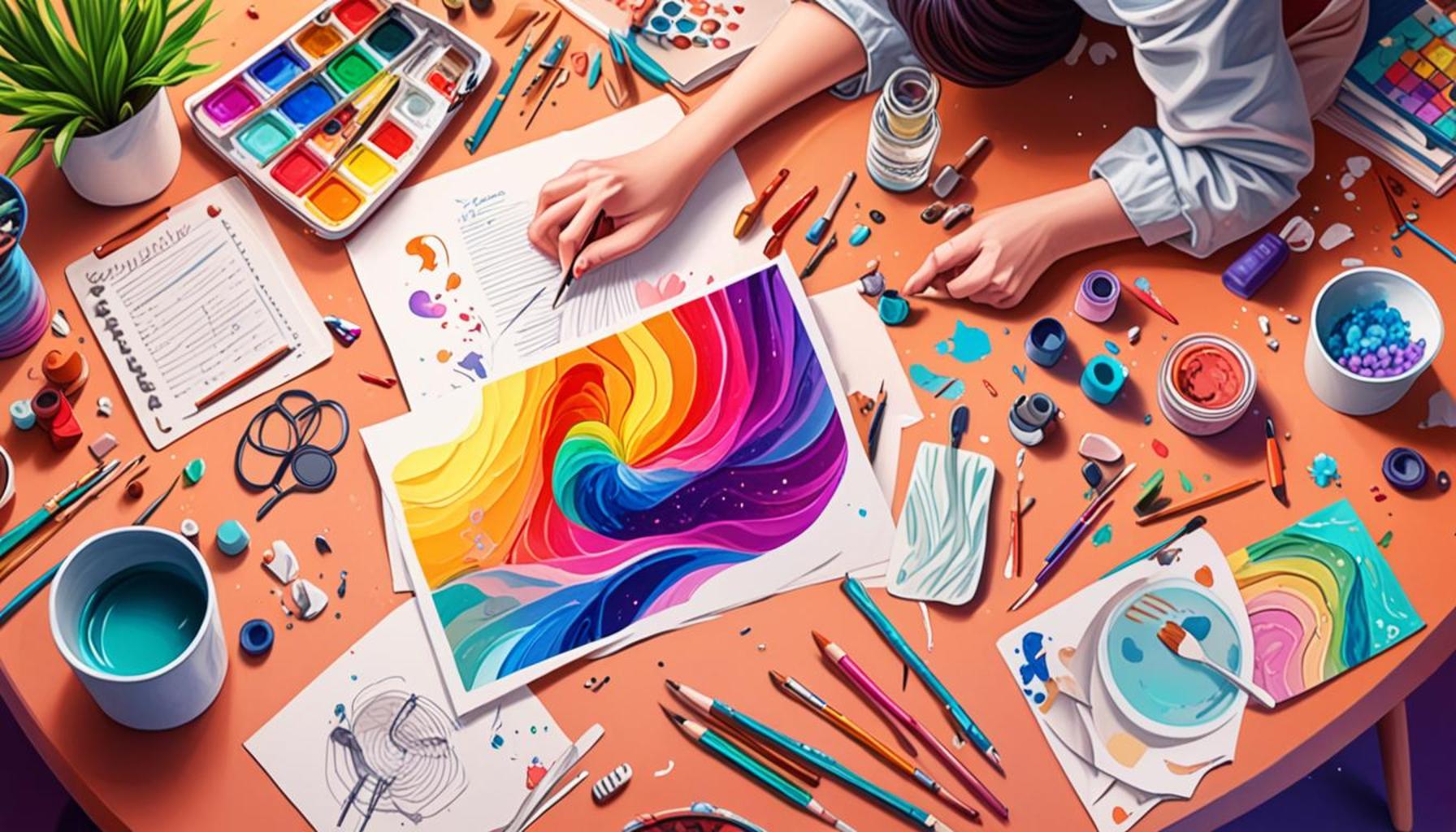
Exploring the Intersection of Art and Healing
Art has long been recognized as a powerful medium for expression and communication. In recent years, its role in therapy and personal well-being has gained significant attention. Whether through visual arts, music, or dance, engaging in artistic activities can profoundly impact mental health.
Benefits of Art in Therapeutic Settings
Art therapy utilizes creative processes to help individuals address emotional conflicts and enhance their overall well-being. Here are some crucial benefits:
- Boosts self-esteem: Creating art fosters a sense of achievement. For many individuals, particularly children or those recovering from trauma, completing a piece of artwork can provide a significant boost in confidence. Such accomplishments can be particularly impactful, reaffirming one’s capabilities in a world that often feels overwhelming.
- Encourages emotional release: Artistic expression can help release bottled-up feelings. A study published in the journal Art Therapy found that individuals who engaged in painting and drawing reported a reduction in anxiety and depressive symptoms, linking the act of creation to emotional catharsis.
- Promotes mindfulness: Engaging in art encourages being present in the moment. Techniques such as mandala drawing or coloring books have been widely used in stress-relief workshops, allowing participants to immerse themselves fully in the task at hand, thereby quieting racing thoughts and promoting a state of calm.
Forms of Art Therapy
Various forms of art therapy cater to different preferences and needs:
- Visual Arts: Painting and drawing allow for self-expression. These activities can serve as a non-verbal outlet for emotions, making them particularly beneficial for individuals who struggle with traditional forms of communication. Programs like “Art for Healing” in various hospitals across the United States highlight the therapeutic benefits of these practices, allowing patients to express their fears and hopes through visual storytelling.
- Music Therapy: Listening to and creating music can relieve stress. Institutions like the American Music Therapy Association demonstrate that engaging with music can improve mood and cognitive function, as well as promote relaxation. Group sessions often foster a sense of belonging, which can be particularly helpful for those who feel isolated.
- Dance/Movement Therapy: Physical activity through dance fosters body awareness. This form of therapy is not merely about having fun; it acknowledges the profound connection between mind and body. Programs that incorporate dance are thriving in rehabilitation centers, where movement becomes a pathway toward healing from trauma and addiction.
As the therapeutic community continues to explore the impact of art, countless individuals are discovering its transformative potential. In a nation where the pressures of daily life can feel overwhelming, art offers a compelling avenue for healing and personal growth. From community art programs in urban centers to workshops in rural areas, the integration of artistic modalities in therapy is designed to resonate with diverse populations, making healing more accessible than ever. This growing movement encourages individuals to pick up a brush, strum a guitar, or let loose on the dance floor—reminding them that through creativity, they can embark on their own healing journeys.
DISCOVER MORE: Click here to dive deeper into continuous learning
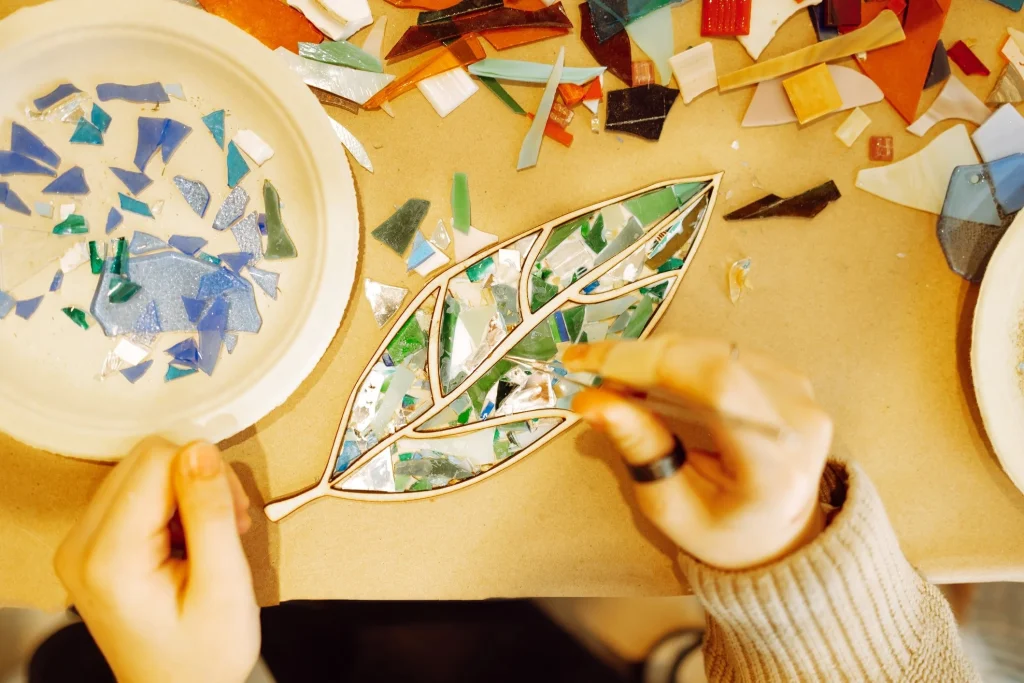
The Impact of Art on Mental Health
The integration of art into therapeutic practices is not merely a trend; it reflects a profound understanding of the complexities of human emotions and the intricate relationship between creativity and healing. In a society grappling with escalating rates of mental health issues, art therapy stands out as a valuable tool for enhancing personal well-being. This multifaceted approach encompasses various creative disciplines, each making a unique contribution to psychological restoration and growth.
Enhancing Emotional Awareness
One of the most significant advantages of engaging in art therapy is its ability to enhance emotional awareness. Creating art acts as a mirror, allowing individuals to reflect on their feelings and experiences. Through colors, shapes, and forms, artistic expression can manifest emotions that might be too difficult to articulate in words. Accordingly, art therapy invites participants to explore their internal landscape, gaining insights that can lead to personal breakthroughs.
Artistic Techniques for Therapy
Different artistic techniques offer varied therapeutic benefits. Here are some common methods used in art therapy:
- Collage Creation: This technique allows individuals to cut and paste images, words, and symbols from magazines or other materials to create a visual story. Collage-making can facilitate discussions about identity, aspirations, and experiences, providing a safe space to explore personal narratives.
- Expressive Drawing: Often utilized in therapy sessions, expressive drawing can help individuals express feelings of trauma or anxiety. While there is no need for artistic skill, the process itself allows for the release of pent-up emotions, leading to increased feelings of relief and relaxation.
- Creative Writing: Writing can complement visual art by providing an outlet to express thoughts and experiences. Journaling, poetry, or storytelling can be integrated into therapy, encouraging individuals to articulate their feelings and enhancing self-awareness.
Art Programs in the United States
Art therapy programs are widely accessible across the United States, reaching diverse populations and needs. Institutions such as the American Art Therapy Association work tirelessly to promote the understanding of art therapy and its benefits. Initiatives like the “Healing Arts Program” in hospitals harness the therapeutic power of art, offering patients opportunities for creative expression as part of their recovery. Similarly, community organizations provide workshops aimed at at-risk youth, allowing them to channel their struggles through artistic practices.
As the recognition of art as a legitimate therapeutic tool grows, so too does the evidence supporting its efficacy. Studies indicate that art therapy can lead to substantial improvements in psychological well-being, reducing symptoms of anxiety and depression while fostering resilience and coping skills. For individuals searching for a path toward healing, participating in artistic endeavors can be both empowering and liberating, offering a rich avenue for self-discovery and emotional release.
| Art as a Therapeutic Tool | Benefits in Personal Well-Being |
|---|---|
| Creative Expression | Enhances Emotional Processing |
| Stress Reduction | Improves Mental Health |
| Building Self-Esteem | Fosters Connection |
Exploring how art can be a profound therapeutic tool reveals its pivotal role in fostering well-being. Through creative expression, individuals embark on a journey to articulate feelings often too complex to verbalize. This form of engagement not only aids in emotional processing but also serves as a safe arena for self-exploration, which is paramount in therapeutic settings.Moreover, recent studies highlight that engaging in art can lead to significant stress reduction. Participants in art therapy have demonstrated notable decreases in symptoms related to anxiety and depression, showcasing its potential in enhancing overall mental health. Furthermore, the act of creating art contributes to building self-esteem among individuals. As creators witness their artistic growth over time, they often develop a stronger sense of identity and confidence. Additionally, art enables people to connect with others, creating a collective understanding that can lead to communal healing experiences. Thus, the multifaceted benefits of art in therapy are an essential avenue for nurturing personal well-being and enriching lives.
DISCOVER MORE: Click here to enhance your skills through creative hobbies
The Therapeutic Process of Art and Recovery
Art therapy not only facilitates emotional expression but also serves as a vital mechanism for recovery from various psychological challenges. By engaging participants in creative processes, art therapy fosters a sense of agency, promoting autonomy and resilience. Individuals often find solace in the act of creating, which can be particularly beneficial during difficult times, helping them to navigate through trauma, grief, and stress.
Building Community through Shared Art Experiences
Participating in group art therapy sessions introduces an element of community that can significantly impact personal healing. When individuals come together to share their artistic journeys, they cultivate a sense of belonging and mutual understanding. This camaraderie can alleviate feelings of isolation, especially for those who struggle with mental health issues. For example, community organizations like the Art Therapy Project in New York City exemplify this approach by providing supportive environments where individuals can share their art while connecting with others who have similar experiences.
Art Therapy in Different Settings
The versatility of art therapy allows it to be applied across various settings, each adaptation tailored to meet the specific needs of its participants. For instance, in schools, art therapy can address issues of bullying, anxiety, and emotional dysregulation among students. Programs such as Art for Healing foster creative expression within educational institutions, empowering children to navigate their emotions through art.
In clinical settings, art therapy has proven to be effective in helping patients cope with chronic illness, addiction, and mental health disorders. Hospitals have embraced art therapy as a complement to traditional medical treatments, recognizing its ability to enhance patient experiences. The Art Therapy for Recovery initiative in hospitals introduces art-making as part of rehabilitation programs, resulting in improved moods and reduced feelings of pain among patients during their recovery processes.
The Science Behind Art Therapy
While the benefits of art therapy are widely acknowledged, emerging research continues to build a comprehensive understanding of how art influences mental health. Studies indicate that participating in artistic activities can trigger the release of endorphins, the brain’s natural feel-good chemicals, promoting a sense of joy and fulfillment. Neuroimaging research reveals that engaging in creative expression activates areas of the brain linked to emotional processing, improving overall mental clarity and emotional well-being.
The physiological responses elicited by engaging with art can have lasting effects on individuals facing emotional difficulties. As they cultivate their artistic skills, participants may also experience enhanced cognitive abilities, including heightened problem-solving skills and improved emotional regulation. These outcomes underscore the transformative potential of combining creativity with therapeutic practices.
Accessibility and Inclusivity in Art Therapy
Efforts to broaden the scope of art therapy have led to increased accessibility for diverse populations. Programs focused on marginalized communities, including veterans, the elderly, and individuals with disabilities, emphasize inclusivity. Organizations like Arts in Medicine work tirelessly to ensure that people from all walks of life have opportunities to engage with art therapeutically, fostering healing beyond the confines of conventional therapy.
As awareness of the multifaceted benefits of art therapy continues to grow, it increasingly finds its place within mainstream mental health discussions. By exploring their artistic impulses, individuals discover new dimensions of their personal narratives, making art therapy a powerful ally in the pursuit of emotional wellness and self-understanding.
DISCOVER MORE: Click here for insights on improvisation techniques
Conclusion: Embracing Art in the Quest for Healing
As we delve deeper into the role of art in therapy and personal well-being, it is clear that creativity serves as a transformative tool, fostering healing and self-discovery. The therapeutic benefits of art, from enabling emotional expression to enhancing cognitive skills, are supported by an expanding body of research that underscores its effectiveness in various settings, including schools and hospitals. The collaborative aspect of group art therapy promotes a sense of community, while the inclusivity of programs designed for diverse populations ensures that everyone, regardless of background, can access these vital resources.
Moreover, the connection between art and mental health is becoming increasingly recognized within mainstream discourse, emphasizing the importance of integrating creative practices into conventional therapeutic frameworks. As participants engage with their artistic impulses, they not only address emotional challenges but also cultivate a deeper understanding of their narratives, ultimately fostering resilience and well-being.
For those seeking solace from life’s complexities, art therapy offers a unique pathway to connection and healing. Whether through painting, sculpture, or any other form of creative expression, individuals are empowered to explore their emotions and experiences in a safe and supportive environment. As we continue to advocate for and expand access to art-based therapeutic practices, we pave the way for brighter, more fulfilling futures—one brushstroke at a time.
Related posts:
Explore Art Innovatively Blend Traditional Digital Techniques
Unlock Personal Growth How Artistic Exploration Boosts Emotional Well-being
The Intersection of Art and Nature: How Outdoor Artistic Exploration Inspires Creativity
Art as a Tool for Protest: Expressing Ideas and Causes Through Creativity
Art and Community: Collaborative Projects that Transform Public Spaces
The Influence of Abstract Art on Personal Creativity Development

Linda Carter is a writer and creative hobbies expert specializing in crafting, DIY projects, and artistic exploration. With extensive experience helping individuals discover their creative potential and bring their ideas to life, Linda shares her knowledge on our platform. Her goal is to empower readers with practical tips, inspiring ideas, and step-by-step strategies for success in the world of creative hobbies.