The Redefinition of Beauty: Artistic Movements that Challenge Traditional Aesthetic Standards
Transformative Artistic Movements
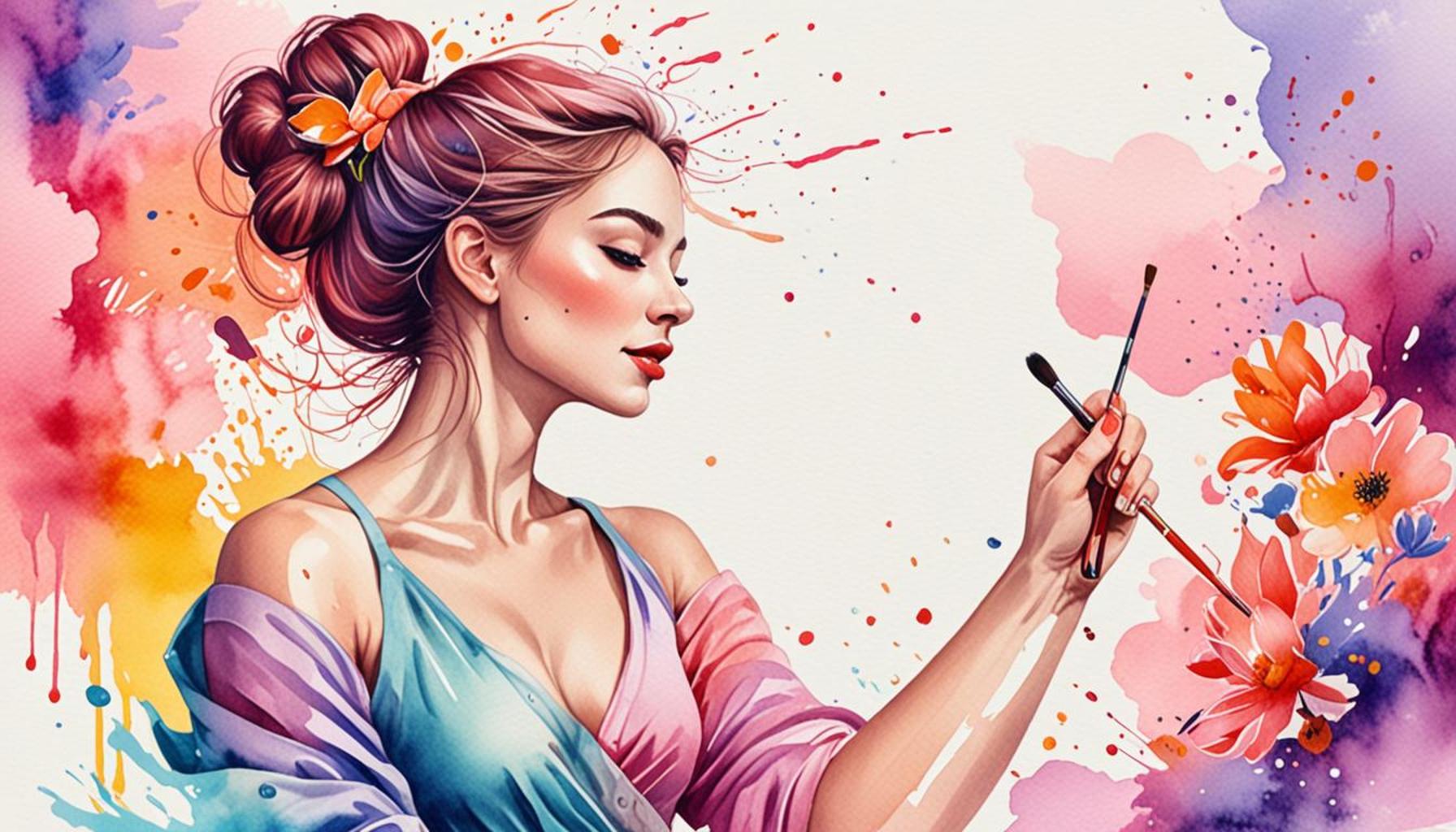
Throughout history, the concept of beauty has not been static; it has evolved, influenced by the cultural, social, and political climates of different eras. In recent years, there has been a noticeable shift toward embracing a broader and more inclusive understanding of beauty, a change largely driven by contemporary artistic movements that challenge traditional aesthetic standards. These movements serve as powerful platforms for dialogue and reflection about what beauty can and should represent in our increasingly diverse society.
One key characteristic of these transformative approaches is the subversion of norms. Artists are actively questioning conventional ideals of beauty that have historically favored a narrow set of standards. For example, artists like Judy Chicago, known for her feminist art, challenge notions of beauty by highlighting female experiences and centering on narratives that have often been marginalized. Her iconic installation, *The Dinner Party*, not only showcases the work of influential women throughout history but also encourages viewers to appreciate the beauty in seemingly mundane stories of struggle and resilience.
Another vital aspect involves diversity in representation. Contemporary artists are foregrounding a range of body types, races, and identities, creating works that resonate with underrepresented demographics. This shift is evident in the work of artists like Kehinde Wiley, whose portraits of African American men and women draw from classical European portraiture yet bring forth the lived experiences of modern individuals. His art advocates for visibility and representation, pushing against the historical predominance of Eurocentric beauty standards.
Furthermore, contemporary artistic expressions often delve into emotional expression, capturing the raw and unfiltered facets of the human experience. Movements like surrealism and street art embody this notion by blending abstract concepts with visceral emotions, thereby inviting audiences to engage with art on a deeper psychological level. Street artists such as Banksy employ provocative imagery that evokes social commentary—challenging viewers to reconsider their perceptions of beauty against the backdrop of societal issues, which range from consumerism to war.
These artistic movements create a dynamic interplay between beauty and societal constructs, leading us to reflect on the implications of what we find beautiful. As we explore these transformative expressions, we are encouraged to expand our understanding of beauty, promoting a narrative that is not only inclusive but also rich in diversity, intersectionality, and emotional depth. The landscapes of beauty are being profoundly reshaped, calling for ongoing exploration and appreciation of art’s power to encapsulate the multitude of human experiences.
DISCOVER MORE: Click here to dive deeper
Challenging Conventional Norms
As the quest for a more inclusive understanding of beauty continues to unfold, artistic movements play a pivotal role in challenging and redefining traditional aesthetic standards. These movements not only interrogate the definitions of beauty that have been accepted for centuries but also invite broader conversations about identity, culture, and society. They pave the way for new interpretations that reflect the complexities of modern life.
Postmodern Art and Its Impact
At the forefront of this transformative journey is postmodern art, which emerged as a reaction to the strictures of modernism. In contrast to the emphasis on universal principles and ideal forms, postmodern artists embrace multiplicity and contradiction. This shift is exemplified in the work of artists like Cindy Sherman, who uses photography to explore themes of identity and representation. Through her conceptual self-portraits, Sherman deconstructs the idealized images of women often perpetuated in media, revealing the performative aspects of femininity and challenging viewers to reconsider their perceptions of beauty.
The Role of Street Art
Another significant movement influencing perceptions of beauty is street art. This grassroots form of artistic expression arises from urban environments, often breaking the barriers of traditional gallery spaces. Street artists like Shepard Fairey, known for his iconic *Obey Giant* campaign, utilize public spaces to challenge societal norms and inspire dialogue on issues like consumerism, social justice, and political empowerment. The accessibility of street art democratizes beauty, allowing it to flourish outside the confines of elite art institutions and inviting diverse voices to participate in the visual landscape.
The Importance of Intersectionality
Moreover, the principle of intersectionality has become central to understanding contemporary beauty narratives. Intersectionality acknowledges that individuals navigate multiple and often overlapping social identities, such as race, gender, class, and sexuality. This approach is exemplified by the rise of artists like Zanele Muholi, whose photography focuses on black LGBTQ+ individuals in South Africa, reclaiming visibility and beauty for marginalized communities. Muholi’s work challenges the idea of beauty as inherently tied to mainstream norms, showcasing the resilience and vibrancy of lives often rendered invisible.
Key Elements of Transformative Art Movements
- Subversion of Traditional Norms: Artists question and critique established beauty standards.
- Diversity and Representation: A conscious effort to include various identities and experiences.
- Emotional Depth: An exploration of human emotion and experience beyond surface beauty.
- Accessibility: Making beauty and art available to all, breaking down elitist barriers.
- Social Commentary: Using art as a tool for activism and societal reflection.
As these transformative art movements continue to reshape the conversation around beauty, they challenge us to explore and embrace a more inclusive perspective. They invite us to recognize that beauty is not a uniform concept but rather a deeply personal and multifaceted experience, one that resonates with the diversity of our shared human experiences.
The Evolution of Beauty Through Art
Art has long served as a mirror reflecting societal values and norms, and in the realm of beauty, it confronts the standards that often dictate worth and acceptability. Modern artistic movements, such as Dadaism and Surrealism, challenge the traditional views of beauty by embracing the abnormal and the bizarre. Artists like Marcel Duchamp and Salvador Dalí used unconventional techniques and themes to provoke audiences, encouraging a reevaluation of what beauty can encompass. Dadaism famously dismissed logic and reason in favor of chaos and spontaneity, prompting viewers to question the accepted definitions of beauty, art, and reality.Similarly, the Body Positivity Movement gained traction in contemporary art, depicting diverse body types and celebrating individual imperfections. It pushes back against the rigid standards promoted by media and society, suggesting that beauty is inherently subjective and multifaceted. In this way, artists not only capture the essence of their time but also participate in a broader dialogue about identity and representation.
Art as a Catalyst for Change
The incorporation of non-traditional aesthetics serves as a vital critique of societal norms and can reside in various forms—be it visual arts, performance, or even architecture. Take, for instance, the work of artists like Frida Kahlo, whose profound use of vibrant colors and raw imagery highlights pain and cultural identity, moving beyond superficial beauty. Her self-portraits invite viewers to explore the deeper emotional landscapes that shape human experience, thereby redefining beauty as inclusive of struggle and resilience.Moreover, the rise of digital art and social media platforms has democratized artistic expression, allowing marginalized voices to flourish and gain visibility. Artists can share their unique perspectives on beauty, effectively enriching the discourse and allowing for an explosion of ideas that challenge established aesthetics. The ability to present art to global audiences garners appreciation for diverse interpretations of beauty, paving the way for a more egalitarian view of art itself.As we move further into the 21st century, the conversation about beauty continues to evolve, inviting us to reassess not only our aesthetic preferences but also the implications of those choices on societal identity and acceptance. It is an ongoing dialogue that promises to expand, particularly as new mediums for artistic expression emerge.
| Artistic Movements | Advantages & Insights |
|---|---|
| Dadaism | Challenges conventional beauty standards, fostering creativity through chaos. |
| Body Positivity | Encourages acceptance of diverse body types, promoting self-love and individual expression. |
DISCOVER MORE: Click here to learn about sustainable crafting materials
Queer Aesthetics and Body Positivity
In recent years, the resurgence of queer aesthetics has significantly contributed to the redefinition of beauty. Artists and performers within the LGBTQ+ community challenge heteronormative standards by embracing flamboyance, non-conformity, and radical self-expression. The work of artists like David LaChapelle, whose photographic compositions fuse elements of pop culture and sexuality, successfully dismantles the rigid boundaries of traditional beauty. By incorporating humor and surrealism, LaChapelle encourages viewers to reconsider their ingrained ideas of attraction and desirability.
Additionally, the body positivity movement has gained momentum in the artistic world, advocating for representation of all body types and rejecting conventional beauty ideals that often celebrate thinness and eurocentric features. Artists such as Laura Aguilar skillfully encapsulate the beauty of marginalized bodies through photography. Aguilar’s work, which features self-portraits of her own plus-size figure, conveys a powerful message that beauty manifests in diverse forms. This movement not only provides a platform for underrepresented individuals but also promotes acceptance, self-love, and a broader spectrum of beauty that resonates with diverse audiences.
Intersection of Technology and Beauty
The rapid advancement of digital technology has been another pivotal factor in redefining beauty standards. Social media platforms, particularly Instagram, allow artists to reach vast audiences while simultaneously critiquing beauty norms. Digital creators such as Hayley Kiyoko and Tammy Hembrow use their platforms to celebrate authenticity and challenge the curated images often associated with fame. The rise of “real beauty” campaigns, which promote unretouched, candid photographs, serves as a counter-narrative to the polished ideals often seen in advertising.
This intersection of technology and art has sparked discussions about the impacts of filters, photo editing, and even the role of *AI-generated art* on beauty perceptions. As many creators grapple with the implications of digital manipulation, questions arise about authenticity, representation, and the societal implications of both real and virtual bodies. The deconstruction of beauty in the digital realm allows for a new form of expression, where individuals can reclaim narratives that are often dictated by external forces.
Global Perspectives on Beauty
The global exchange of culture emphasizes that beauty standards are not universal but rather influenced by local histories and practices. In regions such as Africa and Asia, art forms often challenge Western norms of beauty through traditional crafts and styles that celebrate local heritage. Artists like Yayoi Kusama from Japan and Ndebele artists from South Africa incorporate cultural symbols and motifs that redefine beauty in their contexts, illustrating how artistic expression is shaped by cultural identity.
Moreover, the rise of movements like Afrofuturism, which combines elements of science fiction with African culture, provides an empowering lens through which to reimagine beauty. This movement’s vibrant aesthetic not only celebrates but also elevates Black identity and culture, showcasing a richness often overlooked in mainstream narratives. Such diverse artistic expressions highlight the multifaceted nature of beauty across cultures and encourage a broader appreciation of what beauty can embody.
Through these various movements and discussions, it becomes increasingly clear that beauty is an evolving concept—one that is inherently tied to social movements, technology, and cultural expression. Artists continue to reshape the narratives surrounding beauty, pushing boundaries and challenging viewers to engage with new perspectives that resonate with the complexities of lived experiences.
DISCOVER MORE: Click here to learn about the benefits of creative writing on mental health
Conclusion: The Evolving Narrative of Beauty
In conclusion, the landscape of beauty is undergoing a profound transformation, driven by diverse artistic movements that challenge traditional aesthetic standards. From queer aesthetics that embrace non-conformity to the body positivity movement advocating for inclusivity, artists are reshaping societal norms and expanding the definition of beauty to encompass a multitude of identities and experiences. This evolution is further invigorated by the intersection of technology and art, where digital platforms become spaces for authentic expression and critique against the overly curated images that dominate mainstream media.
The emphasis on global perspectives further emphasizes that beauty is not monolithic; it is a rich tapestry woven from cultural histories and practices. Artists like Yayoi Kusama and Ndebele artists celebrate local heritage while contributing to a larger dialogue that appreciates the various manifestations of beauty across different cultures. Movements like Afrofuturism offer new lenses through which we can explore and reimagine beauty, empowering marginalized voices within a narrative often dominated by Western ideals.
Ultimately, the redefinition of beauty invites us to engage in meaningful conversations about authenticity and representation. As we continue to challenge ingrained perceptions and celebrate diversity in all its forms, it becomes clear that the aesthetic values we hold are not fixed but are in constant flux. Artistic expression not only reflects societal changes but also serves as a catalyst for further dialogue, inspiring individuals to embrace their unique beauty and redefine what it means to be truly beautiful.
Related posts:
Exploring Different Artistic Mediums: Painting, Sculpture, and Digital
The Influence of Abstract Art on Personal Creativity Development
The Intersection of Art and Nature: How Outdoor Artistic Exploration Inspires Creativity
The Role of Art in Therapy and Personal Well-Being
Art as a Tool for Protest: Expressing Ideas and Causes Through Creativity
The Influence of Life Experiences on Artistic Production: Personal Narratives and Creation
Linda Carter is a writer and creative hobbies expert specializing in crafting, DIY projects, and artistic exploration. With extensive experience helping individuals discover their creative potential and bring their ideas to life, Linda shares her knowledge on our platform. Her goal is to empower readers with practical tips, inspiring ideas, and step-by-step strategies for success in the world of creative hobbies.