The Art of Improvisation: How Spontaneous Creation Can Stimulate Creativity
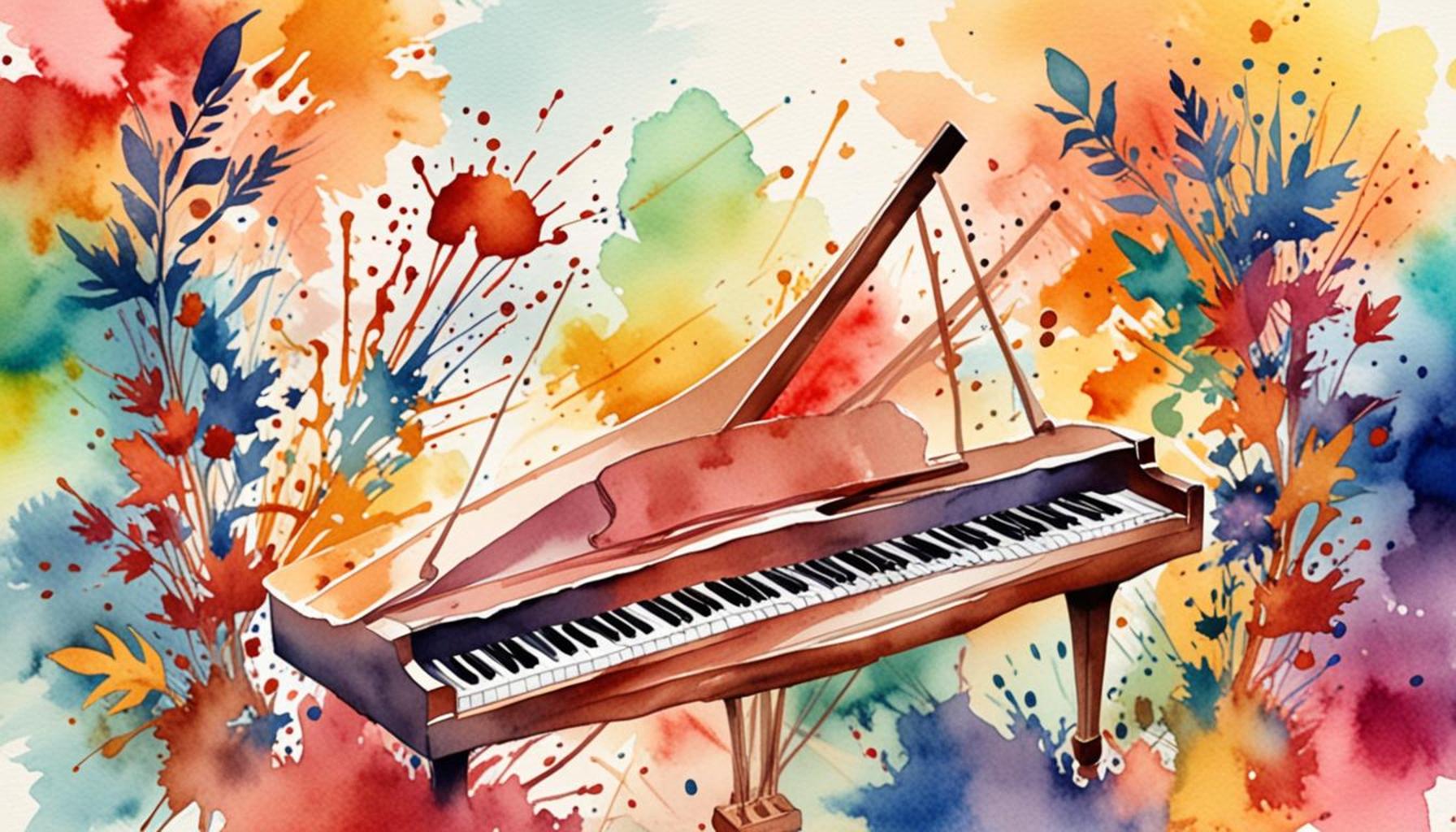
The Journey of Spontaneous Creation
Improvisation is not merely a technique; it is a mindset that enables individuals to embrace spontaneity and creativity in their lives. This unrestricted form of art invites people to step away from the constraints of meticulous planning and venture into the thrilling realm of unanticipated scenarios. Engaging in improvisation can be likened to navigating turbulent waters—stimulating and often unpredictable but undeniably rewarding.
The Hidden Benefits
- Enhances Adaptability: As life’s circumstances often shift unexpectedly, improvisation teaches us the valuable skill of adaptability. For instance, a person frequently involved in improv exercises learns to pivot and make swift decisions, fostering resilience that is essential in both personal and professional environments.
- Boosts Confidence: By effectively confronting the unknown, individuals can cultivate a greater sense of self-assurance. This newfound confidence carries over into various aspects of life, enabling people to tackle challenges with a sense of poise and determination. Whether in a social situation or during a high-stakes presentation at work, this confidence can be a game changer.
- Promotes Collaboration: Improvisational activities require a high level of teamwork and communication. Engaging in such practices strengthens bonds among team members, as seen in group improvisation exercises used in corporate environments to enhance collaboration and creativity, leading to innovative problem-solving.
The essence of improvisation is its ability to transform rigid thought patterns. By fostering an environment where unexpected ideas can surface, individuals can break free from conventional limits and explore uncharted territories of thought. This creative flexibility is becoming increasingly relevant in today’s fast-paced world, where organizations and individuals alike must adapt to rapid changes in technology and society.
Examples in Action
- Musicians: Jazz artists are perhaps the most prominent examples of improvisation in action. They often build entire songs on the spur of the moment. Take legendary musicians like Miles Davis and John Coltrane, whose ability to create spontaneous melodies resulted in timeless masterpieces.
- Visual Artists: Abstract expressionists such as Jackson Pollock used improvisational techniques to release their emotions onto canvases, engaging in a form of painting that lets the act of creation become part of the art itself. This spontaneous application of paint embodies raw expression and authenticity.
- Theater Performers: In improv comedy, performers craft narratives with little to no script, relying heavily on their imagination and the reactions of the audience. Groups like “Whose Line Is It Anyway?” have brought this art form into the mainstream, showcasing how spontaneity can lead to hilarious and unique performances every time.
As we increasingly explore the world of improvisation, it becomes clear that the skill is essential not only for artistic expression but also for personal development. Embracing the art of spontaneity offers profound benefits that can lead to enriched experiences and broadened perspectives. This journey encourages individuals to unlock new dimensions of creativity and insight that may have previously remained concealed, urging us all to take a leap of faith into the creative unknown.
DISCOVER MORE: Click here to explore innovative art techniques
Breaking Down Barriers
At its core, improvisation dismantles the walls of conventional thinking. The spontaneity that underlies this art form allows individuals to escape the tightly wound constraints of structured creativity. When one engages in improvisation, they are invited to liberate their mind from the fear of failure and perfectionism, finding instead a pathway to genuine self-expression. Through spontaneity, creativity flourishes in unexpected ways, often leading to innovative solutions and ideas that might never have surfaced within more traditional frameworks.
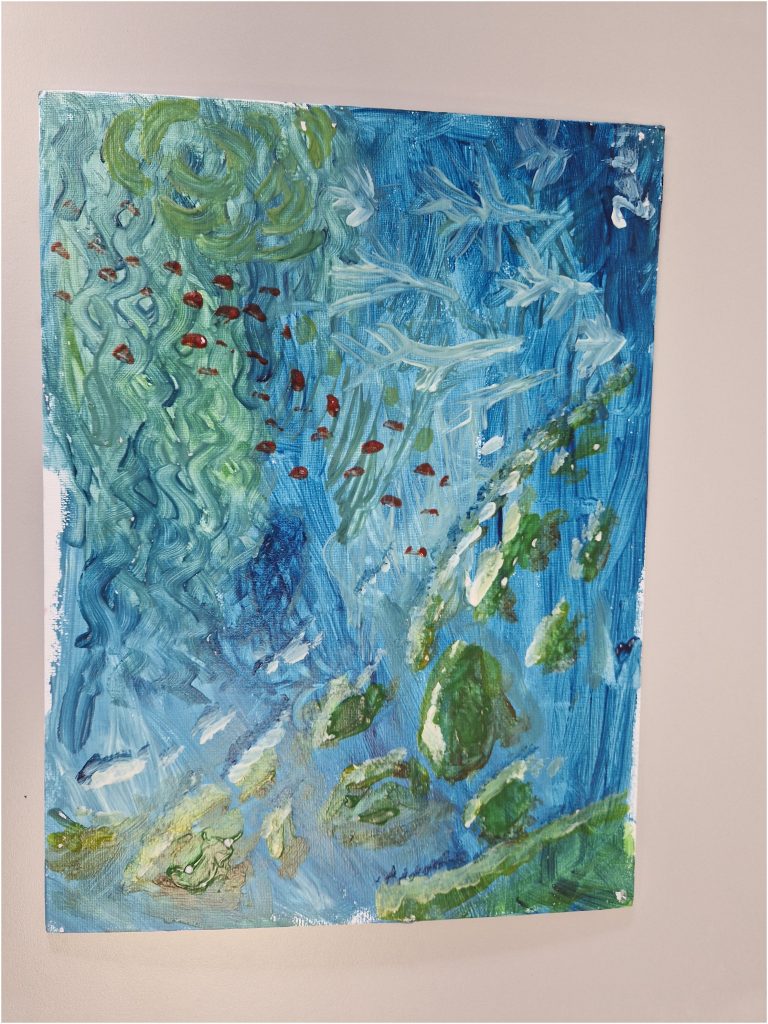
How Improvisation Affects Neuroplasticity
One of the most fascinating aspects of improvisation is its impact on brain development. Research in neuroscience has shown that engaging in creative and spontaneous activities can enhance neuroplasticity, which is the brain’s ability to reorganize itself by forming new neural connections. This adaptability is crucial, as it allows individuals to process information differently, think critically, and develop unique perspectives.
When people practice improvisation, they stimulate areas of the brain responsible for emotional regulation, problem-solving, and innovation. This cognitive flexibility is vital in today’s rapidly changing society, where adaptability is king. The emergence of remote work and digital collaboration tools, heightened by the global pandemic, underscores the importance of nurturing creativity that can pivot instantaneously in dynamic environments.
Strategies for Engaging in Improvisation
For those interested in exploring the art of improvisation, there are several practical strategies that can be implemented to enhance creativity. Here are a few key techniques:
- Practice Mindfulness: Being present in the moment allows for better observation and receptiveness to new ideas, a crucial element in improvisation. Mindfulness can improve focus, enabling individuals to respond rather than react.
- Engage in Play: Children naturally improvise through play, and adults can benefit from embracing similar techniques. Engaging in playful activities—be it through games, music, or writing—can stimulate a spontaneous mindset.
- Set Aside Judgment: The fear of making mistakes often stifles creativity. By relinquishing judgment during the creative process, individuals create an open space for ideas to flow freely, ensuring that even the wildest thoughts have a chance to manifest.
- Collaboration: Partnering with others can enhance the improvisational experience. Different perspectives can spark new ideas, and collective brainstorming often leads to solutions that one might not achieve alone.
Ultimately, integrating these approaches into daily life can help cultivate an improvisational mindset that enriches one’s creative toolbox. As individuals navigate through different aspects of life—whether personal, professional, or artistic—they can reap the benefits that accompany this liberating approach, leading to enriched experiences and newfound insights.
In the realm of creativity, improvisation acts as a powerful catalyst, sparking ideas and fostering innovation. It encourages individuals to step outside their comfort zones and draw upon their innate abilities to create something unique and unexpected. This spontaneous form of expression not only breaks down the barriers of conventional thinking but also enhances problem-solving skills across various disciplines.
One of the most profound psychological aspects of improvisation is its ability to promote flow—a state of complete immersion where time seems to dissolve, and productivity peaks. In this state, artists, musicians, and writers often find themselves effortlessly generating ideas and solutions that might not have been reachable through structured thought alone. Engaging in improvisation can also lead to increased confidence, enabling creators to trust their instincts and embrace the unpredictability of the creative process.
Moreover, the essence of improvisation lies in collaboration. It thrives in environments where individuals come together, exchanging ideas and building on each other’s contributions. This collective creative synergy not only leads to richer outcomes but also reinforces community bonds, making the creative journey enjoyable and inclusive.
The exploration of spontaneous creation opens doors to new perspectives and possibilities, encouraging individuals to take risks and view challenges as opportunities. Whether through art, music, dance, or writing, the practice of improvisation serves as a reminder that creativity is not just about perfection but is a journey filled with experimentation and discovery.
| Category 1 | Category 2 |
|---|---|
| Psychological Benefits | Fosters a sense of flow and boosts mental well-being. |
| Collaborative Creativity | Enhances outcomes through shared ideas and group dynamics. |
DIVE DEEPER: Click here to discover innovative art techniques
The Role of Improvisation in Diverse Domains
Improvisation is not confined to the realm of performance arts; its influence permeates various fields, revealing its versatility as a catalyst for creativity. In education, business, and even scientific research, the principles of spontaneous creation can elicit innovative thinking and problem-solving capabilities.
Improvisation in Education
In the educational sphere, improvisation serves as a transformative tool that empowers both teachers and students to engage in a dynamic learning process. Incorporating improvisational techniques in classroom settings encourages active participation and collaboration. For example, educators can implement theater games and storytelling exercises that prompt students to think on their feet, adapt to changing narratives, and collaborate in real-time. This approach not only fosters creativity but also enhances critical thinking and communication skills—qualities that are essential in today’s information-rich environment.
Several educational institutions across the United States are now integrating improvisational strategies into their curricula. Schools such as the School of Visual Arts in New York have embraced these methods, allowing students to explore their artistic voices while cultivating a culture of innovation and risk-taking. As students engage with improvisation, they learn to embrace ambiguity, develop resilience, and pursue ideas with unexpected directions—skills invaluable to their future endeavors.
Improvisation in Business
The business landscape has witnessed a significant shift towards embracing improvisation as a vital component of strategic planning and team dynamics. Companies like Google and NASA have adopted improvisational tools in their innovation processes, recognizing that fostering a culture of spontaneity can lead to groundbreaking ideas and solutions. In meetings and brainstorming sessions, leaders encourage team members to share ideas without preconditions, generating a wealth of creative perspectives.
Moreover, improvisational skills align seamlessly with agile methodologies. Agile practices emphasize iterative progress and adaptability—traits similar to those developed through improvisation. Businesses that implement these techniques are typically better equipped to pivot in response to market changes and client feedback, allowing for enhanced responsiveness and improved outcomes.
Improvisation in Scientific Research
Interestingly, improvisation also plays a pivotal role in the scientific community, fueling innovation and exploration in fields ranging from medicine to environmental science. The innovative breakthroughs often arise from researchers who are willing to consider unconventional approaches. During laboratory investigations, scientists frequently encounter unexpected challenges that require adaptable thinking and creative problem-solving. By embracing an improvisational mindset, they can hypothesize alternative solutions and pivot when required, leading to novel discoveries.
An example of this can be seen in the development of pandemic-related vaccines, where teams had to rapidly adapt and innovate under pressure. The collaboration and spontaneity exhibited by these scientists helped expedite the research process, illustrating how improvisational strategies can yield profound impacts even in high-stakes situations.
- Adaptability: Spontaneous decision-making enhances the ability to shift focus and strategize in real-time.
- Collaboration: Working together fosters creativity and innovation, leading to enriched ideas and processes.
- Enhanced Problem-Solving: Improvisation encourages out-of-the-box thinking, allowing for groundbreaking solutions to emerge.
Whether in classrooms, boardrooms, or laboratories, the multifaceted applications of improvisation illustrate its potential as a driving force for creativity across various domains. By embracing the art of improvisation, individuals and organizations alike can uncover new pathways for exploration, collaboration, and innovation.
DIVE DEEPER: Click here to uncover more about continuous learning
Conclusion
In reflecting on the significance of improvisation across various fields, it becomes evident that the art of spontaneous creation is more than just a technique; it is a vital component that nurtures a culture of creativity and innovation. From the collaborative classrooms that foster critical thinking to the dynamic workplaces where fresh ideas can flourish, improvisation dismantles the boundaries of traditional thinking. This fluidity is essential, especially in an era where rapid changes demand agility and adaptability.
The integration of improvisation in education, business, and scientific research showcases its profound impact on enhancing problem-solving skills, encouraging collaboration, and fostering an environment where new ideas can take root. As evidenced by pioneers like Google and NASA, embracing the unpredictable nature of spontaneity can lead organizations to unprecedented breakthroughs and solutions. In this context, individuals cultivate not just creativity but resilience—an indispensable trait in today’s complex landscape.
Ultimately, the exploration of the art of improvisation encourages us to challenge conventions and embrace the unexpected. As society continues to evolve, the capacity to improvise offers a pathway to innovation that can redefine our personal and professional lives. To further delve into this fascinating topic, one might explore improvisational workshops or engage with communities that prioritize spontaneous creativity, igniting a journey of discovery and insight that resonates across all domains.
Related posts:
Art as a Tool for Protest: Expressing Ideas and Causes Through Creativity
The Art of Dream: Exploring Creativity through Imagination and the Unconscious
The Intersection of Art and Nature: How Outdoor Artistic Exploration Inspires Creativity
Art and Community: Collaborative Projects that Transform Public Spaces
Unlock Personal Growth How Artistic Exploration Boosts Emotional Well-being
The Influence of Urban Spaces on Artistic Creation: How the Environment Shapes Creativity

Linda Carter is a writer and creative hobbies expert specializing in crafting, DIY projects, and artistic exploration. With extensive experience helping individuals discover their creative potential and bring their ideas to life, Linda shares her knowledge on our platform. Her goal is to empower readers with practical tips, inspiring ideas, and step-by-step strategies for success in the world of creative hobbies.