Exploring Cultural Art: How Traditions Influence Creativity
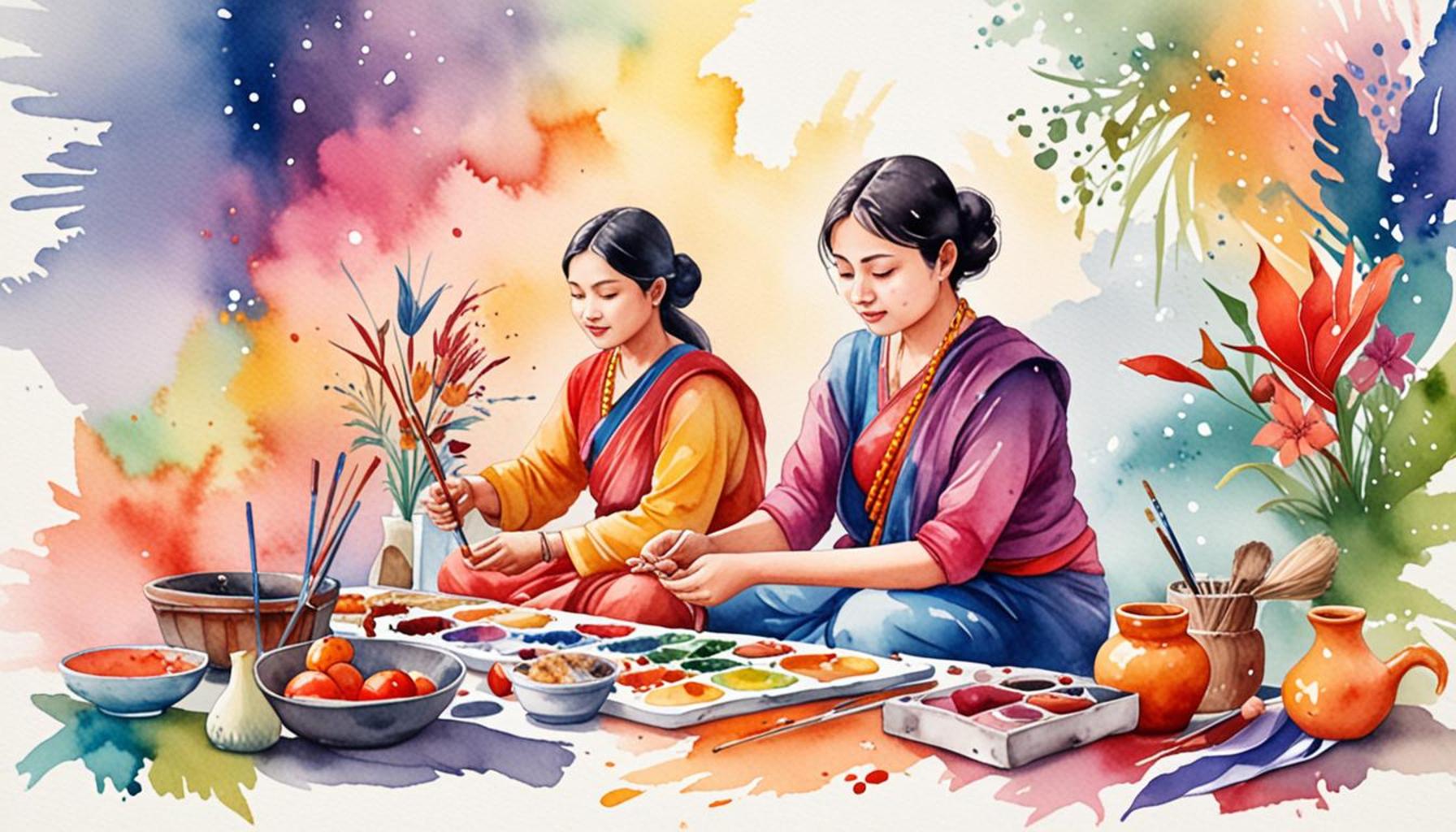
The Influence of Tradition on Artistic Expression
Cultural art acts as a bridge connecting the past with the present, intertwining historical narratives, religious beliefs, and diverse regional practices that showcase the richness of human expression. As communities evolve, so too does their artistic representation, which remains deeply rooted in traditional influences. Understanding how traditions influence creativity can provide profound insights into the myriad ways cultural experiences shape an artist’s identity and their work.
Different elements of culture significantly affect artistic expression, including:
- Historical events:
Art often reflects the significant events of a society. For example, the Harlem Renaissance of the 1920s was a pivotal period for African American artists, musicians, and writers, showcasing the vibrant cultural explosion that arose from a turbulent history of oppression. Artists like Jacob Lawrence and Aaron Douglas captured the essence of this movement, utilizing visual themes that celebrated Black identity and resilience.
- Religious beliefs:
Religious concepts can profoundly shape artistic styles and themes. Consider how the Renaissance period in Europe saw an influx of Christian-themed art. Iconic works, such as Michelangelo’s Sistine Chapel ceiling, illustrate how religious narratives inspired monumental creativity, fusing technical skill with spiritual reverence. In many Native American cultures, spiritual beliefs often manifest through intricate beadwork or pottery, which tells stories of creation and connection to the earth.
- Folk traditions:
Every culture has its folk traditions, passed down through generations and serving as a nurturing ground for creativity. Mexican folk art, for instance, is characterized by colorful imagery and vibrant patterns that represent the rich history and folklore of the region. Artists like Frida Kahlo drew on her cultural roots and personal experiences to create deeply emotive works that continue to inspire audiences today.
Moreover, traditions provide the essential framework for artistic development. These frameworks establish a basis for:
- Techniques and materials:
Artists often rely on techniques handed down through generations, such as the use of tempera paints in Byzantine art or the intricate methods of silk weaving in Asian cultures. These methods not only highlight artisanal skills but also preserve cultural heritage.
- Themes and narratives:
Art is a medium for storytelling, and many traditions inform the themes that artists explore. For example, the tales of Indigenous peoples are often reflected in their art, capturing the essence of their connection with nature and ancestral heritage.
- Artistic identity and expression:
Ultimately, traditions play a pivotal role in shaping an artist’s identity. The amalgamation of personal experiences with cultural background results in unique expressions that tell compelling stories. This intersection of tradition and innovation is a significant driving force in the world of creativity.
As we delve deeper into cultural art, it becomes increasingly clear that the rich bedrock of traditions serves as a catalyst for innovative expression. By exploring diverse artistic landscapes across the globe, we can uncover how the legacies of the past continue to inspire contemporary artists and foster a deeper appreciation of the vibrant cultures that enrich our world.
DIVE DEEPER: Click here to discover how art and nature intertwine
Cultural Symbols and Artistic Innovation
Art is universally acknowledged as a language of emotion and expression, but it is the cultural symbols embedded within that add layers of meaning to creativity. These symbols serve as visual metaphors, offering insights into the values, beliefs, and histories of societies. The integration of cultural symbols into artistic production not only preserves the essence of a community’s heritage but also reinterprets it through a contemporary lens.
For instance, consider the iconic motifs found in Indigenous art forms across the United States. Symbols such as the eagle or the bear evoke strength and connection to nature, often reflecting the deeper philosophical beliefs of the tribes. Artists like Kelly Church, a member of the Odawa tribe, employ traditional techniques such as black ash basket weaving to weave narratives that resonate with both historical significance and modern issues. Her work exemplifies how cultural symbols play an essential role in re-envisioning tradition while addressing contemporary themes.
- Cultural Revitalization:
In many cases, artists actively engage in cultural revitalization by reviving traditional practices that may have waned. This resurgence promotes an appreciation for heritage while allowing artists to express their individuality. For example, Pacific Islander artists often incorporate ancestral patterns and stories into their work, breathing new life into textiles and ceramics while addressing current environmental and social issues.
- Cross-Cultural Influences:
Art does not exist in isolation; rather, it thrives on cross-cultural influences. As globalization accelerates cultural exchange, artists continuously draw inspiration from diverse traditions. The melding of techniques and ideas can result in innovative art forms that celebrate cultural diversity while maintaining connections to their roots. The vibrant street art scene in urban centers like Los Angeles often reflects this blend, showcasing murals that honor both local traditions and international influences from Latino to Asian cultures, thus reinforcing the narrative that creativity knows no boundaries.
- Cultural Narratives as Frameworks:
When exploring the interconnectedness of cultural narratives and artistic expression, it becomes apparent that storytelling is a fundamental component of art. For example, Native American powwows combine dance, music, and visual art to convey histories and legends that have been passed down through generations. These communal events not only enhance communal identity but also foster a sense of belonging and cultural pride.
The influence of tradition on art extends beyond aesthetics, deeply intertwining with the artists’ intent and audience reception. By exploring how cultural symbols, revitalization efforts, cross-cultural exchanges, and storytelling practices shape creative expression, we can appreciate the dynamic interplay between tradition and innovation. Ultimately, traditions serve not just as a backdrop for creativity, but as a driving force that challenges artists to redefine their narratives while honoring their ancestral practices.
| Category | Description |
|---|---|
| Cultural Symbolism | Traditions often embody symbolic meaning that artists creatively reinterpret, adding depth to their work. |
| Diversity of Techniques | Cultural practices introduce a myriad of techniques and materials, broadening creative approaches and influencing contemporary art. |
As the interaction between tradition and creativity unfolds, artistic expressions can emerge that challenge modern conventions. Ethnic music, for instance, plays an integral role in shaping emotional landscapes across various artistic mediums. Whether through dance, mural painting, or sculpture, the rhythms and patterns of cultural practices inspire a dialogue with the past while fueling innovation. Examining how folklore impacts storytelling can lead to a richer understanding of narrative structures and character development in art. Additionally, artists often incorporate traditional themes into their work, which invites viewers to reflect on their cultural identities and values. As such, these practices do not merely influence individual creativity but forge communal connections that resonate across generations, amplifying the significance of heritage in the contemporary art scene. In this complex tapestry, each thread represents an exchange of ideas, proving that traditions do not bind creativity but rather enhance its expression, fostering a continuous journey of exploration and inspiration.
DISCOVER MORE: Click here to enhance your journey
Tradition as a Catalyst for New Artistic Directions
The influence of tradition extends beyond mere representation, acting as a catalyst for new artistic directions. Artists often reinterpret their cultural heritage in ways that resonate with contemporary audiences, thereby forging a path toward innovation. This transformation can be seen vividly in the works of contemporary African American artists who draw from their roots while also grappling with modern social issues. Take the work of Kehinde Wiley, for example, whose portraits merge classical European styles with the representation of Black individuals, allowing him to challenge dominant historical narratives and add depth to discussions around identity and race.
Moreover, the intersection of technology and tradition is another area where creativity is thriving. Digital artists are leveraging traditional motifs and techniques, translating them into virtual realms. The rise of platforms such as Instagram has provided artists a global stage to showcase multimedia interpretations of their cultural heritages. Notably, artists like Shantell Martin have gained popularity by blending her black-and-white line drawings with interactive installations that engage viewers. This blending of art forms illustrates how tradition can adapt to and be enhanced through modern technology, inviting audiences to reconsider the role of cultural art in a digital age.
- Participation and Community Engagement:
The role of participation and community engagement in cultural art cannot be understated. Artmaking is often a collective effort that encourages collaboration among community members. Programs across the United States, such as the Community Arts Program in San Francisco, gather diverse voices to create murals that tell local stories and reflect community concerns. These collaborative efforts highlight the importance of shared narratives in forging cultural identity and foster a sense of belonging. Cities hosting public art projects provide a canvas for local artists to celebrate their heritages while simultaneously grappling with the current socio-political landscape.
- Art as a Reflection of Societal Changes:
Art also serves as a reflection of societal changes, demonstrating how traditions can influence and adapt to new contexts. During moments of social upheaval, artists may draw from traditional methods, themes, and symbols to craft messages that resonate with the zeitgeist. For instance, the resistance art prevalent in the United States during the civil rights movement employed symbols deeply rooted in African American culture, yet conveyed urgent calls for social justice and equality. Artists like Charles White illustrated the struggles of African Americans while grounded in the aesthetics of traditional painting techniques, showing how cultural art can serve as a powerful vehicle for activism.
Furthermore, artists of immigrant backgrounds often face the challenge of incorporating their cultural heritage into their work while navigating their identities in a new landscape. In doing so, they create unique intersections of various cultural influences, highlighting the richness of multicultural experiences. Take the work of Shahzia Sikander, a Pakistani-American artist, whose paintings and animations fuse traditional South Asian artistic styles with contemporary themes, addressing issues such as migration, identity, and freedom. This cultural juxtaposition not only celebrates her heritage but also invites dialogue on broader themes that transcend geographical boundaries.
By examining how various elements—including community engagement, technological advancements, and societal changes—inform and reframe cultural art, we see how profound the influence of tradition can be. This eternal interplay between past and present empowers artists to cultivate new languages of expression that articulate both personal and collective experiences, ultimately enriching the tapestry of cultural art.
DIVE DEEPER: Click here to uncover more insights
Conclusion: The Ever-Evolving Dialogue of Tradition and Innovation
Cultural art serves as a dynamic canvas, vividly illustrating the interplay between tradition and creativity. As artists draw from their cultural roots, they not only honor their heritage but also breathe new life into it through innovative explorations. From the powerful narratives represented in contemporary African American art to the seamless fusion of traditional methods with modern technology, we observe how traditions can shape and propel creative expression in intriguing ways.
The role of community engagement cannot be overlooked; it enriches the art-making process, fostering collaboration that reflects collective identities and concerns. As public art projects gain momentum, they create opportunities for marginalized voices to resonate within contemporary dialogues. Furthermore, the adaptability of art in response to societal changes highlights its significance as a tool for activism, enabling artists to communicate pressing issues through culturally rooted perspectives.
Ultimately, the influence of tradition in cultural art is both profound and transformative. It equips artists with a unique lens to interpret their world, bridging gaps between the past and the present. As we continue to explore this vibrant intersection, we are invited to appreciate the rich tapestry of human expression—a tapestry woven with threads of history, community, and unbounded creativity. Thus, the ongoing dialogue of cultural art reminds us of our shared humanity and the unyielding power of art to inspire and provoke thought across generations.
Related posts:
The Connection Between Art and Nature: Creative Outdoor Projects
The Influence of Music on Artistic Creation: Synchronizing Sounds and Colors
The Influence of Abstract Art on Personal Creativity Development
The Influence of Abstract Art on Personal and Emotional Expression
The Redefinition of Beauty: Artistic Movements that Challenge Traditional Aesthetic Standards
The Intersection of Art and Nature: How Outdoor Artistic Exploration Inspires Creativity

Linda Carter is a writer and creative hobbies expert specializing in crafting, DIY projects, and artistic exploration. With extensive experience helping individuals discover their creative potential and bring their ideas to life, Linda shares her knowledge on our platform. Her goal is to empower readers with practical tips, inspiring ideas, and step-by-step strategies for success in the world of creative hobbies.