The Journey of Self-Discovery Through Art: Uncovering Creative Identity
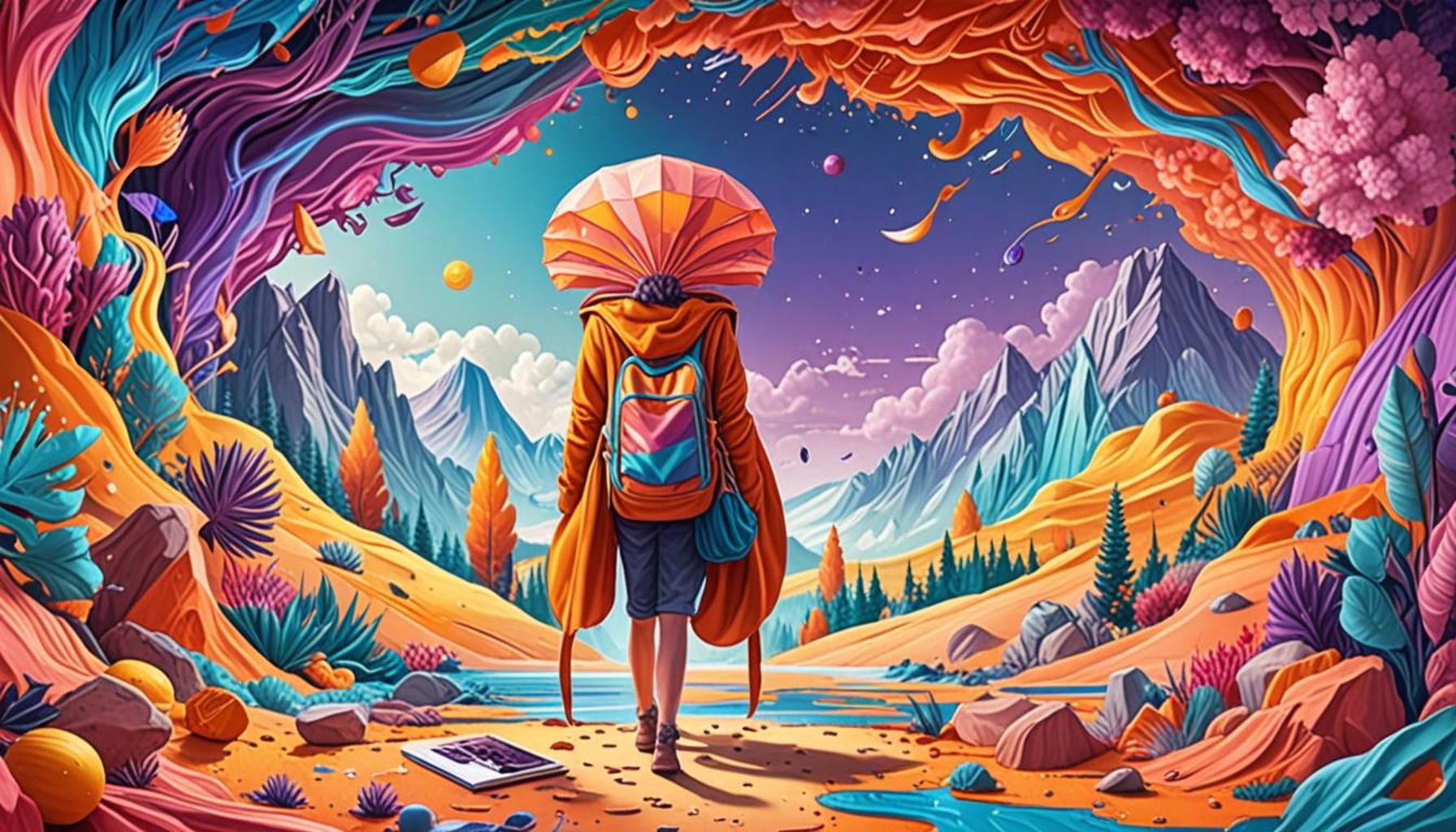
Art as a Catalyst for Self-Discovery
Art provides a unique gateway to self-discovery, allowing individuals to explore their innermost thoughts and feelings. Through various artistic mediums, people can express themselves in ways that words often fail to convey. For many, art becomes a mirror reflecting their identities, values, and experiences. This creative journey not only unravels hidden aspects of one’s character but also fosters a deeper connection with oneself, paving the way for self-acceptance and growth.
The Power of Artistic Mediums
Engaging with different forms of art can reveal personal truths and create a clearer image of who we are. The choice of medium often dictates the mode of expression. Some popular artistic mediums include:
- Painting – The act of putting brush to canvas can be a therapeutic release. Many artists, like Georgia O’Keeffe and Jackson Pollock, used their chosen medium to explore their emotions and convey their perspectives on the world. Even for amateurs, experimenting with colors and techniques can lead to revelations about personal feelings and beliefs.
- Dance – Expressive movement allows emotions to flow through the body. Styles ranging from ballet to hip hop provide diverse means of conveying joy, sadness, or anger. Dance and movement therapy are increasingly recognized for their ability to help individuals tap into their emotional states and find solace in physical expression.
- Writing – Crafting stories or poetry can articulate complex feelings. Many renowned writers, such as Maya Angelou and Rainer Maria Rilke, drew upon their personal experiences, channeling them into powerful narratives that resonate universally. Journaling, a common practice, serves as a private means of self-reflection and emotional processing.
Benefits Beyond Self-Expression
Embarking on a creative journey extends beyond just finding your voice. The benefits encompass various aspects of personal and communal development:
- Enhanced Critical Thinking – Art encourages innovative problem-solving. Engaging in creative processes allows individuals to think outside the box, a skill transferable to daily challenges and decision-making.
- Improved Emotional Health – Art can serve as a cathartic outlet. Studies have shown that engaging in creative activities can reduce stress, anxiety, and depression while promoting overall well-being. Creating art fosters mindfulness, helping individuals stay present and engaged in the moment.
- Cultural Connection – Exploring history and other cultures enhances personal growth. Through art, we gain insights into diverse lifestyles and philosophies, fostering empathy and understanding. This connection can bridge gaps between communities, enriching the fabric of society.
As each brushstroke or word unfolds, the process of creating art uncovers layers of our creative identity. It challenges us to face our fears, articulate our dreams, and envision new possibilities. Join us as we delve deeper into how art stimulates the journey of self-discovery, opening doors to the unlimited aspects of who we truly are. By engaging with the arts, we not only find ourselves but also contribute to a richer cultural tapestry that celebrates the myriad experiences and perspectives that make us uniquely human.
DISCOVER MORE: Click here to learn about the art of storytelling
Exploring Artistic Pathways to Identity
The journey of self-discovery through art begins with understanding how creativity can reshape our perception of self. Engaging with art enables individuals to delve into their subconscious, accessing feelings and ideas that have remained dormant. This exploration is not just a personal affair; it invites a wider examination of one’s cultural background, relationships, and individual experiences. As we immerse ourselves in various forms of artistic expression, we are often met with profound realizations about who we are and what we value.
How Art Reveals Inner Truths
Art acts as a conduit for showcasing our inner world. The mere act of engaging in creative processes can provoke thoughts and emotions we might consciously overlook. Some key ways in which art illuminates our identities include:
- Symbolism and Interpretation – The tools and symbols we choose to incorporate into our art can reveal much about our beliefs and experiences. For example, using colors to express emotions can lead to a deeper understanding of how we relate to certain feelings psychologically.
- Personal Narratives – Through storytelling, whether in visual arts, writing, or performance, we can articulate personal truths. Creative narrative often highlights our struggles, aspirations, and victories, forming a compelling tapestry that tells the story of our lives.
- Feedback and Reflection – Sharing our work with others can enhance self-awareness. Feedback from peers or mentors can provide an outside perspective that may help affirm or challenge our understanding of ourselves.
Notably, many artists find their creative identity evolving over time, shaped by their experiences and the world around them. For instance, the renowned street artist Banksy uses graffiti to comment on societal issues, intricately linking his artistic identity to his perspectives on culture and political landscapes. This approach speaks to a larger truth about how art can serve as a platform for dialogue and self-exploration.
Artistic Exploration in Various Forms
The diverse scope of artistic mediums allows for unique avenues to self-discovery, each offering different avenues for connection and expression. Whether it’s through the calming strokes of a paintbrush or the rhythm of a dance, each medium can unlock different facets of our identity:
- Photography – Capturing moments through a lens offers a reflective method to examine our perspectives on life. Photographers often reveal not only the world surrounding them but also their inner thoughts and values through the subjects they choose to explore.
- Music – Writing songs or playing an instrument allows expression of complex emotions in a relatable manner. Artists like Taylor Swift often highlight personal experiences, translating emotions into lyrics that resonate with a wide audience, illustrating the power of music as a vehicle for self-exploration.
- Crafting – Engaging in hands-on activities such as pottery or jewelry-making enables individuals to connect with their tactile senses, providing a meditative experience that can lead to deeper introspection.
In essence, art does not merely reflect our identities; it actively shapes them. As we explore various artistic pathways, we cultivate an understanding of our creative identity, which is a dynamic and evolving entity. Each interaction with art propels us further along the journey of self-discovery, challenging preconceived notions and inviting new perspectives into our lives.
As we delve deeper into the journey of self-discovery through art, it becomes evident that engaging with creativity offers transformative benefits beyond mere expression. Art serves as a mirror reflecting our inner truths, allowing individuals to confront their emotions, beliefs, and experiences. This reflective aspect encourages artists to explore their creative identity, fostering a profound sense of understanding and acceptance. Each brushstroke or written word unveils fragments of the self, often leading to enlightening discoveries that can reshape one’s life.
Additionally, art therapy has gained traction in psychological circles, demonstrating its efficacy in addressing issues like anxiety and depression. By channeling feelings into artistic mediums, individuals can process emotions in a constructive way, leading to improved mental well-being. The act of creating not only serves as a therapeutic outlet but also cultivates a deeper connection to one’s authentic self.
Moreover, the collaborative aspect of art cannot be overlooked. Participating in workshops or group projects allows individuals to share their journeys, learn from others, and build a supportive community. This sense of belonging nurtures confidence, encouraging even the most hesitant creators to take part in the expressive process. Ultimately, the journey of self-discovery through art is not just about individual exploration; it’s about connecting with others who are navigating similar paths.
| Category | Description |
|---|---|
| Creative Reflection | Art reflects inner truths, aiding in personal understanding. |
| Emotional Processing | Creating art provides a therapeutic means to handle emotions. |
| Community Engagement | Sharing creative processes fosters a sense of belonging and support. |
This intricate web of self-exploration, emotional healing, and communal engagement underscores the transformative potential of art in the journey toward understanding one’s creative identity. With every piece created and every emotion explored, we move closer to uncovering the essence of who we truly are.
DISCOVER MORE: Click here to learn how abstract art can boost your creativity
Harnessing Art for Healing and Growth
The integration of art into the process of self-discovery extends beyond mere expression; it often serves as a profound tool for healing and personal growth. Numerous studies highlight the therapeutic benefits of creative engagement, suggesting that creating art can alleviate symptoms of anxiety, depression, and stress. Art therapy, in particular, has gained recognition for its ability to foster emotional release and promote mental well-being, guiding individuals towards a deeper understanding of their emotional landscape.
The Therapeutic Power of Art
Art therapy utilizes various artistic methods to facilitate emotional processing and resilience. Practitioners emphasize that the act of creating is not limited to one’s skill level, but rather focuses on the individual’s feelings and thoughts during the creative process. Some significant ways that art therapy aids in self-discovery include:
- Creating Safe Spaces – Art provides a non-verbal mode of communication, allowing individuals to express complex emotions safely. By creating a piece of art, one can articulate fears or desires that may otherwise remain unspoken.
- Visualization of Internal Conflicts – Through artistic representation, individuals can externalize their struggles, providing clarity and insight. Creating visual metaphors can illuminate paths toward resolution.
- Mindfulness and Presence – The act of creating art encourages mindfulness, inviting individuals to immerse themselves fully in the moment. This focus can lead to a deeper connection with oneself and an opportunity for introspection.
For many, employing art as a tool for self-discovery has led to transformative experiences. Consider the work of Frida Kahlo, whose paintings reflect her inner struggles and cultural identity. In her iconic self-portraits, Kahlo grapples with pain, identity, and resilience, creating a lasting legacy that celebrates the healing power of art.
Community and Collaborative Art Experiences
Self-discovery often flourishes in community settings, where collaborative art projects enable shared exploration of identity. These initiatives can reduce feelings of isolation, building connections through collective creativity. Community art programs, such as mural projects or collaborative installations, foster dialogue and storytelling among participants. These experiences not only cultivate a sense of belonging but also amplify the narrative of identity through shared voices.
- Public Murals – Engaging in large-scale community murals enables individuals to contribute their stories visually. The experience of collaborating on a public piece fosters connections, as community members come together to discuss themes of shared identity.
- Theater and Performance – Participating in community theater offers space for individuals to express their cultural heritage and personal journeys through character portrayal. This immersion can provoke self-reflection, encouraging actors to confront their personal narratives.
- Workshops and Art Classes – Open art workshops create an inclusive environment for exploration and skill development. By providing guidance and a platform for creativity, participants often discover hidden talents and personal strengths.
Ultimately, the journey of self-discovery through art reveals the intertwined nature of creativity and identity. As individuals explore artistic forms and engage with communal experiences, they gain insights that not only foster personal growth but also enrich the collective narrative of their communities. The journey of personal exploration through creativity continues to evolve, inviting individuals to embrace their multifaceted identities within the vibrant tapestry of artistic expression.
DIVE DEEPER: Click here to unlock your potential
Conclusion: Embracing the Artistic Journey of Identity
The journey of self-discovery through art is a rich and transformative experience that transcends mere creation. As we engage with various artistic forms, we unlock pathways to uncover our creative identity and gain insights into our emotional landscapes. Art allows individuals to articulate complex emotions, offers a sanctuary for self-reflection, and cultivates resilience in the face of life’s adversities. The healing power of artistic expression cannot be overstated, as it serves to alleviate mental health challenges and foster greater self-awareness.
Moreover, the collaborative nature of community art projects amplifies this journey, reinforcing connections and shared narratives among participants. Through public murals, theater productions, and inclusive workshops, individuals not only express their unique identities but also find solidarity in the stories of others. This communal exploration encourages a sense of belonging and reaffirms the importance of creativity in our lives.
As we continue to navigate the multifaceted dimensions of our identities, the question remains: how will you embrace your creative journey? Will you pick up a brush, pen, or instrument to explore the depths within you? The possibilities are endless, and with each stroke, note, or narrative, we can further unravel the intricate tapestry of who we are. By leveraging art as a powerful tool for self-discovery, we not only enrich our own lives but also contribute to a broader cultural dialogue that celebrates the beauty and diversity of the human experience.
Related posts:
Exploring Cultural Art: How Traditions Influence Creativity
The Art of Dream: Exploring Creativity through Imagination and the Unconscious
Explore Art Innovatively Blend Traditional Digital Techniques
The Role of Art in Therapy and Personal Well-Being
The Redefinition of Beauty: Artistic Movements that Challenge Traditional Aesthetic Standards
The Influence of Abstract Art on Personal and Emotional Expression

Linda Carter is a writer and creative hobbies expert specializing in crafting, DIY projects, and artistic exploration. With extensive experience helping individuals discover their creative potential and bring their ideas to life, Linda shares her knowledge on our platform. Her goal is to empower readers with practical tips, inspiring ideas, and step-by-step strategies for success in the world of creative hobbies.