The Intersection of Technology and Art: New Frontiers in Artistic Creation
The Impact of Technology on Artistic Expression
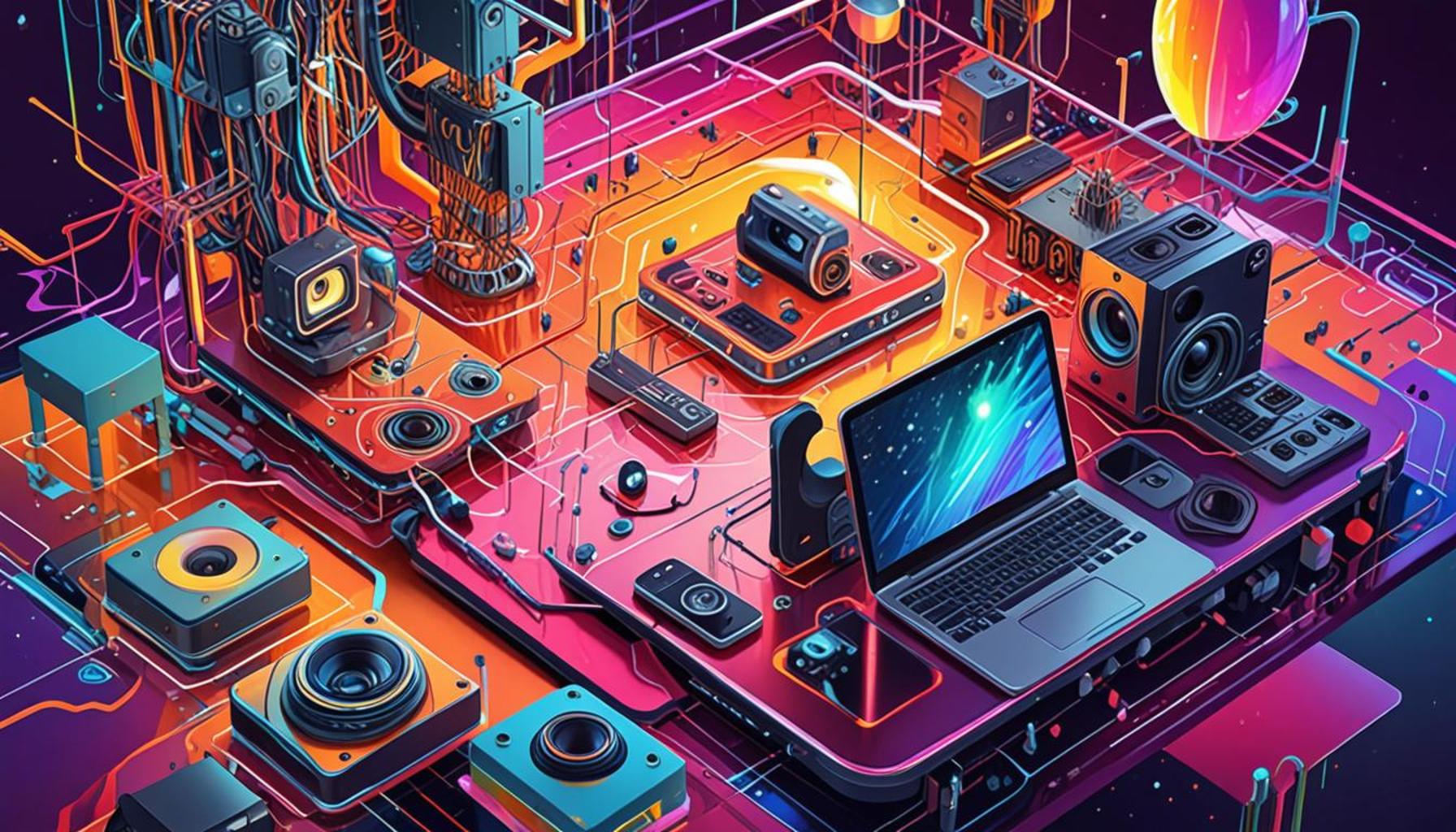
The integration of technology into the realm of art is reshaping creative practices and re-defining what it means to be an artist in the modern world. This fusion goes beyond simple novelty; it signals a fundamental transformation of the creative landscape. As artists leverage cutting-edge tools and innovative techniques, they push the boundaries of artistic expression, crafting experiences that were once unimaginable.
One of the most significant avenues of this evolution is through digital art. Artists are embracing software like Adobe Creative Cloud and Procreate, which allow for the manipulation of images and the creation of breathtaking visual compositions. This medium not only permits the layering of elements but also provides an expansive palette of colors and textures that traditional methods may restrict. For instance, the rise of NFT (Non-Fungible Token) art has amplified the visibility of digital artists, allowing their works to monetize in ways that were inconceivable in the traditional art marketplace.
Equally revolutionary is the advent of Virtual Reality (VR). Artists and curators are now constructing immersive environments that invite audiences to engage with their work in multi-dimensional ways. For example, museums like the Museum of Modern Art in New York have begun to incorporate VR experiences, enabling viewers to step inside a digitally reconstructed version of Van Gogh’s “Starry Night.” These immersive experiences deepen the emotional connection between the viewer and the artwork, raising the bar for engagement.
Moreover, the influence of Artificial Intelligence (AI) cannot be overlooked. AI algorithms, such as those developed by Google’s DeepDream and the Artbreeder platform, challenge traditional notions of creativity. These programs analyze existing artworks and generate unique pieces based on learned patterns and styles, leading to thought-provoking discussions surrounding authorship. If a machine can create art, what does that mean for human artists? This question becomes particularly relevant as more creators begin to collaborate with AI, thus redefining their role in the creative process.
This ongoing transformation ignites crucial conversations regarding authenticity, originality, and the very essence of artistic intent. Can art created by algorithms be considered authentic, or does it lack the deep emotional resonance found in human-made works? As we delve deeper into these subjects, we will uncover not only the innovations but also the ethical and philosophical challenges that come with them, influencing the artistic landscape both in the United States and across the globe.
Stay with us on this journey as we explore these diverse dimensions of the technology-art interplay, shedding light on the fascinating new frontiers that are continuously emerging in the world of creativity.
DISCOVER MORE: Click here to uncover the magic of visual storytelling
Exploring Digital Art and Its Boundless Possibilities
As technology becomes increasingly entwined with artistic endeavors, digital art stands at the forefront of this revolution. With the advent of advanced software and high-performance hardware, artists have discovered tools that not only enhance their creative process but also expand the very definition of art itself. Through digital platforms, the possibilities for artistic expression are virtually limitless, enabling creators to manipulate visuals in ways that were once confined to dreams.
The rapid growth of digital painting, 3D modeling, and animation is illustrative of this dynamic trend. For example, programs like Blender and Autodesk Maya allow artists to design intricate 3D worlds and characters, bringing their imaginative visions to life. Meanwhile, platforms such as Photoshop and Corel Painter empower visual artists to produce stunning illustrations with precision and versatility. As a result, the lines that separate traditional mediums from digital ones are becoming increasingly blurred, as artists skillfully traverse both realms.
The Role of Online Communities and Marketplaces
The rise of digital art has also facilitated the emergence of robust online communities and marketplaces. Artists are no longer limited to local galleries or print shops for exposure; they can showcase their works to a global audience through platforms like Instagram, ArtStation, and DeviantArt. This democratization of art allows creators to gain recognition and build a following regardless of geographical constraints, fostering collaboration and discourse among diverse voices in the art world.
Moreover, the integration of e-commerce into the art sphere is transforming how art is bought and sold. Digital artists can now sell their works as printable files, digital downloads, or even physical merchandise like apparel and home decor. This shift is reflected in the increasing popularity of platforms such as Etsy and Redbubble, where independent artists can profit from their craft without relying on traditional gatekeepers.
- Emerging Platforms: The introduction of marketplaces specifically designed for digital art, such as Nifty Gateway and SuperRare, has revolutionized how art collectors and investors approach purchases.
- Increased Accessibility: Digital art allows creators from varied backgrounds and locations to share their work, thus enriching the art community with diverse perspectives.
- Collaborative Projects: Online platforms have opened doors for artists to collaborate on projects, often merging different styles and techniques to create innovative pieces.
As these digital avenues proliferate, they challenge traditional assumptions about art’s physicality and ownership, pushing the boundaries of creative practices to new extremes. With the advent of digital tools, the artist’s studio can now exist anywhere—from a bustling café to a quiet home office—where anyone with a computer and an idea can participate in this vast and evolving landscape.
In the next section, we will delve into the innovative impact of virtual reality and explore how it is reshaping the way audiences perceive and engage with art, further blurring the lines between creator and observer.
| Category | Key Benefits |
|---|---|
| Digital Art Innovation | Emergence of tools like Procreate and Adobe Fresco allows artists to experiment without limits. |
| Interactive Installations | Visitors engage in artwork, pushing the envelope of traditional experience. |
| Augmented Reality | Digital layers added to physical spaces expand artistic expression and audience reach. |
| AI-Driven Creativity | Artists collaborate with AI to explore new dimensions of creativity, resulting in unique forms. |
In this era of innovation where technology meets artistic creation, we are witnessing a transformation that redefines the boundaries of creative expression. One of the most compelling advancements is digital art innovation, which serves as a groundbreaking canvas for artists to explore advanced tools like Procreate and Adobe Fresco. These applications not only facilitate swift experimentation and adaptation but also open new avenues for creativity by allowing unlimited revisions and alterations.Moreover, the rise of interactive installations is reshaping audience engagement with art. Visitors are no longer passive observers; they become active participants, enhancing their sensory experience and fostering a deeper connection with the artwork. This immersive relationship transcends traditional exhibition formats, inviting audiences to explore the artwork’s intricacies firsthand.Furthermore, the integration of augmented reality into artistic endeavors extends the scope of visual art by layering digital elements over physical surroundings. Artists are using AR to produce interactive experiences that challenge perceptions and encourage viewers to interact with their environment in innovative ways.At the cutting edge of this synergy between technology and art lies AI-driven creativity. This fascinating collaboration between artists and artificial intelligence leads to the generation of unique creations that could not have been conceived by human artists alone. As AI analyzes vast datasets of existing artwork, it can inspire new ideas, styles, and forms, broadening the definition of creativity itself.This vibrant confluence of technology and art signifies an exciting era of artistic expression where boundaries are continually pushed, and new frontiers are explored. Each innovation invites deeper consideration of not just how art is created, but also what art can become in the future.
DISCOVER MORE: Click here to learn about cultural diversity through dance
The Transformative Influence of Virtual and Augmented Reality
The incorporation of virtual reality (VR) and augmented reality (AR) into the art world represents a groundbreaking shift in how art is created, experienced, and understood. These immersive technologies not only allow artists to craft entirely new environments but also facilitate a richer interaction between the viewer and the artwork itself. Emerging as a tool for innovative expression, VR and AR are redefining what it means to experience art on a fundamental level.
For instance, VR exhibits, such as those presented by the Museum of Other Realities, allow users to step inside 3D worlds designed by artists, abandoning the traditional boundaries of gallery walls. In this space, participants can explore vast landscapes, interact with digital sculptures, and even collaborate with others from around the world—all from the comfort of their home. This not only democratizes access to art but also challenges the physicality that has historically defined the medium.
Reimagining Audience Engagement
AR takes engagement even further by blending digital elements with the physical world. Using smartphone apps or AR glasses, users can view art in their surroundings, incorporating animated features or information layers that deepen their understanding of a piece. Artists like Kara Walker have utilized AR to enhance their installations by providing contextual commentary that adds depth and narrative. This blending of realities invites audiences to become dynamic participants rather than passive observers, creating a dialogue that transcends traditional viewing experiences.
- Experiential Art Installations: Popular events like the Van Gogh Immersive Experience employ VR and AR technologies to project the artist’s vivid landscapes and portraits onto expansive screens, immersing viewers in a spectacle that brings the art to life and encourages a visceral response.
- Interactive Storytelling: Artists are leveraging AR to create interactive narratives where the audience can influence the storyline or uncover hidden layers of meaning in a work, fostering a more personal connection that resonates on an emotional level.
- Accessibility and Inclusion: By making art experiences available to those who may not be able to visit physical galleries, VR and AR technologies are bridging geographic and cultural divides, democratizing art access for diverse populations.
Moreover, as industries like gaming and entertainment delve deeper into virtual realities, the artistic possibilities continue to expand. Collaborations with video game designers, animators, and app developers are fostering a hybrid of art forms that push the boundaries of creativity into uncharted territories. For example, artists are now exploring the integration of blockchain technology through non-fungible tokens (NFTs), which provide an avenue for digital artists to exhibit, sell, and safeguard their work in a unique way.
As the intersection of technology and art unfolds, we participate in a cultural evolution that hints at the emergence of a new art renaissance. Virtual and augmented realities are not merely tools; they represent a profound shift in artistic creation and audience engagement, ultimately enriching the art landscape as we know it. The fusion of immersive technologies with artistic practice invites us to question the nature of creativity and the role of technology as both a medium and a catalyst for innovation.
DISCOVER MORE: Click here to transform your space
Embracing the Future of Artistic Innovation
As we stand on the cusp of an artistic revolution, the convergence of technology and art presents a captivating exploration of new frontiers in creative expression. Through innovative mediums such as virtual reality, augmented reality, and even blockchain technology, artists are breaking traditional barriers and redefining audience engagement. The emergence of immersive experiences invites viewers to become active participants in the narrative, thus enhancing their emotional connection to the art itself.
Furthermore, the democratization of art access through these technologies paves the way for diverse populations, enriching the global art discourse. Whether through virtual exhibits like the Museum of Other Realities or interactive installations that transcend geographic distances, the limitations of the past are quickly dissipating. Artists are not only embracing these technological advancements but are also challenging their own creativity to respond to the ever-evolving landscape of artistic creation.
This intersection of technology and art encourages us to reexamine our understanding of creativity, community, and culture in our digital age. As we continue to navigate this exciting terrain, it is essential for both artists and audiences to remain open-minded and curious. By embracing emerging technologies, we can anticipate a future rich with dynamic possibilities, artistic collaborations, and an enhanced appreciation for the transformative power of art.
In conclusion, the synergy between technology and art marks a thrilling era that is reshaping our cultural fabric—inviting everyone to participate in a conversation that has just begun. Whether you are an artist, a tech enthusiast, or a curious observer, the unfolding chapters of this relationship promise to inspire and propel us toward uncharted creative horizons.
Related posts:
The Role of Art in Therapy and Personal Well-Being
The Art of Dream: Exploring Creativity through Imagination and the Unconscious
The Intersection of Art and Nature: How Outdoor Artistic Exploration Inspires Creativity
The Influence of Abstract Art on Personal and Emotional Expression
The Art of Improvisation: How Spontaneous Creation Can Stimulate Creativity
Art as a Tool for Protest: Expressing Ideas and Causes Through Creativity
Linda Carter is a writer and creative hobbies expert specializing in crafting, DIY projects, and artistic exploration. With extensive experience helping individuals discover their creative potential and bring their ideas to life, Linda shares her knowledge on our platform. Her goal is to empower readers with practical tips, inspiring ideas, and step-by-step strategies for success in the world of creative hobbies.