International Cuisine: Learning About Cultures and Developing Experimentation Skills
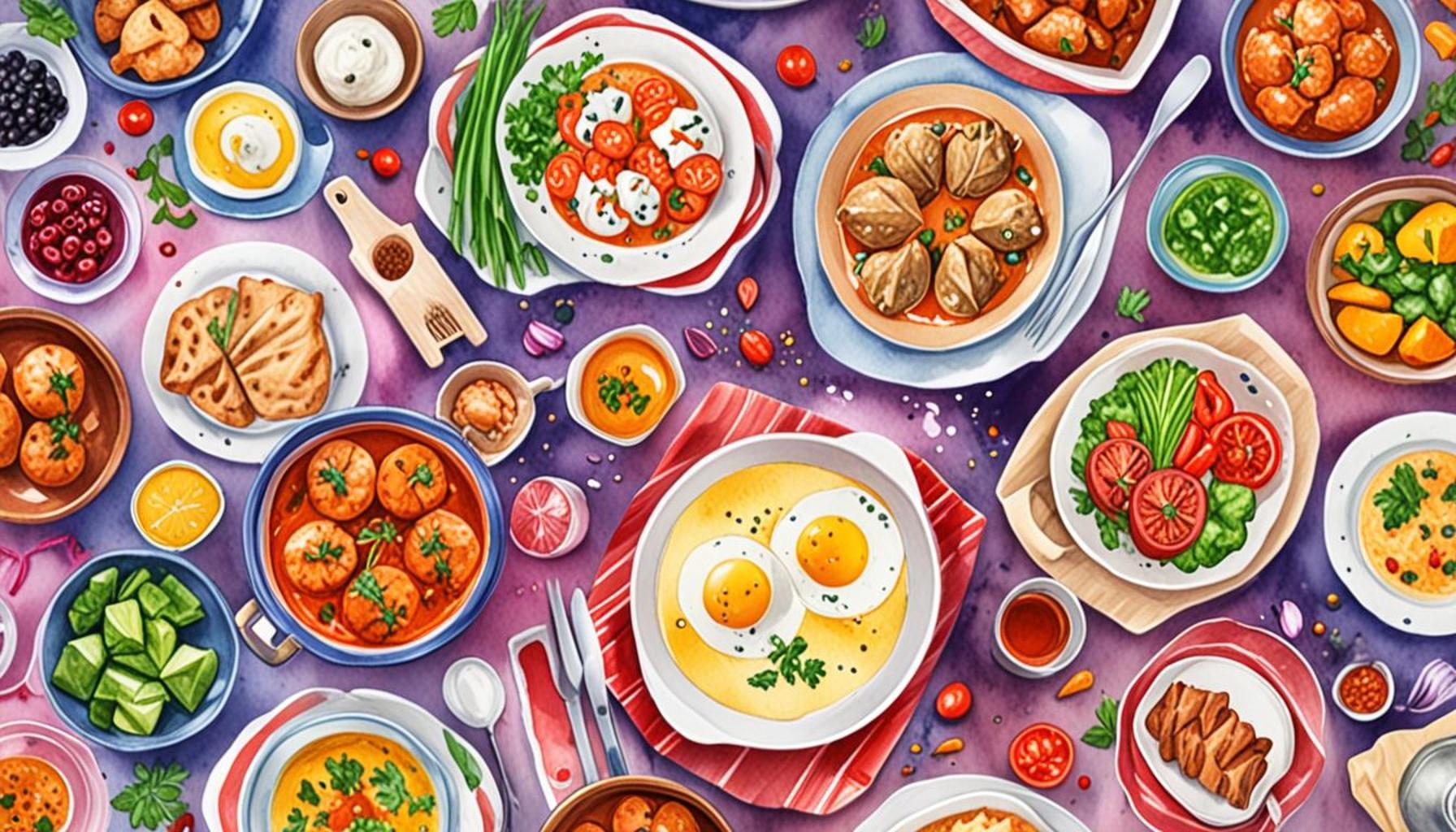
Exploring the Rich Tapestry of World Cuisines
Food serves as a profound representation of humanity, far exceeding mere nourishment. It provides a fascinating lens through which we can view and appreciate diverse cultures and traditions. As we delve into international cuisine, we tap into a treasure trove of stories and customs that are intimately connected to the heritage of the people who create these dishes. Each meal tells a tale, waiting to be discovered, as flavors unfold and aromas waft through the air, varying greatly across regions and even within communities.
The Importance of Culinary Exploration
There are compelling reasons to venture beyond our familiar comfort foods into the vibrant world of international cuisine:
- Cultural Understanding: Each cuisine embodies the history, geography, and social customs of its people. For instance, the use of spices in Indian cooking isn’t merely for flavor; it’s also influenced by the country’s rich trading history and agricultural practices. By tasting these dishes, we gain insight into a culture’s values and lifestyle.
- Skill Development: Trying out new recipes allows both novice and experienced cooks to enhance their culinary techniques. Preparing dishes like the complex flavors of Thai curry or the intricacies of making fresh pasta from scratch requires practice and offers a chance to develop skills like balancing flavors or mastering the art of presentation.
- Palate Expansion: The experience of exploring diverse cuisines introduces exciting new flavors and combinations. You might find yourself captivated by the umami-rich tastes of Korean bulgogi or the freshness of Mediterranean tabbouleh, which can inspire creativity in your own cooking.
Consider the intriguing practices involved in Japanese sushi-making; it’s not just about assembling rice and fish. The technique requires precision in cutting, rice preparation, and an understanding of flavor pairing that has been passed down through generations. On the other hand, the Italian tradition of making pasta is all about simplicity and quality ingredients—flour, eggs, and salt—yet it can yield countless variations like tagliatelle or gnocchi, showcasing the importance of regional ingredients and methods.
Opportunities for Culinary Discovery in the U.S.
In the United States, a true melting pot of flavors awaits. With a vast range of local food festivals, food trucks, and international markets, there are countless avenues to engage with global cuisine right in your neighborhood. Events such as the South Beach Wine & Food Festival in Miami or the Los Angeles Food & Wine Festival highlight diverse culinary expertise and provide opportunities to sample an array of dishes from various cultures.
Moreover, local international supermarkets can serve as a source of authentic ingredients, while online cooking classes can connect you with chefs from around the world. Websites and platforms offering cooking tutorials specific to various cultures allow you to engage with these culinary traditions from the comfort of your home. Through these experiences, you can foster a deeper appreciation of the global culinary landscape while perfecting your cooking skills.
By embarking on this culinary journey, you not only expand your palate but also contribute to a greater understanding and appreciation for our shared human experience. So the next time you sit down for a meal, consider the history, culture, and tradition that plate represents, and let your taste buds explore the world.
DIVE DEEPER: Click here to discover how abstract art can spark your creativity
The Intersection of Food and Culture
When we engage with international cuisine, we embark on a journey that transcends geographical boundaries and immerses us in the unique narratives of various cultures. This culinary exploration is not just about tasting different dishes—it is about understanding the context and significance behind those flavors. Each ingredient serves a purpose and often has a historical tale attached to it. For example, the traditional use of corn in Mexican cuisine goes back thousands of years, providing insights into agricultural practices and the socio-economic environment of Mesoamerican civilizations. By exploring these patterns, we gain a more profound respect for the cultures from which these dishes originate.
Diving Into Culinary Techniques and Traditions
Engaging with international cooking techniques can enhance one’s culinary repertoire and facilitate a deeper comprehension of food preparation. Cooking is as much about heartfelt tradition as it is about technique. From the delicate rolling of Vietnamese spring rolls to the meticulous fermentation processes in Korean kimchi, these methods require patience, precision, and, importantly, an open mind. Here are a few notable techniques from around the globe that can sharpen your culinary skills:
- Marcello Giordano’s Handmade Pasta: The art of making pasta by hand is central to Italian cooking. By learning how to knead dough and roll it out, cooks can appreciate the textures and flavors that come from using fresh ingredients, making each creation unique.
- Sous-Vide Cooking: Hailing from French culinary traditions, this technique involves vacuum-sealing food and cooking it at precise temperatures. This method has gained popularity in modern kitchens for its ability to intensify flavors and maintain nutrients.
- Tagine Preparation: The Moroccan tagine uses the slow-cooking method within a conical clay pot to meld spices and meats harmoniously. Mastering this technique not only showcases patience but also educates chefs on spice blending and flavor infusion.
Moreover, the diverse seasoning practices around the world provide a beautiful representation of local resources. From the rich, earthy spices of North African cuisine to the fresh herbs found in Thai dishes, every ingredient plays a pivotal role in crafting memorable meals. Understanding these varying culinary landscapes allows cooks to experiment with balancing flavors, thus bolstering their creative abilities in the kitchen.
Connecting Through Food Experiences
In the United States, culinary events such as international food fairs and festivals not only provide entertainment but also act as avenues for cultural exchange. Here, attendees can savor authentic dishes while engaging with chefs and home cooks who share their personal stories and techniques behind each recipe. Community-driven events like the National Cherry Blossom Festival in Washington D.C. often showcase Japanese cuisine, while festivals like Taste of Chicago highlight the city’s diverse palate, offering a blend of ethnic foods that reflect its multifaceted population.
Ultimately, the pursuit of international cuisine is a journey of curiosity. Whether by experimenting with new ingredients, attending cooking classes, or exploring local markets, each step offers the chance to embrace fresh perspectives on food and, by extension, on life. By allowing our taste buds to venture into the vast world of global flavors, we not only expand our culinary skills but also deepen the cultural ties that bind us as a global community.
| Cultural Awareness | Experimentation Skills |
|---|---|
| Broadened Perspectives | Creative Cooking Techniques |
| Enhanced Empathy | Innovative Flavor Combinations |
Learning about international cuisine not only enriches one’s palate but also deepens cultural awareness. By exploring dishes from various cultures, individuals gain insights into diverse traditions, histories, and social contexts, fostering an appreciation for global diversity. This process enhances empathy, as understanding the stories behind meals can create connections with people from different backgrounds, promoting inclusivity and respect.In parallel, developing experimentation skills in the kitchen encourages culinary creativity. Home cooks can experiment with ingredients, techniques, and flavors that are unique to different cultures. This exploration opens doors to innovative flavor combinations, allowing individuals to create new recipes that reflect a fusion of traditions. Through trial and error, culinary enthusiasts learn to adapt and refine their cooking skills, embracing a hands-on approach to learning that is both rewarding and delicious. By merging cultural knowledge with experimentation in cooking, one can cultivate not only tasty dishes but also a richer understanding of the world.
DISCOVER MORE: Click here to learn about sustainable crafting materials
Culinary Fusion: A Modern Twist on Tradition
As our world becomes more interconnected, culinary fusion has emerged as a fascinating representation of cultural exchange. By combining diverse culinary traditions, chefs and home cooks alike are able to innovate while respecting and honoring original dishes. This practice not only highlights the adaptability of international cuisine but also encourages creativity by challenging cooks to think outside the box.
For instance, the popularization of Korean Tacos in food trucks across the United States exemplifies this trend. By mixing Korean barbecued meat with traditional Mexican taco elements, chefs have created a dish that appeals to diverse palates while introducing new flavors. This melding of cultures encourages eaters to expand their culinary horizons, as they explore how international ingredients can come together in unexpected ways.
The Role of Global Ingredients in the Home Kitchen
Incorporating global ingredients into everyday cooking can elevate familiar recipes and provide an opportunity for experimentation. Supermarkets and specialty shops in the United States now offer a plethora of international items, making it easier than ever to explore new flavors. For example, spices like za’atar from the Middle East or sambal oelek from Indonesia can bring a new depth to a simple roasted vegetable dish or a standard stir-fry.
Experimentation with these global ingredients can lead to what some may refer to as “global comfort food.” By blending familiar American dishes with internationally inspired elements—such as adding garam masala to barbecued ribs or incorporating miso into mac and cheese—home cooks can create exciting and memorable meals. Furthermore, this approach often reflects the cook’s personal journey of discovery, allowing for a customized culinary expression that pays homage to their heritage or experiences abroad.
Accessibility of Culinary Education
In today’s digital age, opportunities for culinary education have proliferated, making international cuisines more accessible than ever. Online platforms and cooking classes, such as those offered by MasterClass and Skillshare, allow home cooks to learn from culinary professionals and gain insights into various techniques and cultural backgrounds. These educational resources encourage experimentation by providing clear instruction, enabling even novice cooks to recreate intricate dishes from regions far and wide.
Additionally, local cooking schools frequently host workshops focused on particular international cuisines, providing a hands-on experience that enhances both knowledge and skills. Participants can learn the fundamentals of preparing Thai curry or mastering the art of sushi rolling, building the confidence necessary to experiment further in their kitchens.
Moreover, engaging with social media platforms like Instagram and YouTube exposes aspiring cooks to a wealth of ideas and inspiration through videos and tutorials that showcase international dish preparations. The global nature of these platforms fosters a culture of sharing and creates community connections among food enthusiasts who are eager to exchange tips, recipes, and cultural anecdotes.
By embracing the richness of international cuisine and developing experimentation skills, individuals not only cultivate their culinary expertise but also become ambassadors of cultural appreciation. As flavors and ideas traverse borders, home cooks contribute to the ongoing narrative of food history, creating an inclusive and diverse dining experience both in their kitchens and beyond.
DIVE DEEPER: Click here to discover more
Conclusion: Embracing Global Flavors and Culinary Learning
The journey through international cuisine reveals not only the rich tapestry of flavors from around the world but also the profound connections between cultures. By exploring diverse culinary traditions, whether through direct experience or experimentation at home, individuals cultivate a deeper understanding of the world and its myriad peoples. This culinary adventure not only satisfies our palates but also nurtures a spirit of curiosity and innovation.
The ability to integrate global ingredients into familiar cuisines encourages home cooks to break free from traditional boundaries, allowing for personal interpretation and creativity. The trend of culinary fusion exemplifies how food can transcend borders, and the accessibility of culinary education in today’s digital landscape further empowers individuals to embrace this dynamic culinary world. From interactive cooking classes to online tutorials and social media inspirations, resources abound for anyone eager to expand their cooking skills.
Ultimately, the act of cooking and sharing international dishes fosters community and connection, making individuals informal ambassadors of their cultural learnings. As we open our kitchens to global influences, we not only create delicious meals but also relationship-building experiences that honor diverse traditions and histories. So, the next time you embark on a cooking adventure, remember the potential to explore, experiment, and celebrate the rich tapestry of human culture through the food we share.
Related posts:
The Practice of Craftsmanship: Developing Concentration and Resilience Skills
Gardening: Cultivating Patience and Strategic Planning Skills
The Importance of Photography in Improving Observation and Attention to Detail
Transforming Passions Creative Hobbies Boost Social and Emotional Skills
Music as a Tool for the Development of Creativity and Critical Thinking
How Painting Can Enhance Your Problem-Solving Skills

Linda Carter is a writer and creative hobbies expert specializing in crafting, DIY projects, and artistic exploration. With extensive experience helping individuals discover their creative potential and bring their ideas to life, Linda shares her knowledge on our platform. Her goal is to empower readers with practical tips, inspiring ideas, and step-by-step strategies for success in the world of creative hobbies.