Dance as a Form of Expression: Developing Body Awareness and Self-Esteem
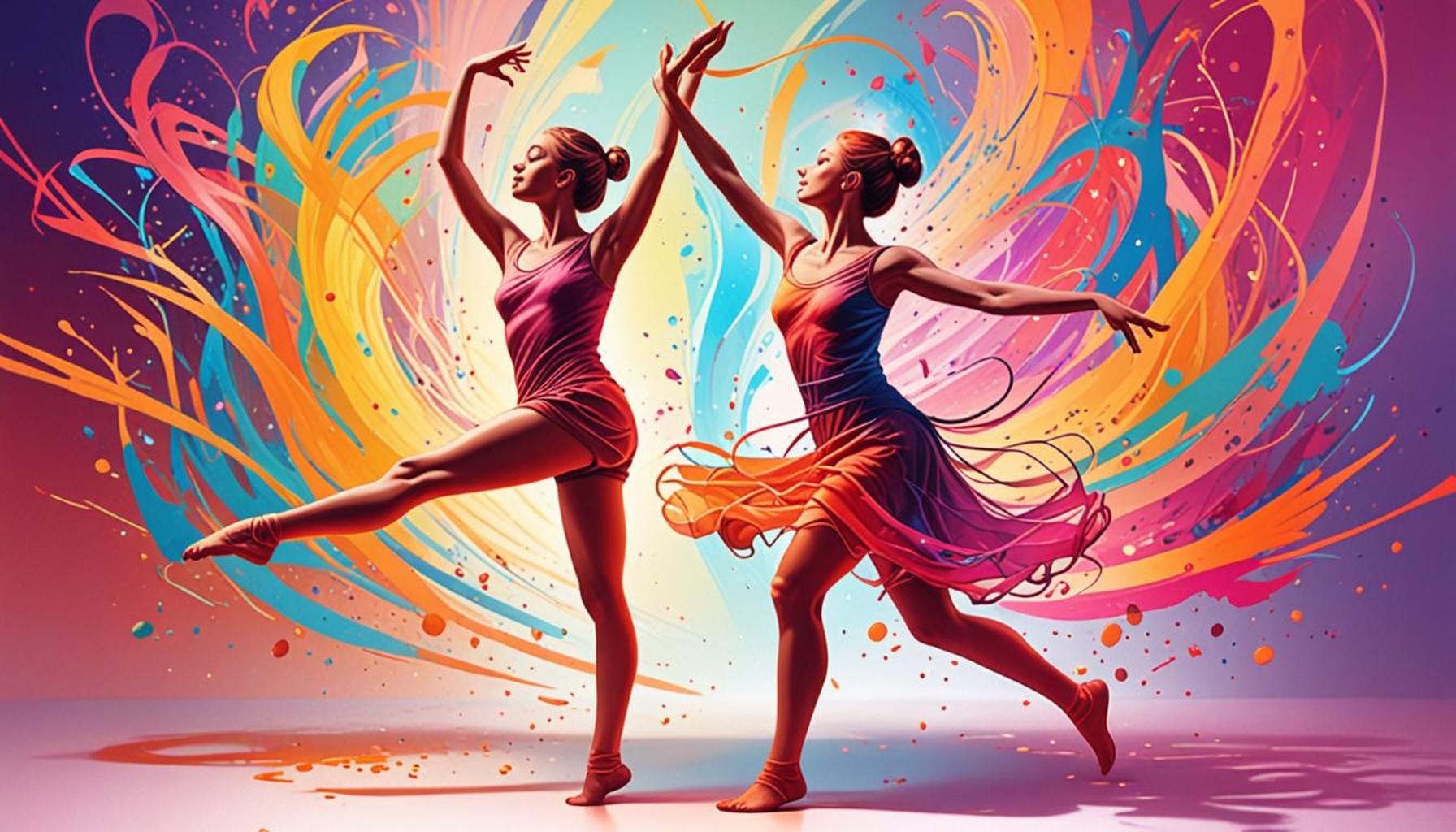
The Art of Movement in Everyday Life
Dance has long transcended mere entertainment, becoming a powerful medium for self-expression and personal growth. It offers individuals a unique approach to connect with their emotions and body in a way that few other art forms can. Engaging in various forms of dance helps people discover body awareness and build self-esteem like never before. This connection is crucial in a world that often prioritizes technology over physicality, enabling individuals to forge meaningful relationships with their own bodies.
Dance’s Transformative Power
- Emotional Release: Dance allows individuals to express feelings that words often fail to convey. For instance, someone might find solace in a vigorous hip-hop routine to release pent-up energy and frustration, while a lyrical dance might offer a gentler way to explore sadness or longing. Each movement becomes a poignant expression of internal emotions, transforming personal struggles into something visually captivating.
- Physical Awareness: Movement enhances an understanding of one’s body and its capabilities. As dancers engage in practice, they fine-tune their motor skills, learn to balance better, and become more attuned to their physical form. This increased awareness often translates to better posture and coordination in daily life, benefiting not just their dance practice but overall well-being.
- Boosting Confidence: Mastering dance routines improves self-image and fosters a sense of achievement. The sense of accomplishment that comes from nailing a complex choreography can significantly elevate one’s self-esteem. Communities across the United States often celebrate local dance recitals, providing participants with opportunities to shine on stage, further enhancing their confidence.
In the United States, dance is celebrated in various forms, from ballet and hip-hop to salsa and contemporary. Each style requires different techniques and physical demands, challenging individuals to step outside their comfort zones and explore new realms of expression. For example, attending a salsa class can unlock a person’s playful side and encourage social interaction, while studying ballet may instill discipline and precision. These experiences can be enlightening, revealing much about an individual’s personal limits and strengths.
A Journey of Self-Discovery
Through dance, individuals embark on a journey that nurtures their physical and emotional selves. The blend of rhythm, movement, and music resonates with personal experiences, creating an intimate space for growth. This journey fosters introspection, pushing dancers to confront their emotions and often leading to profound self-reflection. As individuals delve deeper into the connections between dancing, body awareness, and self-esteem, a captivating landscape of discovery unfolds.
Moreover, dance often brings people together, allowing them to share their experiences and support each other’s transformations. In addition to personal benefits, participating in group classes or local dance events fosters a sense of community that can alleviate feelings of isolation. The relationships built in such environments are invaluable, further enriching the journey of self-discovery through movement. Whether a novice or an experienced performer, dance offers a compelling and dynamic path to understanding oneself and the world more profoundly.
DISCOVER MORE: Click here to dive deeper
Unlocking Personal Potential through Dance
Engaging in dance offers a multifaceted approach to personal growth, particularly in enhancing body awareness and self-esteem. The physicality of movement creates a direct pathway to understanding one’s body, making it an excellent medium for self-discovery. While many may view dance as a performance art, its impact is significantly broader, intertwining emotional release with physiological understanding.
At its core, dance invites individuals to explore their physical selves. This exploration not only develops coordination and rhythm but also instills a profound sense of bodily awareness. Participants learn to listen to their bodies, recognizing signals such as tension, fatigue, or the need for breaks—insights often overlooked in our fast-paced, tech-driven world. In dance classes across the United States, participants discover the importance of breath and muscle memory, two essential elements that contribute to a deeper understanding of one’s physical capabilities.
Dance can also serve as a vehicle for emotional release. Many seek out movement not just for fitness but to process complex feelings. The act of moving to music provides a safe space for expressing emotions that may be difficult to articulate. For instance, research shows that engaging in dance can effectively reduce anxiety and depression, promoting an overall sense of well-being. This cathartic experience can lead to a more profound connection with oneself, fostering a sense of empowerment and individuality.
Community and Connection through Dance
Participating in dance activities, especially in group settings, helps forge connections with others. These relationships can significantly enhance one’s journey of self-discovery. The camaraderie found in dance classes creates a supportive environment where individuals can share their challenges and victories, reinforcing the notion that growth is a shared experience. The sense of belonging that emerges from dancing with others can be particularly beneficial for those struggling with low self-esteem; it offers a newfound sense of community and identity.
- Fostering Connections: Attending a local dance class or studio can lead to lifelong friendships. The shared passion for movement creates bonds that extend beyond the dance floor, offering a support network that nurtures personal and emotional growth.
- Building Self-Confidence: As dancers become more skilled in their craft, the increased confidence helps them face challenges in other areas of life—be it personal relationships or professional endeavors. The stage becomes a place of triumph rather than fear, transforming how individuals perceive themselves.
- Encouraging Risk-Taking: Trying out different dance styles encourages participants to step outside their comfort zones, leading to growth. A hip-hop dancer might find joy in the grace of ballet, while a ballroom dancer may thrive in the freedom of modern dance.
In this way, dance acts as a catalyst for change, allowing individuals to redefine their perceptions of self-worth and capability. It pushes boundaries, sparks creativity, and cultivates resilience—elements crucial for not just self-esteem but overall life satisfaction. As we explore the intricate connections between dance, body awareness, and self-esteem, it is evident that this art form has so much more to offer than simply entertainment; it holds the key to transformative experiences that shape individuals profoundly.
| Advantage | Details |
|---|---|
| Enhanced Body Awareness | Engaging in dance promotes kinesthetic intelligence, helping individuals understand their body movements and spatial orientation. |
| Boosted Self-Esteem | Through regular dancing, participants experience increased confidence in their physical abilities and body image, leading to a healthier self-perception. |
The benefits of dance extend beyond physicality; they tap into the psychological aspects of personal development. Dance encourages individuals to explore their creativity, fostering a sense of freedom and personal expression. Furthermore, as dancers learn to navigate their body movements, they develop a stronger connection between their mind and body, which is vital in the journey towards self-discovery. This connection not only enhances their performance but also enriches their everyday lives, promoting an overall improved quality of existence.Additionally, dance acts as an engaging social activity, allowing individuals to connect with others who share similar interests. By participating in group classes or performances, dancers build important relationships, which further enhances their self-esteem and sense of community. All these factors combined demonstrate how dance serves as an influential tool in developing both body awareness and self-esteem. In this light, exploring various dance forms can be seen as a pathway to holistic personal growth, encouraging individuals to open up to new experiences and perspectives.
DISCOVER MORE: Click here to dive deeper
The Therapeutic Benefits of Dance in Enhancing Self-Expression
Beyond the physical and social aspects, dance serves as a powerful therapeutic tool that can cultivate self-awareness and boost self-esteem through its introspective qualities. Dance therapy, an established treatment modality, emphasizes the mental and emotional benefits inherently tied to movement. Therapists utilize structured dance and movement activities to help individuals express emotions that may be difficult to convey through words. Studies have revealed that participants in dance therapy often experience reduced symptoms of stress and trauma, making it a viable option for diverse populations, from children facing challenges in their academic environment to adults dealing with life-altering events.
This therapeutic aspect of dance reinforces body awareness—participants learn not only to move but to connect their internal emotional states with physical expression. Techniques like improvisational dance allow individuals to respond spontaneously to their emotions and surroundings, paving the way for profound self-discovery. This connection between physical movement and emotional expression can enhance one’s ability to regulate emotions and develop coping strategies, ultimately fostering a healthier self-image.
Dance as a Medium for Cultural Expression
Moreover, dance is a rich medium of cultural expression, reflecting the diverse narratives and histories within communities. It serves as a platform for individuals to share their unique stories and cultural identities, facilitating a deeper sense of belonging. Participation in traditional dances, for example, helps individuals connect with their heritage, reinforcing a positive self-image and pride in one’s background. The depiction of various cultural styles, from Afro-Cuban salsa to Native American powwow dancing, illustrates how movement art captures the essence of communities across the United States.
- Global Influence: Many urban dance forms emerge as a fusion of cultures. Styles such as hip-hop and breakdancing, deeply rooted in African American culture, are now recognized avenues for self-expression worldwide. This cross-cultural exchange not only enriches the art form but also invites individuals from all backgrounds to participate in a communal celebration of diversity.
- Empowerment through Storytelling: Dance allows individuals to share their stories, providing a voice to personal and collective experiences. This storytelling aspect of dance empowers those who may feel marginalized or voiceless, bridging gaps in communication and inviting others to understand differing perspectives within communities.
- The Healing Power of Narrative: Engaging in dance as a form of storytelling can also serve therapeutic functions, offering individuals a chance to explore personal narratives in a safe environment. For example, survivors of trauma may find solace in expressing their journey through dance, promoting healing and resilience.
As we delve deeper into the multifaceted relationship between dance, body awareness, and self-esteem, it becomes increasingly clear that the art form holds profound potential beyond simple enjoyment. In a world where self-expression often becomes stifled, dance provides a vibrant outlet for creativity, healing, and community connection. It functions as a transformative practice, allowing individuals to embrace their authenticity while fostering a deepened awareness and appreciation for their physical and emotional selves.
DIVE DEEPER: Click here to discover the art of visual storytelling
Conclusion: Embracing the Transformative Power of Dance
In summary, the exploration of dance as a form of expression reveals a profound nexus between body awareness and self-esteem. The therapeutic and cultural dimensions of dance not only enhance physical agility but also empower individuals to connect with their emotions and narratives, fostering personal growth and resilience. Through movement, participants learn to listen to their bodies, enhancing their self-awareness and promoting a healthier self-image.
Moreover, engaging in diverse dance forms opens a pathway for cultural storytelling that transcends language barriers. By sharing their unique backgrounds and experiences through dance, individuals cultivate a sense of belonging, pride, and resilience in the face of adversity. This cultural dialogue enriches communities and highlights the art form as a unifying force that celebrates diversity across the United States and beyond.
As awareness of dance’s multifaceted benefits continues to grow, it is essential for programs and initiatives to provide access to dance as a means of expression for all individuals, particularly those experiencing challenges in their personal lives. Whether through structured classes, informal gatherings, or therapeutic settings, embracing dance as a vital mode of expression will contribute to a more inclusive society where everyone can articulate their stories while nurturing their self-esteem and emotional well-being.
Ultimately, dance serves as a celebration of humanity, offering a narrative that is waiting to be expressed—inviting each of us to find our rhythm and share our unique journeys with the world.
Related posts:
The Drawing as a Tool for Developing Observation and Interpretation Skills
Transforming Passions Creative Hobbies Boost Social and Emotional Skills
Music as a Tool for the Development of Creativity and Critical Thinking
Boost Your Career How Creative Hobbies Enhance Skill Growth
The Practice of DIY (Do It Yourself): Fostering Innovation and Self-Confidence
The Art of Carpentry: Designing Skills of Precision and Creativity

Linda Carter is a writer and creative hobbies expert specializing in crafting, DIY projects, and artistic exploration. With extensive experience helping individuals discover their creative potential and bring their ideas to life, Linda shares her knowledge on our platform. Her goal is to empower readers with practical tips, inspiring ideas, and step-by-step strategies for success in the world of creative hobbies.