Gardening: Cultivating Patience and Strategic Planning Skills
The Importance of Gardening Skills
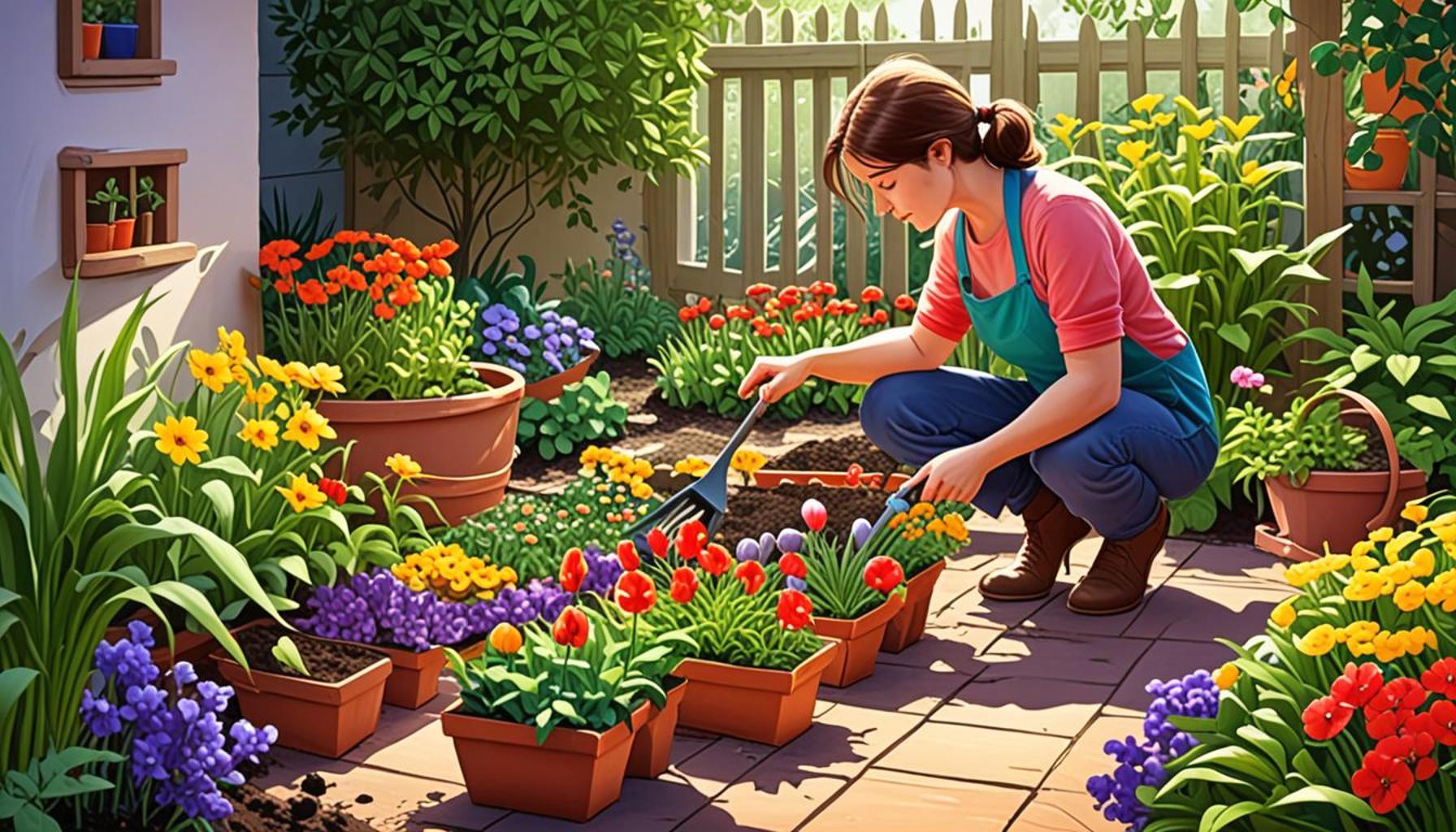
Gardening is not merely a hobby; it is a profound journey that unfolds with every season. As we cultivate the earth and nurture our plants, we are also cultivating essential life skills. The rhythm of gardening mimics the cycles of life, illuminating lessons that extend beyond the garden’s borders.
One of the most significant skills honed through gardening is strategic planning. Creating a garden layout involves thoughtful consideration of various factors. For instance, understanding how much sunlight different plants require is crucial. Some plants, like tomatoes and peppers, thrive in full sun, while others, such as ferns, prefer shade. By positioning plants based on their sunlight needs, gardeners can create a lush, thriving environment. Compounding this, gardeners must also contemplate the compatibility of plants, as some species, such as marigolds, are beneficial companions that can deter pests, while others may inhibit growth due to competing for nutrients.
An equally important lesson in gardening is patience. Unlike many fast-paced modern activities, gardening teaches us that good things take time. Seeds planted today may not yield fruit for weeks or months, depending on the species. For example, a gardener eager for a bountiful fall harvest must plant a pumpkin patch in early summer. This waiting game fosters a sense of tranquility and mindfulness, urging us to appreciate the gradual unfolding of nature’s beauty.
Moreover, every gardener encounters challenges that necessitate problem-solving. Issues such as aphid infestations, sudden weather changes, or nutrient deficiencies compel us to think critically. For instance, a sudden drought may require a gardener to implement innovative watering techniques, like drip irrigation, to conserve water while ensuring plants receive adequate hydration. These challenges serve as valuable lessons in resilience and adaptability.
Awareness also plays a crucial role in successful gardening. This includes being attuned to the subtle changes in plant health. A garden is a living organism, and regular observation can indicate problems before they escalate. For example, yellowing leaves can signal nutrient deficiencies or overwatering, prompting an immediate response for intervention. Additionally, tracking seasonal cycles, such as the timing of planting and harvesting, enriches a gardener’s understanding of nature’s rhythms.
As seasons change, the fruits of our labor blossom, showcasing the tangible results of our planning and nurturing efforts. Each blooming flower and ripening fruit not only enhances the landscape but also contributes to our personal growth. Gardening harmonizes the fundamental aspects of life—patience, strategy, resilience, and awareness—into an enriching experience. In the end, we learn that gardening is more than just planting seeds; it’s an opportunity to cultivate our skills, shaping not only our gardens but our lives.
DIVE DEEPER: Click here to unlock the secrets of visual storytelling
Strategic Planning in Gardening: The Blueprint for Success
The journey of a garden begins long before a single seed is sown. Effective gardening starts with strategic planning, which involves an intricate dance of consideration and forethought. A successful gardener must get familiar with their selected plants, gauge their growth habits, and determine their spatial needs. This planning phase is akin to designing a blueprint for a home; every decision shapes the future of the garden’s ecosystem.
One of the first tasks in garden planning is selecting a suitable location. Factors such as sunlight exposure, soil quality, and drainage can make or break a garden’s success. Conducting a soil test is a wise first step, as the nutrient content—particularly pH levels—can significantly influence plant growth. In the United States, gardeners in different regions may need to amend their soil differently; for example, those in sandy areas like Florida may require more organic matter for moisture retention than gardeners in clay-heavy regions like the Midwest.
Next comes the plant selection process, which not only incorporates an understanding of plant needs but also seasonality. Planning a vegetable garden requires knowledge of planting schedules; for instance, cool-season crops such as peas and lettuce thrive in early spring, while warm-season crops, including corn and beans, should be sown after the last frost. To assist in organizing this delicate timing, many gardeners utilize planting calendars that reflect their specific hardiness zone. The USDA Plant Hardiness Zone Map, which divides the U.S. into regions based on average annual minimum winter temperatures, can be a vital tool for selecting appropriate plants.
Companion planting is another critical aspect of strategic planning that can lead to more robust garden health. Gardens thrive through researched pairings; for example, planting basil near tomatoes not only enhances growth but also can repel pests. Here are a few popular companion plantings you might consider:
- Carrots and onions: onions can deter carrot flies.
- Cucumbers and beans: beans provide nitrogen that benefits cucumbers.
- Radishes and cucumbers: radishes can deter cucumber beetles.
The layout itself is another vital component of strategic planning. Utilizing elements such as raised beds or vertical gardening can optimize space while enhancing the aesthetics of your garden. These methods not only improve accessibility but also increase sunlight exposure and air circulation among plants. In urban settings where space may be limited, vertical gardens can transform walls and fences into flourishing green spaces.
As you strategize your garden’s growth, keep in mind that a strong plan is adjustable. Unexpected challenges may arise, from pest invasions to erratic weather patterns. Being open to revision—whether that means changing plant locations or modifying watering schedules—will ultimately serve your garden better. In the world of gardening, as in life, the ability to adapt leads to resilience, and through that resilience, gardeners cultivate skills that enhance not just their gardens but their everyday lives.
| Category | Details |
|---|---|
| Patience Development | Gardening requires consistent care and waiting for plants to grow, teaching individuals to embrace the process over quick results. |
| Strategic Planning | Planning and timing are essential in gardening, as it involves understanding seasonal changes and optimal planting schedules, enhancing foresight skills. |
| Mindfulness Practice | Engaging with nature through gardening fosters mindfulness, reducing stress and cultivating an appreciation for growth and change. |
| Problem-Solving Skills | Gardening presents challenges such as pests or poor soil conditions, leading to enhanced critical thinking and adaptive problem-solving abilities. |
Gardening serves as a rewarding journey, marrying the virtues of patience with the art of strategic planning. As individuals nurture their plants, they learn to embrace the waiting game, which ultimately strengthens their emotional resilience. Moreover, understanding the intricate details of gardening, such as suboptimal weather conditions or seasonal transitions, can significantly enhance a person’s ability to plan ahead—which is vital not only in gardening, but in various aspects of life.Expanding on these themes, the act of caring for a garden encourages a unique synergy between nature and personal growth, fostering essential skills that can translate seamlessly into everyday scenarios, such as workplace challenges or personal relationships. This form of horticultural therapy not only beautifies one’s surroundings, but thrives as a pathway to personal development. By cultivating a garden, you’re not just growing plants; you’re enriching your mind with invaluable skills that improve both patience and strategic foresight.
DIVE DEEPER: Click here to discover sustainable crafting materials
Embracing Patience: The Heartbeat of Gardening
Patience is a virtue, and in the world of gardening, it is more than just a saying—it is a fundamental principle. Unlike many quick-return hobbies, gardening requires time and a willingness to learn from nature’s rhythm. Seeds take time to germinate, young plants require nurturing, and growth is often a slow process. This gradual unfolding teaches gardeners to appreciate the small victories, such as the sight of a sprouting seed or the first blossom of the season.
Understanding the timeline of plant growth can significantly enhance a gardener’s experience. For instance, perennials, which return year after year, can take a season or two to establish themselves before they truly flourish. This waiting period can be difficult for impatient gardeners, but the payoff is immense when these resilient plants reward your perseverance with stunning blooms and lush foliage over the years. Similarly, fruit-bearing plants, such as blueberries and strawberries, may take a year to produce their first fruit, emphasizing the need for patience.
This journey toward growth often requires meticulous attention to detail. Regular observation of plant health, moisture levels, and growth patterns fosters not just patience but a deeper connection to the garden. By observing how their plants react to various conditions—sun exposure, watering schedules, or soil adjustments—gardeners learn to be proactive rather than reactive, enhancing their strategic planning abilities.
Overcoming Challenges: Learning Through Experience
The nature of gardening is inherently unpredictable. Weather extremes, pest invasions, or disease outbreaks can dramatically alter expected outcomes. These challenges do not spell the end of a gardening season; instead, they nurture resilience and adaptability. Encountering these obstacles firsthand offers invaluable lessons about risk management and contingency planning—the hallmarks of effective strategists.
For instance, a sudden frost can wipe out tender plants. Gardeners who are aware of their local climate can prepare by using protective coverings or identifying frost-resistant species in advance. Such preparedness not only safeguards the garden but also strengthens the gardener’s resolve and ability to adapt to unforeseen circumstances.
Moreover, pest management is an excellent demonstration of patience and strategic thinking. Integrated Pest Management (IPM) techniques encourage the use of biological controls, such as beneficial insects like ladybugs, to combat common garden pests. This approach underscores the importance of understanding the ecological balance within the garden. Gardeners learn to observe pest patterns, determine thresholds for action, and employ sustainable practices rather than rushing to synthetic solutions.
The Joy of Harvest: A Reward for Patience and Planning
Perhaps the most gratifying reward for a gardener’s patience and strategic planning is the harvest. The anticipation of gathering homegrown vegetables, herbs, and fruits encapsulates the essence of gardening. Each bite becomes a testimony to what can be achieved when effort and time are invested wisely. For example, the moment a gardener plucks a ripe tomato from a vine, they are not just savoring the fruit; they are relishing months of planning, planting, and nurturing that have culminated in this singular gratifying experience.
In addition to the tangible rewards, a successful harvest fosters a sense of achievement that extends beyond the garden. It cultivates confidence and a belief that patience—in gardening and in life—often leads to greater rewards. As gardeners transition from plan to practice, they glean not only delicious outcomes but vital skills that permeate their daily lives, equipping them to face challenges with optimism and determination.
DISCOVER MORE: Click here to dive deeper
Conclusion: The Lifelong Lessons of Gardening
In essence, gardening transcends the mere act of cultivating plants; it is a profound journey that nurtures patience and hones strategic planning skills. As we have explored, each phase—from seed germination to harvest—demands a time commitment and an attuned understanding of nature’s cycles. The slow-paced evolution of plants, especially perennials and fruit-bearing varieties, teaches us that rewarding outcomes often come to those who wait with diligence and care.
Moreover, facing the unexpected challenges of a gardening season fosters resilience and adaptability. By learning to manage pests sustainably through practices like Integrated Pest Management (IPM), gardeners not only protect their crops but also embrace a more holistic view of environmental stewardship. These lessons extend beyond the garden bed and into our everyday lives, equipping us with the ability to face uncertainties with planned responses rather than reactive measures.
Ultimately, the satisfaction derived from a successful harvest is a testament to months of labor, strategic efforts, and a deepening bond with the natural world. As each tomato or berry is plucked, it symbolizes a journey—a reminder that with patience and foresight, we can overcome adversities and reap the fruits of our hard work. As you consider your own gardening endeavors, remember that the skills cultivated within the garden can serve as valuable tools in your broader life experience, encouraging you to approach challenges with the wisdom of a gardener.
Related posts:
Transforming Passions Creative Hobbies Boost Social and Emotional Skills
How Painting Can Enhance Your Problem-Solving Skills
The Practice of Craftsmanship: Developing Concentration and Resilience Skills
The Drawing as a Tool for Developing Observation and Interpretation Skills
Music as a Tool for the Development of Creativity and Critical Thinking
Boost Your Career How Creative Hobbies Enhance Skill Growth

Linda Carter is a writer and creative hobbies expert specializing in crafting, DIY projects, and artistic exploration. With extensive experience helping individuals discover their creative potential and bring their ideas to life, Linda shares her knowledge on our platform. Her goal is to empower readers with practical tips, inspiring ideas, and step-by-step strategies for success in the world of creative hobbies.