The Impact of Performing Arts on Creative Hobby Practices
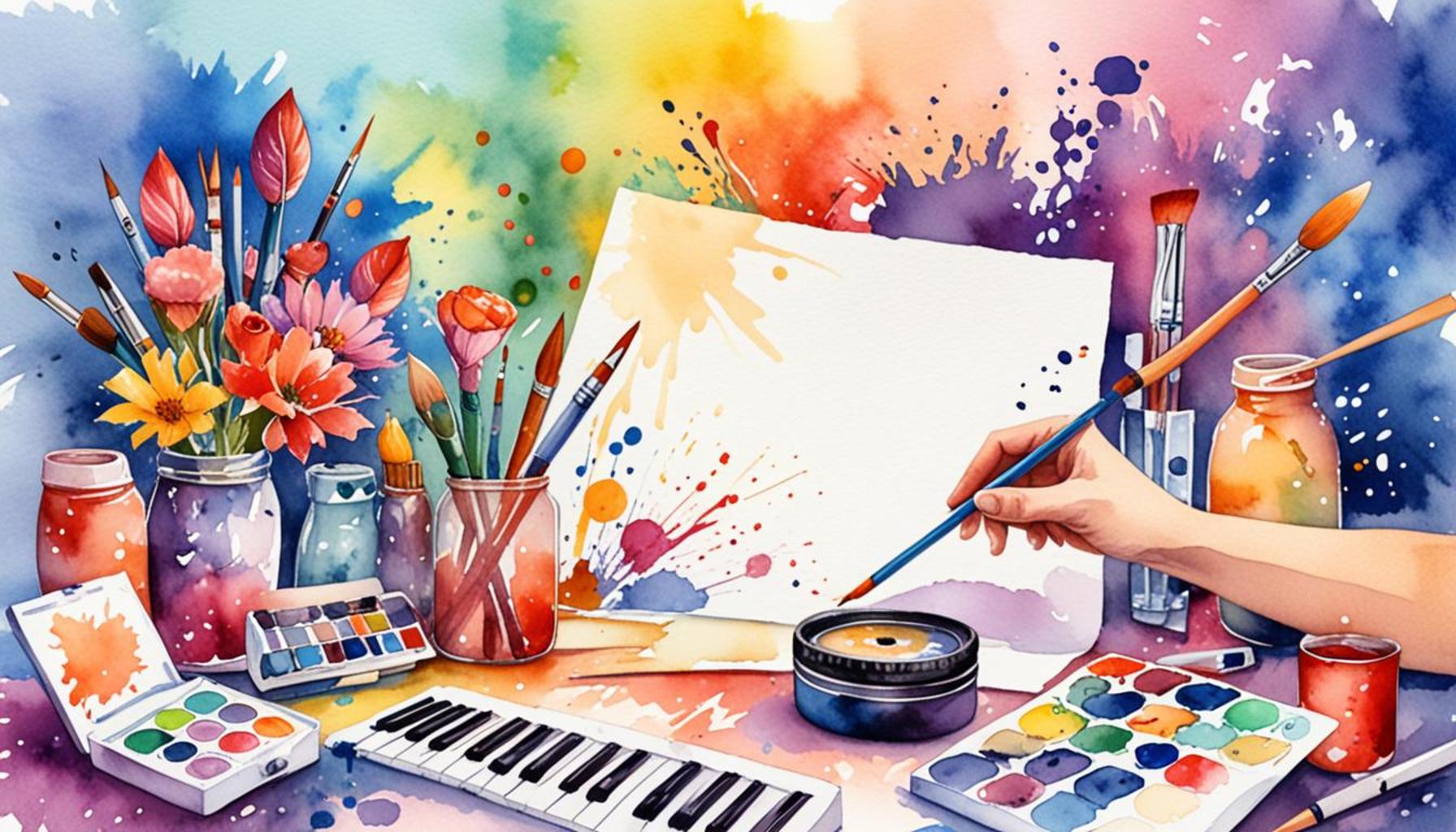
The Impact of Performing Arts on Personal Creativity
The performing arts realm encompasses a kaleidoscope of mediums including theater, music, and dance, each offering a platform for individuals to express themselves creatively. As a vibrant canvas for creativity, it influences not only artists but also everyday individuals who find ways to engage with these forms of art in their own lives. This engagement inspires countless individuals to pursue creative hobbies, turning occasional pastimes into lifelong passions.
Examining the effects of performing arts on personal creativity unravels several essential components that reveal its significance in society:
- Skill Development: Participation in performing arts hones various essential skills. For instance, individuals involved in community theater learn the nuances of communication and collaboration as they work together to bring a script to life. Public speaking boosts confidence, while learning to read scripts enhances comprehension and articulate expression. These skills translate into everyday situations, empowering individuals in their professional and personal interactions.
- Inspiration: The rich tapestry of the performing arts sparks passion and curiosity, encouraging people to embark on personal projects. A perfect example is the widespread trend of music classes for adults. Parents, upon watching local bands or community performances, might feel compelled to pick up a musical instrument, leading them to explore songwriting or join a local choir. Such experiences ignite creativity and open new avenues for self-expression.
- Community Building: The arts serve as a powerful social connector. In cities across the United States—like New Orleans, known for its vibrant musical scene and inclusive jazz festivals—people gather, share experiences, and form lasting relationships. Local art groups or dance troupes create spaces for those seeking like-minded networks, thus fostering a sense of belonging and collaboration. These community ties enhance not only personal fulfillment but also enrich local cultures.
The role of performing arts extends far beyond entertainment. Whether it’s a parent enthusiastically strumming a ukulele at family gatherings or a retiree finding joy in performing on stage for the first time, instances abound where performing arts motivate individuals to explore new forms of self-expression. By examining both historical influences, like the Harlem Renaissance’s impact on American music and literature, and contemporary movements like the rise of online performance platforms during the pandemic, we can truly appreciate the profound effect of arts on personal development.
As this exploration unfolds, it becomes clear that the performing arts serve not just as a means of entertainment but as essential catalysts for personal growth and innovation. In a world increasingly driven by technology, the arts remind us of the beauty in human connection and creativity, urging everyone to discover their own artistic potential and make meaningful contributions to their communities.
DON’T MISS: Click here to discover sustainable crafting materials
Unlocking Creativity Through Engaging in Performing Arts
The influence of performing arts on creative hobby practices is palpable, extending far beyond traditional audiences or participants. In a rapidly changing world where technology often dominates, the arts provide a necessary antidote by fostering creativity and inspiring new hobbies across a diverse population. The unique blend of individuality, imagination, and interaction that the performing arts embodies has the power to transform how people perceive and approach their creative outlets.
At the heart of this transformation lies the process of individual exploration. Engaging with performing arts encourages people to step outside their comfort zones. For instance, individuals who attend a modern dance class for the first time often experience a mixture of excitement and apprehension. Yet, this initial leap can result in a newfound passion for movement that might evolve into choreography or teaching dance classes. The opera, likewise, introduces listeners to storytelling through music and drama, prompting many to explore vocal training or composition as hobbies.
The artistic journey doesn’t end with participation; it spills over into a variety of creative practices. Here are a few notable ways performing arts inspire new hobbies:
- Musical Exploration: Many individuals drawn to theater and performance find their way into music, whether through learning an instrument or pursuing songwriting. Community initiatives, such as local “open mic” nights, encourage aspiring musicians to share their work, thereby sparking further interest and study within this realm.
- Theatrical Experiences: Watching live performances can motivate spectators to delve deeper into dramatics. Workshops and classes become popular as people look to cultivate their skills, leading to pursuits in improv, playwriting, or acting, creating both personal fulfillment and potential career opportunities.
- Artistic Collaborations: The sense of community fostered by performing arts often manifests in collaborative projects. Local theater groups often seek participants for multidisciplinary projects, inviting novices into the fold of set design, stage management, and costuming. These active roles not only expand skill sets but also encourage friendships that bolster communal ties and overall creative expression.
To grasp the far-reaching effects of performing arts on personal creativity, it is essential to also consider the historical context. The Beat Generation, for instance, utilized poetry readings and music as a form of social commentary and self-expression. Modern movements, like the rise of virtual theater and online music-sharing platforms during the recent pandemic, highlight how performing arts continuously adapt and resonate with modern audiences, presenting added opportunities for creative explorations. As more individuals engage with these forms of art, a ripple effect occurs, inspiring many to cultivate hobbies that transport them into deeper realms of their potential.
Through engagement in the performing arts, individuals embark upon journeys of self-discovery and expression. These opportunities nurture not only personal creativity but also a collective celebration of talent and ideas that can reverberate around communities. By embracing the collaborative spirit and the transformative power of art, many individuals will not only find enjoyment in hobbies but also engage meaningfully with the world around them.
| Advantage | Description |
|---|---|
| Enhanced Creativity | Engaging with performing arts encourages individuals to explore new ideas and forms of expression. |
| Improved Social Skills | Participating in group performances fosters teamwork, collaboration, and communication. |
| Cultural Awareness | Exposure to various performing arts broadens perspectives and appreciation for diverse cultures. |
| Stress Relief | The act of performing can be a therapeutic outlet, reducing anxiety and boosting mental well-being. |
Diving deeper into the realm of creative hobbies, the influence of performing arts extends beyond the canvas or the stage. It opens up avenues for discovery, inviting participants to embrace their passions while enhancing their skill sets. By engaging in activities such as dance, theater, or music, hobbyists often find themselves tapping into a well of innovative ideas that fuel their creative practices.Moreover, as individuals collaborate in performances, they cultivate vital social skills that last a lifetime. Group rehearsals not only promote teamwork but also enhance interpersonal communication, allowing individuals to express thoughts and emotions more effectively. This growth can significantly enrich personal relationships and community bonds.One of the fascinating outcomes of immersing oneself in performing arts is an increased sense of cultural awareness. By exploring various artistic forms, hobbyists develop a greater appreciation for the richness of global cultures, ultimately leading to a more inclusive mindset.
EXPLORE MORE: Click here to dive deeper
Amplifying Creative Expression Through Performative Outlets
The relationship between performing arts and personal creativity transcends mere participation; it cultivates a broader understanding of artistic expression that can enhance various creative hobby practices. This influence extends into the realms of visual arts, writing, and even digital media, illuminating how one form of art can inspire another. By examining these interconnected relationships, we can better appreciate the dynamic impact performing arts have on creative pursuits.
For instance, visual artists often draw inspiration from the rich narratives presented in theater productions or dance performances. The combination of movement, emotion, and storytelling found in live performances may prompt a visual artist to experiment with capturing moments in paintings or photographs. Art exhibits give these artists a platform to showcase how performing arts can influence their work, leading to an enriched dialogue about creativity across mediums.
Moreover, creative writing as a hobby can also thrive from engagement with performance. Writers attending poetry slams or storytelling events can witness the powerful connection between the spoken word and performance. This experience can drive aspiring writers to explore scriptwriting or even delve into narrative forms suited for theater or film. For example, communities like the National Poetry Slam encourage local poets to share their narratives in a live format, further inspiring others to take up writing as a creative outlet.
In addition to traditional art forms, the rise of digital platforms has introduced new avenues for creative expression influenced by performing arts. Social media has become a vibrant space where individuals share their artistic endeavors, whether through short theatrical performances, dance challenges, or singing videos. Platforms such as TikTok and Instagram have spurred a cultural movement, where users engage in performing arts in inventive and accessible formats. This virtual connection fosters community, inspiring users to develop their unique styles and explore various creative hobbies, from choreography to storytelling.
Data supports the notion that the performing arts greatly enhance creative hobbies. A study by the National Endowment for the Arts found that individuals who engage in the arts—whether through participation or observation—report higher levels of creativity in their personal hobbies. This indicates that exposure to diverse art forms stimulates innovative thinking and problem-solving abilities. As communities continue to provide ample opportunities for engagement in performing arts, participants can broaden their skills, enhancing their overall creativity.
Furthermore, initiatives like arts festivals and community theater productions invite participation across age groups, often including workshops and classes that nurture new skills. These experiences not only build capability in performing arts but also spark interest in complementary hobbies. For example, someone who joins a community theater might also explore areas such as costume design or script analysis, expanding their understanding of the craft and fostering a multifaceted appreciation of the arts.
The generative nature of performing arts serves as a catalyst for creative hobby practices. By blurring the lines between various forms of artistic expression, individuals become more confident in their abilities, continually seeking ways to merge performance with their unique interests. Ultimately, the impact of performing arts on the creative landscape is profound, illuminating pathways for innovation that extend well beyond the stage.
DISCOVER MORE: Click here to learn how cultural activities can enhance your creativity
Conclusion: A Spectrum of Creativity Unleashed
In conclusion, the influence of performing arts on creative hobby practices is both diverse and significant, weaving a rich tapestry of artistic interconnections that encourage individuals to explore their creative potential. Through forms such as theater, dance, and music, participants not only hone their artistic skills but also unlock new dimensions of creativity in areas such as visual arts, writing, and digital media. This cross-pollination fosters a vibrant community of creatives eager to express themselves across various mediums.
Moreover, the infusion of performing arts into everyday creativity is enhanced by accessible platforms such as social media, where the sharing of artistic endeavors becomes a communal experience. By offering spaces for connection and encouragement, these platforms propel hobbyists to experiment and innovate, thus enriching the creative landscape. Initiatives like local arts festivals and community theater serve as vital touchpoints for individuals to engage with their surroundings, further igniting interest in complementary forms of artistic expression.
The data from the National Endowment for the Arts underscores the necessity of engagement with various art forms, showing that participation amplifies personal creativity. As we move forward, fostering opportunities for collaboration and exploration in performing arts can undoubtedly pave the way for individuals to discover new hobbies and artistic pursuits, inspiring a profound appreciation for the multifaceted nature of creativity. Ultimately, the legacy of performing arts is not confined to the stage; it resonates in the hearts of those who dare to express themselves, transforming their creative journeys into captivating tales of self-discovery.
Related posts:
The Importance of Cultural Activities in Enhancing Emerging Creative Hobbies
The Influence of Cultural Traditions on the Evolution of Modern Creative Hobbies
How Participation in Cultural Activities Stimulates Innovation in Creative Hobbies
The Art of Storytelling: The Importance of Cultural Activities in Preserving Tradition and Identity
Traditional Craft Meets Modernity Cultural Activities Inspire New Hobbies
The Influence of Music and Dance on Creative and Craft Hobby Practices
Linda Carter is a writer and creative hobbies expert specializing in crafting, DIY projects, and artistic exploration. With extensive experience helping individuals discover their creative potential and bring their ideas to life, Linda shares her knowledge on our platform. Her goal is to empower readers with practical tips, inspiring ideas, and step-by-step strategies for success in the world of creative hobbies.