How Cultural Diversity Enriches the Practice of Artistic Hobbies
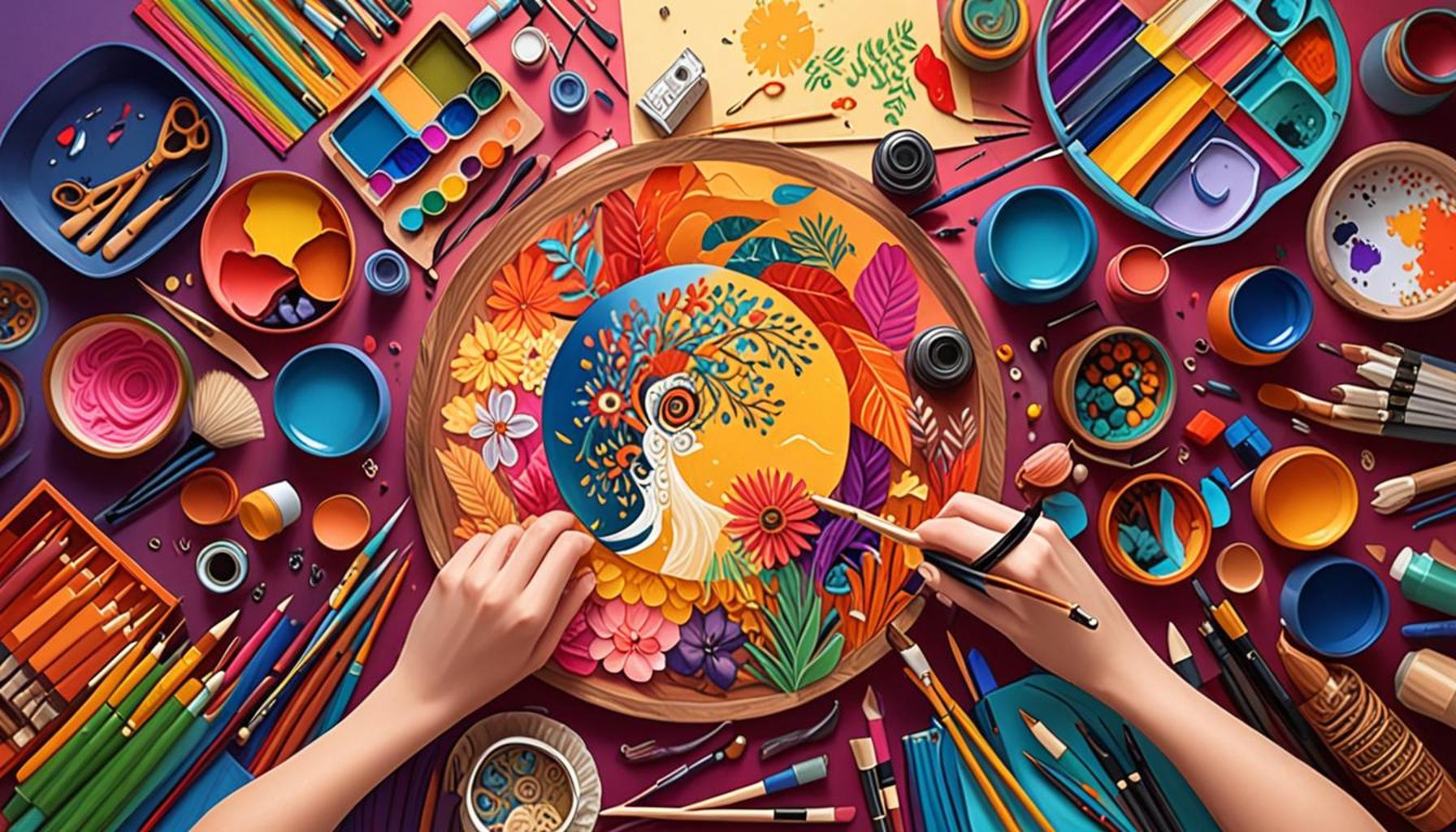
Understanding the Impact of Cultural Diversity in Artistic Hobbies
The realm of artistic hobbies is not merely an outlet for self-expression but a dynamic landscape enriched by the colorful threads of cultural diversity. When individuals engage with art forms from various backgrounds, they embark on a transformative journey that expands their creative horizons. This interaction not only introduces new techniques and styles but also fosters personal development, pushing artists to think and act beyond traditional boundaries.
Techniques and Methodologies
Exploring diverse artistic techniques can significantly broaden an artist’s proficiency. For instance, Indian henna art offers intricate designs that require precision and patience, while Japanese brush painting emphasizes the beauty of simplicity and fluidity. Artists practicing these techniques can adopt elements from each style, leading to a unique hybrid that reflects their personal artistic voice. Additionally, workshops and community classes, often found in multicultural neighborhoods, can offer hands-on experiences that deepen understanding and mastery of such varied methodologies.
Materials as Sources of Inspiration
The materials artists choose play a critical role in shaping their work. Uncommon resources, such as African mud cloth, with its rich textures and distinctive patterns, or the delicate appeal of Japanese washi paper, invite artists to experiment and innovate. Using these culturally significant materials can lead to projects that not only stand out but also tell a story rich in history and tradition. Local art supply stores and cultural fairs are excellent places to discover these unique materials, encouraging artists to step out of their comfort zones and embrace new forms of creativity.
The Power of Diverse Narratives
Art as a medium for storytelling is profoundly impacted by cultural diversity. Different backgrounds bring forth unique perspectives that can significantly enhance the depth of artistic narratives. For example, a painter may blend African folklore with modern themes to address contemporary social issues in a way that resonates with a broader audience. These intercultural dialogues encourage connections between the artist and the viewer, enriching the overall artistic experience. Community events, such as art exhibits focused on multicultural themes, provide platforms for such stories to be shared and celebrated.
As the landscape of art continues to evolve, the significance of cultural diversity becomes increasingly apparent. In the United States, where a rich tapestry of backgrounds exists, the blending of various cultural influences not only enhances individual artistic endeavors but also promotes broader community engagement. Art serves as a unifying force, encouraging collaboration and innovation, ultimately resulting in a more vibrant and cohesive art scene. By embracing and exploring these elements, artists and hobbyists alike can find inspiration that fuels their creative passions, making art not just a personal endeavor but a shared journey of exploration and connection.
DISCOVER MORE: Click here to dive deeper
The Influence of Cultural Perspectives on Artistic Expression
One of the most significant advantages of engaging with cultural diversity in artistic hobbies is the infusion of diverse perspectives that shape artistic expression. When artists draw inspiration from a multitude of cultural backgrounds, they are given a unique lens through which to view their work. Instead of being confined to a single style or tradition, they can explore how different societies express similar human experiences, emotions, and narratives through their arts.
For instance, the emergence of street art in major U.S. cities has been profoundly influenced by global cultures, combining elements from traditional graffiti with motifs from international folklore, political commentary, and social movements. The murals seen in neighborhoods like East Los Angeles often reflect a blend of Chicano culture and broader Latin American influences, demonstrating how cultural interaction can lead to powerful artistic statements. This not only enhances the visual appeal of the artwork but also opens dialogues regarding identity, equity, and transformation.
Community Building Through Artistic Collaboration
Cultural diversity also fosters community building through collaborative artistic endeavors. Engaging in projects alongside artists from diverse backgrounds can lead to new creative partnerships that yield innovative works. Collaborative art initiatives, such as community murals or performance art, allow individuals to share their unique cultural backgrounds while collectively crafting narratives that resonate with wider audiences. The potential for artistry to serve as a vehicle for education and understanding is amplified in these collaborative settings.
- Art fairs and festivals celebrating multicultural creativity foster connections between artists and community members.
- Collaborative workshops encourage participants to learn from one another, blending various techniques and styles.
- Interdisciplinary projects, where artists collaborate with musicians, dancers, or writers, often lead to imaginative outcomes.
Participating in or attending such events allows individuals to witness firsthand how different cultures contribute to the mosaic of artistic expression. As more artists engage with these diverse collaborations, the art they create reflects the richness of their experiences, showcasing the beauty of cultural convergence. It urges the community to reflect on its diversity, building a stronger sense of identity and belonging among its members.
Innovation Driven by Cultural Exchange
The act of incorporating cultural influences often leads to artistic innovation. By merging techniques, styles, and materials from various traditions, artists can create entirely new art forms that resonate in contemporary contexts. For instance, the fusion of traditional Native American pottery techniques with modern sculptural practices has resulted in pieces that not only honor indigenous heritage but also captivate a modern audience.
Such innovations can be seen in many art forms—from music to visual arts—where cross-cultural exchanges are not just encouraged but celebrated. This not only serves to invigorate an artist’s own practice but also generates a broader appreciation for the impacts of global cultures on local artistic landscapes.
As artists continue to explore the intersection between cultural diversity and their artistic hobbies, they pave the way for new dialogues, fostering an engaging artistic community that thrives on collaboration and creativity. The result is an enriching experience that elevates both the artist and the audience, demonstrating the profound benefits that come from embracing diverse narratives and heritage.
Exploring Cultural Influences on Artistic Expression
Cultural diversity significantly enhances the practice of artistic hobbies by introducing a variety of influences that shape artistic expression. Each culture has its own unique traditions, styles, and philosophies, which artists can draw upon to inspire their work. For instance, the use of color in African art has a different connotation than in Asian art, reflecting cultural narratives and beliefs. This interaction fosters not only creativity but also a deeper understanding of global perspectives.
Collaboration and Community Building
The blending of diverse backgrounds in artistic hobbies can lead to powerful collaborations, enriching the creative process. Artists from different cultural backgrounds can collaborate on projects that merge their techniques and styles, producing stunning works that reflect a synthesis of ideas. This collaboration also builds community, allowing individuals to learn from each other and appreciate different artistic practices. As a result, hobbies transform into vibrant communal experiences that celebrate the richness of cultural exchange.
Cultural Festivals as Platforms for Artistic Expression
Cultural festivals serve as excellent platforms for showcasing artistic hobbies, bringing together artists and audiences from varied backgrounds. These festivals provide opportunities for artists to perform, display, and sell their work, while also facilitating workshops and demonstrations that educate attendees about different artistic traditions. Through participation in these events, artists often discover new skills and insights, further enriching their practices.
Educational Initiatives and Workshops
Educational initiatives that focus on cultural diversity also play a pivotal role in enhancing artistic expression. Workshops that teach various cultural art forms allow hobbyists to explore techniques such as Japanese calligraphy or African beadwork, broadening their artistic repertoire. Such programs cultivate a spirit of curiosity and respect for different artistic traditions, empowering individuals to incorporate these influences into their own creations.
| Artistic Category | Cultural Influence |
|---|---|
| Visual Arts | Diverse styles from various regions create an eclectic visual language. |
| Performing Arts | Fusion of traditional music and dance forms yield innovative performances. |
| Literary Arts | Narratives infused with cultural heritage encourage diverse storytelling. |
| Crafts | Cultural crafting techniques reveal rich histories through handmade artistry. |
DIVE DEEPER: Click here to discover more
Cultural Narratives and Storytelling Through Artistic Hobbies
Artistic hobbies are often reflections of the rich tapestry of cultural narratives that surround us. Cultural diversity provides artists with an expansive reservoir of stories, myths, and experiences that can be woven into their work. As artists incorporate these narratives, they not only honor the multiplicity of voices that exist in the world but also contribute to the ongoing dialogue about identity, history, and shared human experiences.
For instance, poetry and storytelling workshops that emphasize multicultural backgrounds invite participants to share their stories, creating platforms for oral histories that might otherwise remain unheard. Spoken word events, for example, have flourished in urban settings where diverse communities showcase their voices through verse, blending styles, languages, and cultural references into compelling performances that resonate with wider audiences.
The Contemporary Influence of Cultural Diversity in Visual Arts
Visual arts in the United States are increasingly characterized by the infusion of cultural diversity, underscored by the success of exhibitions that feature artists from varied backgrounds. The Smithsonian National Museum of African American History and Culture and similar institutions play a crucial role in elevating the visibility of underrepresented artists, thus enriching the overall art dialogue. They showcase how the historical struggles and triumphs of diverse communities inform contemporary artistic practices, making art a pivotal medium for reflection on social issues.
Additionally, the rise of social media has allowed artists to connect globally, enabling them to share their work while drawing inspiration from different cultures. Platforms like Instagram and Pinterest expose artists to international styles and techniques, encouraging cross-cultural experimentation. As a result, contemporary art is increasingly characterized by hybrid styles that celebrate cultural influences—think of artists who blend Japanese minimalism with vibrant African patterns, creating a unique aesthetic that captivates audiences worldwide.
Art Education: Embracing Cultural Diversity
Art education has also shifted to embrace cultural diversity as a core principle. Educational institutions across the country are expanding their curricula to include diverse artistic traditions, teaching students about the significance of cultural influences in art history. Programs that expose students to global art forms—such as Indian classical dance or indigenous crafts—encourage budding artists to appreciate the multifaceted nature of creativity.
- Art workshops that highlight specific cultural techniques, such as Indian block printing or African mask-making, foster an exchange of knowledge and skills.
- Educational institutions are collaborating with local artists from different cultures, providing students with firsthand experience of diverse artistic methods.
- Scholarships and grants aimed at promoting minority artists ensure that the art community is more inclusive and varied.
As cultural narratives permeate artistic education, students not only learn to appreciate a broader spectrum of worldviews but also develop their own artistry through diverse influences. This educational approach enhances their creativity while preparing them to engage thoughtfully with the world around them.
Through the lens of cultural diversity, artistic hobbies transform into vibrant expressions of shared stories and experiences, fostering a community that celebrates differences while forging deeper connections across cultural boundaries.
DISCOVER MORE: Click here for eco-friendly crafting ideas
Conclusion: The Interwoven Tapestry of Artistic Expression
In examining the ways in which cultural diversity enriches artistic hobbies, it becomes clear that this integration creates a powerful synergy that cultivates creativity and connection. Engaging with various cultural narratives not only inspires artists but also fosters a community-driven dialogue that celebrates differences. As seen through the lenses of storytelling, visual arts, and education, the contributions of diverse perspectives lead to a more profound understanding of the human experience.
Artistic hobbies serve as a microcosm of society, reflecting the intricate layers of identity, history, and cultural heritage. By embracing cultural diversity, artists develop unique practices that resonate with a wider audience, allowing for the exchange of ideas and techniques that enhance the creative landscape. Furthermore, educational initiatives that promote various artistic traditions not only empower students but also pave the way for future generations to appreciate and contribute to the evolving art dialogue.
The continual integration of diverse influences not only expands individual artistry but also cultivates empathy and understanding across different cultural boundaries. As aspiring artists explore and celebrate multicultural expressions, they play a pivotal role in redefining artistic narratives—reminding us of the beauty found in our differences. Through artistic hobbies, we are not merely participants but active contributors to a vibrant cultural mosaic, ensuring that every voice is heard and valued.
Ultimately, the synergy that emerges from cultural diversity enriches the practice of artistic hobbies, making them a vital force for societal change, creative growth, and deeper interpersonal connections.
Related posts:
The Art of Storytelling: The Importance of Cultural Activities in Preserving Tradition and Identity
How Participation in Cultural Activities Stimulates Innovation in Creative Hobbies
The Importance of Cultural Activities in Enhancing Emerging Creative Hobbies
The Role of Cultural Activities in Inspiring New Trends in Creative Hobbies
How Participating in Cultural Events Can Expand Your Horizons in Artistic Hobbies
The Influence of Music and Dance on Creative and Craft Hobby Practices

Linda Carter is a writer and creative hobbies expert specializing in crafting, DIY projects, and artistic exploration. With extensive experience helping individuals discover their creative potential and bring their ideas to life, Linda shares her knowledge on our platform. Her goal is to empower readers with practical tips, inspiring ideas, and step-by-step strategies for success in the world of creative hobbies.