The Integration of Cultural Activities and Creative Hobbies in Promoting Mental Well-Being
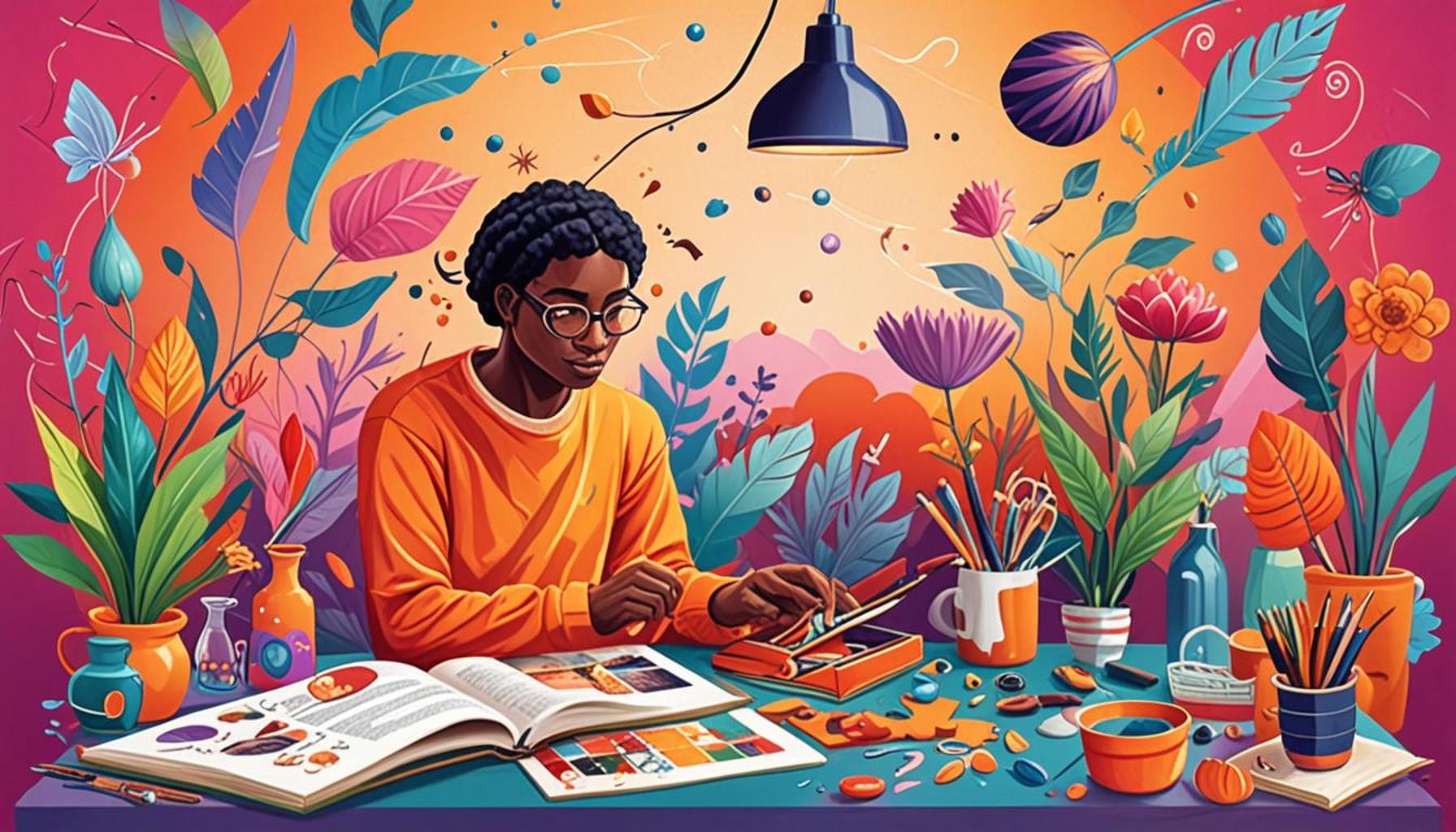
The Transformative Power of Creative Engagement
In today’s fast-paced world, many individuals find solace in the integration of cultural activities and creative hobbies as a pathway to enhance their mental well-being. These pursuits serve not only as a form of self-expression but also as essential tools to navigate the complexities of modern life. Engaging in creative activities allows individuals to escape the pressures of everyday demands, providing a welcome respite from the hustle and bustle of daily routines.
Research has shown that participating in cultural practices and hobbies can lead to significant mental health benefits, including:
- Reduced Stress: Engaging in activities such as painting, dancing, or playing music can alleviate daily stressors. For instance, dedicating time to create art or play an instrument often results in a meditative experience that helps individuals to quiet their minds and relax their bodies. Studies have demonstrated that even just 20 minutes of artistic activity can lead to measurable decreases in stress hormone levels, promoting a calmer state of mind.
- Improved Mood: Creative expression releases endorphins, enhancing emotional states. Those who partake in creative endeavors frequently report feelings of joy and satisfaction. For example, singing in a community choir not only stimulates vocal expression but also boosts mood through collective harmony and enjoyment with others.
- Enhanced Social Connections: Participation in group activities fosters a sense of community and belonging. Whether it’s joining a local theatre group, attending open mic nights, or enrolling in pottery classes, these experiences create opportunities for individuals to connect with like-minded people and build meaningful friendships. Such social interactions can be as vital to personal well-being as the creative process itself.
From community art classes to local theater productions, the options for creative engagement are abundant and accessible across the United States. Many cities host vibrant cultural events through cultural festivals, farmers’ markets featuring local artisans, or art walks where residents can explore galleries and studios. For example, during the annual ArtPrize event in Grand Rapids, Michigan, artists and visitors alike come together to celebrate creativity in both public and private spaces. This not only showcases tremendous talent but also brings communities together in a shared appreciation for the arts.
As we delve deeper into this topic, we will uncover how these engaging practices not only enrich individual lives but also contribute positively to the fabric of society. Creative expression is a universal language that can bridge gaps between diverse cultures and backgrounds, fostering understanding and collaboration in increasingly divided times. Let’s explore the profound impact that creative hobbies can have on mental well-being and learn how to embrace them in our daily lives, ultimately leading to more enriched and fulfilled experiences.
DISCOVER MORE: Click here to dive into sustainability in craft projects
Unleashing Creativity: A Key to Mental Wellness
The connection between creative hobbies and mental well-being is becoming increasingly recognized in both community initiatives and individual lifestyles. More than just enjoyable pastimes, cultural activities such as painting, theater, music, and dance are proving to be instrumental in fostering psychological health. By immersing ourselves in creative expression, we are not only exercising our imaginations but also opening doors to profound emotional benefits.
One of the foremost advantages of engaging in cultural activities is the sense of stress relief they provide. In a nation where mental health concerns are on the rise, finding solace in creativity can be transformative. According to a study published in the journal Art Therapy, individuals who participated in creative activities demonstrated a reduction in anxiety and depressive symptoms. The act of creating art—whether through drawing, sculpting, or mixed media—offers a therapeutic escape, allowing individuals to express their innermost thoughts and feelings without fear of judgment.
Additionally, certain forms of creative expression can lead to enhanced cognitive function. Activities like playing a musical instrument or engaging in dance have been shown to improve memory, problem-solving skills, and overall brain health. Research from the University of California, San Diego reveals that individuals who regularly engage in creative hobbies exhibit larger hippocampal volume, which is crucial for memory and learning. This scientific backing emphasizes the role of cultural engagement as not merely a leisurely activity but as an investment in mental acuity and emotional resilience.
Exploring the Benefits of Group Creative Activities
Participating in group creative endeavors adds another layer of mental well-being benefits. Group activities often yield a sense of belonging and community, essential factors in combating loneliness and social isolation. By joining art classes, community choirs, or performance troupes, individuals can develop strong bonds with peers while nurturing their creative passions. These collaborative efforts foster support networks, allowing individuals to share experiences and motivate each other along the creative journey.
- Collective Creativity: Involvement in group projects, whether it’s creating a community mural or participating in a dance troupe, strengthens communal ties and generates a shared sense of accomplishment.
- Increased Accountability: Group settings encourage participants to commit to their creative pursuits. This shared responsibility can lead to greater persistence and discipline, resulting in enhanced personal growth.
- Emotional Safety: Creative groups often cultivate environments where individuals feel safe to express themselves authentically, reducing barriers to self-exploration and acceptance.
The benefits extend beyond individual well-being; they ripple through communities, igniting a culture of support and creativity. As we embrace the integration of cultural activities and creative hobbies, we find that both personal and societal health significantly improve. The transformative experiences derived from these activities highlight their crucial role in mental well-being and underscore the importance of making room for creativity in our lives.
| Category | Details |
|---|---|
| Cultural Activities | Fostering Community Engagement – Participating in local events and traditions fosters a sense of belonging and connection. |
| Creative Hobbies | Enhancing Cognitive Function – Engaging in creative pursuits has been shown to improve brain function and stimulate mental agility. |
| Art Therapy | Healing Through Expression – Art therapy utilizes creative activities to promote emotional healing and self-discovery. |
| Music and Dance | Physical and Psychological Benefits – Music and dance not only boost mood but also provide a fun way to engage physically. |
As we delve deeper into the advantages offered by incorporating cultural activities and creative hobbies into our lives, it’s crucial to recognize the significant impact these pursuits have on mental well-being. Not only do they enhance personal enjoyment and satisfaction, but they also contribute substantially to overall mental health, making them effective tools for stress relief and emotional healing. Numerous studies support the notion that participation in cultural activities can reduce feelings of isolation and anxiety while fostering community connections. Similarly, creative hobbies serve as a productive outlet for emotions, allowing individuals to express themselves and channel their thoughts positively. By expanding this understanding, one can recognize the potential of these activities as integral components in a holistic approach to mental wellness, encouraging individuals to explore new hobbies, attend cultural events, and participate in artistic expressions that ignite their passions and creativity.
DISCOVER MORE: Click here to dive deeper
The Role of Cultural Activities in Building Emotional Resilience
As society becomes increasingly aware of the power of creative expression, the integration of cultural activities emerges as a vital strategy in nurturing emotional resilience. Different cultures offer unique avenues for creativity, and exploring various artistic traditions can enhance our understanding of self and others while also serving as potent tools for emotionalhealing. Engagement with diverse cultural expressions not only expands our horizons but also allows for greater empathy and connection among individuals.
One significant benefit of immersing oneself in cultural activities is the opportunity for self-reflection. Engaging in practices rooted in cultural heritage—be it learning traditional dances, participating in storytelling circles, or exploring folk music—invites individuals to reflect on their backgrounds and values, fostering meaningful introspection. According to research by the National Endowment for the Arts, individuals who participate in cultural arts programs report higher levels of satisfaction and self-worth, resulting in a deeper appreciation for one’s cultural identity.
Moreover, creativity can serve as a profound form of communication during times of emotional difficulty. For many, expressing feelings through art can be a catalyst for healing. Art therapy has gained traction as a legitimate therapeutic approach, with studies indicating that individuals who engage with their emotions through creative outlets are able to cope with trauma more effectively. For instance, programs that focus on expressive writing or visual arts provide participants with avenues to communicate complex emotions that they may struggle to articulate verbally.
Art as a Tool for Social Change
The potential of cultural activities to drive social change and community well-being cannot be overlooked. Art has long been a conduit for raising awareness of important social issues, and many initiatives encourage individuals to channel their creativity for advocacy. In the United States, organizations like the Creative Trust engage artists in social justice campaigns, illustrating how art can promote dialogue around mental health, equality, and community cohesion.
- Public Art Projects: Community murals or performance art that tackle issues like mental health stigma can forge a sense of community engagement and awareness. These projects allow residents to confront and discuss challenges that affect their well-being collectively.
- Workshops and Education: Classes and workshops that focus on integrating cultural practices into everyday life empower individuals to reclaim their identities and share their stories. These educational settings often become safe havens for vulnerable populations.
- Collaborative Initiatives: When artists partner with mental health organizations to create outreach programs, they can effectively break down barriers to accessing support systems. These collaborative efforts highlight the role of creative activities in enhancing mental health resources.
The significance of integrating cultural activities within mental health strategies is clear. By tapping into their artistic inclinations, individuals not only find personal enrichment but also contribute to a vibrant tapestry of community well-being. Embracing cultural activities and creative hobbies can ultimately lead to a more empathetic society, where mental wellness is prioritized, and diverse expressions of creativity are celebrated.
DIVE DEEPER: Click here to discover how dance enriches our lives
Fostering Mental Well-Being Through Cultural Integration
In conclusion, the integration of cultural activities and creative hobbies plays an indispensable role in promoting mental well-being. By engaging in these enriching experiences, individuals not only explore their own artistic capabilities but also forge connections with others, fostering a stronger sense of community and shared understanding. The ability of various cultural expressions to act as a medium for emotional healing underscores their importance in mental health strategies. Initiatives that encourage participation in the arts not only provide personal satisfaction but also empower marginalized voices, thereby enhancing social cohesion.
As we navigate through the complexities of modern life, embracing creative outlets becomes imperative. Programs that utilize art therapy, public art, and educational workshops represent vital steps in creating inclusive environments where individuals can feel safe to express their emotions and stories. These initiatives can be particularly beneficial in addressing mental health stigma and advocating for accessible support systems that cater to diverse populations.
Ultimately, the journey towards enhancing mental well-being through cultural activities is ongoing. As more individuals and communities recognize the transformative power of creativity, we move closer to a society that prioritizes mental wellness and celebrates the myriad of expressions that enrich the American cultural landscape. By fostering these connections, we not only validate our experiences but also deepen our understanding and compassion toward one another, contributing to a healthier, more resilient future.
Related posts:
How Participation in Cultural Festivals Can Increase Engagement in Artistic Hobbies
Exploring the Intersection of Creative Hobbies and Local Cultural Heritage
The Influence of Cultural Activities on the Creation of Creative Hobbies: Exploring the Intersection...
The Importance of Cultural Activities in Promoting Personal Creativity
How Cultural Activities Can Enrich the Learning Experience in Creative Hobbies
How Participation in Cultural Activities Stimulates Innovation in Creative Hobbies
Linda Carter is a writer and creative hobbies expert specializing in crafting, DIY projects, and artistic exploration. With extensive experience helping individuals discover their creative potential and bring their ideas to life, Linda shares her knowledge on our platform. Her goal is to empower readers with practical tips, inspiring ideas, and step-by-step strategies for success in the world of creative hobbies.