Exploring the Intersection of Creative Hobbies and Local Cultural Heritage
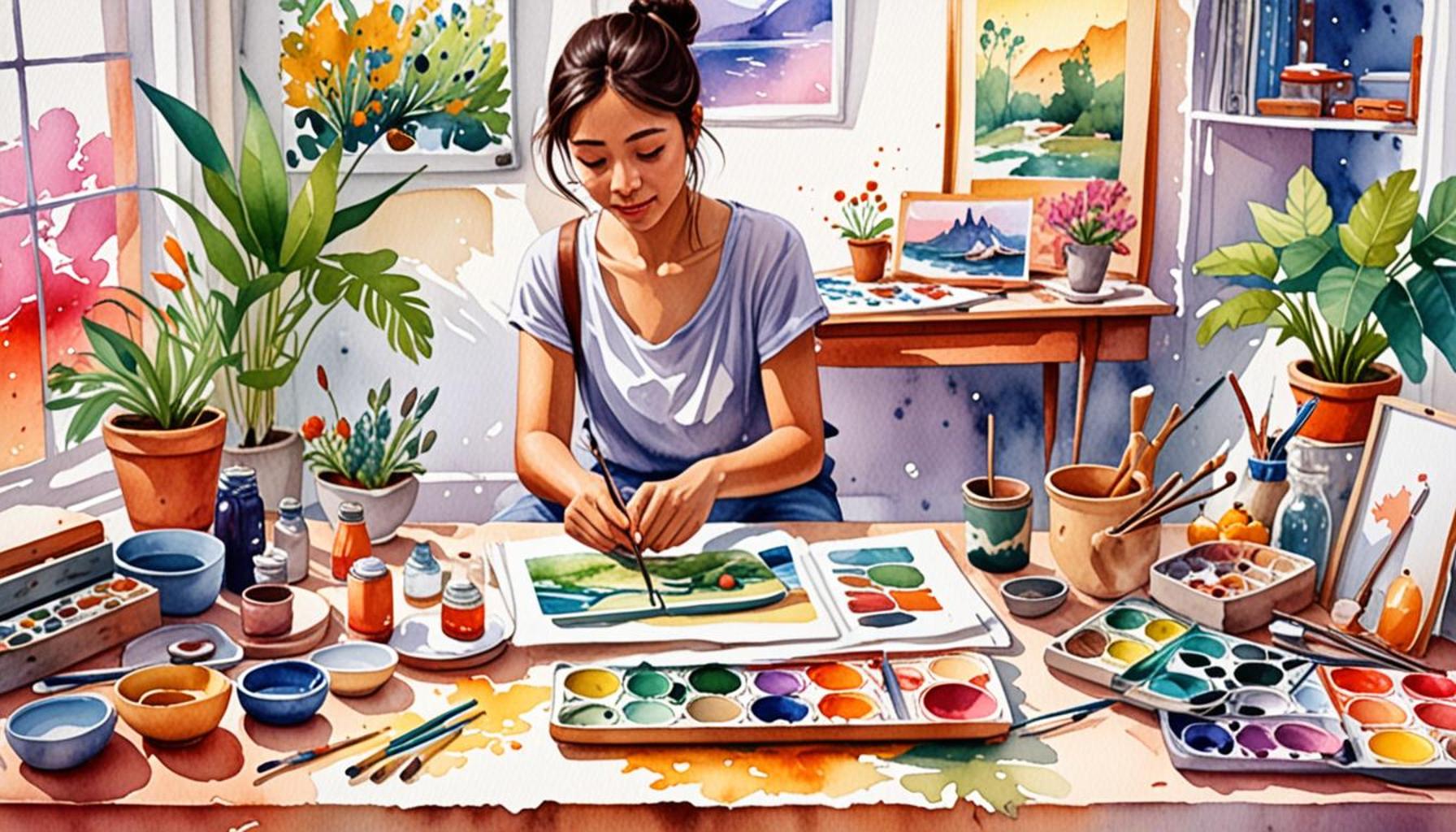
The Allure of Creative Hobbies
In a world increasingly driven by technology and instant gratification, the timeless allure of creative hobbies offers a refreshing escape. These activities not only provide a sense of personal fulfillment but also serve as a bridge to connect with local cultural heritage. From traditional crafts to modern artistic expressions, the intertwining of creativity and local identity enriches communities across the United States.
Consider the following examples:
- Pottery and Weaving: These ancient crafts are deeply rooted in various regional cultures, preserving techniques passed down through generations. For instance, Native American tribes in the Southwest have long practiced pottery-making, using natural clay and organic dyes to create vivid, functional art pieces that tell stories of their ancestors. Similarly, New England has a rich history of weaving, where artisans create intricate textiles that reflect the area’s landscape and culture.
- Music Festivals: Local events promote traditional genres, allowing residents to engage with their history while enjoying the creativity of contemporary artists. Events like the Newport Folk Festival in Rhode Island celebrate not only established artists but also emerging musicians, fostering a sense of community through music that resonates with local narratives and traditions.
- Food Workshops: Culinary arts celebrate local ingredients and cooking methods, inviting hobbyists to explore their heritage through taste. In New Orleans, for example, the emphasis on Creole and Cajun cuisines showcases a rich tapestry of influences, where cooking classes allow participants to explore recipes and cooking techniques that have shaped the local identity.
Examining this intersection of creativity and heritage reveals much about identity and community spirit. Each creative pursuit serves as a vessel, carrying stories and traditions that define a place. Creativity flourishes where it is rooted in culture, allowing individuals to express personal identities while simultaneously strengthening community bonds.
Exploring these hobbies provides not only recreation but also a means to reflect on one’s roots, fostering a deeper appreciation for local culture. As people engage in these practices, they often find themselves uncovering elements of history and tradition that are integral to their identities.
Throughout this article, we will delve into notable examples, unique community initiatives, and the profound impact of these creative hobbies on local identities. From the resurgence of interest in artisanal crafts to the rise of local food movements, we will explore how embracing these pastimes can lead to a richer understanding of where we come from and who we are as a community.
DISCOVER MORE: Click here to dive deeper
Unearthing Local Stories through Creative Expression
Engaging in creative hobbies is not merely a pastime; it is an opportunity to tap into a wealth of local cultural heritage that shapes the community’s identity. Each craft, art form, or culinary technique carries with it an echo of history, a narrative that reflects the experiences and values of those who came before us. From coast to coast, these hobbies serve as a vital link connecting individuals to the rich tapestry of traditions that define their regions.
One compelling example of this connection can be found in the vibrant world of folk art. Across the United States, folk art is characterized by its roots in community tradition and self-taught techniques, making it accessible to all who wish to participate. In places like the Appalachian Mountains, for instance, the art of wood carving has become a symbol of cultural expression. Local artisans often craft intricate figures and designs that tell stories of rural life, nature, and folklore. Workshops and local fairs not only provide opportunities for artists to showcase their work but also allow participants to learn and appreciate the cultural narratives embedded within each piece.
Moreover, the culinary scene is another fertile ground for fostering connections to cultural heritage. Community cooking classes and pop-up food events emphasize the importance of regional ingredients and traditional recipes. For instance, the revival of Southern barbecue culture embodies the blend of African, Native American, and European influences that have shaped its evolution. Participants in these classes learn not only how to prepare these dishes but also engage in conversations about their origins, understanding how food can serve as a historical archive. As attendees chop, season, and savor each bite, they simultaneously partake in a hands-on exploration of the past.
Additionally, the world of textile arts reveals deep-seated cultural identity through its various forms. In California, the resurgence of the quilt-making tradition allows individuals to explore their narratives while connecting with others in the community. Quilts can serve as canvases that portray personal stories and regional history, often integrating various styles and techniques that reflect the diverse backgrounds of those in the area. Workshops hosted at community centers encourage collaborative storytelling, where each participant contributes a square that becomes part of a larger quilt—an emblem of collective heritage.
In this exploration, engaging with creative hobbies not only provides personal joy but also serves a greater purpose: to cultivate a deeper understanding of one’s cultural roots. By participating in these practices, individuals uncover the stories and traditions that have long been woven into the fabric of their community, creating not just art, but a sense of belonging and pride. As these hobbies gain traction, our intimate connection with cultural heritage continues to thrive, promising a future where creativity and community coexist harmoniously.
| Advantage | Description |
|---|---|
| Cultural Preservation | Engaging in creative hobbies that reflect local traditions helps to preserve cultural practices and ensure they are passed down to future generations. |
| Community Engagement | Creative endeavors can foster a sense of community among individuals, uniting them through shared interests and cultural backgrounds and strengthening social bonds. |
Exploring creative hobbies such as local crafts, music, and traditional arts serves not only as an outlet for personal expression, but also reinforces the identity and history of the community where these cultures thrive. Enthusiasts often gather to share their skills, creating workshops that lead to an ever-growing appreciation for their heritage.For example, painting workshops that focus on indigenous styles can expose participants to historical narratives while allowing them to create their own interpretations of local heritage. Additionally, cooking classes that emphasize traditional recipes can revive culinary practices that are at risk of being forgotten. This intersection fuels a continuous dialogue between the past and present, where every brush stroke or ingredient tells a story of the community’s origin.As individuals invest their time in these hobbies, the local culture becomes more visible and relevant within modern society. Each piece of art or craft not only embodies creativity but also acts as a dialogue that connects generations, encouraging others to explore their roots. As this interaction continues to flourish, the cultural heritage becomes a vibrant, living aspect of community life, offering unique opportunities for discovery and engagement.
DISCOVER MORE: Click here to delve into cultural diversity through dance
Reviving Traditions through Community Engagement
As the world rapidly modernizes, the need to preserve local cultural heritage has become more urgent than ever. Creative hobbies act as a powerful conduit for this preservation by enabling community members to engage in practices that celebrate their histories. One method of fostering this connection lies in the revival of traditional crafts, such as pottery, weaving, and basket-making, which are often tied to the unique resources and cultural narratives of a particular area.
Take, for example, the Native American pottery traditions found in the Southwestern United States. These artistic practices are not merely decorative; they are deeply embedded in the lifeways of the tribes, encompassing stories of creation, spirituality, and community values. Local workshops taught by tribal members offer hands-on experiences that not only teach the techniques involved but also impart the significance behind each design and motif. Participants leave not just with handmade pottery but with a strengthened bond to the culture that birthed it.
Furthermore, literary arts serve as another fascinating avenue through which local heritage is examined and celebrated. Poetry slams, storytelling events, and writers’ workshops focusing on regional themes encourage participants to articulate their historical narratives and personal experiences. In many cities, slam poetry is thriving, offering a platform for voices that highlight local struggles, triumphs, and cultural backgrounds. These events not only provide an outlet for self-expression but also breathe life into the collective memory of a community, fostering awareness and respect for its unique contributions to the broader American narrative.
The concept of community gardens also exemplifies how creative hobbies can serve as a bridge to cultural heritage. These green spaces are often cultivated with plants that carry historical significance, such as heirloom varieties of vegetables and flowers that have been passed down through generations. In places like New York City, community gardens allow individuals to learn about agricultural practices specific to their cultural backgrounds—examining the importance of specific crops in their traditional cuisines. Through planting and nurturing these gardens, individuals work together while reconnecting with their cultural roots and histories, often sharing recipes and food customs in the process.
Additionally, the resurgence of music and dance traditions sheds light on the role of creative hobbies in local heritage. Building on oral histories, regional music forms such as bluegrass, zydeco, and jazz, not only embody the sounds of past generations but also the social and cultural dynamics that gave rise to them. Community music festivals celebrating these genres foster participation through workshops devoted to traditional instruments and performance techniques. This cultural exchange ensures that younger generations appreciate and carry forward the rich legacy of their predecessors.
In sum, creative hobbies encompass a range of activities that engage individuals with their local cultural heritage. By embracing these practices, communities can foster greater understanding and appreciation for the traditions that shape them, creating an environment where creativity thrives alongside a respect for history. As this engagement blossoms, so too does a renewed sense of identity, illuminating the pathways through which culture and creativity can jointly flourish and evolve.
DISCOVER MORE: Click here to dive deeper
Conclusion: A Tapestry of Culture and Creativity
At the heart of every community lies a rich tapestry woven from its cultural heritage, intertwined with the creative hobbies that resonate across generations. The exploration of this intersection highlights how traditional crafts, literary arts, and music and dance not only preserve history but also invigorate communal ties. As individuals pick up a paintbrush, a pen, or an instrument, they breathe life into the stories of their ancestors, fostering a shared appreciation for the narratives that shape their identities.
Moreover, the role of community engagement cannot be understated, as local workshops and events illuminate the significance of cultural practices while encouraging new creative expressions. The proactive revival of customs through hobbies cultivates a space where the past informs the present, creating opportunities for dialogue and connection among diverse groups. This collaborative spirit not only honors tradition but also paves the way for innovation, ensuring that cultural heritage remains dynamic and relevant.
As we stand on the precipice of further globalization, embracing the intersections between creativity and local heritage becomes crucial. This synergy fosters not just an appreciation of the past but also a platform for envisioning the future. By nurturing creative endeavors that draw inspiration from cultural roots, communities can secure a vibrant narrative that respects history while adaptability. The call to action is clear: engage with your local heritage through a creative hobby, and watch as your community flourishes with the vitality of its rich cultural legacy.
Related posts:
How Participation in Cultural Activities Stimulates Innovation in Creative Hobbies
The Connection between Cultural Activities and the Development of Individual Creative Projects
The Art of Storytelling: The Importance of Cultural Activities in Preserving Tradition and Identity
The Impact of Performing Arts on Creative Hobby Practices
The Integration of Cultural Activities and Creative Hobbies in Promoting Mental Well-Being
Exploring Cultural Diversity Through Dance: How Cultural Activities Enrich Our Lives

Linda Carter is a writer and creative hobbies expert specializing in crafting, DIY projects, and artistic exploration. With extensive experience helping individuals discover their creative potential and bring their ideas to life, Linda shares her knowledge on our platform. Her goal is to empower readers with practical tips, inspiring ideas, and step-by-step strategies for success in the world of creative hobbies.