The Impact of Cultural Activities on the Formation of Support Networks for Creative Hobbies
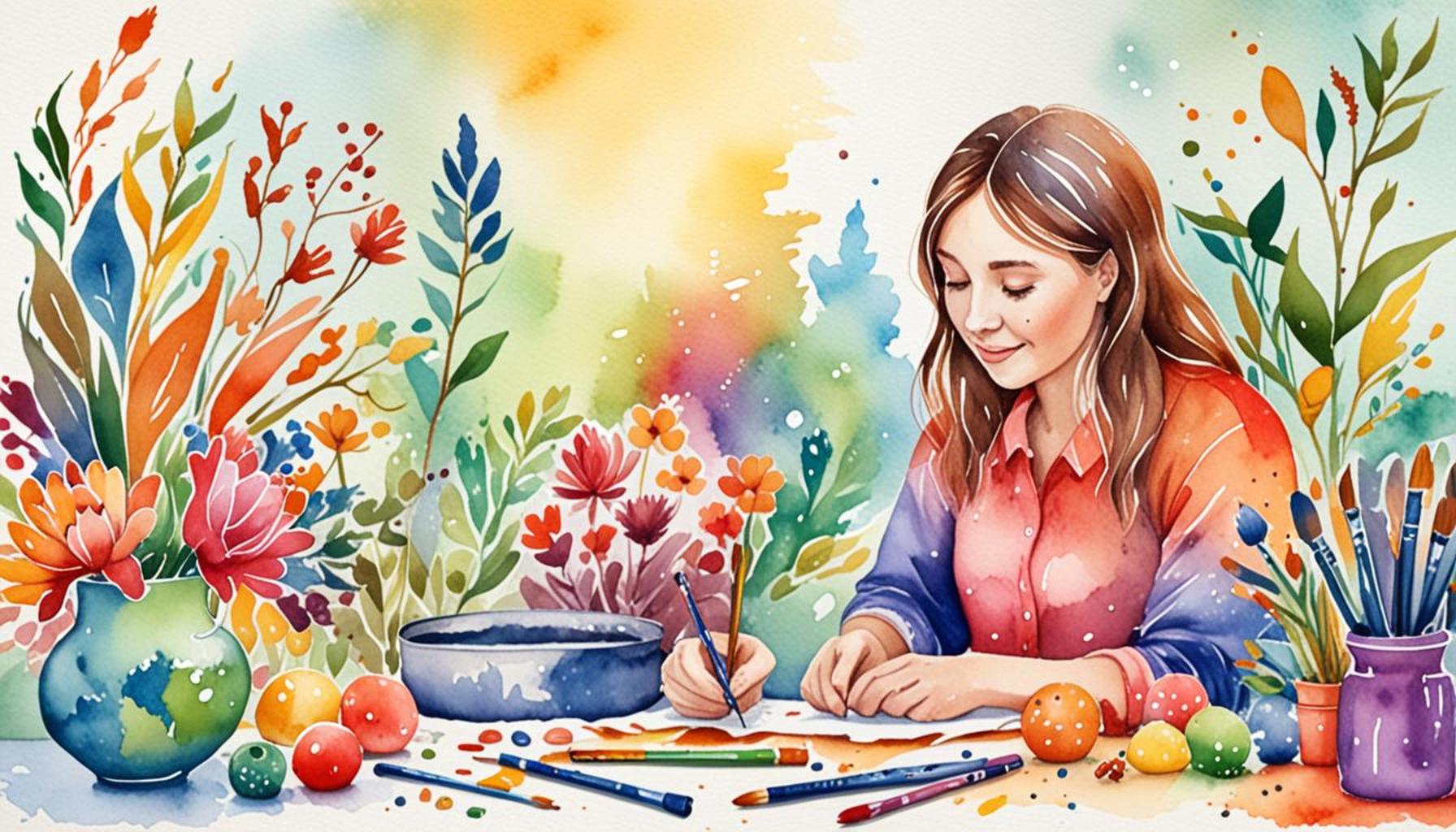
The Importance of Cultural Activities
In our increasingly fast-paced world, many individuals overlook the transformative power of cultural activities. These activities are not just pastimes; they represent essential avenues for self-expression, connection, and community building. By engaging in artistic and cultural pursuits, individuals can immerse themselves in their passions while connecting with others who share similar interests, thereby creating a rich tapestry of friendships and support networks.
Cultural activities can manifest in countless forms, each offering unique experiences and opportunities. For instance, art classes provide not only the technical skills necessary for artistic expression but also create an environment where critiques and encouragement flow naturally among participants. Similarly, attending theater performances allows individuals to experience storytelling in its richest form, often leading to memorable discussions among peers afterward.
Furthermore, events like music festivals and craft fairs allow for broader participation, uniting diverse groups with the common thread of creativity. At a music festival, for example, attendees may bond over their favorite bands and the ambiance, fostering a sense of camaraderie that can blossom into deep friendships. Writers’ workshops, on the other hand, not only help participants hone their craft but also provide an intimate space for sharing personal stories and challenges, nurturing a profound sense of understanding and emotional support among peers.
The benefits of these cultural networks extend far beyond mere companionship. Engaging in these activities plays a crucial role in skill development, paving the way for individuals to enhance their talents and pursue professional and personal growth. Participants often gain access to resources, such as art supplies or workshop facilities, which would otherwise be unattainable alone. Additionally, the mental health benefits of connecting with a community cannot be overstated; creative outlets are well-documented as powerful tools for managing stress and enhancing overall well-being. Finally, these cultural activities foster a sense of belonging, creating a support system where individuals feel valued and understood.
Delving deeper into how cultural activities facilitate lasting relationships reveals a detailed web of connectivity between community, creativity, and personal fulfillment. Participation brings about not only artistic development but also social enrichment, urging individuals to explore and cultivate their identities within a community context. This exploration not only enhances individual creativity but also strengthens the supportive fabric of our society at large, leading to more engaged, fulfilled, and connected individuals.
DISCOVER MORE: Click here to dive into the world of new hobbies
Creating Connections Through Cultural Activities
The web of relationships formed through cultural activities plays a pivotal role in establishing support networks for creative hobbies. When individuals gather to share their passions, they embark on a journey of mutual inspiration and encouragement, leading to stronger connections that extend beyond mere acquaintanceship. U.S.-based programs such as community arts initiatives and local art exhibitions serve as forums for individuals to meet, exchange ideas, and foster lasting friendships. The collaborative spirit at these events fosters an environment where creativity thrives and support becomes a natural outcome.
These communal experiences not only enhance social interactions but also create safe spaces for individuals to explore their hobbies without fear of judgment. Programs within cultural institutions, such as museums and libraries, often host workshops that invite participants to engage in hands-on experiences, from pottery making to digital storytelling. This hands-on participation allows individuals to bond over shared challenges and triumphs, creating a network of support that encourages artistic risk-taking.
- Shared Learning: Cultural activities often involve collective learning experiences, where participants exchange ideas and techniques. This not only enhances their skills but also creates a sense of camaraderie.
- Feedback Opportunities: Open forums for constructive feedback allow artists and creators to refine their talents, while simultaneously building a support system that celebrates creativity.
- Networking Potential: Attendees at cultural events are often introduced to professionals and other enthusiasts in their field, leading to collaborative projects outside of the initial gathering.
Moreover, the sense of belonging fostered through these activities serves as a vital component of personal development. For many, engaging with like-minded individuals cultivates an environment where they feel empowered to further explore their creative inclinations. The collective energy of a group often ignites passion and enthusiasm, inspiring individuals to push their boundaries, whether it’s in painting, acting, writing, or crafting. Such experiences not only amplify artistic expression but also cultivate relationships that provide emotional and practical support.
The impact of cultural activities on the formation of support networks is particularly significant for individuals who may feel isolated in their creative journey. Many find solace in the understanding and acceptance provided by like-minded peers. For instance, an artist struggling with self-doubt may discover encouragement in the form of constructive criticism from fellow participants during group art sessions, ultimately feeling more confident in their abilities. This kind of community support proves crucial for nurturing creativity, as it affirms individual experiences and helps mitigate feelings of inadequacy often associated with creative endeavors.
As we further unravel the ways cultural activities intertwine with personal development and community support, it becomes evident that participation is not merely about pursuing a hobby. Rather, it’s about engaging in a social contract that prioritizes shared creativity, emotional resilience, and interconnectedness, forming the basis for strong support networks that enrich lives.
| Advantage | Description |
|---|---|
| Social Connections | Cultural activities foster social interactions, enabling individuals with similar interests to form meaningful relationships. |
| Skill Development | Participating in cultural events provides opportunities for learning and skill enhancement, essential for creative hobbies. |
| Emotional Support | Support networks built through cultural activities serve as a reliable source of encouragement and motivation for pursuing creative passions. |
| Resource Sharing | Engagement in cultural circles allows individuals to exchange resources, tools, and knowledge, enriching their creative experiences. |
Incorporating cultural activities into one’s lifestyle can significantly enhance the formation of support networks vital for nurturing creative hobbies. As individuals engage in community arts, music, and theater, they organically build social connections, interchange skill sets, and create robust emotional support systems. This interconnectedness impacts personal growth and cultivates a thriving environment where creative ideas flourish. Moreover, the collaboration within these networks encourages the sharing of resources and innovative practices, ultimately fostering a thriving creative ecosystem. Through these interactions, cultural activities can transform personal interests into shared passions that not only enrich individual experiences but also foster a sense of community.
DISCOVER MORE: Click here to learn how to enhance skills through creative hobbies
The Role of Community in Fostering Creative Growth
The influence of cultural activities on the formation of support networks is not limited to immediate interactions; the ripple effects can lead to substantial personal and professional growth for participants. One vital aspect of such activities is the establishment of long-term relationships that can offer guidance and resources beyond the initial experience. For example, local art leagues and theater groups often evolve from simple gatherings into vibrant communities that organize regular meetups, workshops, and showcases, which in turn reinforce a commitment to shared creative pursuits.
This communal aspect is particularly evident in the way these networks facilitate mentorship opportunities. Individuals with more experience in specific creative fields often take newer artists under their wing, providing invaluable insight and encouragement. Events like the Art Walks in San Francisco or the New York City Film Festival allow novices to approach seasoned professionals, thus enriching their understanding of the craft, and helping them to navigate the often daunting landscape of creative industries. Such mentorship not only drives skill development but also fosters a sense of accountability among peers.
- Collaborative Projects: Cultural activities inspire collaboration between artists, leading to joint projects that manifest their collective creativity. Whether it’s a mural painted by several local artists or a play staged by a community theater group, these collaborations strengthen the ties within the network.
- Diversity of Perspectives: Attendance at cultural events introduces participants to a variety of artistic viewpoints, enhancing their creative practices. The sharing of differing opinions and techniques broadens the horizon for all involved and promotes a culture of inclusivity.
- Resource Sharing: Support networks formed through cultural activities often become valuable hubs for resource sharing, facilitating access to materials, funding opportunities, and spaces for creative work that might be out of reach for individuals.
Moreover, the act of participating in cultural events can have profound psychological benefits. Research has shown that engagement in creative activities is linked to reduced levels of stress and anxiety, promoting overall mental well-being. When individuals come together, sharing creative passions within a supportive environment, they contribute to one another’s emotional health. For example, art therapy sessions hosted in community centers not only provide a creative outlet but also foster valuable emotional connections amongst participants who may deal with similar challenges.
The phenomenon of social media platforms further amplifies the impact of cultural activities in forming support networks. Groups on platforms like Facebook and Instagram create virtual extensions of the in-person relationships fostered during workshops and exhibitions. These online spaces facilitate ongoing interaction, feedback, and collaboration that can enrich one’s creative journey long after the physical events have concluded. Social media has democratized access to artistic discourse, enabling creators from all walks of life to contribute and seek support irrespective of geographical limitations.
Ultimately, the intricate interplay of cultural activities and community networks underscores the essential role of connection in nurturing creative hobbies. Whether through mentorship, collaboration, or shared experiences, the aggregation of supportive relationships forms a sturdy backbone for individuals pursuing their artistic goals. As cultural activities continue to thrive across the United States, they will undoubtedly remain integral in shaping the support systems that empower creativity and innovation.
DISCOVER MORE: Click here to learn about the healing power of creative writing
Conclusion: The Lasting Impact of Cultural Engagement
In summary, the intersection of cultural activities and the formation of support networks significantly enriches personal and communal creative experiences. These networks not only cultivate individual talents but also serve as vital lifelines within the often isolating landscape of creative pursuits. As we have explored, mentorship opportunities, collaborative projects, and resource sharing highlight the collective strength derived from engaging in cultural activities. In addition to fostering skill development and creative expression, these interactions nurture emotional well-being and provide scaffolding for artistic growth.
Furthermore, the emergence of digital platforms has expanded these supportive networks, allowing artists to connect with peers across geographical boundaries. This newfound accessibility fosters a vibrant dialogue that transcends local communities, empowering creators to share insights, resources, and encouragement on a larger scale. As cultural activities flourish in various forms—be it through local festivals, workshops, or online initiatives—they undeniably play a crucial role in shaping the landscape for emerging and established creatives alike.
As we contemplate the future of artistic expression in the United States, it is essential to recognize that each cultural event attended, or workshop participated in, contributes to a wider tapestry of connections that support and enhance creative hobbies. Ultimately, by championing cultural engagements, we nurture the very essence of community, creativity, and collaboration that forms the bedrock upon which innovators can thrive. Embracing these opportunities can lead to a more vibrant artistic culture that not only inspires but also transforms our communities for the better.
Related posts:
The Influence of Cultural Activities on the Creation of Creative Hobbies: Exploring the Intersection...
The Art of Storytelling: The Importance of Cultural Activities in Preserving Tradition and Identity
Exploring the Intersection of Creative Hobbies and Local Cultural Heritage
Cultural Activities Impact on Creativity Boost Hobbies with Dance Music Theater
How Participation in Cultural Activities Stimulates Innovation in Creative Hobbies
How Participation in Cultural Festivals Can Increase Engagement in Artistic Hobbies

Linda Carter is a writer and creative hobbies expert specializing in crafting, DIY projects, and artistic exploration. With extensive experience helping individuals discover their creative potential and bring their ideas to life, Linda shares her knowledge on our platform. Her goal is to empower readers with practical tips, inspiring ideas, and step-by-step strategies for success in the world of creative hobbies.