The Art of Improvisation: Techniques for Artistic Exploration to Unlock Creativity in Hobbies
The Impact of Improvisation in Creative Practices
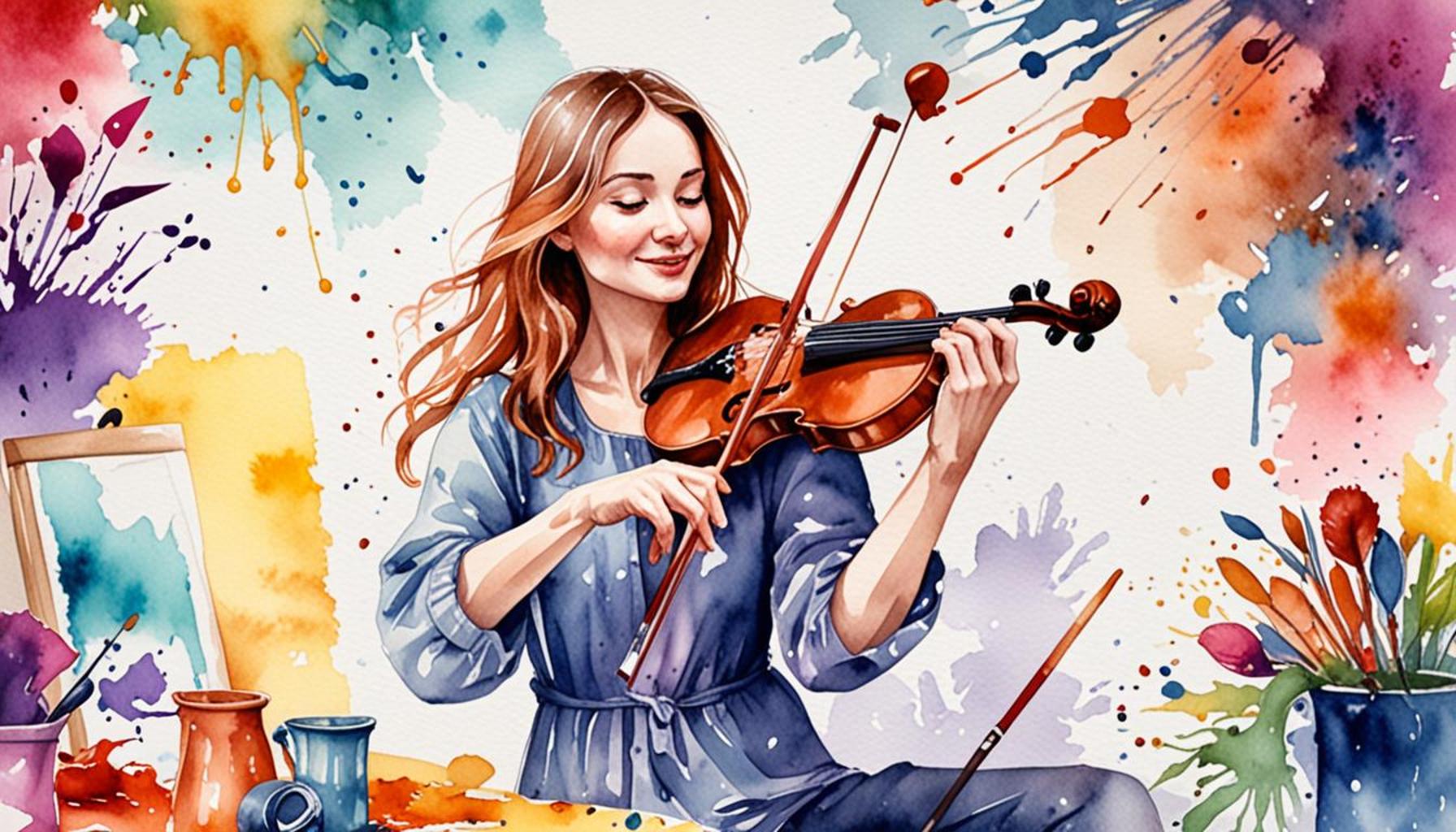
Creativity is not just a structured process of planning and execution; it often flourishes in moments of spontaneity and surprise. Improvisation is a critical skill for artists of all types, providing a unique avenue to traverse the uncharted territories of their craft. By allowing for spontaneity, artists are equipped to break free from conventional constraints, fostering an environment where innovative ideas can thrive.
Engaging in improvisational practices can yield transformative experiences across various artistic domains. Here are some illustrative examples of where these techniques elevate the creative process:
- Music: For musicians, improvisation can take the form of spontaneous jamming sessions or live performances where they experiment with unplanned melodies and rhythms. Jazz musicians, in particular, thrive on this principle, often deviating from the original score to create something entirely new in the moment. This not only enhances their skills but also captivates the audience with unexpected musical elements.
- Visual Arts: Painters who embrace improvisation can invoke unexpected color combinations and forms, pushing the boundaries of traditional artistic expression. For example, the abstract expressionist movement, influenced by the spontaneity of action painters like Jackson Pollock, emphasizes the physical act of painting itself as a form of improvisation, resulting in dynamic and emotional artworks that resonate deeply with viewers.
- Theater: In the realm of acting, improvisation allows performers to develop characters and scenes in real-time, significantly enriching their performances. Improv techniques, such as ‘Yes, and…’ encourage actors to build on each other’s ideas, fostering a collaborative atmosphere that can lead to unforgettable moments on stage. This is not just limited to performance; it also helps actors develop more authentic character arcs through spontaneous decisions.
- Writing: Authors who utilize improvisational techniques can explore new narrative paths without adhering strictly to rigid outlines. Writing prompts or free-writing exercises can serve as gateways to unexpected story directions. For instance, a writer might start with a single sentence that sparks an entire chapter, leading them down an unanticipated but rewarding creative road.
By leveraging improvisation techniques, artists can explore their creative instincts, transforming their hobbies into exhilarating journeys of discovery. This approach does not only enhance technical skills; it also cultivates a profound connection with their craft and a heightened understanding of their artistic voice. Improvisation encourages artists to embrace ambiguity, thus yielding rich, multi-dimensional expressions of creativity.
This article will delve into practical techniques that can help you unleash your creativity through improvisation. Whether you are a seasoned artist or just embarking on your creative journey, the art of improvisation serves as a vital key to unlocking your full potential. As you continue to explore, remember that every creative endeavor has the potential to surprise and inspire. Let the journey of improvisation invite you to break free from the ordinary and embrace the extraordinary possibilities of your artistic expression.
DISCOVER MORE: Click here to learn how creative writing can enhance your well-being

Techniques to Foster Improvisation in Your Creative Endeavors
To harness the benefits of improvisation in your artistic hobbies, it is essential to integrate specific techniques that encourage creativity and spontaneity. Whether you are an aspiring musician, painter, writer, or theater artist, these strategies can enhance your creative practices and invite fresh perspectives. Here’s a compilation of effective techniques designed to promote improvisational exploration:
- Free Association: This technique involves allowing your mind to wander freely without restrictions. For writers, this could mean setting a timer and writing continuously, without pausing to edit or overthink along the way. This stream-of-consciousness approach often leads to surprising connections and unique ideas that may not surface through more structured writing methods.
- Jam Sessions: Musicians can benefit greatly from inviting fellow artists to participate in jam sessions. These informal gatherings encourage collaboration, where musicians build on each other’s riffs and melodies, pushing boundaries. Often, the spontaneity created in these high-energy environments can lead to inventive compositions that wouldn’t arise during traditional rehearsals.
- Random Prompts: Visual artists can introduce random prompts or limitations, such as choosing an unusual color palette or working blindfolded. This limitation sparks creativity by forcing them to adapt to unforeseen circumstances. Artists might find that breaking away from their usual techniques or materials unwittingly expands their skill set and perspective.
- Improvisational Acting Games: Actors can engage in games designed for improvisation, such as “Yes, And…” which encourages participants to accept changes and build upon each other’s ideas. This not only fosters quick thinking but also cultivates a spirit of collaboration and trust among actors, creating a fertile environment for organic performance.
- Experimental Workshops: These workshops, tailored for various art forms, can facilitate improvisation by combining techniques from diverse disciplines. For example, a workshop that intermingles dance, theater, and visual arts may inspire participants to express themselves in new ways, enabling innovative approaches to their primary artistic pursuits.
Incorporating these techniques can instill a sense of playfulness in your artistic practices, shifting the focus from perfection to exploration. Each improvisational exercise serves as an invitation to explore the unexpected, ultimately allowing you to forge a deeper connection with your craft. Embracing improvisation can transform the way you approach your artwork, turning routine activities into adventures ripe with discovery.
As you experiment with these techniques, consider the influence of external elements, such as music, environment, and group synergy— factors that can deeply impact your improvisational experience. Being attuned to these influences often sparks imagination and nourishes inventive expressions, making each attempt at improvisation a unique journey unto itself.
The Art of Improvisation: Techniques for Artistic Exploration to Unlock Creativity in Hobbies
Improvisation isn’t just a technique; it’s a remarkable exploration of the mind’s potential to innovate and create, making it an essential skill in hobbies ranging from painting to music. One fundamental aspect of artistic improvisation is the ability to embrace spontaneity. By stepping outside of predetermined choices or structures, individuals can uncover unique expressions and creativity that are often buried under the weight of routine.
Additionally, engaging in improvisational exercises not only fosters creativity but also enhances problem-solving skills. For example, a musician who improvises during a jam session inadvertently learns to adapt to changes in tempo and mood of fellow artists, sharpening their instincts and emotional intelligence. This adaptability can spill over into daily life, facilitating a more agile mindset that’s necessary for navigating complex situations.
Visual artists can similarly benefit from techniques that encourage experimental approaches, such as using unconventional tools or mixing mediums. This process of exploration leads to unexpected outcomes, forging a deeper connection to the artwork and enhancing personal expression.
Furthermore, community engagement plays a vital role in artistic improvisation. By collaborating with others, artists create a dynamic exchange that invigorates their practice, leading to collaborative discoveries that neither individual may have achieved alone. Workshops and group sessions can provide the perfect environment for budding talents to explore these techniques, build confidence, and spark new ideas.
| Category | Advantages |
|---|---|
| Spontaneity | Encourages unique expressions and creativity outside routine. |
| Problem-Solving Skills | Enhances adaptability and emotional intelligence in challenging situations. |
Adopting these improvisation techniques not only enriches one’s hobby but also promotes a holistic approach to creativity, encouraging lifelong learning and artistic exploration in various applications. This unfolding journey promises not only self-discovery but also the delight of connecting deeply with art and oneself.
DISCOVER MORE: Click here to dive deeper
Embracing the Unexpected: The Role of Environment and Group Dynamics
The practice of improvisation inherently thrives on the surprise of spontaneous moments. However, just as crucial as the techniques you employ are the surrounding elements that shape the environment in which your creativity unfolds. Understanding the impact of both physical space and group dynamics can significantly enhance your improvisational experience.
Creating an Inspiring Environment
Your creative space can either hinder or facilitate improvisation. A cluttered or uninspiring atmosphere can stifle creativity, while an open, inviting space filled with inspiring visuals or sounds can spark ingenuity. Consider setting up your workspace to include:
- Natural Elements: Incorporating plants, artwork, or natural light can uplift your spirits and fuel your creativity. Research shows that exposure to nature can reduce stress and increase cognitive flexibility, making it easier to engage in improvisational techniques.
- Inspirational Artifacts: Surround yourself with items that resonate with you, be it a favorite book, musical instruments, or tools from other creative disciplines. These artifacts serve as a reminder of your artistic roots and can trigger fresh ideas and curiosity.
- Multisensory Stimuli: Engaging multiple senses can enhance the improvisational process. Consider playing ambient music, or introducing scents associated with creativity, such as citrus or essential oils, to invigorate your senses and help your mind wander.
The Power of Collaboration and Group Dynamics
While working solo can be rewarding, engaging with others can elevate your improvisational practice to new heights. Collaboration opens the door to divergent thinking, where the combination of various perspectives can lead to unexpected artistic outcomes:
- Diverse Skill Sets: Collaborating with individuals from different artistic backgrounds enriches the improvisational experience. For instance, a musician teaming up with a dancer can lead to a unique blend of sound and movement that neither could achieve alone, pushing both to explore unfamiliar territories.
- Feedback Loops: Environments fostering constructive feedback can help artists feel safe to take risks. By receiving and providing feedback in a supportive group setting, participants can engage with ideas they may have otherwise dismissed, allowing fresh avenues of creativity to emerge.
- Group Improvisation Exercises: Participating in group exercises specifically designed for improv, such as “story circles” or “collaborative canvas painting,” can enhance group synergy. These shared experiences often produce unexpected results that none of the participants could have anticipated when working alone.
Additionally, consider the aspect of timing. The spontaneity inherent in improvisation can lead to compelling moments. Timing not only involves seizing opportunities as they arise but also understanding when to ebb and flow with your group. Mastering the rhythm of collaborative improvisation can elevate your creative connection with others.
Beneath the surface of every improvisational endeavor lies a unique blend of influence from both environmental factors and interaction with peers. By cultivating an inspiring setting and embracing the collaborative spirit, artists can unlock layers of creativity that remain obscured in solitary practices. An adventurous mindset, underscored by the unexpected, fuels both individual and communal artistic journeys, illuminating opportunities for innovative expression.
DISCOVER MORE: Click here to learn about the latest craft trends
Conclusion: Unlocking Your Creative Potential Through Improvisation
In a world often dominated by structure and planning, the art of improvisation encourages individuals to embrace spontaneity and explore uncharted territories within their hobbies. By employing techniques that promote adaptability, playfulness, and openness to new experiences, artists—regardless of their medium—can tap into profound reservoirs of creativity previously hidden beneath the surface.
As we have seen, the environment where creativity flourishes can significantly shape the improvisational experience. Crafting an inspiring space not only enhances focus but also invites fresh perspectives that can supercharge artistic exploration. Furthermore, the power of collaboration illuminates the benefits of shared creativity, where diverse skill sets merge to birth innovative outcomes. By engaging with others, artists can expand their creative vocabularies, challenge their assumptions, and ultimately reinforce their trust in the improvisational process.
Improvisation is not just a technique; it is a mindset. The willingness to experiment, to acknowledge and learn from the unpredictable, can transform ordinary hobbies into vibrant journeys of artistic discovery. Whether it’s picking up a guitar for the first time, sketching without a predetermined plan, or dancing freely to music, embracing improvisation offers endless opportunities for self-expression and growth.
So, the next time you engage in your creative pursuits, remember to stay curious, remain open to the unexpected, and relish the beauty of unpredictability. By doing so, you’ll discover that improvisation is less about perfection and more about the journey, ultimately unlocking your full creative potential.
Related posts:
The Influence of Abstract Art on Personal Creativity Development
Art as a Tool for Protest: Expressing Ideas and Causes Through Creativity
The Art of Dream: Exploring Creativity through Imagination and the Unconscious
The Art of Improvisation: How Spontaneous Creation Can Stimulate Creativity
Unlock Personal Growth How Artistic Exploration Boosts Emotional Well-being
The Art of the Everyday: Finding Beauty and Creativity in Common Objects
Linda Carter is a writer and creative hobbies expert specializing in crafting, DIY projects, and artistic exploration. With extensive experience helping individuals discover their creative potential and bring their ideas to life, Linda shares her knowledge on our platform. Her goal is to empower readers with practical tips, inspiring ideas, and step-by-step strategies for success in the world of creative hobbies.